


School Watercolor Art Canvas
Our collection School Watercolor Art Canvas brings a soft and inspiring artistic touch to educational environments. These creations with delicate hues celebrate the art of watercolor with colorful and poetic compositions. Ideal for decorating classrooms with watercolor paintings, these works stimulate student creativity. Each watercolor art canvas for educational institutions creates a soothing atmosphere conducive to learning, while awakening children's artistic sensitivity.
 Cumulus Floating Pink Wall Art - Modern Abstract Edition232,90 €
 Children's Wall Art No.23 - Kids Edition233,90 €
 Children's Wall Art No.17 - Kids Edition233,90 €
 Children's Wall Art No. 16 - Children's Edition233,90 €
 Children's Wall Art No.14 - Children's Edition233,90 €
 Children's Painting No.12 - Children's Edition233,90 €
 Children's Painting No.11 - Children's Edition233,90 €
 Kids Wall Art No. 10 - Kids Edition233,90 €
 Children's Tableau No. 1 - Children's Edition233,90 €
 Dinosaur Art Print No. 1 - Kids Edition233,90 €
Explore further
In School Watercolor Art Canvas
-
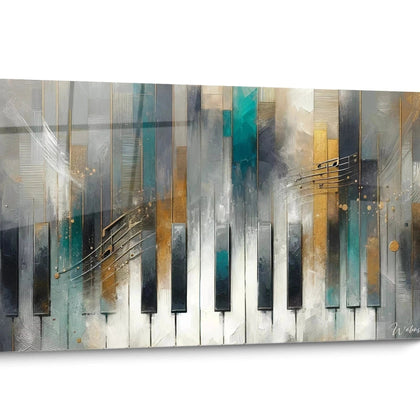 School Wall Art874
artworks
School Wall Art874
artworks
-
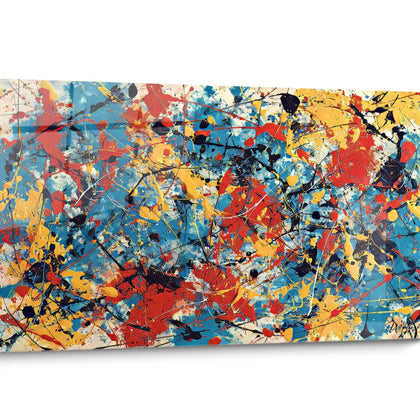 Abstract Wall Art for Schools24
artworks
Abstract Wall Art for Schools24
artworks
-
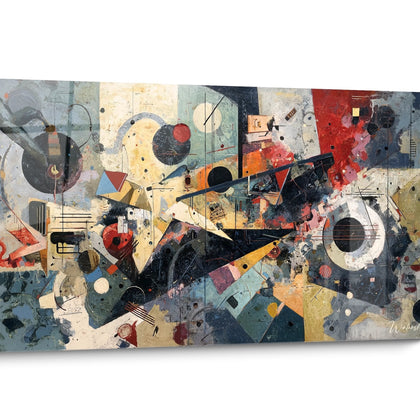 Geometric Educational Wall Art for Schools24
artworks
Geometric Educational Wall Art for Schools24
artworks
-
 Colorful School Wall Art24
artworks
Colorful School Wall Art24
artworks
-
 Wall Art for Children's School24
artworks
Wall Art for Children's School24
artworks
-
 Pop Art Wall Art for Schools6
artworks
Pop Art Wall Art for Schools6
artworks
-
 Futuristic School Wall Art10
artworks
Futuristic School Wall Art10
artworks
-
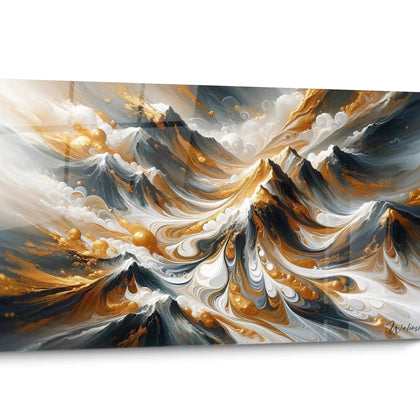 Golden School Wall Art14
artworks
Golden School Wall Art14
artworks
-
 Black and White School Wall Art11
artworks
Black and White School Wall Art11
artworks
-
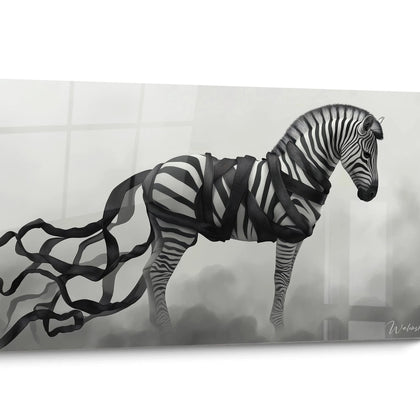 School Wall Art Animals24
artworks
School Wall Art Animals24
artworks
-
 Wall Art for Music School12
artworks
Wall Art for Music School12
artworks
-
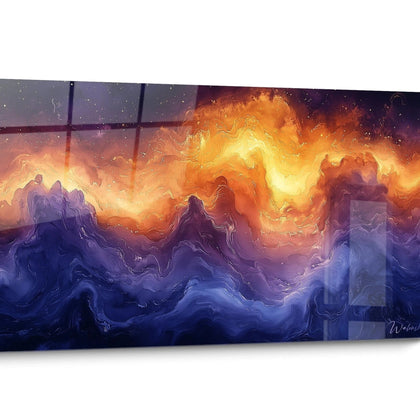 Expressionist School Wall Art8
artworks
Expressionist School Wall Art8
artworks
-
 Painting School Wall Art13
artworks
Painting School Wall Art13
artworks
All about School Watercolor Art Canvas
- Watercolor School Wall Art Presentation
- Watercolor for Educational Spaces
- Soothing Pedagogical Atmosphere
- School Wall Integration
A watercolor wall art for schools transforms educational spaces into visually stimulating and calming environments. These large-format wall creations bring essential artistic dimension to classrooms, hallways, and common areas in educational institutions. Watercolor, a technique valued for its chromatic softness and subtle transparencies, creates an atmosphere conducive to concentration and student well-being. The generous dimensions of these artworks ensure optimal visibility even in vast shared spaces, delivering immediate visual impact upon entering learning environments.
Watercolor Serving Educational Environments
The watercolor wall art for schools meets the specific visual ambiance requirements of educational institutions. This pictorial technique distinguishes itself through delicate nuances and fluid gradations that create a soothing wall presence without chromatic aggression. Educational institutions seek decorative elements capable of stimulating creativity while maintaining a serene climate favorable to learner concentration.
Why is watercolor suitable for school spaces?
The transparency effects characteristic of watercolor diffuse a particular light that softens often austere classroom walls. Subtle chromatic superpositions introduce color without creating visual overload. This technique promotes measured visual stimulation, essential in spaces where children spend several hours daily. Abstract or figurative watercolor compositions also offer pedagogical support for addressing artistic concepts with students.
Watercolor compositions adapted to school cycles
For preschools and primary schools, watercolor artworks favor organic motifs with soft colors: stylized landscapes, vegetal forms, animal representations handled with delicacy. Secondary institutions increasingly opt for sophisticated abstract compositions where washes create atmospheric depths. Pastel tones generally dominate these creations: soothing blues, natural greens, soft pinks, warm ochres that harmonize with standard educational furnishings.
Resistance and durability in the school environment
A large-format watercolor wall art for schools benefits from specific protective treatments guaranteeing longevity against constraints of shared spaces. Protective varnishes preserve watercolor pigments from wear, splashes, and dust inherent to spaces frequented by numerous students. This protection ensures optimal conservation of delicate nuances characterizing this technique. To complement varied educational decoration, some institutions combine these watercolor creations with abstract compositions for school spaces that enrich students' visual experience.
The imposing dimensions recommended for these wall installations guarantee significant presence capable of visually structuring often vast and multifunctional educational spaces.
Creating an Atmosphere Conducive to Learning
Integrating a watercolor wall art for schools actively participates in building a compassionate school climate. Environmental psychology research demonstrates the influence of visual elements on learners' cognitive abilities and emotional states. Watercolor artworks, through their fluid and organic nature, reduce visual stress and foster psychological safety essential to academic skill development.
Psychological impact of watercolor nuances
The soft chromatic transitions characteristic of watercolor activate soothing visual reception contrasting with contemporary digital overstimulation. These progressive gradations without abrupt breaks facilitate eye rest between intensive concentration periods. Educational institutions observe that these wall presences help reduce agitation in circulation spaces and collective activity rooms. Soft tones predominate in these educational compositions, avoiding perturbing chromatic saturations.
What effects do these creations produce on concentration?
Unlike overly detailed or high-contrast decorative elements, watercolor offers moderate visual complexity that stimulates without distracting. Students benefit from an aesthetically enriched environment without experiencing visual solicitations competing with pedagogical materials. This discreet yet significant artistic presence humanizes often standardized institutional spaces. Abstract watercolor compositions leave room for personal interpretation, encouraging imagination without imposing restrictive narrative.
Strategic installation zones within the institution
Transitional spaces such as hallways, entrance halls, and stairwells constitute privileged locations for these large-format wall installations. These areas particularly benefit from watercolor's soothing presence accompanying student movement. Libraries and reading spaces likewise gain contemplative atmosphere through these delicate chromatic compositions. Multipurpose rooms hosting creative activities and quiet time find in these artworks a visual balance adaptable to different functions.
- Entrance halls for welcoming and professional first impressions
- Main hallways structuring daily visual experience
- Classrooms dedicated to artistic and literary disciplines
- Dining areas promoting relaxed atmosphere
- Administrative offices humanizing school-family relations
Technical Integration in School Infrastructures
Installing a watercolor wall art for schools requires planning adapted to educational buildings' architectural constraints. School building wall surfaces, often concrete, plaster, or drywall, require secure fastening systems capable of supporting monumental formats. Safety standards for public-access facilities impose specific installation protocols ensuring durable stability of these decorative fixtures.
Fastening systems adapted to large formats
These wall creations' imposing dimensions require reinforced hanging devices distributing loads uniformly. Professional suspension rails offer optimal flexibility and safety, allowing adjustments without damaging wall surfaces. These systems also facilitate maintenance operations and periodic renewal of decorative compositions. Discreet fasteners preserve the artwork's aesthetic integrity while ensuring long-term stability against daily vibrations in frequented institutions.
How to position these artworks in classrooms?
Strategic positioning of a watercolor school wall art considers circulation axes, seating areas, and natural light sources. The artwork must be visible from various room points without creating visual distraction for students focused on pedagogical materials. Lateral walls or class back walls generally offer optimal locations. Installation height considers different user sizes, from preschool through secondary level, guaranteeing comfortable visual appreciation.
Maintenance and preservation of chromatic qualities
School environments generate dust, marks, and accidental splashes requiring regular maintenance of decorative surfaces. Protective treatments applied to watercolors enable gentle cleaning with slightly damp microfiber cloths. This simple maintenance preserves pigment vibrancy without altering the transparencies characterizing the technique. Institutions generally integrate these operations into their shared space maintenance protocols.
- Quarterly verification of fastening systems
- Bimonthly dusting with appropriate non-abrasive materials
- Annual integrity checks of surface protections
- Photographic documentation for conservation tracking
Can watercolor wall art for schools suit covered exterior spaces?
Watercolor compositions are primarily intended for protected interior spaces. For covered playgrounds and outdoor areas, specific anti-UV and water-resistant treatments can be applied, though variable climate conditions limit optimal durability of delicate nuances characteristic of this pictorial technique.
Which chromatic palette to prioritize for soothing watercolor school wall art?
Cool and intermediate tones generally dominate compositions intended for educational environments: cerulean blues, water greens, soft mauves, pearl grays. These chromatic ranges promote serenity without causing overstimulation. Punctual warm touches in ochre or salmon can subtly energize the whole while maintaining overall harmony conducive to concentration.
How to integrate watercolor wall art for schools in a school renovation project?
Integration is anticipated during interior design planning phases. Architects and decorators specialized in educational environments coordinate chromatic wall choices, furnishings, and artistic elements to create overall visual coherence. Budgets allocated to pedagogical equipment now frequently include a dedicated line for artistic enhancement of learning spaces recognized as a school well-being factor.


