


Painting School Wall Art
The Painting School Wall Art collection elevates educational spaces with colorful and inspiring artworks. Perfect for classrooms, libraries, and creative workshops, this selection awakens children's artistic curiosity. Each creation celebrates the world of painting with playful and educational visuals. Transform your walls into educational wall decor for children that stimulates imagination. These artistic wall paintings for classrooms create an environment conducive to learning and creative expression.
 Abstract colorful painting - Creative tempest - abstract painting style edition233,90 €
 Abstract composition painting - Colorful symphony - abstract painting style edition233,90 €
 Vivid abstract colors painting - Chromatic explosion - abstract painting style edition233,90 €
 Sunset Painting - Color Explosion - Abstract Paint Style Edition233,90 €
 Concentric Colored Circles Painting - Geometric Harmony - Abstract Paint Style Edition233,90 €
 Abstract Color Explosion Painting - Creative Chaos - abstract painting style edition233,90 €
 Dynamic Abstract Painting - Luminous Convergence - abstract painting style edition233,90 €
 Expressionist Abstract Painting - Colorful Symphony - abstract painting style edition233,90 €
 Geometric Composition Painting - Abstract Symphony - abstract painting style edition233,90 €
 Abstract composition - Explosion of Colors - abstract painting style edition233,90 €
 Colorful abstract composition - Chromatic explosion - abstract painting style edition233,90 €
 Dramatic Peaks Red Painting - abstract painting edition232,90 €
 Pastel Sky Dream Canvas - Abstract Painting Edition232,90 €
Explore further
In Painting School Wall Art
-
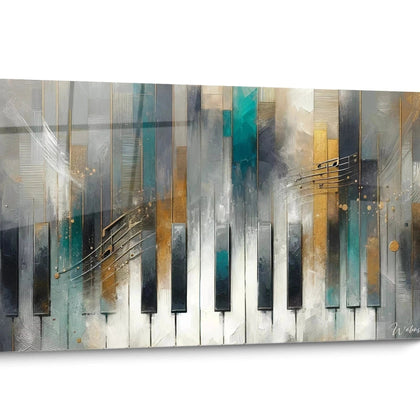 School Wall Art874
artworks
School Wall Art874
artworks
-
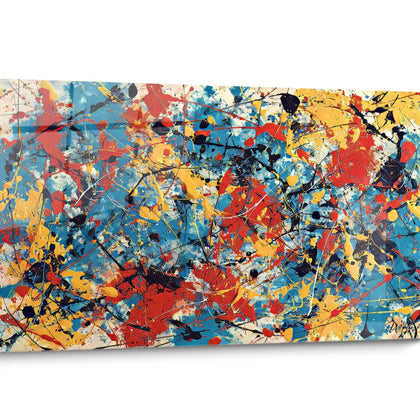 Abstract Wall Art for Schools24
artworks
Abstract Wall Art for Schools24
artworks
-
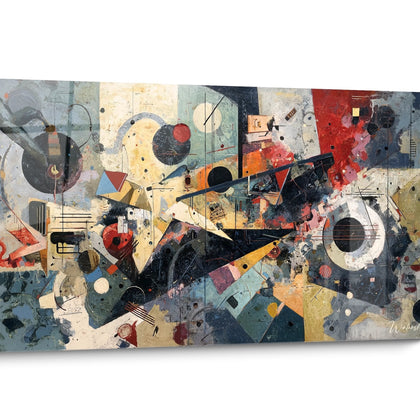 Geometric Educational Wall Art for Schools24
artworks
Geometric Educational Wall Art for Schools24
artworks
-
 Colorful School Wall Art24
artworks
Colorful School Wall Art24
artworks
-
 Wall Art for Children's School24
artworks
Wall Art for Children's School24
artworks
-
 Pop Art Wall Art for Schools6
artworks
Pop Art Wall Art for Schools6
artworks
-
 Futuristic School Wall Art10
artworks
Futuristic School Wall Art10
artworks
-
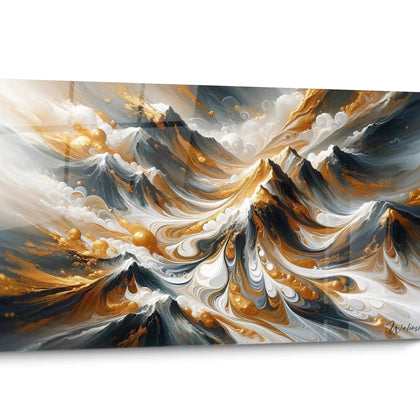 Golden School Wall Art14
artworks
Golden School Wall Art14
artworks
-
 Black and White School Wall Art11
artworks
Black and White School Wall Art11
artworks
-
 School Watercolor Art Canvas10
artworks
School Watercolor Art Canvas10
artworks
-
 School Wall Art Animals24
artworks
School Wall Art Animals24
artworks
-
 Wall Art for Music School12
artworks
Wall Art for Music School12
artworks
-
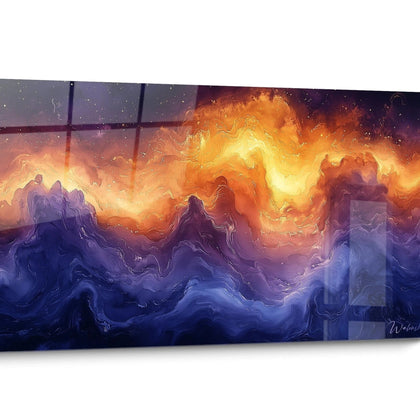 Expressionist School Wall Art8
artworks
Expressionist School Wall Art8
artworks
All about Painting School Wall Art
- Presentation Painting School Wall Art
- Artistic Educational Decor
- Visual Impact in Art Class
- Educational Wall Solutions
Transforming educational spaces with painting school wall art represents a strategic pedagogical approach to stimulate student creativity. These large-scale wall supports create a visual environment conducive to artistic learning, offering teachers a permanent tool to illustrate painting techniques and artistic movements. In art studios, these monumental decorative elements become daily visual references that nourish the imagination of young creators and facilitate the assimilation of fundamental aesthetic concepts.
Pedagogical integration of wall artworks in artistic education
In modern educational institutions, painting school wall art constitutes an essential teaching support that goes beyond simple decorative function. Art departments favor these monumental formats to create immersive rooms where every wall becomes a source of visual learning. These installations allow teachers to have permanent examples illustrating fundamental principles of composition, perspective, and chromatic use.
How to optimize visual learning with permanent wall references?
Specialized visual arts rooms require layouts that promote prolonged exposure to representative works. A large-scale painting school wall art installed facing student workstations generates continuous visual impregnation that strengthens memorization of painting techniques. Forward-thinking institutions select reproductions representing different artistic periods to document the evolution of styles and creative approaches.
Design strategies for school creative workshops
The spatial organization of art studios responds to specific constraints related to practical activities and student circulation. Educational managers strategically position these wall elements in reflection zones rather than active production spaces. This functional segmentation creates an environment where visual inspiration coexists with practical experimentation without generating excessive distraction during intensive creation phases.
XXL formats prove particularly suited to amphitheaters and large multipurpose halls where viewing distances require substantial dimensions. To further enrich the visual environment, some institutions complement their decor with abstract school wall art that stimulates personal interpretation and develops learners' analytical perspective toward non-figurative forms.
What selection criteria for maximum pedagogical impact?
Choosing painting school wall art responds to specific pedagogical objectives defined by teaching teams. Institutions favor reproductions that illustrate varied techniques and complex chromatic resolutions, thus offering a visual documentary base exploitable during artwork analysis sessions. The legibility of technical details constitutes a determining criterion to allow students to observe brushstrokes, impasto, and overlapping paint layers.
Creating stimulating atmospheres for learners' artistic awakening
The visual environment of spaces dedicated to artistic education directly influences student motivation and creative engagement. A carefully selected painting school wall art transforms an activity room into an inspiration laboratory where every glance at the walls reinforces connection with the artistic universe. Institution managers observe measurable improvement in participation during observation and stylistic analysis exercises.
The psychological impact of visually enriched environments
Educational neuroscience research demonstrates that regular exposure to elaborate pictorial compositions develops observation capacities and refines aesthetic sensitivity. In middle and high schools, installing monumental reproductions in specialized rooms creates a learning context that values artistic expression as a full academic discipline. This spatial recognition of painting practice reinforces the esteem students feel toward their own creations.
Adapting visual contents to artistic teaching programs
Pedagogical teams coordinate their wall acquisitions with annual teaching progression. Painting school wall art representing a specific historical period accompanies thematic sequences devoted to that era, creating didactic coherence between theoretical content and visual environment. This synchronization strengthens knowledge assimilation by simultaneously engaging multiple sensory channels.
Imposing formats also allow for complex representations integrating multiple planes and perspectives, essential for illustrating spatial construction principles. Teachers use these supports during collective demonstrations, pointing directly to significant areas to explain artists' compositional and technical choices.
Why prioritize large formats in collective learning spaces?
The monumental dimension of wall installations responds to constraints of rooms hosting large groups. Large-scale painting school wall art guarantees optimal visibility from all work stations, eliminating blind spots and allowing each learner to benefit from the same observation quality. This visual access equity constitutes a determining factor in collective learning dynamics where shared analysis enriches individual understanding.
Sustainable planning solutions for educational institutions
School directors seek planning solutions that combine visual impact and durability. Acquiring painting school wall art represents a strategic investment in educational infrastructure, comparable to specialized technical equipment. These installations withstand the constraints of intensive use in collective spaces while maintaining visual quality over several years of operation.
Resistance and durability in school environments
Art studios present specific challenges related to accidental material splashing, humidity variations, and intensive use. Professional formats intended for educational institutions integrate surface protections that preserve reproduction integrity despite exposure to these environmental constraints. This robustness prevents frequent replacements and ensures continuity of visual experience throughout the school years.
Thematic renewal and content rotation
Some institutions adopt a programmed rotation strategy for their wall installations to diversify visual references accessible to students. This dynamic approach allows successive illustration of different artistic movements throughout the pedagogical calendar. Painting school wall art representing impressionism can thus give way to an expressionist work when the term changes, offering documentary variety that enriches the annual learning journey.
XXL formats facilitate these rotations through adapted mounting systems allowing modifications without surface damage. This organizational flexibility particularly appeals to pedagogical coordinators wishing to maintain a stimulating and evolving visual environment.
What spatial configuration favors interaction with wall artworks?
The layout of visual arts rooms directly influences pedagogical use of wall supports. School architects now design spaces with dedicated observation zones facing locations intended for large reproductions. This spatial planning allows teachers to organize collective visual analysis sessions where the entire group positions itself comfortably to study compositional and technical details.
How to choose painting school wall art suited to different school levels?
Selection must consider the artistic maturity level of students. For middle school, favor reproductions with legible compositions clearly illustrating fundamental techniques. For high school, opt for more complex works stimulating in-depth analysis and personal interpretation of artistic choices.
What advantages do monumental formats present for collective artistic education?
Imposing dimensions guarantee homogeneous visibility in large rooms, allowing all students to simultaneously observe the same technical details. This observation simultaneity facilitates collective discussions and enriches pedagogical exchanges during artwork analysis sessions.
Can painting school wall art be integrated into non-specialized multipurpose spaces?
Absolutely. Multifunctional rooms also benefit from these installations that create atmospheres conducive to various creative activities. The universal character of pictorial representations adapts to varied uses while maintaining aesthetic coherence that values artistic expression within the institution.


