


Wall Art for Music School
Our collection Wall Art for Music School transforms educational spaces into places of artistic inspiration. Perfect for music classrooms and conservatories, this selection celebrates the musical universe through captivating visual compositions. Instruments, sheet music and musical symbols create an atmosphere conducive to learning. Ideal for motivating students and enriching educational musical wall decor, each artwork brings harmony and creativity.
 Clarinet Painting No.1 - Abstract Music Edition233,90 €
 Drums Wall Art No. 2 - Abstract Music Edition233,90 €
 Abstract musical composition painting - Geometric harmony - Abstract geometric edition232,90 €
 Musical Abstract Composition Wall Art - Harmony of Forms - Abstract Geometric Edition233,90 €
 Treble Clef Painting No. 1 - Abstract Music Edition233,90 €
 Clarinet Painting N°2 - Abstract Music Edition233,90 €
 Drums Painting No.1 - Abstract Music Edition233,90 €
 Sound Keys Canvas - Abstract Music Edition233,90 €
 Torn Chords Painting - Abstract Music Edition233,90 €
 Keys of Silence Wall Art - Abstract Music Edition233,90 €
 Rhythm of Colors Canvas - Abstract Music Edition233,90 €
 Clarity at the Horizon Wall Art - Abstract Expressionism Edition233,90 €
Explore further
In Wall Art for Music School
-
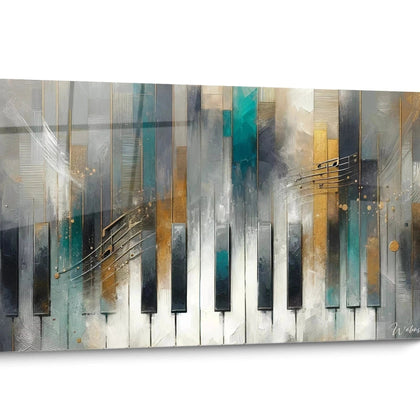 School Wall Art874
artworks
School Wall Art874
artworks
-
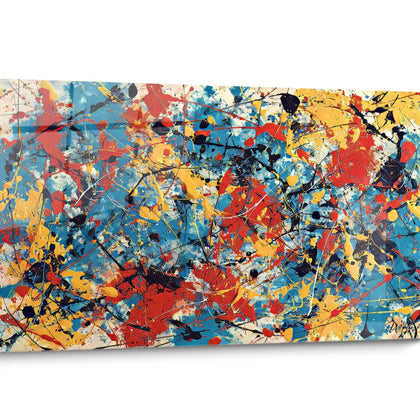 Abstract Wall Art for Schools24
artworks
Abstract Wall Art for Schools24
artworks
-
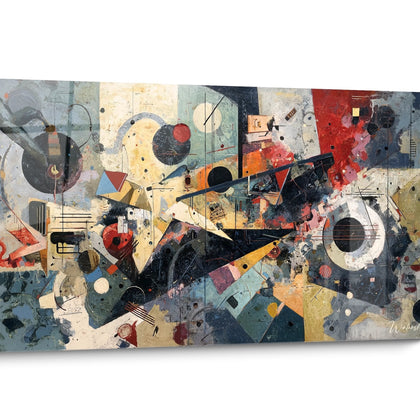 Geometric Educational Wall Art for Schools24
artworks
Geometric Educational Wall Art for Schools24
artworks
-
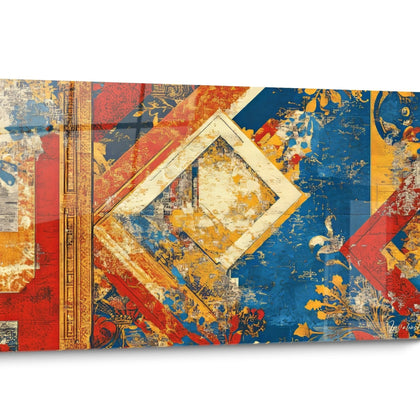 Colorful School Wall Art24
artworks
Colorful School Wall Art24
artworks
-
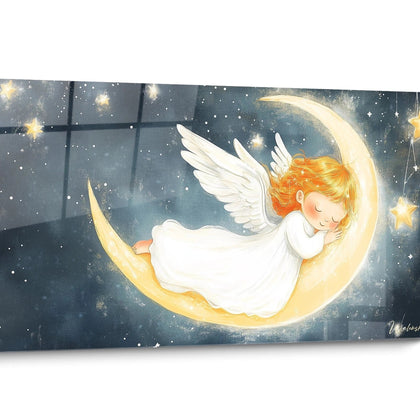 Wall Art for Children's School24
artworks
Wall Art for Children's School24
artworks
-
 Pop Art Wall Art for Schools6
artworks
Pop Art Wall Art for Schools6
artworks
-
 Futuristic School Wall Art10
artworks
Futuristic School Wall Art10
artworks
-
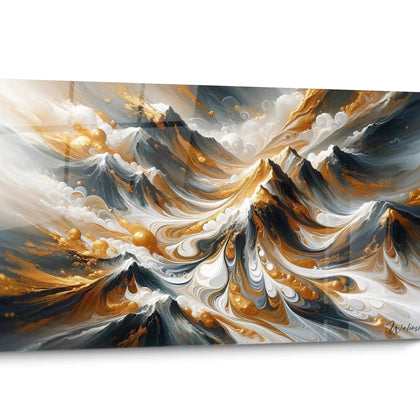 Golden School Wall Art14
artworks
Golden School Wall Art14
artworks
-
 Black and White School Wall Art11
artworks
Black and White School Wall Art11
artworks
-
 School Watercolor Art Canvas10
artworks
School Watercolor Art Canvas10
artworks
-
 School Wall Art Animals24
artworks
School Wall Art Animals24
artworks
-
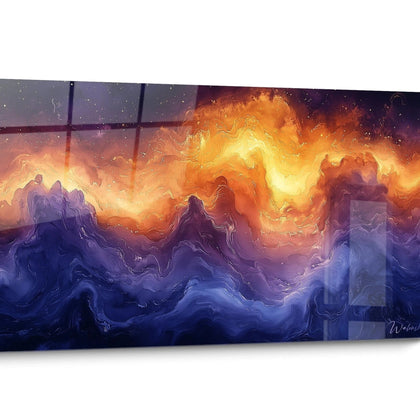 Expressionist School Wall Art8
artworks
Expressionist School Wall Art8
artworks
-
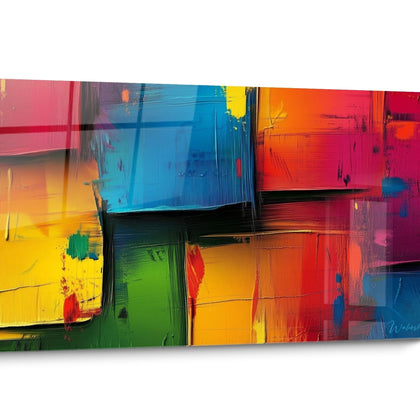 Painting School Wall Art13
artworks
Painting School Wall Art13
artworks
All about Wall Art for Music School
- Music School Wall Art Presentation
- School Musical Décor
- Musical Educational Ambiance
- Visual Acoustic Inspiration
A music school wall art instantly transforms classrooms, rehearsal studios and auditoriums into inspiring spaces where sonic creativity comes to life visually. These large-scale wall artworks create an atmosphere conducive to musical learning by establishing an immediate visual connection with the world of notes, rhythms and instruments. Unlike simple educational materials, these architectural decorations enhance the music discipline while stimulating students' imagination from the moment they enter the institution.
Architectural Enhancement of Music Education Spaces
The integration of a music school wall art in conservatories and specialized schools meets specific acoustic and aesthetic requirements. These monumental wall installations naturally capture attention in reception halls where parents and students meet daily, reinforcing the cultural identity of the establishment. The visual presence of instrumental representations or stylized musical scores immediately creates an emotional connection with the discipline being taught.
How to Choose Wall Décor Suited to Collective Practice Rooms?
Musical education spaces require decorative solutions that resist the constant vibrations generated by percussion and amplified instruments. A large-scale wall artwork visually absorbs the technical complexity of rooms equipped with music stands, amplifiers and recording systems. Motifs featuring oversized treble clefs, abstract sound waves or geometric instrumental silhouettes harmonize with the modern technological environment of contemporary studios.
Sensory Stimulation Through Monumental Musical Iconography
The use of visuals representing ancient instruments or universal musical symbols establishes a historical continuum between traditions and current practices. These educational wall decorations enable teachers to spontaneously illustrate theoretical concepts during group lessons, transforming walls into interactive educational supports. The imposing dimensions of the formats offered guarantee optimal visibility even from the back rows of school auditoriums.
Optimization of Waiting Areas and Musical Corridors
Circulation spaces between classrooms become inspiring galleries through the strategic installation of musical visual representations. A music school wall art placed in vocal warm-up or mental preparation zones positively influences student concentration before their practical exams. Institutions offering multiple artistic disciplines can create an abstract school decoration combining musical references and contemporary aesthetics to visually unify all creative departments.
This decorative approach reinforces the sense of belonging to an artistic community while clearly delineating areas dedicated to musical learning from other administrative or academic sectors of the institution.
Environmental Psychology Applied to Music Institutions
What Visual Influence on Young Musicians' Motivation?
Research in neuroscience confirms that the visual environment directly impacts the ability to memorize complex musical sequences. A music school wall art representing rhythmic patterns or visualized frequencies unconsciously stimulates brain areas associated with auditory processing. This sensory synergy facilitates the assimilation of abstract concepts such as reading musical scores or recognizing intervals during ear training exercises.
Institutions welcoming students of different levels notice an improvement in the general atmosphere when common spaces visually reflect the musical excellence being pursued. Parents investing in demanding musical training particularly appreciate environments where every architectural detail testifies to the institution's pedagogical seriousness.
Visual Differentiation of Instrumental Specialties
Large music schools often organize their facilities by instrumental families: strings, woodwinds, percussion, keyboards. Assigning specific thematic visual elements to each department reinforces spatial orientation while highlighting the diversity of taught practices. A monumental wall artwork dedicated to wind instruments in the corresponding corridor instantly creates a distinctive visual identity that students and visitors naturally remember.
Adaptation to Acoustic Constraints of Soundproofed Rooms
Recording studios and soundproofed rehearsal rooms often feature smooth, uniform wall surfaces optimized for sound management. The addition of large-format visual elements breaks the monotony of these technical spaces without compromising their acoustic performance. Graphic representations of sound waves or spectrograms create a conceptual bridge between physical sound realities and daily instrumental practices.
This scientific decorative approach is particularly suited to electronic music and audio production sections where frequency visualization is central to technical learning. Students thus develop a holistic understanding integrating auditory and visual dimensions of their art.
Institutional Enhancement During Open House Events
Recruitment events and admission auditions represent crucial moments when the physical environment influences the qualitative perception of the teaching offered. Professional wall installations immediately signal the institution's level of investment in its cultural infrastructure, reassuring families about the seriousness of their multi-year financial commitment to their children's musical education.
Design Strategies for Contemporary Music Institutions
Creating Coherent Multi-Space Visual Ecosystems
Modern institutions now integrate musical wall décor during the architectural design phase, viewing each available surface as an opportunity to reinforce identity. A music school wall art strategically placed in the main stairwell visually accompanies daily transitions between floors, transforming spatial movements into continuous immersive experiences. This visual continuity prevents the perceptual fragmentation that characterizes purely functional buildings.
Multipurpose areas hosting concerts, masterclasses and ceremonies particularly benefit from permanent monumental installations that eliminate the need for temporary decoration during public events. The constant presence of professional visual works establishes an atmosphere of prestige even outside official performances.
Why Favor Large Formats in School Auditoriums?
Performance halls integrated into music schools require decorative solutions proportioned to their imposing architectural volumes. A small wall visual disappears in these high-acoustic spaces, whereas a large-format installation establishes an architectural focal point that structures the public's visual experience. These elements visually compensate for the austerity of professional scenic equipment that is ubiquitous.
Integration with Scenic and Architectural Lighting
The illumination systems of music institutions offer unique opportunities to enhance wall installations. A decorative musical artwork positioned in the axis of ambient projectors benefits from natural lighting variations according to the time of day and scheduled activities. This visual dynamism prevents aesthetic stagnation while maximizing the initial decorative investment.
Institutions equipped with programmable LED systems can coordinate architectural lighting with educational events, creating distinct atmospheres for exams, rehearsals and public concerts without material modifications to the environment.
Durability in High-Traffic Environments
Music schools experience constant flows of students transporting bulky instruments and equipment in sometimes restricted spaces. Wall decorative solutions eliminate degradation risks associated with elements placed or suspended at accessible heights. This practical robustness guarantees the longevity of the aesthetic investment over decades of intensive use.
Is a Music School Wall Art Suitable for Small Individual Lesson Rooms?
Absolutely, adapted formats create visual focus that promotes concentration during private lessons while personalizing standardized spaces. The presence of a musical visual reference helps the student mentally immerse themselves in their practice even before touching their instrument.
How to Combine Musical Décor and Other Artistic Disciplines in a Multidisciplinary Institution?
Abstract visuals inspired by sound concepts like frequencies, rhythms or dynamics allow multiple interpretations that resonate with dance, theater and visual arts. This transversal approach visually unifies an artistic campus without hierarchizing the taught disciplines.
What Maintenance Should Be Planned for Wall Installations in High-Activity Musical Areas?
Contemporary materials naturally resist constant acoustic vibrations and require only standard periodic dusting. Unlike musical technical equipment, these decorative elements require no specialized maintenance or calibration, representing a one-time investment with no significant recurring costs.


