


School Wall Art Animals
School Wall Art Animals : transform your educational spaces with our wildlife-dedicated collection. These artistic creations combine pedagogy and aesthetics to stimulate young minds' learning. Perfect for educational wall decorations for children, they showcase diverse species with charm and precision. Ideal for nursery and primary classroom design, these works create an inspiring environment that fosters discovery of the animal world while beautifying daycare centers, libraries, and playrooms.
 Children's Drawing Painting N°1 - Children's Edition233,90 €
 Stylized Elephant Wall Art - Colorful Abstraction - Abstract Geometric Edition233,90 €
 Passionate Momentum Black Canvas - Minimalist Abstract Edition233,90 €
 Dragon Wall Art No. 2 - Kids Edition233,90 €
 Dragon Wall Art No. 1 - Children's Edition233,90 €
 Children's Wall Art No. 19 - Children's Edition233,90 €
 Children's Wall Art No.18 - Kids Edition233,90 €
 Children's Wall Art No.17 - Kids Edition233,90 €
 Children's Wall Art No. 16 - Children's Edition233,90 €
 Children's Wall Art No. 15 - Children's Edition233,90 €
 Children's Wall Art No.14 - Children's Edition233,90 €
 Children's Wall Art No.13 - Kids Edition233,90 €
 Children's Painting No.12 - Children's Edition233,90 €
 Children's Painting No.11 - Children's Edition233,90 €
 Kids Wall Art No. 10 - Kids Edition233,90 €
 Children's Tableau No. 1 - Children's Edition233,90 €
 Dinosaur Wall Art No. 3 - Kids Edition233,90 €
 Dinosaur Wall Art No. 2 - Kids Edition233,90 €
 Dinosaur Art Print No. 1 - Kids Edition233,90 €
 Child's art drawing N°2 - Children's Edition233,90 €
 Ribbon Dance Artwork - Surrealism Abstract Edition233,90 €
 Elegance Against the Light Painting - Sensual Abstract Edition233,90 €
 Emerald Flight Painting - Abstract Edition233,90 €
 Aerial Elegance Painting - Abstract Edition233,90 €
Explore further
In School Wall Art Animals
-
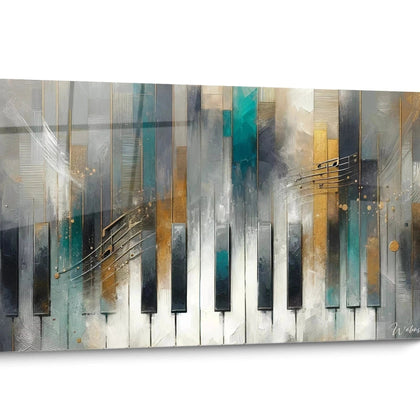 School Wall Art874
artworks
School Wall Art874
artworks
-
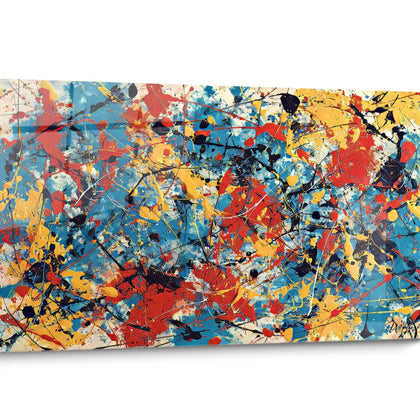 Abstract Wall Art for Schools24
artworks
Abstract Wall Art for Schools24
artworks
-
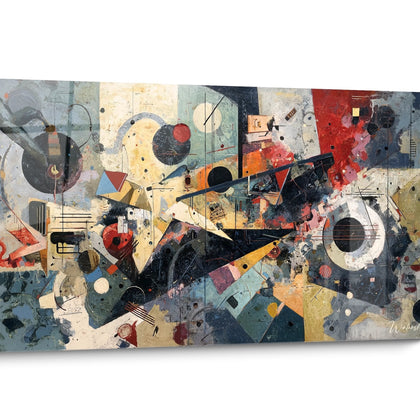 Geometric Educational Wall Art for Schools24
artworks
Geometric Educational Wall Art for Schools24
artworks
-
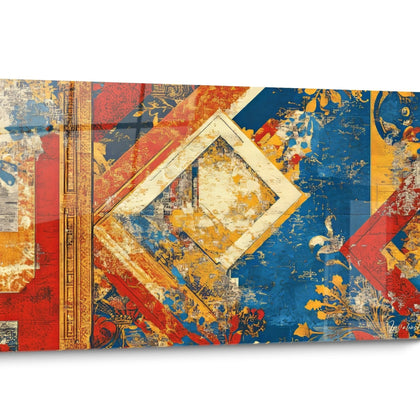 Colorful School Wall Art24
artworks
Colorful School Wall Art24
artworks
-
 Wall Art for Children's School24
artworks
Wall Art for Children's School24
artworks
-
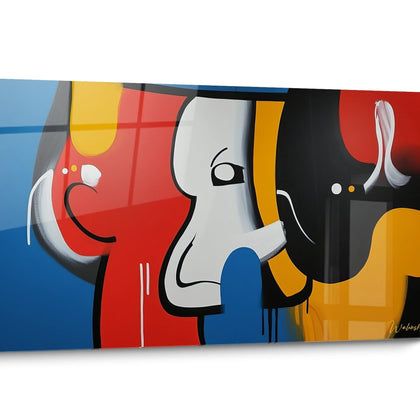 Pop Art Wall Art for Schools6
artworks
Pop Art Wall Art for Schools6
artworks
-
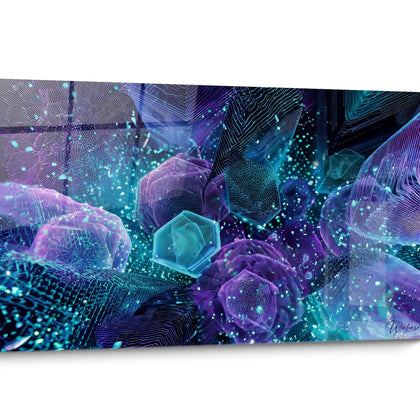 Futuristic School Wall Art10
artworks
Futuristic School Wall Art10
artworks
-
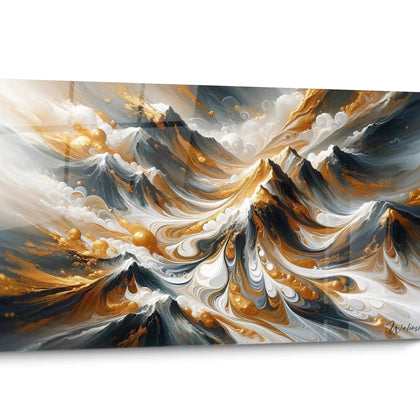 Golden School Wall Art14
artworks
Golden School Wall Art14
artworks
-
 Black and White School Wall Art11
artworks
Black and White School Wall Art11
artworks
-
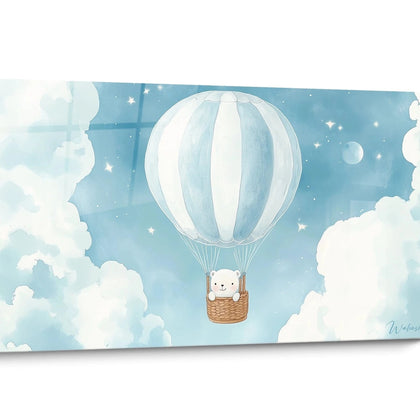 School Watercolor Art Canvas10
artworks
School Watercolor Art Canvas10
artworks
-
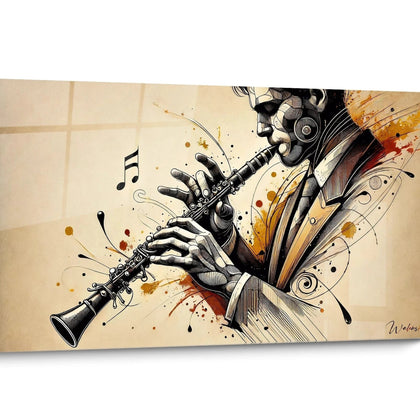 Wall Art for Music School12
artworks
Wall Art for Music School12
artworks
-
 Expressionist School Wall Art8
artworks
Expressionist School Wall Art8
artworks
-
 Painting School Wall Art13
artworks
Painting School Wall Art13
artworks
All about School Wall Art Animals
- School Animal Wall Art Presentation
- Animal Décor for Educational Spaces
- Educational Animal Mural Collection
- Graphic Fauna for Classroom Walls
Transform your educational spaces with a school animal wall art in generous dimensions that immediately captures students' attention. These impressive mural creations represent fauna in graphic forms adapted to school environments, promoting visual learning and awareness of biodiversity. Each animal representation becomes a daily pedagogical tool that stimulates children's natural curiosity about the animal kingdom. The generous formats ensure optimal visibility from every corner of the classroom, creating identifiable visual landmarks that structure the learning space. Installing animal wall décor in a school meets specific needs for thematic identification of activity zones while enriching students' zoological vocabulary through daily exposure.
Animal Wall Décor Adapted to Educational Needs
Integrating a school animal wall art in educational facilities dramatically transforms the spatial perception of classrooms. These fauna representations create thematic environments that facilitate pedagogical organization by distinct activity zones. Spaces dedicated to natural sciences particularly benefit from animal visuals that reinforce concepts taught on zoological classification.
Which fauna to represent according to school levels?
The selection of animal species must correspond to educational curricula. Primary cycles favor familiar mammals and farm animals that establish connections with children's everyday world. Upper levels appreciate representations of exotic or endangered species that support teaching on conservation and ecosystems. A wildlife school wall art illustrating African predators suits natural science classes, while enlarged insects serve biology courses excellently.
Coordination with annual pedagogical themes
Establishments adopting annual thematic educational projects find in these wall décors permanent visual allies. A year centered on oceans is ideally accompanied by representations of whales or tropical fish. Projects focused on local biodiversity gain coherence with visuals of regional species that students can observe in their immediate environment. This visual continuity reinforces the memory anchoring of transmitted knowledge.
How do these décors influence student attention?
Research in educational neuroscience demonstrates that animal representations naturally capture young learners' attention. A large-format educational animal wall art positioned in students' visual field reduces attention dispersion by creating a soothing focal point. Animals trigger positive emotional reactions that promote cognitive receptivity. For establishments seeking alternative visual approaches, an abstract school wall art can harmoniously complement the educational environment by stimulating spatial imagination.
Durability and resistance in intensive collective spaces
School environments impose specific resistance constraints. Surfaces must withstand frequent handling, humidity variations in poorly ventilated rooms, and accidental splashes. The impressive formats intended for schools require reinforced mounting systems capable of supporting several kilograms on sometimes aging walls. Easy maintenance becomes a priority in these contexts where maintenance budgets remain limited, favoring easily cleanable surfaces without color alteration.
Graphic Bestiary as Daily Pedagogical Tool
A school animal wall art goes beyond simple decorative function to become genuine integrated teaching support. Teachers exploit these permanent visuals as references during animal vocabulary lessons, comparative anatomy or natural habitat geography. This constant presence anchors knowledge through passive visual repetition, effectively complementing school textbooks.
Development of zoological vocabulary through visual exposure
Language learning is considerably enriched thanks to daily exposure to animal representations. Students naturally assimilate specific terms - fur, scales, fins, beak - by associating words with images present in their immediate environment. A mural presenting diverse species becomes a permanent visual dictionary that eliminates language barriers for non-native speaker students. Spontaneous discussions around these visuals develop oral skills in a less formal context than traditional exercises.
Why are large formats preferable in school contexts?
Generous dimensions meet the spatial constraints of classrooms accommodating 25 to 30 students. Visibility from back rows requires sufficiently impressive representations so anatomical details remain discernible. A large educational animal wall art also creates an immediate visual impact that psychologically marks the space as dedicated learning territory. Monumental formats justify budget investment by maximizing pedagogical effect over several school years.
Thematic identification of multiple activity zones
Multipurpose spaces hosting successive different activities benefit from clear visual zoning. The reading corner can be identified by forest birds, the science space by reptiles, the creative arts zone by multicolored butterflies. This visual segmentation helps young students intuitively understand expected behaviors according to zones. Animal representations function as universal visual codes transcending language barriers in multicultural establishments.
Stimulation of naturalistic curiosity in young learners
Early exposure to animal diversity awakens interest in natural sciences. Students spontaneously develop questions about lifestyles, evolutionary adaptations and ecosystem relationships. A school biodiversity wall art representing endangered species raises awareness of contemporary environmental challenges. These visuals transform abstract concepts into tangible realities that motivate personal research and classroom projects focused on conservation.
Fauna Mural for Specialized Educational Environments
Establishments developing specialized pedagogies find in school animal wall art tools adapted to their particular methodologies. Montessori approaches value visual contact with authentic nature, where genuine animal representations support sensory education. Specialized teaching classes use these visuals as reassuring anchor points for students requiring stable landmarks.
Adaptation to alternative and active pedagogies
Freinet schools that privilege direct observation and nature outings complement these experiences with permanent visual references in class. A mural presenting local fauna allows students to prepare field observations then consolidate discoveries upon return. Reggio Emilia pedagogies that consider the environment as a third teacher integrate these visual elements as essential components of enriched learning spaces.
How to select representations according to student age?
Kindergarten cycles require stylized and reassuring representations that avoid potentially disturbing anatomical details. Domestic animals and peaceful herbivores create a secure climate. Elementary cycles progressively accept more realistic representations including predators and impressive species. Middle schools appreciate scientifically accurate visuals that serve advanced biological teaching. This graduation accompanies the cognitive and emotional development of learners.
Integration in circulation spaces and common areas
School corridors, entrance halls and cafeterias also benefit from these animal décors. These transition spaces become natural galleries that extend the educational experience beyond the classroom. A monumental animal décor in the main hall affirms the establishment's pedagogical identity to visitors. Dining areas gain in conviviality with animal representations that create natural conversation topics among students.
Visual renewal according to evolving educational projects
Establishments modifying their annual themes appreciate the possibility of visual rotation. Hanging systems facilitating changes allow adapting the environment to new projects without major work. This flexibility maintains visual freshness and prevents habituation that decreases pedagogical impact. Investments in several complementary visuals amortize over multiple cycles by renewing student interest.
FAQ - Frequently asked questions about school animal wall art
Is school animal wall art suitable for all teaching levels?
Absolutely, provided the representation style and illustrated species are adapted to students' cognitive development. Kindergarten cycles prefer familiar animals with rounded forms, while upper levels appreciate detailed scientific representations of exotic or prehistoric species that enrich specialized courses.
How do these wall visuals withstand intensive use in collective spaces?
Formats designed for educational environments integrate surface protections that resist rubbing, splashes and humidity variations typical of classrooms. Reinforced mounting systems ensure safety even in spaces hosting dynamic young children. Maintenance is limited to regular dusting without harsh products.
Can school animal wall art be coordinated with other pedagogical visual elements?
This coordination strengthens the pedagogical coherence of the environment. Animal representations associate harmoniously with geographical maps showing natural habitats, evolutionary timelines or anatomical diagrams. The essential factor is maintaining visual clarity that avoids sensory overload counterproductive in learning spaces.


