









Collection · 608
artworks
Africa Wall Art
by
Welcome to our captivating collection of artwork inspired by Africa. Whether you're looking for a wall painting to add a touch of African elegance to your living room or vibrant artwork to invigorate your office, you'll discover unique and fascinating artworks here. Each piece in our collection is carefully selected for its quality and authenticity, ensuring that every piece is a genuine work of art. Dive into our collection and let yourself be seduced by the beauty and richness of African art.
 Baobab Painting Portal to the Golden Star - African Landscape Edition273,90 €
 Elephant Painting Zambeze River Reflections - African Landscape Edition273,90 €
 Elephant Painting Legends of Forgotten Kingdoms - African Landscape Edition273,90 €
 Acacia Painting Silhouettes in the Blaze - African Landscape Edition273,90 €
 Village Painting Savanna Reflections - African Landscape Edition273,90 €
 Walensky Boats River Painting Contemporary African Landscape273,90 €
 Walking Elephants at Dawn Orange Painting - African Landscape Edition273,90 €
 Dancing Tree Painting Under the Golden Moon - African Landscape Edition273,90 €
 Giant Savanna Painting with Amber Branches - African landscape edition273,90 €
 Tree Wall Art Guardian of the Village - African Landscape Edition273,90 €
 Acacia Wall Art Witness of Golden Centuries - African Landscape Edition273,90 €
 Giraffe Wall Art Messenger of Hot Winds - African Landscape Edition273,90 €
 Acacia Red Lands Guardian Painting - African Landscape Edition273,90 €
 Trees Steppe Crowns Painting - African Landscape Edition273,90 €
 Baobab Guardian of Kalahari Secrets Painting - African Landscape Edition273,90 €
 Acacia Baobab Sunlight Painting - African Landscape Edition273,90 €
 Elephant Memory of the Savanna Painting - African Landscape Edition273,90 €
 Elephant Painting Prismatic Sky - African Landscape Edition273,90 €
 Village Red Earth Roofs Painting - African Landscape Edition273,90 €
 Village Clay Lands Under the Golden Star Painting - African Landscape Edition273,90 €
 River Mirror of the Eternal Mountain Painting - African Landscape Edition273,90 €
 Elephant Bearer of Sahel Legends Painting - African Landscape Edition273,90 €
 Acacia Sentinel of the Golden Bush Painting - African Landscape Edition228,90 €
 Acacia Tree Roots of the Red Continent Painting - African Landscape Edition228,90 €
Explore further
In Africa Wall Art
-
 Africa Portrait Wall Art24
artworks
Africa Portrait Wall Art24
artworks
-
 Golden Africa Wall Art24
artworks
Golden Africa Wall Art24
artworks
-
 Abstract Africa Wall Art24
artworks
Abstract Africa Wall Art24
artworks
-
 Africa Landscape Wall Art24
artworks
Africa Landscape Wall Art24
artworks
-
 Africa Orange Wall Art24
artworks
Africa Orange Wall Art24
artworks
-
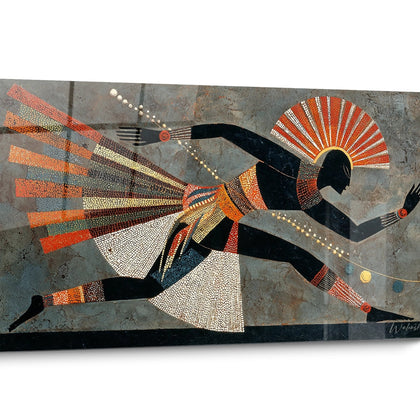 African Dance Wall Art24
artworks
African Dance Wall Art24
artworks
-
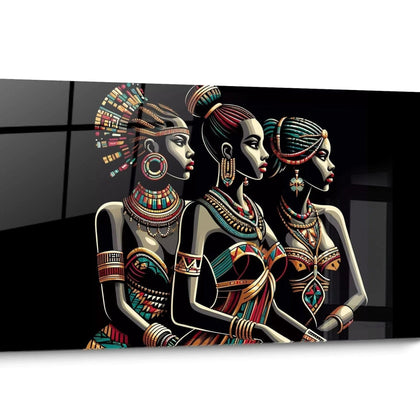 African Tribal Wall Art24
artworks
African Tribal Wall Art24
artworks
-
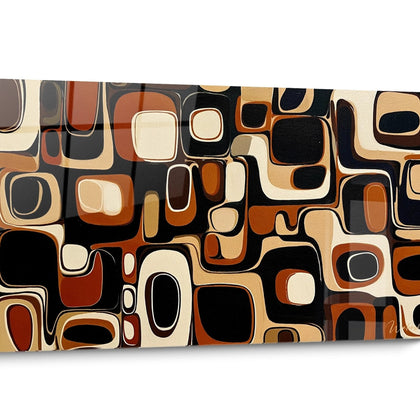 Geometric Africa Wall Art19
artworks
Geometric Africa Wall Art19
artworks
-
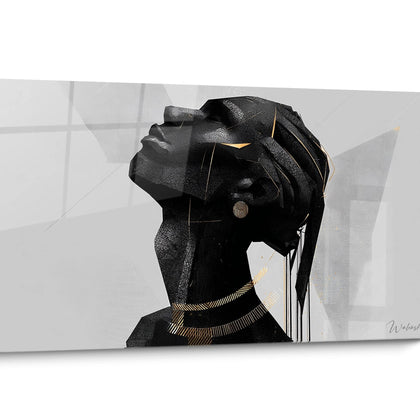 Black and White Africa Wall Art15
artworks
Black and White Africa Wall Art15
artworks
-
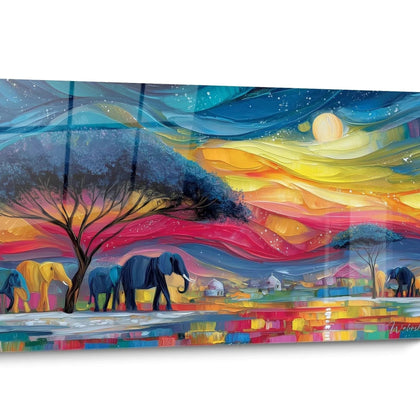 Africa Elephant Wall Art24
artworks
Africa Elephant Wall Art24
artworks
-
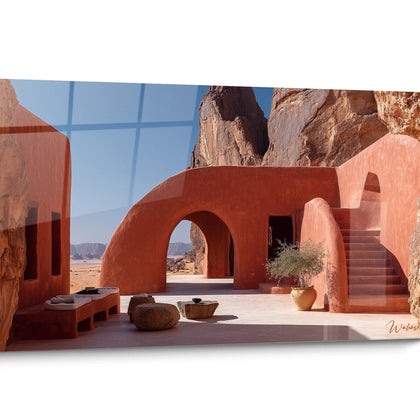 Africa Architecture Wall Art5
artworks
Africa Architecture Wall Art5
artworks
Other families
Explore our other worlds
-
 Best Sellers180
artworks
Best Sellers180
artworks
-
 🔥 The Originals 🔥573
artworks
🔥 The Originals 🔥573
artworks
-
 Abstract4182
artworks
Abstract4182
artworks
-
 Love154
artworks
Love154
artworks
-
 Animals10974
artworks
Animals10974
artworks
-
 Famous Artists ( inspirations )265
artworks
Famous Artists ( inspirations )265
artworks
-
 Asia378
artworks
Asia378
artworks
-
 Around the World1065
artworks
Around the World1065
artworks
-
 Kitchen1805
artworks
Kitchen1805
artworks
-
 Culture222
artworks
Culture222
artworks
-
 Children54
artworks
Children54
artworks
-
 Space514
artworks
Space514
artworks
-
 Celebrations & Seasons670
artworks
Celebrations & Seasons670
artworks
-
 Finance38
artworks
Finance38
artworks
-
 History123
artworks
History123
artworks
-
 Professions235
artworks
Professions235
artworks
-
 Fashion696
artworks
Fashion696
artworks
-
 Artistic Movements793
artworks
Artistic Movements793
artworks
-
 Music653
artworks
Music653
artworks
-
 Myth and Legends332
artworks
Myth and Legends332
artworks
-
 Nature5000
artworks
Nature5000
artworks
-
 Black and white445
artworks
Black and white445
artworks
-
 Landscapes1530
artworks
Landscapes1530
artworks
-
 Retro298
artworks
Retro298
artworks
-
 Science and Mathematics122
artworks
Science and Mathematics122
artworks
-
 Sports & Leisure2470
artworks
Sports & Leisure2470
artworks
-
 Street Art167
artworks
Street Art167
artworks
-
 Primordial Lands150
artworks
Primordial Lands150
artworks
-
 Transport15
artworks
Transport15
artworks
-
 Zen2161
artworks
Zen2161
artworks
-
 Browse all our wall art25001
artworks
Browse all our wall art25001
artworks
-
 Places150
artworks
Places150
artworks
-
 Professionnels101
artworks
Professionnels101
artworks


All about Africa Wall Art
- African Painting Presentation
- African Painting Symbolism
- Ancestral Materials African Painting
- Decorative Integration African Painting
African Painting: Authentic and Expressive Art for Your Interior
The african painting represents far more than simple wall decoration. A genuine gateway to ancestral cultures of the African continent, these artworks transmit age-old narratives through unique symbols, colors and textures. Unlike conventional Western artworks, the african painting distinguishes itself through its spiritual dimension, connection to oral traditions and ability to radically transform a living space.
The african wall art is characterized notably by the use of natural pigments extracted from ochre soils, red clays and minerals found nowhere else. Authentic creations often incorporate materials harvested according to precise rituals, conferring upon each work a particular energy recognized by discerning collectors.
Contemporary african paintings skillfully combine ancestral techniques with modern expression, creating a bridge between centuries-old traditions and contemporary sensibilities. Their imposing presence instantaneously transforms the atmosphere of a space, bringing warmth, cultural depth and conversation.
When you select an african painting for your interior, you acquire not merely a decorative element, but a piece charged with history, bearing protective symbols and positive energies according to traditional beliefs. The orientation of motifs, arrangement of figures and color composition follow precise codes transmitted generation to generation.
In the sections following, we will explore in detail the different facets that render the african painting unique: its rich tribal symbolism, its authentic ancestral materials, and optimal integration methods in your living space. Discover how these exceptional works can transform your interior while connecting you to the millennia-old cultures of the African continent.
Symbolism and Meaning of Motifs in an African Painting
The african painting fundamentally distinguishes itself from other wall art creations through its profound symbolic dimension, rooted in millennia-old traditions and complex belief systems. Unlike Western decorative works often created solely for aesthetic appeal, each motif in an authentic african painting tells a story and fulfills a precise spiritual function.
What are the typical protective symbols of a traditional african painting?
The african paintings frequently integrate ancestral protective symbols which, according to traditional beliefs, bring protection and harmony to living spaces. The Adinkra motif "Sankofa" depicting a bird turning back symbolizes the importance of knowing one's past to build one's future. The Nsibidi spiral symbol is reputed to repel negative energies while stylized baobab representations evoke anchoring and longevity. These symbols are never chosen randomly but selected according to the specific needs of the location or person welcoming the work.
The precise arrangement of these protective symbols follows complex rules taught only to initiated artists. An authentic african painting placed facing a home's main entrance will reinforce household protection, while a work positioned in a rest space will favor energetic regeneration of its occupants. This functional dimension radically distinguishes the african painting from simple Western decorative elements.
How to decipher the visual language of colors in an african painting?
The colors of an african painting follow a precise chromatic code transmitted across generations and vary considerably according to regions and ethnic origins. Red ochre, obtained from ferrous clays, traditionally symbolizes vital blood and strength, particularly present in Sahel paintings. Indigo hues, derived from the indigoferous plant cultivated according to ancestral methods, represent spirituality and connection to the beyond in West African art.
Golden yellow, extracted from specific roots, evokes prosperity and abundance, while black, often obtained through carbonization of precise organic materials, symbolizes ancestors and wisdom. An african painting harmoniously integrating these four cardinal colors is considered particularly powerful energetically, capable of balancing the vital forces of a living space.
These natural pigments are prepared according to precise rituals varying with lunar cycles, amplifying their symbolic power. Discerning collectors specifically seek african paintings using these authentic pigments, recognizable by their particular luminosity and evolving patina that enriches the work over time.
Initiatory narratives encoded in african painting compositions
Each traditional african painting encodes initiatory narratives intended to transmit ancestral knowledge and wisdom. Horizontal frieze compositions often recount life journeys or fundamental agricultural cycles for communities. Concentric circle structures, typical of Central African paintings, illustrate different stages of an individual's spiritual transformation.
Contemporary african paintings perpetuate this narrative tradition while adapting it to modern realities. A trained eye will identify subtle references to migratory journeys, societal transformations or current environmental challenges, always encoded according to traditional symbolic principles. This ability to interweave past and present in coherent visual language makes the african painting particularly vivid and evolving work.
The orientation of figures in an african painting is never random but follows precise directional principles: figures turned right to evoke the future, left to honor the past, and frontal to anchor the present. This complex visual grammar transforms each african painting into authentic text to decipher, offering multiple reading levels according to the viewer's degree of initiation.
Sacred geometric forms and their energetic influence
The african paintings systematically incorporate geometric forms considered sacred, whose precise arrangement would influence energies circulating through the space. The equilateral triangle, omnipresent in East African creations, is traditionally associated with the balance of three vital forces: physical, mental and spiritual. Nested diamonds, characteristic of Kuba paintings, represent the interconnection of generations and knowledge transmission.
An authentic african painting scrupulously respects sacred proportions calculated according to mathematical principles transmitted orally for centuries. These proportions, based on astronomical observations and natural cycles, would create harmonious vibrational fields in spaces where the work is installed. Experienced collectors frequently report an immediate sense of peace in rooms adorned with african paintings respecting these geometric codes.
The dynamic lines present in an african painting are never placed randomly but follow precise energetic trajectories, creating visual pathways that would activate certain energy centers in the observer. This unique psycho-energetic dimension fundamentally distinguishes the african painting from other contemporary wall art types.
Seasonal evolution of perception of an african painting
A little-known but fascinating aspect of authentic african painting lies in its design for evolving perception across seasons. The natural pigments and organic materials used subtly react to humidity and luminosity variations, progressively revealing different layers of motifs and symbols throughout the year.
During humid months, ferrous ochres gain intensity, bringing out symbols related to fertility and abundance. In dry periods, plant components contract slightly, accentuating structural geometric motifs. This natural respiration of the african painting creates a living work that evolves in symbiosis with its environment, offering constantly renewed visual experience unlike static Western reproductions.
Guardians of this artistic tradition recommend carefully observing your african painting at solstices and equinoxes, moments when certain symbolic alignments become particularly visible, revealing specific seasonal messages. This cyclical temporal dimension makes the african painting a veritable perpetual visual calendar, a tool for connection to natural rhythms often lost in our contemporary societies.
Ancestral Materials and Creation Techniques of an African Painting
The authentic african painting fundamentally distinguishes itself from other wall artworks through its unique materials and ancestral manufacturing techniques preserved across generations. These material aspects are not merely aesthetic but carry meaning and energy according to African traditions.
Beaten barks and their ritual preparation
One distinctive characteristic of traditional african painting lies in the use of beaten bark as support, particularly Ficus natalensis bark in Central and Eastern Africa. The harvesting of these barks follows a precise lunar calendar and is accompanied by propitiatory rituals ensuring the tree continues to thrive. Unlike industrial supports, beaten bark retains a plant cellular memory that, according to traditional beliefs, allows the painting to "breathe" and interact with its environment.
The transformation process involves specific rhythmic beating with mallets sculpted with symbolic motifs, transmitting particular vibrations to the material. This beating, performed by initiated artisans, may last several days according to a precise sequence corresponding to ceremonial rhythms. This ritual preparation radically distinguishes the support of an authentic african painting from ordinary canvases, conferring upon the work a perceptible vibrational dimension for sensitive collectors.
Supports thus created present unique texture with natural micro-reliefs that interact with pigments organically, creating depth effects impossible to reproduce on uniform industrial surfaces. These material interactions evolve over years, giving each african painting a living patina enriching over time, unlike works on synthetic supports that degrade.
How to recognize authentic telluric pigments in an african painting?
The authentic african paintings use exclusively telluric and plant pigments harvested according to precise protocols. Sahel red ochre, extracted only during dry season, contains unique concentrations of ferric oxides with measurable electromagnetic properties. Kaolin white, harvested near sacred water points, is purified through successive decantations during complete lunar cycles before use.
True indigo, produced through controlled fermentation of indigoferous leaves according to millennia-old methods, possesses unmatched depth and luminosity. Carbon blacks, obtained through controlled carbonization of specific woods in reduced atmosphere, create distinctive light absorption. These pigments are ground manually on basalt stones to maintain their crystalline structure intact, thus preserving their energetic properties according to traditions.
The binders used for these pigments derive exclusively from acacia resins harvested in precise periods, fermented plant gums, or oils extracted from wild seeds according to ancestral methods. This entirely natural composition allows the african painting to develop unique interaction with ambient humidity and natural light, creating depth effects changing according to environmental conditions and viewing angle.
The ceremonial creation tools unique to african paintings
The creation of a traditional african painting involves the use of specific tools charged with meaning and often consecrated during initiatory ceremonies. Brushes are fashioned from precise plant fibers or animal hair chosen for their symbolic properties: lion mane for works evoking power, civet hair for paintings linked to nocturnal mysteries, baobab fibers for cosmogonic representations.
Application spatulas, generally carved from hard woods like ebony or iroko, bear motifs identifying the artistic lineage of their holder. These tools are regularly purified according to specific rituals and may only be used under certain conditions (lunar phases, times of day) depending on the type of african painting created.
A fascinating aspect concerns "vision stones" - polished natural crystals that the artist strategically places in their visual field during creation to maintain connection with the spiritual world. These elements, invisible in the final work but essential to its creation process, impregnate according to traditional beliefs the african painting with a visionary dimension absent from works produced through conventional methods.
Geomagnetic drying and solar activation of works
Unlike conventional paintings dried uniformly, authentic african paintings undergo specific geomagnetic drying process. The work is precisely oriented according to cardinal points, with inclination calculated based on the creation location's latitude. This orientation would allow magnetic pigments (notably those containing iron oxides) to align according to Earth's magnetic field, reinforcing certain motifs and their symbolic power.
Solar activation constitutes a crucial step: the newly created african painting is exposed to first sunrays on specific calendar days, generally linked to solstices or equinoxes. This exposure, accompanied by specific vibrational chants, would "fix" energies in the work according to a natural photochemical process. Experienced collectors report that african paintings having undergone this activation present distinctive internal luminosity, particularly visible at dawn and dusk.
This finalization method, transmitted solely orally within traditional artistic lineages, creates an energetic signature specific to each African region, allowing connoisseurs to identify the precise origin of an authentic african painting simply by sensing its specific radiance when standing near it.
Ancestral biomimicry in the textures of works
A fascinating characteristic of traditional african painting lies in the deliberate incorporation of ancestral biomimetic principles. Artists consciously reproduce certain natural structures with beneficial biological properties: fractal patterns inspired by termite mounds naturally regulating temperature and humidity, micro-textures reminiscent of certain reptile scales capable of self-cleaning through lotus effect, or crystalline arrangements similar to air-purifying minerals.
These biomimetic textures are not merely decorative but functional: an authentic african painting contributes to hygrometric balance of the room where it is installed, absorbing excess humidity or releasing it according to needs. Certain compositions include materials with natural antibacterial properties such as acacia bark powders or purified resins, subtly improving surrounding air quality.
Laboratory tests confirm that certain traditional african paintings emit beneficial volatile organic compounds in infinitesimal but measurable quantities, notably terpenes with calming properties similar to those observed in forest bathing. This invisible functional dimension, inherited from millennia-old understanding of interactions between natural materials and human well-being, may represent the most precious and overlooked aspect of authentic african painting.
Harmonious Integration of African Painting in Contemporary Space
The african painting does not merely serve as simple decoration; it profoundly transforms the energy and dynamics of a contemporary space. Its integration requires a specific approach respecting its unique characteristics while maximizing its transformational impact on your interior.
Optimized geo-energetic positioning of an african painting
Unlike conventional wall artworks that can be placed arbitrarily, the authentic african painting requires precise positioning to fully unleash its energetic potential. According to African traditions, these works function as veritable "energy regulators" and must be oriented according to specific principles. A painting containing protective symbols will ideally be placed facing the main entrance, at a height corresponding exactly to the primary resident's eye level.
African paintings representing abundance or prosperity scenes should ideally be installed in the southeast sector of a room, consistent with pan-African energetic principles associating this orientation with attracting positive resources. For professional spaces, an african painting with ancestral wisdom motifs placed in the north sector will reinforce natural authority and decision-making clarity.
Often-overlooked aspect concerns optimal spacing between multiple african paintings in the same space. To avoid energetic interference, maintain minimum spacing of 108 cm between each major work - this precise measurement corresponding to a sacred module found in many African architectural traditions. This calculated arrangement creates a harmonious energetic circuit impossible to achieve with other wall art types.
How to harmonize african painting dimensions with a room's acoustics?
African paintings, particularly those integrating materials like beaten bark or natural fibers, possess exceptional acoustic properties often ignored in Western decorative considerations. A large african painting (120 cm minimum) correctly positioned can significantly attenuate sound reverberation in a room with hard surfaces, naturally creating a more muted ambiance conducive to intimate conversations.
Acoustic tests demonstrate that an authentic african painting with mineral pigments preferentially absorbs medium-high frequencies (2000-4000 Hz), precisely those generating auditory fatigue and stress in our contemporary environments. This characteristic makes it ideal to complement high-fidelity audio systems, naturally improving listening experience without resorting to industrial acoustic treatments.
To optimize this beneficial effect, choose an african painting whose width ideally represents 1/8 of your main room's circumference, thus creating dimensional harmonization that subtly amplifies the work's acoustic qualities. This proportion, found in numerous African ceremonial houses, establishes a harmonic relationship between the work and its environment impossible to intuitively calculate.
Chromatic dialogue between the african painting and surrounding wood essences
The african painting establishes complex chromatic interactions with wood essences present in your interior. Unlike Western works merely "matching" existing tones, authentic african painting creates dynamic visual harmonics based on ancestral complementary principles.
Ochre and earth pigments present in numerous african paintings resonate particularly powerfully with open-grain woods like oak or ash, mutually amplifying their tactile and visual qualities. For exotic woods like rosewood or mahogany, favor african paintings with deep indigo pigments or violet-hued earth tones that will create striking visual balance based on complementary contrasts.
A fascinating but overlooked phenomenon concerns parallel patina evolution: an african painting with natural pigments and solid wood furniture will age in harmony, their tones evolving synchronously over years, creating organic visual cohesion impossible to achieve with works on synthetic supports. This "coordinated chromatic maturation" represents one of the most valuable aspects of investing in an authentic african painting.
Influence of an african painting on sleep cycles and regeneration
Recent neuro-aesthetic studies suggest that rhythmic and fractal patterns present in numerous african paintings exert measurable influence on brain waves. Installed in a bedroom, an african painting with concentric or regular spiral motifs would facilitate sleep onset and deep sleep quality by naturally inducing alpha and theta brain waves conducive to relaxation.
To maximize this beneficial effect, position your african painting in peripheral vision from your rest position, ideally at a distance of 2.7 to 3 meters. This precise distance allows your visual system to subtly perceive patterns without conscious effort, activating neurological pathways associated with deep relaxation according to traditional African preventive medicine principles.
African paintings with dominant ochre-red tones are particularly recommended for regeneration spaces, their natural ferrous pigments subtly interacting with Earth's magnetic field and potentially with melatonin levels according to certain preliminary chronobiology research. This discreet therapeutic dimension represents considerable advantage over conventional decorative works lacking such beneficial effects.
Seasonal configurations and strategic rotation of works
A traditional practice unknown in the West but essential in African traditions concerns seasonal rotation of paintings. Unlike static decorative works, african paintings were traditionally moved and reoriented according to natural cycles to maintain their energetic power and contextual relevance.
To respect this tradition in a contemporary context, consider moving your african painting four times yearly, at solstices and equinoxes. A painting with abundance and fertility motifs will ideally be oriented east during spring, then south in summer, west in autumn and north in winter, following solar trajectory and pan-African cosmological principles.
This seasonal rotation practice not only preserves natural pigments by avoiding prolonged direct light exposure, but also activates different symbolic "layers" of the work according to dominant energies of each season. Experienced collectors report that an african painting regularly repositioned according to these principles maintains its "energetic vivacity" for decades, unlike static works that seem to lose impact over time.
FAQ: African Painting
What is the difference between an authentic african painting and a commercial reproduction?
An authentic african painting distinguishes itself through the use of natural pigments of mineral and plant origin, applied on organic supports like beaten bark or naturally prepared fibers according to traditional methods. These works possess a living patina that harmoniously evolves over time and reacts to environmental variations. Commercial reproductions, conversely, use synthetic inks on industrial supports, producing uniform and static appearance developing no noble patina with age.
How to properly maintain an african painting to preserve its energetic qualities?
Maintenance of an authentic african painting requires specific attention to preserve its energetic and material properties. Avoid any cleaning with chemical products that would disturb natural pigment properties. Favor gentle dusting with natural bird feather (ideally parrot or turaco) according to tradition, or failing that a very soft brush with natural hair. Periodically expose your painting to fresh air without direct sun for a few hours during seasonal changes to "reactivate" its natural absorbing properties and allow organic materials to "breathe".
Can an african painting positively influence the atmosphere of a professional space?
Absolutely. The african paintings with ordered geometric motifs and earth colors like ochre, brown and deep black are particularly suited to professional spaces. Their presence would favor, according to traditions, concentration, balanced decision-making and harmonious communication. For an office or meeting room, favor an african painting representing collective wisdom symbols or concentric motifs evoking idea convergence. Position the work on the north or east wall of the space to maximize its positive influence on professional dynamics and collaborative creativity.


