


Africa Landscape Wall Art
The Painting Africa Landscape captures the majestic essence of the African continent through striking visual compositions. This collection celebrates the authentic African savanna with its endless panoramas, vibrant sunsets, and iconic wildlife. Each creation evokes the soul of Africa, transforming your walls into windows open onto spectacular African horizons. Perfect for bringing warmth and character to your interior decoration.
 Tree Meeting of Turquoise and Amber Painting - African Landscape Edition273,90 €
 Tree Sculpted by Desert Storms - African Landscape Edition273,90 €
 Generational Memory Tree Wall Art - African Landscape Edition273,90 €
 Acacia Aureolate with Ardent Copper - African Landscape Edition273,90 €
 Acacia Roots of Time - African Landscape Edition273,90 €
 Trees Rift Roots Painting - African Landscape Edition273,90 €
 Tree Roots of the Mother Continent Painting - African Landscape Edition273,90 €
 Acacia Secret Oasis Painting - African Landscape Edition273,90 €
 Acacia Master of Saffron Horizons Painting - African Landscape Edition273,90 €
 Acacia Painting Silhouettes in the Blaze - African Landscape Edition273,90 €
 Dancing Tree Painting Under the Golden Moon - African Landscape Edition273,90 €
 Tree Wall Art Guardian of the Village - African Landscape Edition273,90 €
 Acacia Wall Art Witness of Golden Centuries - African Landscape Edition273,90 €
 Acacia Red Lands Guardian Painting - African Landscape Edition273,90 €
 Trees Steppe Crowns Painting - African Landscape Edition273,90 €
 Acacia Baobab Sunlight Painting - African Landscape Edition273,90 €
 Acacia Sentinel of the Golden Bush Painting - African Landscape Edition228,90 €
 Acacia Tree Roots of the Red Continent Painting - African Landscape Edition228,90 €
 Acacia Bridge between Earth and Clouds Painting - African Landscape Edition228,90 €
 Umbrella Trees of the Red Earth Painting - African Landscape Edition228,90 €
 Ancestral Baobab Tree Painting - African Landscape Edition228,90 €
 Solitary Baobab Tree Painting under Stormy Sky - African Landscape Edition228,90 €
 Tree Roots of Wisdom Painting - African Landscape Edition228,90 €
 Tree Artwork Song of Forms - africa edition273,90 €
Explore further
In Africa Landscape Wall Art
-
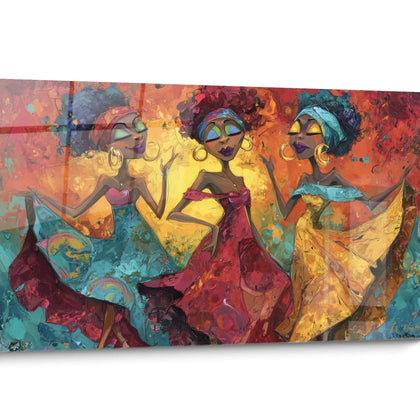 Africa Wall Art608
artworks
Africa Wall Art608
artworks
-
 Africa Portrait Wall Art24
artworks
Africa Portrait Wall Art24
artworks
-
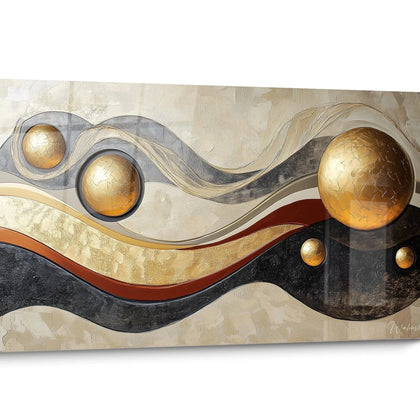 Golden Africa Wall Art24
artworks
Golden Africa Wall Art24
artworks
-
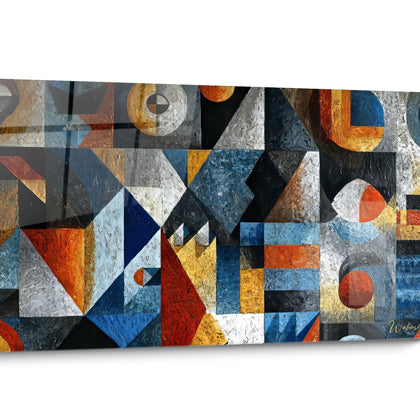 Abstract Africa Wall Art24
artworks
Abstract Africa Wall Art24
artworks
-
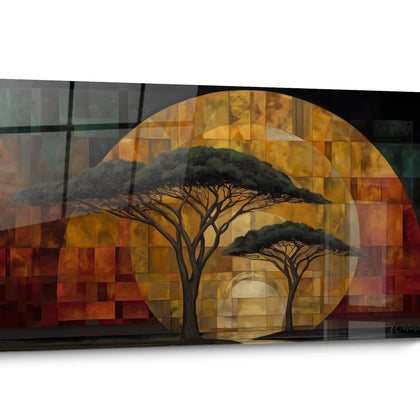 Africa Orange Wall Art24
artworks
Africa Orange Wall Art24
artworks
-
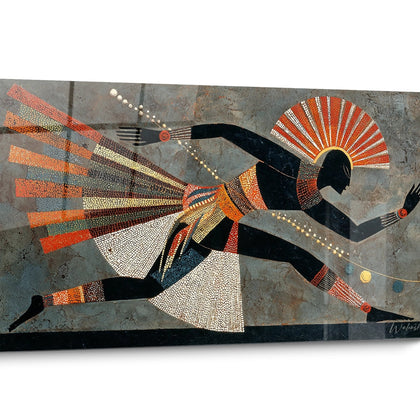 African Dance Wall Art24
artworks
African Dance Wall Art24
artworks
-
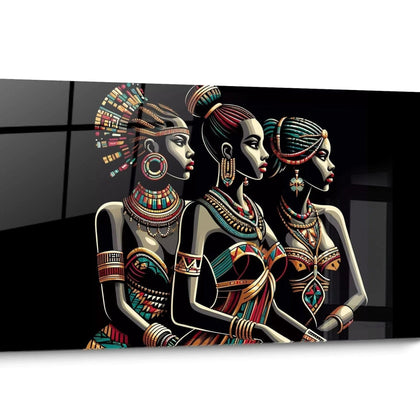 African Tribal Wall Art24
artworks
African Tribal Wall Art24
artworks
-
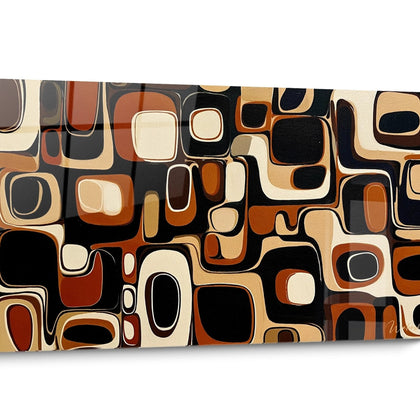 Geometric Africa Wall Art19
artworks
Geometric Africa Wall Art19
artworks
-
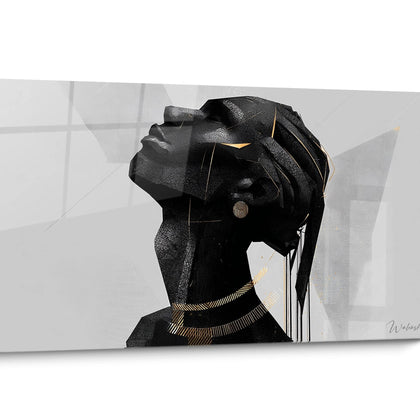 Black and White Africa Wall Art15
artworks
Black and White Africa Wall Art15
artworks
-
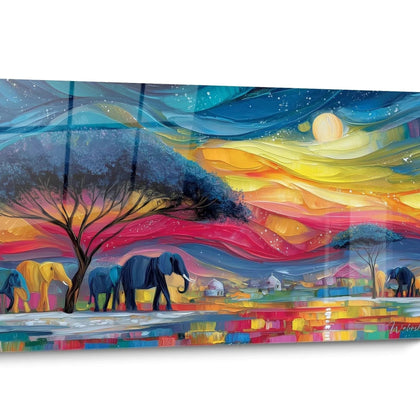 Africa Elephant Wall Art24
artworks
Africa Elephant Wall Art24
artworks
-
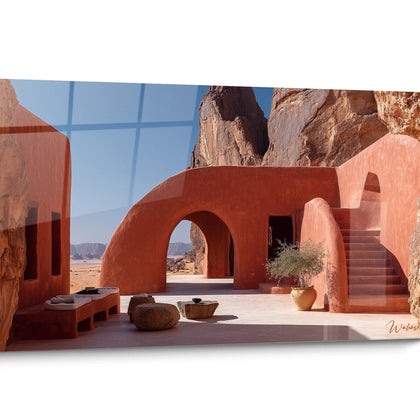 Africa Architecture Wall Art5
artworks
Africa Architecture Wall Art5
artworks
All about Africa Landscape Wall Art
- Painting Presentation Africa Landscape
- African Savanna Ambiance
- Large Format Immersion
- African Decorative Escape
An Africa landscape painting instantly transforms your interior into a window overlooking the wild expanses of the African continent. These wall decorations capture the raw essence of endless horizons, flamboyant sunsets over the bush, and majestic silhouettes that populate these mythical lands. Designed for contemporary spaces requiring a touch of authentic escape, these large-format representations create a magnetic focal point in spacious living rooms, corporate offices, or reception areas. The authenticity of the reproduced African scenes invites sensory travel, evoking the warmth of red earth, the rustling of tall grasses in the wind, and the immensity of the landscapes as far as the eye can see.
Africa Landscape Painting: Capturing the Soul of Wild Expanses
Acquiring an Africa landscape painting responds to a quest for decorative authenticity rarely satisfied by conventional representations. These compositions capture the chromatic layers characteristic of African twilight, where burnt oranges blend into deep purples, creating an incomparable visual depth. Low horizon lines typical of savanna landscapes generate a sense of spatial expansion particularly sought after in confined urban spaces.
Why do African panoramas transform contemporary spaces?
Representations of African landscapes naturally integrate powerful graphic elements: parasol acacias with recognizable silhouettes, baobabs sculpted by time, or alignments of ochre dunes. These organic patterns contrast effectively with modern rectilinear architecture, establishing a visual dialogue between raw nature and urban sophistication. Available in large dimensions, they allow you to fully exploit this impact in spaces with high ceilings or empty walls requiring a strong visual anchor.
The narrative layers of authentic African panoramas
A painting depicting African landscapes conveys several levels of decorative reading. The first layer remains purely aesthetic: the balance between arid lands and expansive skies creates a soothing visual breath. The second dimension evokes the imagination of travel and adventure, transforming the domestic space into a mental starting point towards distant destinations. For collectors of tribal art or enthusiasts of African cultures, these representations naturally complement other thematic decorative elements such as sculptures or ethnic textiles.
Integration into open living spaces
Open-plan modern layouts particularly benefit from paintings Africa landscape as subtle visual delimiters. Positioned facing the main entrance, a savanna scene at sunrise immediately captures attention and guides circulation. In multifunctional spaces, these representations establish distinct thematic zones without resorting to physical separations. The earthy palette of African landscapes naturally harmonizes with the raw materials favored in contemporary architecture: polished concrete, natural stones, untreated solid wood.
Hospitality and restaurant professionals specifically seek these representations for their ability to create a distinctive, memorable atmosphere. A fusion restaurant or a themed lounge finds in African panoramas a consistent visual identity that stands out from standardized decor. To complement this atmosphere, some establishments combine these paintings with abstract Africa painting compositions in transition areas, creating an evolving visual journey between figuration and conceptual interpretation.
Monumental African Panoramas: The Impact of Exceptional Formats
Generous dimensions are the major asset of Africa painting landscape intended for demanding spaces. A format exceeding 150 centimeters in width transforms the spatial perception, creating a virtual window to the infinite horizons characteristic of African territories. This monumental scale responds to specific decorative needs: filling a cathedral wall in a double-height space, visually balancing a vast commercial space, or serving as a focal point in an imposing entrance hall.
How do dimensions influence visual immersion?
The immersion created by a large African format goes beyond simple wall decoration to approach a sensory experience. When the eye cannot embrace the entire scene in a single glance, it undertakes an exploratory journey similar to observing a real landscape. The foreground reveals the details of the savanna vegetation, while the backgrounds dissolve the shapes in the atmospheric heat haze typical of Africa. This artificially recreated depth of field generates a sensation of realistic distance particularly appreciated in spaces lacking natural perspectives.
Display strategies to maximize visual impact
Large-format African landscape paintings require an optimal viewing distance corresponding to approximately 1.5 times their diagonal. This technical constraint guides their placement in sufficiently deep rooms where occupants can step back. Ideal configurations include walls facing sofas in spacious living rooms, backdrops in professional open-spaces, or wall surfaces opposite entrances in commercial galleries.
Indirect lighting is a crucial parameter for revealing the chromatic richness of African scenes. The dominant warm tones – ochres, sands, reds – react favorably to color temperatures between 2700K and 3000K, evoking the natural light of African golden hours. The installation of adjustable spotlights allows adjusting the intensity according to the time of day, creating variable atmospheres from daytime contemplation to nocturnal intimacy.
Decorative associations that amplify the effect
A Africa landscape painting monument functions effectively as a dominant solitary element, but some associations reinforce its thematic impact. Plants with structured foliage – indoor palms, strelitzias, ficus lyrata – create an organic transition between the two-dimensional representation and the three-dimensional space. Furniture with clean lines in exotic woods or natural rattan extends the African reference without falling into literal reconstitution.
Raw materials – aged parquet floors, stone slabs, polished concrete – visually anchor these expansive representations. The rough textures resonate with the terrestrial surfaces depicted in African landscapes, establishing a material consistency from architecture to wall décor. This approach is particularly suitable for renovated industrial interiors or new constructions that prioritize authentic, unprocessed materials.
Africa Landscape Painting: Thematic Variations and Strategic Choices
The market for paintings Africa landscape offers various stylistic interpretations adapted to diverse aesthetic preferences. Hyperrealistic photographic representations suit environments that value documentary authenticity, while pictorial interpretations bring an additional artistic dimension. Sepia or monochrome renderings offer a timeless alternative for minimalist interiors wary of the chromatic saturation of colorful scenes.
What criteria guide the selection of an African panorama?
The internal composition is the first evaluation criterion. Horizon lines positioned in the lower third create a sense of celestial openness, ideal for spaces with low ceilings requiring a sense of verticality. Conversely, median or high horizons are suitable for generous volumes where the terrestrial representation can unfold. The presence of characteristic vegetation elements – isolated acacias, centuries-old baobabs – provides essential visual anchors in panoramic compositions risking uniformity.
The atmospheric variations depicted significantly influence the transmitted ambiance. Sunrise scenes with pink-gold tones inspire a positive energy suited to productive professional spaces. Intense orange sunsets create a enveloping warmth sought after in residential interiors facing comfort. Representations of stormy skies with dramatic clouds bring a theatrical intensity suitable for cultural or commercial spaces seeking a defined character.
African landscapes as vectors of spatial emotions
Beyond pure aesthetics, a painting depicting African expanses generates specific emotional responses that can be strategically exploited. The represented immensity provides a sense of mental liberation particularly appreciated in dense urban environments. Medical offices, wellness spaces, or waiting rooms use these calming properties to reduce visitor anxiety. Companies seeking a distinctive identity integrate these panoramas into their reception areas to convey values of openness, exploration, or authenticity.
Longevity and timelessness of African themes
Unlike ephemeral decorative trends, representations of African landscapes benefit from remarkable stylistic longevity. Their anchoring in unchanging geographical realities protects them from cyclical fashion effects. This aesthetic stability justifies the investment in monumental formats intended to durably structure a space. Informed collectors consider these acquisitions as heritage elements that can be passed down, especially when it comes to limited editions or creations by artists specializing in African themes.
The evolution of interiors over the years easily accommodates the presence of a painting Africa landscape well chosen. Its natural terrestrial palette harmonizes with changes in furniture or accessories without requiring its replacement. This decorative flexibility is a significant economic advantage compared to overly specific thematic wall elements requiring restrictive decorative consistency.
Would an Africa landscape painting suit minimalist Scandinavian interiors?
Absolutely, refined or monochrome African panoramas blend seamlessly into Nordic aesthetics. Minimalist compositions featuring desert horizons with few elements bring the sought-after warm organic touch to balance the coolness of all-white Scandinavian interiors.
What is the optimal viewing distance for a large-format Africa landscape painting?
For formats exceeding 120 centimeters in width, a minimum distance of 2.5 to 3 meters allows for a comfortable overall view. This constraint naturally directs their placement in deep rooms such as spacious living rooms, wide hallways, or commercial spaces with fluid circulation.
Do African landscape paintings work in professional offices?
Perfectly suited for corporate environments, they convey values of international openness and exploration while creating beneficial visual break points for concentration. Meeting rooms and executive spaces particularly favor these representations for their ability to inspire a broad and strategic perspective.
L'art qui suscite l'envie
Maison belge d'art mural grand format
14 jourspour changer d'avis*
Protection Walenskyincluse
Fabriquéen Italie
FormatXXL
Kit de fixationtoujours fourni
* Hors tableaux personnalisés et tailles personnalisées


