


Abstract Africa Wall Art
Our Tableau Africa Abstract collection celebrates the beauty of the African continent through a contemporary and artistic vision. Each creation in this series art abstract African captures the vibrant essence of Africa with bold and expressive compositions. These wall decoration inspired by Africa transform your spaces into art galleries where tradition and modernity blend. Ideal for bringing character and authenticity to your interior.
 Abstract Geometric Art Painting - Modern African Mosaic - African Culture Edition242,90 €
 Fluid Shapes Painting Sienna Earth and Ochre - Warm Harmony - African Abstract Edition273,90 €
 Colored Circles Wall Art - Tribal Mosaic - Abstract African Edition242,90 €
 Concentric Circles Wall Art - Earthly Mosaic - African Abstract Edition273,90 €
 Abstract Geometric Wall Art - Urban Fragments - African Abstract Edition273,90 €
 Concentric Circles Wall Art - Color Harmony - African Abstract Edition273,90 €
 Geometric Shapes Wall Art - African Mosaic - African Abstract Edition273,90 €
 Geometric Forms Wall Art - Modern Harmony - African Abstract Edition220,90 €
 Abstract Geometric Composition Wall Art - Contemporary Ethnic Mosaic - African Tribal Art Edition220,90 €
 Abstract Golden Geometric Wall Art - Golden Harmony - African Culture Edition220,90 €
 Abstract Geometric Composition Wall Art - Modern Harmony - African Culture Edition220,90 €
 African Abstract Art Painting - Cosmic Symbols - African Culture Edition220,90 €
 Abstract Geometric Painting - Modern African Mosaic - African Culture edition273,90 €
 African Forms Wall Art Sand Dance - Africa Edition273,90 €
 African Wall Art Inner Journey - africa edition273,90 €
 Abstract African wall art carved waves - africa edition273,90 €
 African Forms Mosaic Sacred - africa edition Painting273,90 €
 Abstract African Tribal Sun Wall Art - Africa Edition273,90 €
 African painting Interlaced Rhythms - africa edition220,90 €
 African Wind Circulation Wall Art - Africa Edition220,90 €
 Abstract African Wall Art Echoes of the Sahel - Africa Edition220,90 €
 Awakening of the Plains - African Abstract Edition273,90 €
 African Enchantment Canvas - Africa Edition273,90 €
 Masked Enigma Wall Art - Signature Edition273,90 €
Explore further
In Abstract Africa Wall Art
-
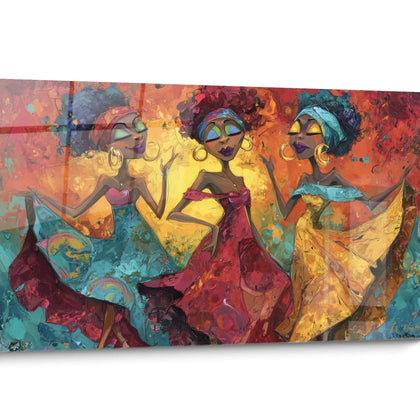 Africa Wall Art608
artworks
Africa Wall Art608
artworks
-
 Africa Portrait Wall Art24
artworks
Africa Portrait Wall Art24
artworks
-
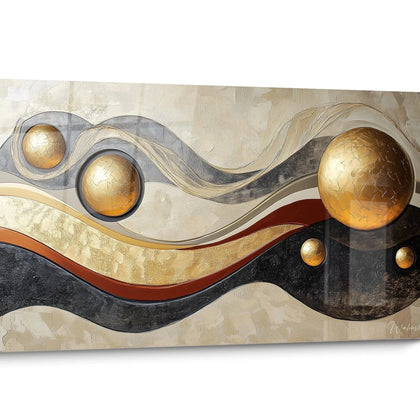 Golden Africa Wall Art24
artworks
Golden Africa Wall Art24
artworks
-
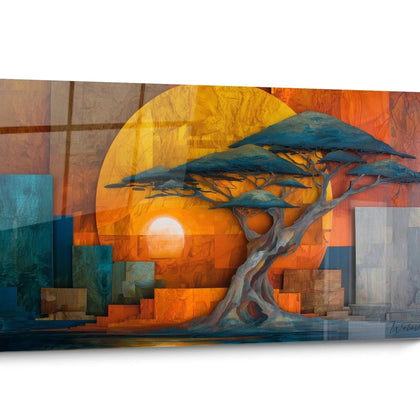 Africa Landscape Wall Art24
artworks
Africa Landscape Wall Art24
artworks
-
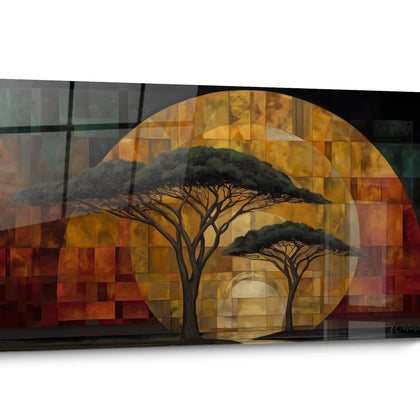 Africa Orange Wall Art24
artworks
Africa Orange Wall Art24
artworks
-
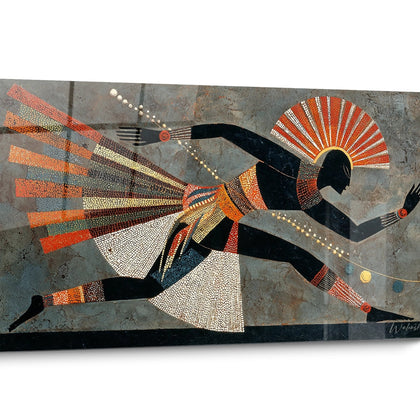 African Dance Wall Art24
artworks
African Dance Wall Art24
artworks
-
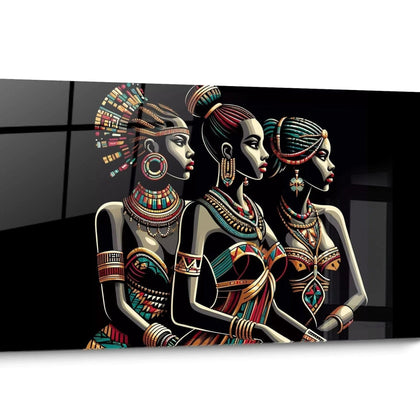 African Tribal Wall Art24
artworks
African Tribal Wall Art24
artworks
-
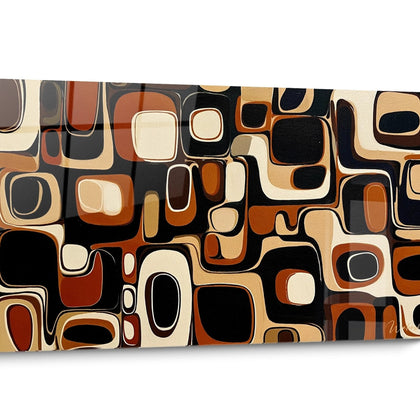 Geometric Africa Wall Art19
artworks
Geometric Africa Wall Art19
artworks
-
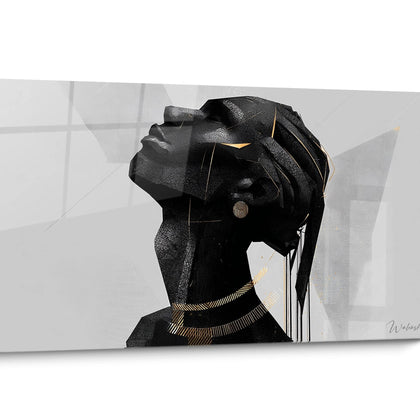 Black and White Africa Wall Art15
artworks
Black and White Africa Wall Art15
artworks
-
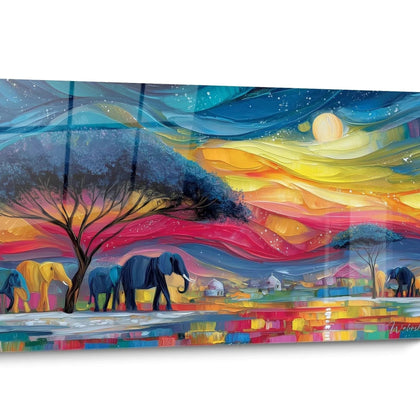 Africa Elephant Wall Art24
artworks
Africa Elephant Wall Art24
artworks
-
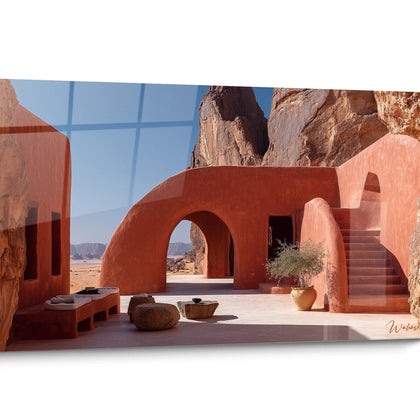 Africa Architecture Wall Art5
artworks
Africa Architecture Wall Art5
artworks
All about Abstract Africa Wall Art
- Abstract Africa Wall Art Presentation
- African Abstract Aesthetics
- Symbolism and Spirituality
- Integration and Visual Impact
The abstract Africa wall art represents a masterful fusion between the artistic heritage of the African continent and the contemporary expression of non-figurative art. This category of wall decoration transcends literal representations to capture the profound soul of Africa through organic forms, ancestral geometric patterns, and a powerful color palette evoking ochre lands, blazing sunsets, and traditional fabrics. Unlike photographic representations or African architectural compositions, abstraction offers interpretive freedom that resonates differently with each observer, creating a personal dialogue with the artwork. These large-scale wall creations instantly transform living spaces into contemporary galleries where Africa's vibrant energy expresses itself without narrative constraints, allowing modern art collectors to affirm their cultural sensitivity while maintaining a resolutely contemporary aesthetic.
The Visual Expression of Contemporary African Abstraction
The abstract Africa wall art draws its identity from deconstructing traditional African visual codes to reinvent them according to contemporary expressionism principles. Artists exploit Ghanaian adinkra patterns, Congolese Kuba symbols, and Maghrebi Berber patterns by fragmenting, layering, and reinterpreting them in compositions that defy conventional symmetry. This creative approach generates wall artworks where zigzagging lines evoke ritual scarifications, where concentric circles recall engraved gourds, and where saturated color blocks echo wax fabrics without ever falling into literal reproduction.
How do abstract geometric forms translate African cosmogony?
Compositions inspired by African abstraction use sacred geometry present in the continent's belief systems. Inverted triangles symbolize the earth-sky connection characteristic of Bantu philosophies, while spirals represent the eternal cycle of life present in Dogon thought. These structural elements organize pictorial space according to logic that transcends mere decoration to offer multilayered reading accessible only to those understanding underlying cultural references. Contemporary artists manipulate these ancestral forms by applying fragmentation techniques, modular repetition, and chromatic superposition that create captivating visual depth for large wall formats.
Chromatic palette as vector of telluric emotion
Strategic color use in abstract Africa wall art far exceeds standard decorative harmonies. Burnt ochres and Sienna earths evoke Sahel landscapes, deep indigo blues recall traditional West African dyes, while blood reds reference sacred clays used in initiatory rituals. This intentional chromatic selection generates primitive emotional resonance that unconsciously activates sensorial associations linked to the African continent. Bold contrasts between warm and cool hues create dynamic visual tension particularly effective in refined architectural spaces where the eye naturally seeks strong anchor points. Discerning buyers precisely seek these authentic chromatic combinations that distinguish genuine Africa-inspired creation from opportunistic use of bright colors.
Stratification techniques and visual texture
Contemporary African abstract creations frequently employ stratification techniques imitating natural erosion processes or cultural accumulations. Pigment superpositions create apparent depths that change depending on viewing angle and room lighting conditions. This technical approach transforms the flat surface into explorable territory where the eye continuously discovers new details, hidden patterns gradually emerging, simulated textures almost inviting touch. For collectors seeking pieces that don't reveal themselves instantly but expose their complexity over time, these stratified works offer an evolving aesthetic experience perfectly suited to daily living spaces.
Spiritual Dimensions and Coded Narratives of African Abstract Art
Beyond its purely aesthetic dimension, abstract Africa wall art functions as a receptacle for symbolic meanings connecting the observer to ancestral African thought systems. Unlike figurative representations imposing univocal reading, abstraction enables encoding of complex philosophical concepts from traditions like South African ubuntu, Akan sankofa, or Egyptian maat. These spiritual principles manifest through specific spatial arrangements, deliberate asymmetric balances, and compositional voids possessing as much significance as saturated zones. Buyers sensitive to their domestic environment's energetic dimension precisely seek these works whose power resides not solely in visual impact but in their ability to subtly transform a room's atmosphere.
Which abstract symbols convey concepts of community and interconnection?
African abstract compositions frequently incorporate interlaced line networks, irregular grids, and interconnected patterns that visually materialize the ubuntu philosophy where individuals exist only through relationships with others. These reticular structures create multiple visual pathways the eye can follow in different directions, symbolizing the multiplicity of social bonds and fundamental interdependence of beings. For collaborative professional spaces or multigenerational households, these abstract representations of connectivity resonate particularly, serving as constant visual reminders of communal values. Recurring circular forms evoke village assemblies, palavers under the talking tree, reinforcing this collective inclusion theme without resorting to literal human representation.
Abstraction as bridge between African temporalities
Contemporary abstract Africa wall art operates a unique temporal synthesis by fusing visual elements from different periods of African artistic history. References to Tassili n'Ajjer rock paintings coexist with twentieth-century African modernism influences in the same composition, creating compressed historical continuum. This deliberate anachronistic approach reflects African time conception as simultaneity rather than linear succession, a philosophical concept abstraction can express more effectively than figurative art. Conceptual art collectors particularly appreciate this metatemporal dimension transforming each work into a visual palimpsest where different epochs dialogue simultaneously, offering rare intellectual depth in large-format wall decoration.
What do intentional asymmetries contribute to African abstract composition?
Unlike Western aesthetic canons often privileging symmetrical balance, African-inspired abstract creations strategically exploit compositional imbalances reflecting the philosophy of creative imperfection. These deliberate asymmetries generate productive visual tension maintaining active attention rather than allowing the eye to rest in predictable harmonic comfort. Offset elements, broken rhythms, and unexpected proportions generate intrinsic dynamism literally animating wall space, particularly effective in architectural environments with overly rigid lines requiring organic counterpoint. This bold compositional approach immediately distinguishes authentically Africa-inspired creation from mere decorative application of exotic motifs.
Integration Strategies for Abstract Africa Wall Art in Contemporary Space
Installing a large-format abstract Africa wall art requires thoughtful approach respecting both the work's integrity and the receiving space's architectural characteristics. These powerful creations function optimally as dominant focal points rather than secondary decorative elements, requiring sufficiently clear wall space for compositional complexity to be appreciated without visual interference. Spaces with generous volumes and significant ceiling heights allow monumental formats to fully deploy their impact without visually overwhelming the room. Ideal viewing distance corresponds approximately to 1.5 times the format's diagonal, enabling global vision capturing compositional structure while authorizing close approach to explore textural details and chromatic subtleties.
Chromatic dialogues between abstract artwork and furnishing environment
Successful abstract Africa wall art integration rests on creating controlled chromatic dialogue with existing furnishings. The earthy tones characteristic of these works naturally harmonize with raw materials like solid wood, woven plant fibers, and patinated metals, creating organic coherence. For interiors with dominant neutral palettes, African abstract work introduces necessary chromatic accents warming the atmosphere without requiring complete decorative overhaul. Discerning buyers strategically select two or three tones present in the abstract composition, subtly repeating them through textile elements or secondary decorative objects, creating visual echoes unifying the space. This approach ensures the work remains visual protagonist while integrating organically rather than appearing artificially applied to unsuitable décor.
How does natural lighting transform African abstract perception?
Natural light variations throughout the day progressively reveal different facets of abstract Africa wall art, particularly those employing stratification and superposition techniques. Morning raking light accentuates textural reliefs and makes warm pigments vibrate, while midday zenith lighting slightly flattens contrasts privileging compositional structure reading. Evening golden hours dramatically intensify ochres and reds while softening blues, creating daily chromatic metamorphosis constantly renewing visual experience. This perceptual variability represents distinctive advantage for collectors appreciating evolving rather than static works, transforming their investment into changing daily spectacle justifying large-format acquisition occupying strategic wall position.
Complementary Afrocentric decorative associations
To amplify abstract Africa wall art's cultural resonance without falling into thematic pastiche, discerning decorators select complementary elements sharing common aesthetic philosophy rather than superficial similarity. Raw wood sculptures with refined forms, artisanal woven baskets with complex geometries, and natural fiber textiles with irregular weaving create coherent environment contextualizing abstract work without competing visually. The frequent error consists in overcharging space with African object accumulation diluting wall piece impact. Curatorial approach privileges rigorous selection of few exceptional-quality elements arranged with sufficient spatial breathing, allowing each object to exist fully while contributing to subtle yet indisputable Afrocentric narrativity.
Where should you place abstract Africa wall art to maximize decorative impact?
Privileged locations include the main living room wall facing the entrance for memorable first impression, the space above architectural sofa in spacious seating areas, or as centerpiece in executive offices where the work affirms owner's cultural identity. Large formats require clear walls of at least 3 meters width to avoid visual clutter.
Does abstract Africa wall art suit Scandinavian minimalist interiors?
Absolutely, this combination creates sophisticated contrast particularly sought in contemporary design. Refined Scandinavian palettes serve as neutral framework amplifying African abstraction's chromatic intensity and compositional density, generating productive aesthetic tension. Natural materials common to both traditions create visual bridges despite distinct geographic origins.
What durability can you expect from large-format abstract Africa wall art?
Quality creations using light-resistant pigments and professional fixation techniques preserve their chromatic intensity and structural integrity for decades in normal domestic conditions. Distance from prolonged direct solar exposure and maintaining stable ambient humidity prevent premature alteration, ensuring your artistic investment remains visually impactful and preserves value long-term.


