


Africa Portrait Wall Art
The Tableau Africa Portrait collection celebrates the soul and beauty of the African continent through stunning contemporary African portraits . Each artwork captures expression, dignity, and cultural richness with vibrant and authentic color palettes. These tableaux portraits Afrique bring a touch of ethnic elegance to your interior decoration. Perfect for enhancing a living room, bedroom, or office, they invite travel and contemplation while asserting a bold and refined decorative style.
 African Woman Painting Autumn - Goddess with Golden Leaves - African Face Edition233,90 €
 African Woman Painting - Tradition and Modernity - African Culture Edition233,90 €
 African Royal Bust Painting - Ancestral Majesty - African Face Edition233,90 €
 African Woman Artwork - Queen with Red Pearls - African Face Edition233,90 €
 African Woman Painting - Golden Elegance - African Face Edition233,90 €
 African Woman Autumn Painting - Floral Metamorphosis - African Face Edition233,90 €
 African Woman Painting - Modern Profile - African Face Edition213,90 €
 Two African Women Profile Painting - Ethnic Harmony - African Face Edition233,90 €
 African Painting Cubic Reflections - Africa edition233,90 €
 African Wall Art Visual Melody - Africa Edition233,90 €
 African Wall Art Pearls of Wisdom - africa edition233,90 €
 African Woman Painting Tribal Soul - africa edition233,90 €
 African Wild Beauty Wall Art - Africa Edition213,90 €
 African Wall Art Modern Vision - Africa Edition213,90 €
 African Wall Art Heir to the Lands - Africa Edition213,90 €
 Ancient Witnesses Wall Art - Africa Edition213,90 €
 African Queen of Silence Wall Art - Africa Edition213,90 €
 African Woman Painting Tribal Soul - africa edition213,90 €
 African Puzzle Identity Wall Art - Africa Edition213,90 €
 African Enchantment Canvas - Africa Edition233,90 €
 Masked Enigma Wall Art - Signature Edition233,90 €
 African Beauty Wall Art - Africa Edition233,90 €
 African Elegance Painting - Africa Edition233,90 €
 Beauty in Four Stages Artwork - Africa Edition233,90 €
Explore further
In Africa Portrait Wall Art
-
 Africa Wall Art608
artworks
Africa Wall Art608
artworks
-
 Golden Africa Wall Art24
artworks
Golden Africa Wall Art24
artworks
-
 Abstract Africa Wall Art24
artworks
Abstract Africa Wall Art24
artworks
-
 Africa Landscape Wall Art24
artworks
Africa Landscape Wall Art24
artworks
-
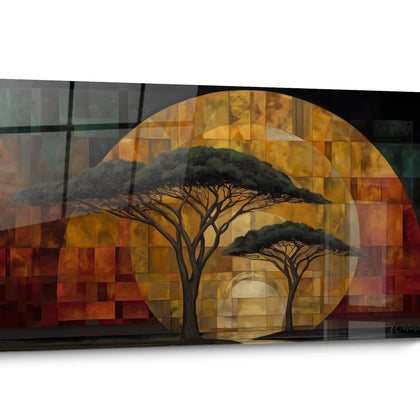 Africa Orange Wall Art24
artworks
Africa Orange Wall Art24
artworks
-
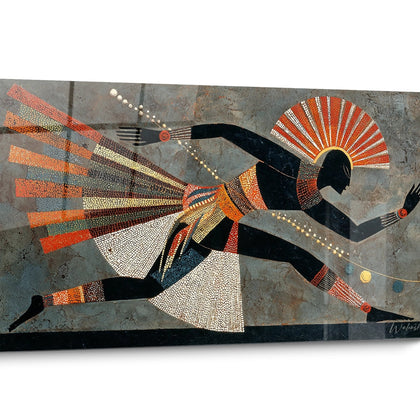 African Dance Wall Art24
artworks
African Dance Wall Art24
artworks
-
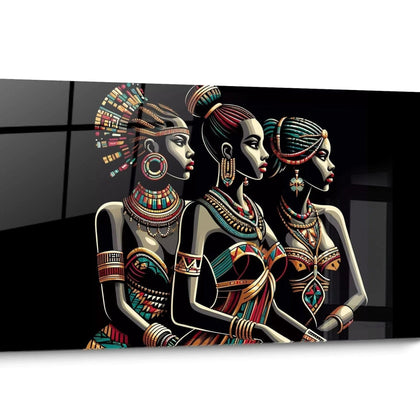 African Tribal Wall Art24
artworks
African Tribal Wall Art24
artworks
-
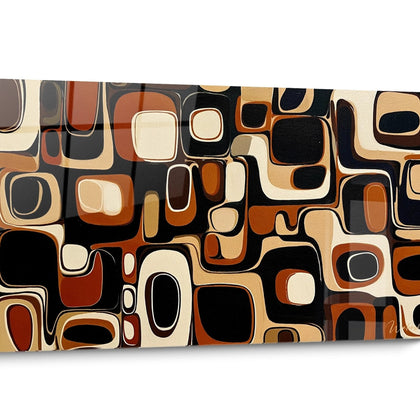 Geometric Africa Wall Art19
artworks
Geometric Africa Wall Art19
artworks
-
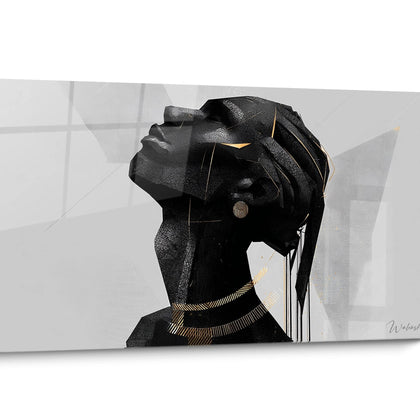 Black and White Africa Wall Art15
artworks
Black and White Africa Wall Art15
artworks
-
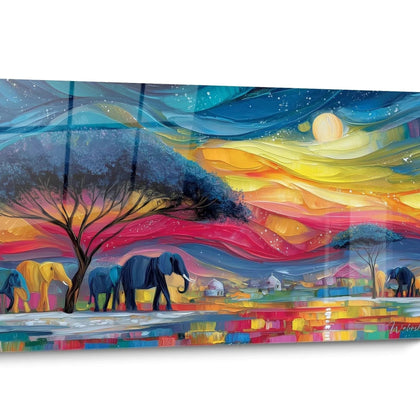 Africa Elephant Wall Art24
artworks
Africa Elephant Wall Art24
artworks
-
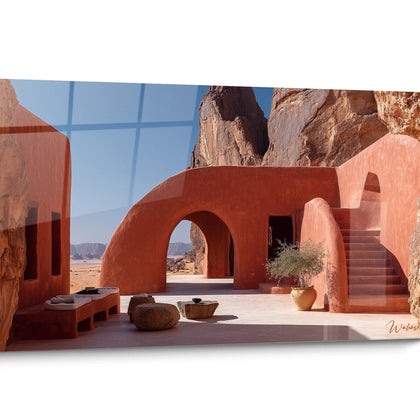 Africa Architecture Wall Art5
artworks
Africa Architecture Wall Art5
artworks
All about Africa Portrait Wall Art
- Africa Portrait Wall Art Presentation
- Contemporary African Portraits
- Vertical Ethnic Wall Decoration
- Styles and Representations
The Africa portrait wall art represents a visual celebration of faces and silhouettes from the African continent, capturing the essence of ancestral traditions through imposing vertical representations. These large-scale mural artworks instantly transform your space into a contemporary gallery dedicated to ethnic art. Perfect for adorning a main living room wall, a stairwell, or a spacious entrance hall, these vertical portraits create a powerful focal point that immediately captures attention. Their portrait format allows you to exploit ceiling height while preserving floor space, ideal for narrow but tall architectural configurations. Unlike horizontal compositions, these vertical Africa portrait artworks energize visual perspectives by naturally guiding the eye upward, thus amplifying the sensation of volume in the room.
The Visual Impact of Vertical African Portraits in Modern Spaces
The Africa portrait wall art establishes itself as a privileged decorative solution to enhance narrow walls and vertical spaces often underutilized in contemporary architecture. These representations of sculpted faces, majestic profiles, or tribal figures create an immediate emotional connection with the observer through the expressiveness of gazes and captured features.
Why choose a portrait format for your African artworks?
Vertical compositions allow for complete immersion in the details of the represented face, from ritual scarifications to traditional ornaments such as Maasai necklaces or Fulani headdresses. This natural orientation of human gaze promotes intuitive reading of the artwork, unlike horizontal formats that disperse attention. Large-scale African portrait artworks particularly exploit this dynamic by creating an almost human presence in the space, as if the represented character cohabited with the occupants.
Arranging hallways and passages with ethnic portraits
Circulation spaces constitute strategic locations to install a monumental Africa portrait wall art. A corridor of 120 cm width perfectly accommodates a vertical artwork of 80 to 100 cm, creating a rhythmic visual journey that transforms a simple passage into a true private gallery. The succession of multiple portraits along the same axis generates a captivating visual narrative, evoking an ancestral lineage or ethnic diversity.
Specific decorative associations with tribal portraits
To amplify the authenticity of an African portrait wall art, the association with natural elements proves particularly effective. Large tropical plants such as strelitzia or bird of paradise create harmonious vertical dialogue. Malian mudcloth textiles displayed as table runners or Berber woven basket wall hangings reinforce thematic coherence without creating visual overload. If you're seeking a more contemporary approach, also explore our abstract Africa wall art collection which offers geometric interpretations of ethnic patterns perfectly complementary to figurative portraits.
The expressiveness of faces in African mural art
Ethnic portraits distinguish themselves through their ability to convey complex emotions and cultural depth through the representation of specific facial features. Expressive eyes, often highlighted by powerful chromatic contrasts, become the absolute focal point of the composition. This intensity of gaze transforms each Africa portrait wall art into a living presence capable of influencing the emotional atmosphere of an entire room.
Exploiting Verticality to Enhance Interior Volumes
How do vertical portraits transform spatial perception?
The installation of a large-scale Africa portrait wall art radically modifies the architectural perception of a space by creating an ascending line of force. This vertical dynamic proves particularly valuable in rooms with low ceilings where it generates an elevation illusion, while in cathedral volumes, it visually structures the space to avoid emptiness effect. Portraits of African women with elaborate headdresses or imposing ornaments naturally amplify this vertical stretching effect.
Maximum impact zones for ethnic mural portraits
Walls adjacent to stairs represent privileged locations for large-scale African portrait artworks. The progressive ascent of steps creates natural alignment with the artwork's verticality, generating visual synergy that accompanies upward movement. Spaces above entrance consoles, often limited in width but generous in height, also constitute ideal areas where an imposing portrait immediately establishes the home's decorative character.
Creating thematic vertical mural galleries
The assembly of multiple African portraits in a staggered vertical arrangement generates a particularly sophisticated museum collection effect. This approach works remarkably in double-height spaces or mezzanines where three stacked portraits create a spectacular visual column. Vary the represented ethnicities – Maasai, Himba, Zulu, Berber – to create cultural diversity while maintaining chromatic coherence dominated by ochres, burnt earth, and deep blacks characteristic of the African palette.
The importance of proportions in monumental ethnic portraits
An effective Africa portrait wall art generally respects a height-to-width ratio of 3:2 minimum to truly qualify as portrait format. This proportion allows complete representation from traditional headdress to pectoral ornaments, without frustrating composition cropping. Monumental dimensions exceeding 150 cm in height transform the portrait into a true mural installation that visually dominates the space, requiring sufficient distance of 3 to 4 meters for optimal appreciation of all details.
Adapting chromatic intensity to light exposure
Portraits with dark tonalities and sharp contrasts, frequent in representations of ebony-skinned faces, require locations with sufficient luminosity to reveal nuances. A wall perpendicular to windows rather than directly facing them ideally captures lateral light that sculpts reliefs and accentuates the artwork's three-dimensional dimension. Portraits with lighter palettes incorporating beiges and ochres withstand less lit areas better while providing beneficial reflected luminosity to confined spaces.
Representation Styles and Cultural Meanings of African Portraits
The Africa portrait wall art comes in multiple artistic styles reflecting the richness of the continent's visual traditions. Hyperrealistic representations capture with photographic precision the details of scarifications, facial expressions, and ornaments, creating intense emotional connection. Conversely, semi-abstract interpretations privilege color fields, simplified outlines, and geometric patterns inspired by tribal masks, offering a more decorative and stylized approach.
Cultural symbols integrated into tribal portraits
Each element of an authentic African portrait conveys profound cultural significance. The elaborate headdresses of Fulani women signal marital status and clan belonging, while Mursi women's lip plates represent an ideal of beauty and social maturity. Facial scarifications, far from being purely decorative, constitute true ethnic identity maps enabling tribal identification. An authentic African portrait artwork respects these visual codes by representing them accurately rather than as mere exotic ornaments.
Warriors portraits versus feminine portraits: differentiated decorative impacts
Representations of Maasai, Samburu, or Zulu warriors radiate powerful masculine energy particularly suited to professional spaces, offices, or private libraries. Their determined expressions, ceremonial spears, and shields create an atmosphere of strength and protection. Conversely, portraits of African women with sophisticated ornaments and enigmatic gazes bring refined elegance ideal for bedrooms, intimate living rooms, or wellness spaces. Their colorful beaded necklaces and shimmering garments introduce more diverse color palettes.
Which spaces benefit most from a monumental African portrait?
Reception spaces such as living rooms, entrance halls, and dining rooms derive maximum benefit from large-scale Africa portrait artworks. These social areas value the immediate visual impact and the artwork's ability to generate conversations. High-end professional spaces – law offices, creative agencies, showrooms – strategically use these portraits to assert sophisticated cultural identity and premium positioning. Private spaces such as master bedrooms favorably accommodate more intimate portraits with contemplative expressions promoting serenity.
What is the ideal height to install a vertical African portrait?
The optical center of an Africa portrait wall art should be located between 145 and 155 cm from the floor, corresponding approximately to eye level of an average-height standing observer. This standard museum height guarantees comfortable appreciation without requiring excessive head tilting. For very large formats exceeding 180 cm in height, slightly lower positioning is necessary so that central elements – typically the subject's gaze – remain visually accessible without forcing vision angle.
Does an Africa portrait wall art suit contemporary minimalist interiors?
Absolutely, the concentrated visual power of a single ethnic portrait integrates perfectly into minimalist aesthetics where it becomes the sole focal decorative element. This monochrome approach to surrounding walls amplifies the portrait's impact through contrast effect, transforming the artwork into a true two-dimensional visual sculpture. Minimalism particularly values portraits with restricted palettes dominated by blacks, whites, and a single accent color.
How to combine multiple Africa portrait artworks without visual overload?
Coherent assembly requires stylistic unity – same artistic technique, harmonized color palette – and rigorous geometric arrangement. Privilege strict vertical alignments or symmetric grids rather than random asymmetrical arrangements. Maintain consistent spacing of 8 to 12 cm between each frame and limit yourself to three portraits maximum on the same wall to preserve individual legibility of each artwork.
Do African portraits work in spaces with light dominants?
Scandinavian or Mediterranean interiors with immaculate white walls and light woodwork particularly benefit from introducing an Africa portrait wall art with warm and deep tonalities. This chromatic contrast creates dynamic visual balance that avoids blandness while preserving ambient luminosity. African ochres, Siena earth, and reds instantly warm cool palettes without weighing them down, bringing emotional depth often absent from overly pared interiors.
Further reading


