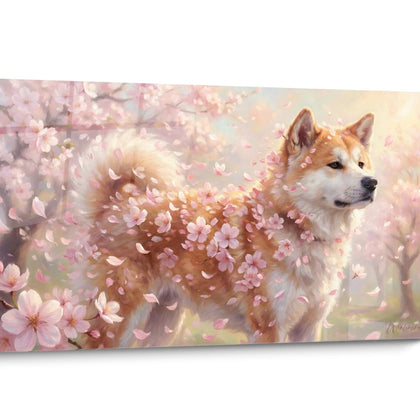
- Japanese Spitz Wall Art Japanese Spitz
- Canine Japanese Decoration
- Spitz Aesthetics
- Ambiance and Selection
The Japanese Spitz wall art celebrates this iconic Japanese breed, renowned for its immaculate white coat and charming expression. These large-format mural representations capture the natural elegance of the Nihon Supittsu, bringing authentic Japanese sophistication to your interior. Perfect for enthusiasts of miniature Nordic breeds and admirers of Japanese culture, this type of wall decoration instantly transforms a room's atmosphere, introducing the characteristic grace of this silky-furred companion. Whether you seek realistic or stylized representation, each creation highlights the distinctive traits of this Japanese breed recognized for its aesthetic purity and spirited temperament.
The Visual Essence of Japanese Spitz in Wall Decoration
Why choose a Japanese Spitz representation for your interior?
The Japanese Spitz wall art embodies a fascinating duality between ancestral Japanese tradition and contemporary elegance. This breed, developed in the 1920s in Japan, possesses a unique visual identity with its exclusively white coat and compact morphology. Mural compositions dedicated to this canine brilliantly exploit the natural contrast between the dazzling whiteness of its fur and the intensity of its expressive gaze, creating exceptional focal points in modern or minimalist spaces.
Enthusiasts of
dog wall art frequently seek this breed for its capacity to literally illuminate a dark or neutral wall. The natural luminosity of the white coat translates magnificently on XXL formats, where every detail of the airy texture becomes perceptible. This characteristic makes Japanese Spitz wall art particularly effective in spacious entryways, professional offices, or living rooms where visual clarity is desired.
Japanese aesthetic codes applied to canine representation
Japanese visual culture privileges the concept of "ma" (negative space) and refined simplicity, principles perfectly embodied by the Japanese Spitz. Artistic creations centered on this breed often exploit these traditional aesthetic codes: refined compositions, minimalist backgrounds allowing the subject to breathe, strategic use of emptiness to reinforce the canine's presence. This approach radically distinguishes Japanese Spitz representations from other more Western breeds.
Panoramic formats particularly highlight the harmonious and balanced silhouette of the Nihon Supittsu, with its characteristic curled tail and raised triangular ears. These naturally photogenic proportions adapt ideally to horizontal mural configurations, notably above low Scandinavian-style couches or Japanese-inspired consoles. The integration of subtle Japanese cultural elements—stylized floral motifs, discrete calligraphy, Mount Fuji references—enriches the visual narrative without overloading the composition.
Highlighting distinctive morphological traits
Quality Japanese Spitz wall art captures the singular facial expression of this breed, often described as "smiling" thanks to the natural shape of its mouth. This behavioral characteristic translated visually generates a welcoming and warm atmosphere, particularly sought in reception spaces or therapeutic offices. Close-ups of the face exploit this unique characteristic to create an immediate emotional connection with the viewer.
The dark, almond-shaped eyes of the Japanese Spitz, contrasting with the pure white coat, constitute another powerful graphic element frequently amplified in mural compositions. This natural chromatic opposition works exceptionally well in monochrome interiors where the visual rendering gains dramatic intensity without requiring a complex color palette.
Decorative Integration and Optimal Exhibition Contexts
How to create a Japanese-inspired ambiance around Japanese Spitz wall art?
Installing Japanese Spitz wall art fits ideally into a coherent decorative approach inspired by Japanese design. Environments with refined lines, privileging natural materials like bamboo, untreated light wood, and ecru linen textiles, amplify the visual impact of these canine representations. The wabi-sabi philosophy, valuing the beauty of imperfection and simplicity, finds natural resonance with the authenticity captured in Spitz portraits.
Large-format murals representing this Japanese breed function remarkably in open-space configurations inspired by traditional Japanese houses, where fluidity between zones is privileged. Positioning an XXL Japanese Spitz wall art facing a bay window overlooking a zen garden or green space creates harmonious dialogue between interior and exterior, a fundamental principle of Japanese residential architecture.
Chromatic associations and decorative complementarities
The dominant whiteness of the Japanese Spitz's coat offers exceptional decorative versatility. Against anthracite gray or deep navy blue walls, the contrast generates maximum visual intensity, while on beige or cream surfaces, tonal harmony creates a soothing atmosphere. Discerning collectors exploit this adaptability to create thematic mural galleries associating multiple Japanese Spitz formats with other Japanese culture elements.
Integrating complementary decorative accessories reinforces thematic coherence: Japanese ceramics with sober lines, minimalist ikebana floral arrangements, rice paper lanterns. These contextual elements transform a simple adorned wall into genuine scenographic composition celebrating Japanese aesthetics. Large-height vertical formats integrate particularly well in width-restricted spaces, recalling traditional kakemonos.
Which spaces particularly valorize Japanese Spitz wall art?
Veterinary clinics specializing in Asian breeds, premium pet accessory boutiques, and professional groomer waiting areas constitute ideal professional environments for displaying large-format Japanese Spitz wall art. These commercial contexts benefit from immediate visual impact and instant breed recognition by targeted clientele.
In private residences, Japanese Spitz owners frequently seek artistic representations of their favorite breed to personalize their living spaces. Children's rooms with Japanese animal themes, home offices requiring zen yet dynamic atmosphere, or long corridors benefiting from strong visual perspective represent strategic locations. The imposing size of XXL formats transforms these passage spaces into genuine domestic exhibition galleries.Selection Criteria and Created Atmospheres
Identifying the representation style adapted to your decorative project
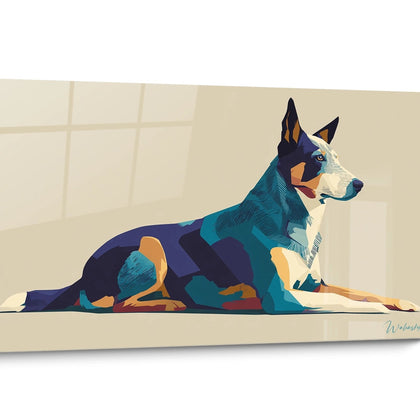
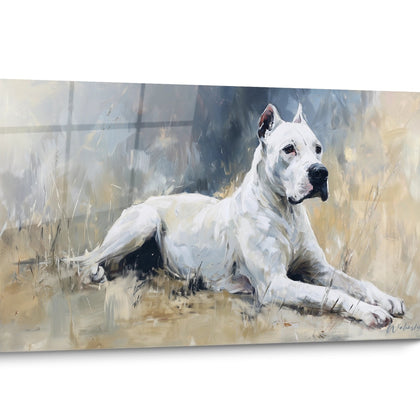
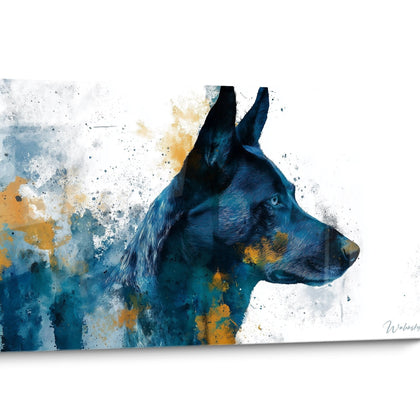
The Japanese Spitz wall art market offers stylistic diversity responding to varied decorative intentions. Hyperrealistic representations capturing every nuance of fluffy texture suit classic interiors or serious canine collections. Conversely, stylized graphic interpretations with simplified lines and color blocks harmonize with contemporary environments or bold decorative approaches.
Illustrations inspired by traditional Japanese prints (ukiyo-e) offer culturally coherent alternatives, merging Japanese artistic heritage with this breed's representation. These stylized versions frequently incorporate emblematic floral motifs like cherry blossoms or chrysanthemums, enriching the work's narrative dimension. Panoramic formats particularly exploit this narrative approach by creating contextualized scenes.
The psychological impact of Japanese Spitz in interior decoration
Beyond pure aesthetics, the visual presence of a Japanese Spitz generates specific emotional associations. This breed evokes loyalty, joyful liveliness, and refined elegance—qualities sought in family residential spaces. Compositions capturing the breed's characteristic smiling facial expression positively influence overall atmosphere, creating a welcoming ambiance particularly appreciated in shared living areas.
Professional spaces focused on well-being—yoga studios, meditation centers, spas—exploit this calming dimension to reinforce their visual identity. The immaculate whiteness of the coat symbolizes purity and mental clarity, concepts central to these therapeutic environments. Very large-format dimensions amplify this psychological impact by creating quasi-meditative presence.
Durability and permanence of decorative investment
Unlike ephemeral decorative trends, Japanese Spitz wall art represents a timeless choice anchored in century-old cultural tradition. The breed itself, officially recognized since 1948 by the Japanese Kennel Club, possesses historical legitimacy guaranteeing lasting relevance of its artistic representation. Discerning collectors consider these acquisitions as permanent decorative investments, resisting fluctuations of passing fashions.
Quality mural formats retain their visual impact long-term, particularly when protected from direct UV exposure that could alter the characteristic dazzling whiteness of the coat. This technical consideration influences optimal positioning, privileging walls perpendicular to windows rather than directly exposed.
Why does Japanese Spitz wall art suit minimalist spaces?
The natural chromatic simplicity of the Japanese Spitz, dominated by pure white, integrates perfectly into minimalist decorative philosophies privileging reduction of visual stimuli. The absence of complex color palette prevents sensory overload while maintaining a defined focal point, the balance sought in contemporary refined interiors.
How does Japanese Spitz wall art influence a room's spatial perception?
Representations of this breed in light tones visually generate an impression of spatial expansion, particularly effective in restricted or poorly lit spaces. White naturally reflecting available light, large formats create a light-amplification effect comparable to a mirror but without visual duplication, thus preserving space intimacy.
What is the symbolic value of Japanese Spitz in cultural decoration?
In Japan, the Spitz represents family loyalty and benevolent home protection, symbolism particularly valued in multigenerational residences. Integrating Japanese Spitz wall art manifests appreciation for these traditional values while celebrating a specific national canine heritage, a decorative approach charged with cultural meaning.


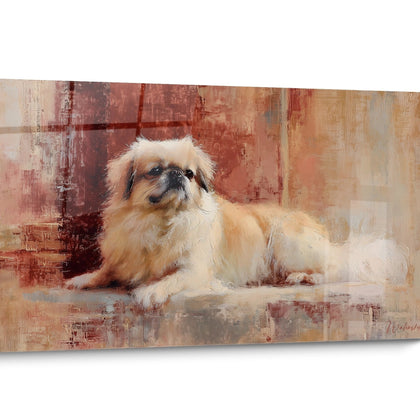
 White Japanese Spitz Lying on Pastel Golden Background - Golden Serenity - Japanese Spitz Edition233,90 €
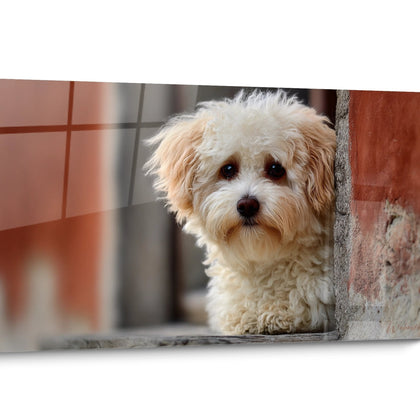
 Dog Portrait Painting with Beige and Cream Tones on Urban Background - Modern Softness - Japanese Spitz Edition233,90 €
 White Dog Painting with Rainbow Colors - Multicolor Portrait - Japanese Spitz Edition233,90 €
 White Japanese Spitz in Pastel Golden Clouds - Celestial Reverie - Japanese Spitz Edition233,90 €
 Fluid Portrait Canvas with Cream and Gold Tones - Contemplative Softness - Japanese Spitz Edition233,90 €
 White Japanese Spitz Painting by Window - Watercolor Softness - Japanese Spitz Edition233,90 €
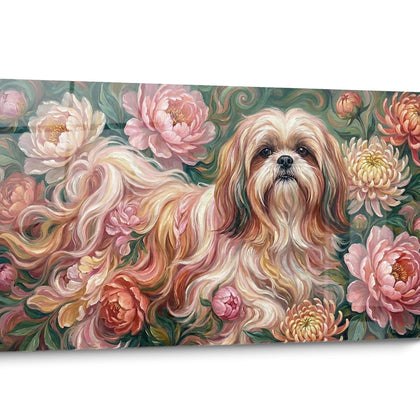
 White Japanese Spitz in a Garden of Peonies and Chrysanthemums Wall Art - Floral Harmony - Japanese Spitz Edition233,90 €
 White Dog Resting on Ancient Stone - Contemplative Gentleness - Japanese Spitz Edition233,90 €
 Japanese Spitz Leaping in Ocean Foam - Oceanic Brilliance - Japanese Spitz Edition233,90 €
 Black and White Portrait Canvas with Noble Gaze - Timeless Elegance - Japanese Spitz Edition233,90 €
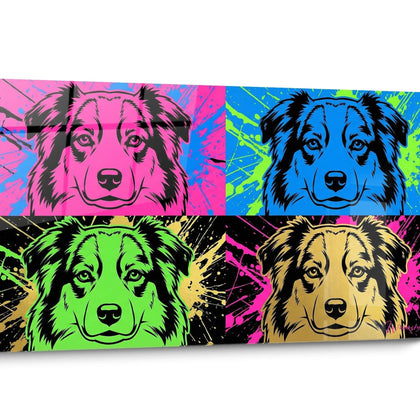
 White Dog Pop Art Wall Art Pink Magenta Blue Yellow - Colorful Explosion - Japanese Spitz Edition233,90 €
 White Dog Painting in Golden Light with Bokeh Effects - Luminous Softness - Japanese Spitz Edition233,90 €
 Luminous Portrait Wall Art with Beige and Cream Tones - Endearing Smile - Japanese Spitz Edition233,90 €
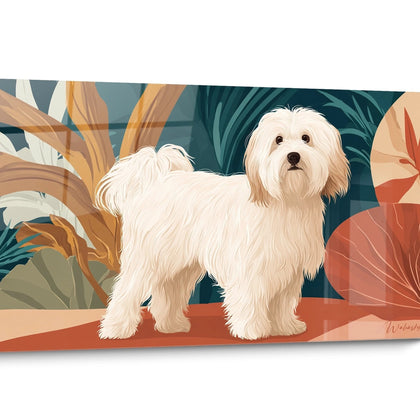
 White Dog Painting with Silky Coat in Japanese Garden with Pink and Green Tones - Oriental Serenity - Japanese Spitz Edition233,90 €
 White Dog Painting with Blue Watercolor Tones on Sunny Terrace - Morning Tenderness - Japanese Spitz Edition233,90 €
 White Portrait on Dark Blue Floral Background - Floral Elegance - Japanese Spitz Edition233,90 €
 Portrait Painting with Tender Gaze on Golden Autumn Background - Canine Softness - Japanese Spitz Edition233,90 €
 Japanese Spitz with Autumn Hues in a Forest Landscape - Natural Elegance - Japanese Spitz Edition233,90 €
 White Sitting Dog Portrait Gray Nuanced Background - Elegant Portrait - Japanese Spitz Edition233,90 €
 White Dog Painting Silky Coat on Tree Trunk - Luminous Portrait - Japanese Spitz Edition233,90 €
 Japanese Spitz Dog Painting Pink Tongue Smiling Blue Watercolor - Canine Happiness - Japanese Spitz Edition213,90 €
 White Dog Silky Coat Under Orange Blossoms - Spring Tenderness - Japanese Spitz Edition213,90 €
 Smiling Portrait Wall Art Radiant White Coat Pictorial Style - Canine Tenderness - Japanese Spitz Edition213,90 €