


Keeshond Dog Wall Art
Our Keeshond Wall Art collection celebrates the natural elegance of this Nordic dog with its silver coat. Each artwork captures the endearing personality and expressive gaze of the Keeshond, creating a warm atmosphere in your space. Perfect for lovers of Nordic dog breeds, this artistic collection transforms your walls into a gallery dedicated to this iconic breed. Explore our selection of Keeshond portraits and treat yourself to unique wall decor that reflects your passion.
 Keeshond Fawn Coat on Icy Blue Glacial Landscape - Arctic Escape - Keeshond Edition242,90 €
 Expressive Keeshond Canvas with Vigorous Brushstrokes - Sienna and Ochre Palette - Keeshond Edition273,90 €
 Expressive Keeshond Painting with Warm and Abstract Nuances - Artistic Power - Keeshond Edition273,90 €
 Majestic Keeshond on Amsterdam Quay with Golden Reflections - Dutch Beauty - Keeshond Edition273,90 €
 Dog Canvas with Stained Glass Tones and Purple Green Northern Lights - Celestial Mosaic - Keeshond Edition273,90 €
 Multicolor Keeshond Painting with Orange Bowl - Artistic Feast - Keeshond Edition273,90 €
 Smiling Keeshond Painting with Beige and Brown Tones - Joyful Portrait with Expressive Brushstrokes - Keeshond Edition273,90 €
 Majestic Keeshond Beneath Swirling Starry Sky Amsterdam - Impressionist Nocturne Dream - Keeshond Edition273,90 €
 Keeshond on Frozen Ice Rink with Traditional Mills - Dutch Frozen Pleasures - Keeshond Edition273,90 €
 Grey Keeshond on Fishing Boat at Sunset - Faithful Companion - Keeshond Edition273,90 €
 Smiling Keeshond Among Colorful Tulips Pointillist Style - Floral Happiness - Keeshond Edition273,90 €
 Dog Portrait Painting with Vibrant Turquoise Orange and Purple Colors - Radiant Smile - Keeshond Edition273,90 €
 Silver Keeshond and Flying Bird on Green Graffiti Background - Street Animal Art - Keeshond Edition273,90 €
 Keeshond Painting with Turquoise Aquatic Highlights - Mystical Dive - Keeshond Edition273,90 €
 Keeshond Wall Art with Warm Tones in Wood and Chairs Decor - Faithful Companion - Keeshond Edition273,90 €
 Keeshond Painting in Motion Within Grey and Blue Aquatic Vortex - Natural Power - Keeshond Edition273,90 €
 Keeshond Painting with Pearlescent Tones in Misty Landscape with Mills - Impressionist Dutch Atmosphere - Keeshond Edition273,90 €
 Trio of Young Keeshonds with Cream and Grey Coats in Warm Tones Harmony - Fraternal Complicity - Keeshond Edition273,90 €
 Roaring Keeshond Painting with Golden Bursts and Black Expressionist Strokes - Wild Power - Keeshond Edition273,90 €
 Keeshond Relaxed Canvas in Golden Tones in Refined Interior - Domestic Serenity - Keeshond Edition273,90 €
 Leaping Keeshond Wall Art in Golden and Silver Spiral - Spirit of Freedom - Keeshond Edition273,90 €
 Golden-Coated Keeshond Duo in Light Canvas - Canine Complicity - Keeshond Edition273,90 €
 Spirited Keeshond on Vibrant Blue and Orange Background Contemporary Style - Dynamic Canine Art - Keeshond Edition273,90 €
 Grey-Toned Keeshond Lying in a Blanket Painting - Peaceful Rest - Keeshond Edition273,90 €
Explore further
In Keeshond Dog Wall Art
-
 Keeshond Dog Pop Art Canvas4
artworks
Keeshond Dog Pop Art Canvas4
artworks
-
 Expressionist Keeshond Dog Painting4
artworks
Expressionist Keeshond Dog Painting4
artworks
-
 Golden Keeshond Dog Canvas10
artworks
Golden Keeshond Dog Canvas10
artworks
-
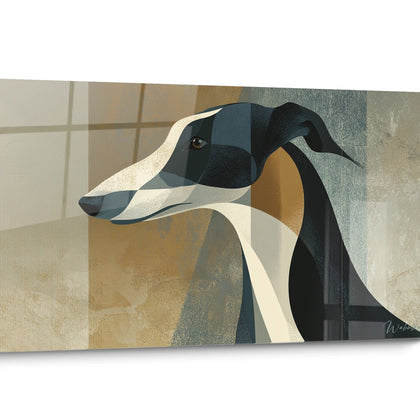 Sakuki Dog Canvas21
artworks
Sakuki Dog Canvas21
artworks
-
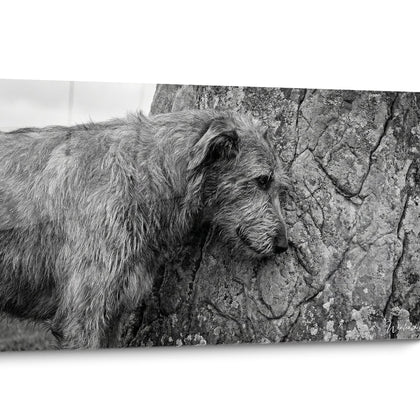 Irish Wolfhound Dog Wall Art38
artworks
Irish Wolfhound Dog Wall Art38
artworks
-
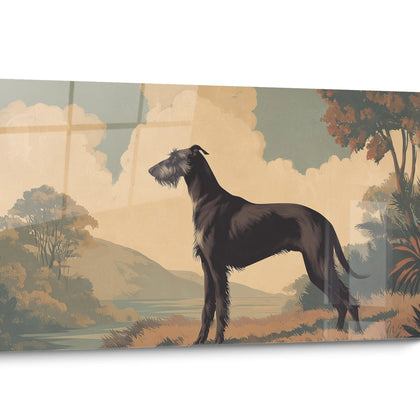 Deerhound Dog Painting21
artworks
Deerhound Dog Painting21
artworks
-
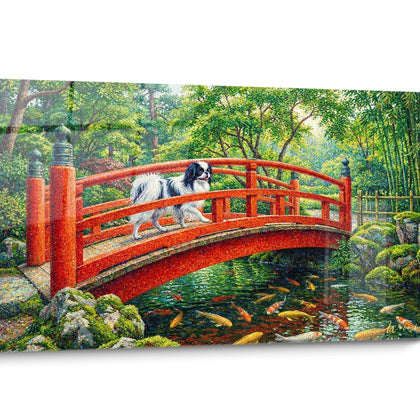 Japanese Spaniel Dog Canvas29
artworks
Japanese Spaniel Dog Canvas29
artworks
-
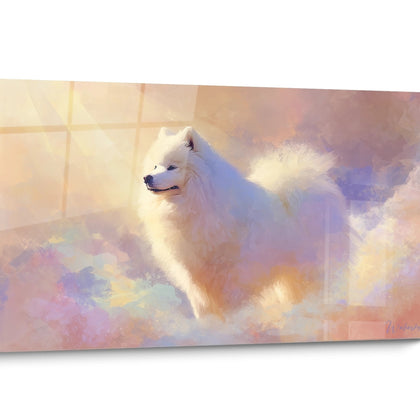 Japanese Spitz Dog Wall Art23
artworks
Japanese Spitz Dog Wall Art23
artworks
-
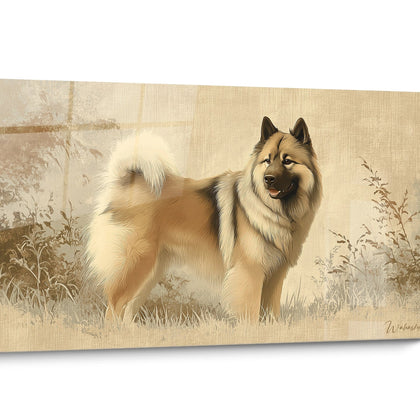 Eurasier Dog Wall Art20
artworks
Eurasier Dog Wall Art20
artworks
-
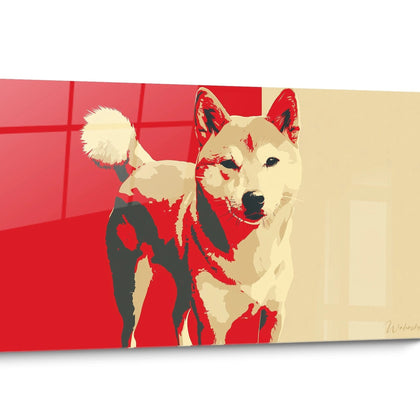 Shiba Inu Dog Wall Art41
artworks
Shiba Inu Dog Wall Art41
artworks
-
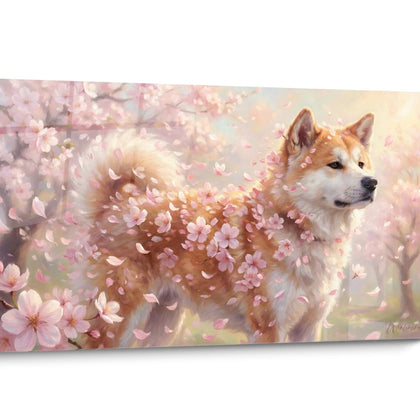 Akita Inu Dog Wall Art36
artworks
Akita Inu Dog Wall Art36
artworks
-
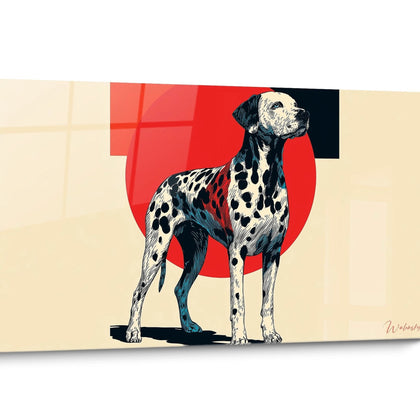 Dalmatian Wall Art30
artworks
Dalmatian Wall Art30
artworks
-
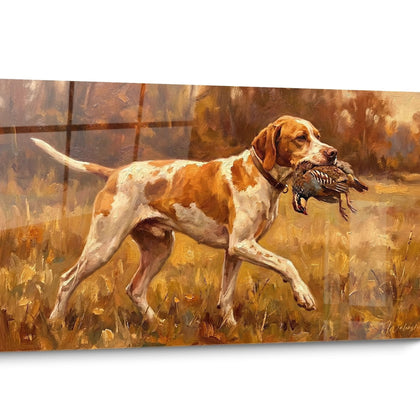 English Pointer Dog Canvas Art37
artworks
English Pointer Dog Canvas Art37
artworks
-
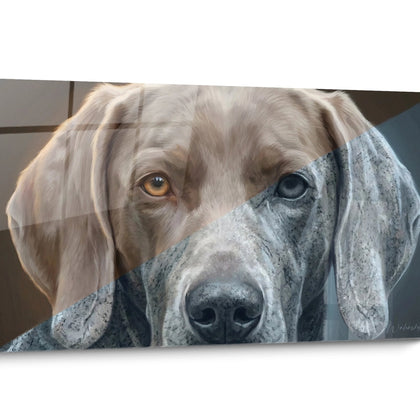 Weimaraner Dog Painting30
artworks
Weimaraner Dog Painting30
artworks
-
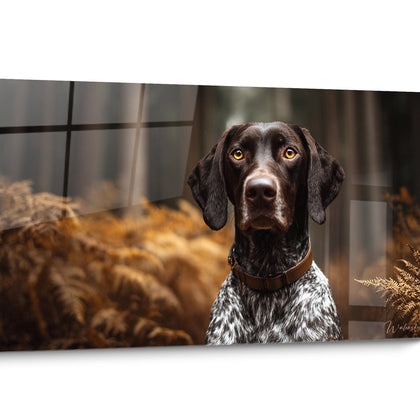 German Shorthaired Pointer Dog Painting26
artworks
German Shorthaired Pointer Dog Painting26
artworks
-
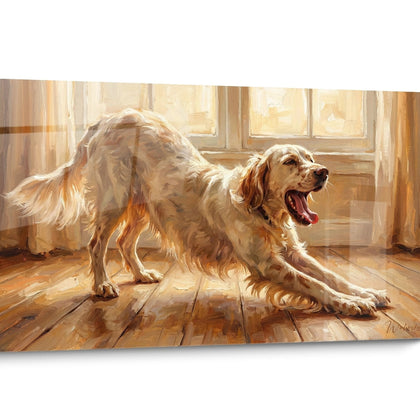 English Setter Dog Art34
artworks
English Setter Dog Art34
artworks
-
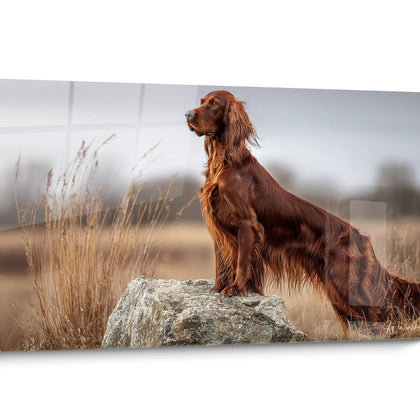 Irish Setter Dog Painting36
artworks
Irish Setter Dog Painting36
artworks
-
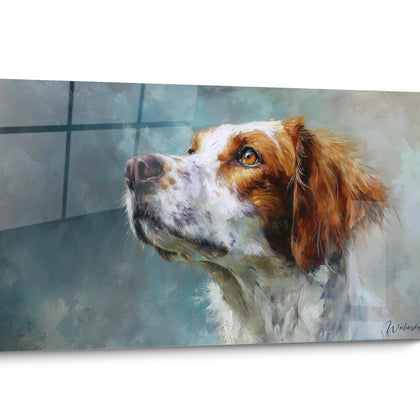 Brittany Spaniel Dog Painting35
artworks
Brittany Spaniel Dog Painting35
artworks
-
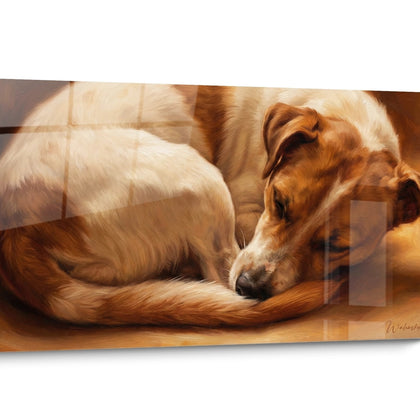 Jack Russell Terrier Dog Wall Art35
artworks
Jack Russell Terrier Dog Wall Art35
artworks
-
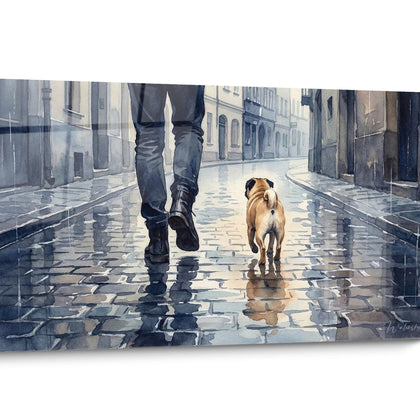 Pug Wall Art23
artworks
Pug Wall Art23
artworks
-
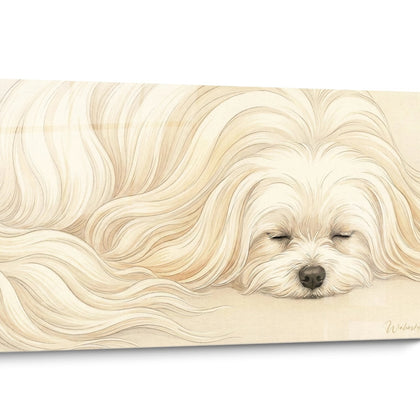 Maltese Bichon Dog Canvas40
artworks
Maltese Bichon Dog Canvas40
artworks
-
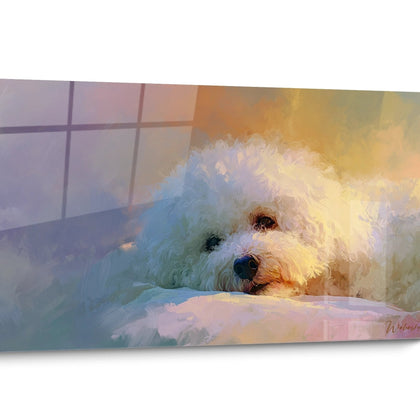 Bichon Frise Dog Wall Art26
artworks
Bichon Frise Dog Wall Art26
artworks
-
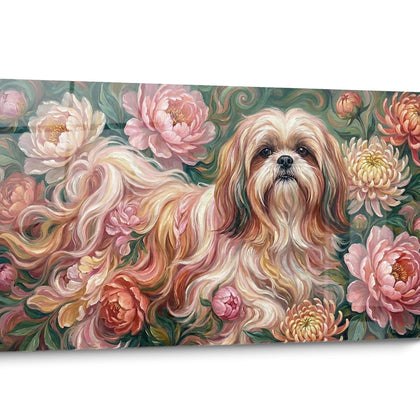 Shih Tzu Dog Wall Art28
artworks
Shih Tzu Dog Wall Art28
artworks
-
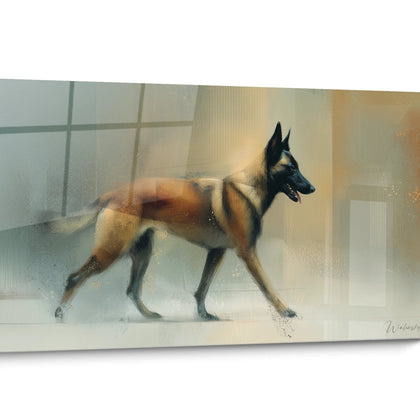 Belgian Malinois Dog Canvas36
artworks
Belgian Malinois Dog Canvas36
artworks
-
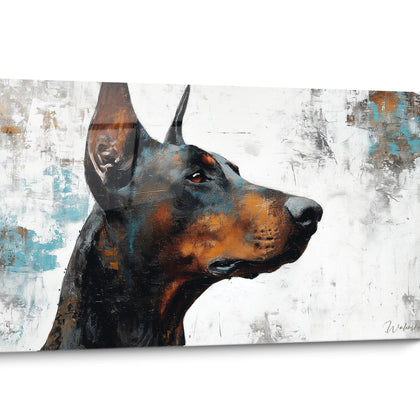 Doberman Dog Wall Art32
artworks
Doberman Dog Wall Art32
artworks
-
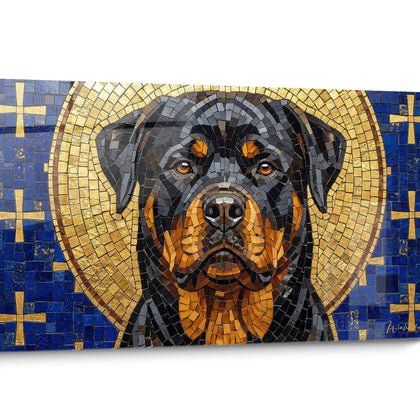 Rottweiler Dog Wall Art32
artworks
Rottweiler Dog Wall Art32
artworks
-
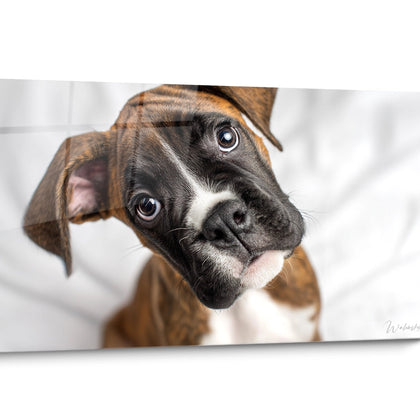 Boxer Dog Wall Art27
artworks
Boxer Dog Wall Art27
artworks
-
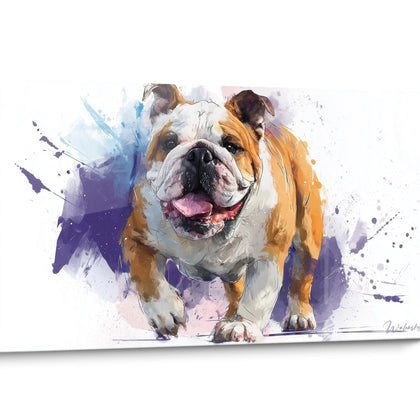 English Bulldog Wall Art32
artworks
English Bulldog Wall Art32
artworks
-
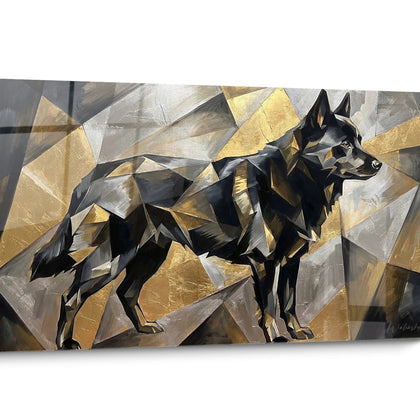 Schipperke Dog Wall Art32
artworks
Schipperke Dog Wall Art32
artworks
-
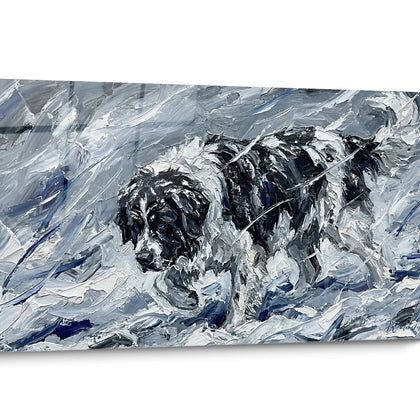 Landseer Dog Canvas33
artworks
Landseer Dog Canvas33
artworks
-
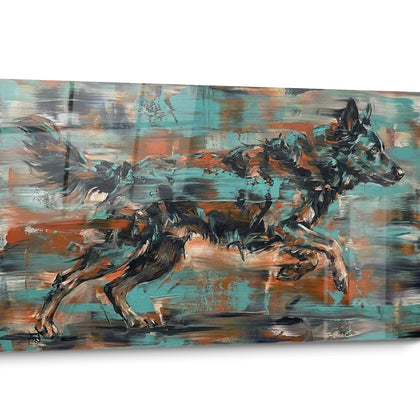 Mudi Dog Wall Art24
artworks
Mudi Dog Wall Art24
artworks
-
 Chihuahua Dog Wall Art25
artworks
Chihuahua Dog Wall Art25
artworks
-
 Beagle Dog Wall Art27
artworks
Beagle Dog Wall Art27
artworks
-
 Cavalier King Charles Dog Canvas28
artworks
Cavalier King Charles Dog Canvas28
artworks
-
 Border Collie Dog Canvas21
artworks
Border Collie Dog Canvas21
artworks
-
 German Shepherd Wall Art35
artworks
German Shepherd Wall Art35
artworks
-
 French Bulldog Wall Art32
artworks
French Bulldog Wall Art32
artworks
-
 Golden Retriever Dog Painting31
artworks
Golden Retriever Dog Painting31
artworks
-
 Australian Shepherd Wall Art35
artworks
Australian Shepherd Wall Art35
artworks
-
 English Cocker Spaniel Dog Canvas32
artworks
English Cocker Spaniel Dog Canvas32
artworks
-
 Poodle Canvas53
artworks
Poodle Canvas53
artworks
-
 Pomeranian Spitz Dog Canvas Art33
artworks
Pomeranian Spitz Dog Canvas Art33
artworks
-
 Siberian Husky Dog Wall Art36
artworks
Siberian Husky Dog Wall Art36
artworks
-
 Staffordshire Bull Terrier Dog Wall Art33
artworks
Staffordshire Bull Terrier Dog Wall Art33
artworks
-
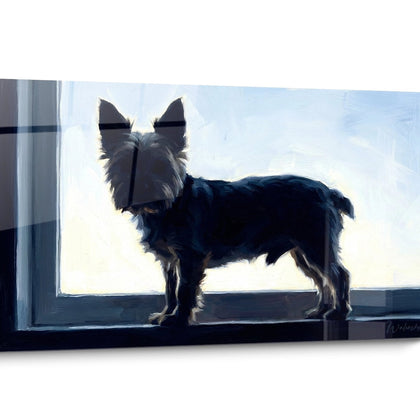 Yorkshire Terrier Dog Wall Art31
artworks
Yorkshire Terrier Dog Wall Art31
artworks
-
 Dachshund Wall Art24
artworks
Dachshund Wall Art24
artworks
-
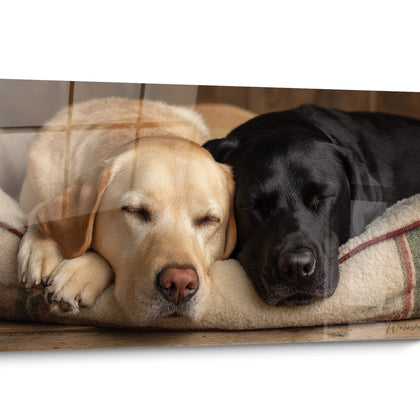 Labrador Retriever Wall Art25
artworks
Labrador Retriever Wall Art25
artworks
-
 Chow Chow Dog Wall Art25
artworks
Chow Chow Dog Wall Art25
artworks
-
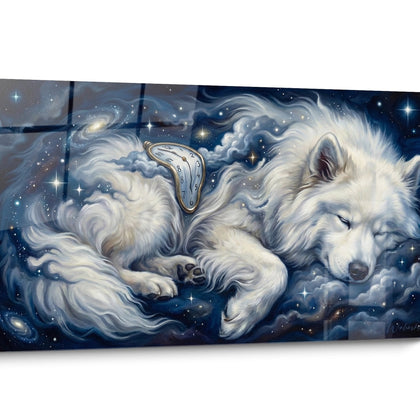 Samoyed Dog Wall Art37
artworks
Samoyed Dog Wall Art37
artworks
-
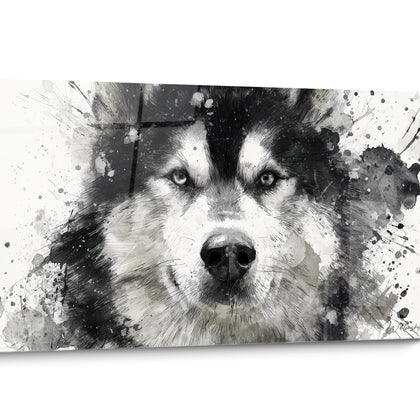 Alaskan Malamute Dog Wall Art30
artworks
Alaskan Malamute Dog Wall Art30
artworks


All about Keeshond Dog Wall Art
- Presentation Painting Keeshond
- Symbolism and Character
- Specific Decorative Integration
- Optimal Choice and Placement
The painting Keeshond celebrates this iconic Dutch breed, recognizable by its distinctive silver-gray coat and characteristic mischievous expression. These large-scale wall representations capture the jovial personality and natural elegance of the Keeshond, formerly known as the Dutch wolf dog. Each creation highlights the distinctive traits of this patriotic Dutch breed: its spectacular ruff, the natural glasses formed by the markings around the eyes, and its legendary smile. Acquiring a painting Keeshond allows enthusiasts of this Nordic spitz breed to honor their companion or their affection for this dog historically associated with Dutch barges. The available monumental formats offer a striking visual presence, transforming any space into a vibrant tribute to this breed with a balanced temperament and captivating charm.
The Keeshond as an Emblem of Loyalty and Dutch History
The painting Keeshond transcends the simple canine representation to become a true cultural symbol. This breed, named after Cornelis "Kees" de Gyselaer, a Dutch patriotic leader of the 18th century, embodies the spirit of resistance and unwavering loyalty. Integrating a wall representation of this spitz breed means welcoming into your home a piece of Dutch history, a tangible connection with the traditions of the boatmen and bargemen who sailed the canals of Amsterdam.
Why does the Keeshond appeal to collectors of Nordic animal art?
Lovers of dog paintings focused on spitz breeds immediately recognize the particular appeal of the Keeshond. Its layered fur offers a fascinating visual challenge for artists, creating exceptional depth effects. Variations in gray, from charcoal to platinum, generate sophisticated color compositions that naturally harmonize with Scandinavian, industrial, or sleek contemporary interiors.
The distinctive expression of the Keeshond in contemporary wall art
What fundamentally differentiates a painting Keeshond from other canine representations is the capture of its sparkling, intelligent gaze. The natural facial markings, notably these characteristic "glasses" formed by the dark fur around the eyes, create an emotional intensity rarely matched. Large-format creations amplify this visual connection, establishing an almost hypnotic contact with the observer that recalls the breed's attentive temperament.
Collectors of Dutch spitz breeds: a passionate niche market
Acquiring a Keeshond painting often responds to a deep emotional approach. Current or former owners of this breed seek to immortalize their deceased companion or to celebrate their faithful friend. This emotional dimension explains the growing demand for imposing formats capable of recreating the charismatic presence of the Keeshond. Generous dimensions recreate the visual impact of this medium-sized breed, avoiding the miniaturization that would betray its robust character.
Spatial Enhancement and Exhibition Contexts of the Keeshond Painting
How to integrate a Keeshond painting into an interior with a nautical theme?
The nautical history of the Keeshond as a traditional companion of Dutch bargees inspires particular decorative associations. A Keeshond painting finds its maximum resonance in environments evoking the river universe: libraries with patinated woodwork, reception areas adorned with maritime elements, or professional offices of companies involved in international trade. This historical connection confers a narrative depth absent from simple decorative dog portraits.
The naturally cool tones of the Keeshond's coat – steel grey, lunar silver, charcoal – harmonize exceptionally well with color palettes inspired by Nordic water and sky. This color synergy allows for subtle integrations into sophisticated decorative universes where other breeds with bright colors would create visual dissonances.
The psychological impact of monumental formats
The imposing presence of a large-scale Keeshond painting generates a particular welcoming effect. Unlike guard breeds whose massive representation can intimidate, the Keeshond simultaneously projects vigilance and benevolence. This emotional duality makes it a strategic choice for professional spaces receiving the public: veterinary clinics specializing in Nordic breeds, high-end kennels, or waiting rooms of dog breeders.
Specific decorative complementarities for Dutch interiors
Lovers of classic Dutch aesthetics discover in the Keeshond painting an organic complement to Flemish still lifes and windmill landscapes. This heritage breed naturally fits into a visual narrative celebrating the cultural heritage of the Netherlands. Collectors of Delft pottery or antique Dutch furniture particularly appreciate this thematic consistency that transforms a simple decorative purchase into an element of a thoughtful curatorial collection.
Spaces dedicated to memories of travel in the Netherlands also benefit from this emblematic representation. Paired with photographs of Amsterdam or reproductions of Dutch masters, the Keeshond painting anchors touristic memories within an authentic cultural continuity.
Selection Criteria and Strategic Positioning of the Keeshond Painting
What anatomical details should be sought in a faithful representation?
The authenticity of a Keeshond painting is verified by the precision of specific anatomical details. Experts examine the reproduction of the tail proudly curled over the back, a morphological signature of this spitz breed. The luxuriant ruff forming a lion mane around the neck is another marker of accuracy. Quality representations also capture the characteristic compact proportions , avoiding excessive elongation that would betray confusion with other spitz breeds.
The color palette requires particular attention: a true Keeshond has a multi-layered coat with black tips creating a distinctive shaded effect. Artistic creations respectful of this complexity offer a superior visual depth that justifies the investment in imposing formats.
Optimal positioning to maximize emotional impact
The height of placement of a Keeshond painting directly influences the emotional connection established. Unlike representations of giant breeds benefiting from a high placement suggesting power, the Keeshond is best positioned at eye level when seated. This configuration reproduces the natural interaction with the breed, known for its habit of sitting close to its owners and establishing prolonged eye contact.
How does a Keeshond painting enhance spaces dedicated to pets?
Homeowners designing specific zones for their canine companions – dining areas, resting spaces – find a unifying element in the Keeshond wall art. This representation celebrates the central role of the dog in the home, transforming a functional space into an affectionate sanctuary. Generous formats create a protective and comforting presence, particularly appreciated during the temporary absence of the real companion.
Professional Keeshond breeders strategically use these representations within their facilities to communicate their specialization and passion. An imposing wall art in the reception area immediately signals breed expertise and creates a strong visual identity differentiating the establishment from multi-breed kennels.
Is a Keeshond wall art suitable for covered outdoor spaces?
Verandas, enclosed pergolas, and sheltered patios can accommodate Keeshond representations provided they are protected from excessive humidity. This breed having historically lived on barges exposed to the elements, a certain poetry exists in placing its likeness in transitional interior-exterior zones, evoking its ancestral role as a vigilant guardian of boats.
What minimum size guarantees immediate breed recognition?
For the distinctive characteristics of the Keeshond – facial markings, ruff, specific markings – to remain clearly identifiable from a distance, a minimum format is required. Large-scale creations ensure that even non-initiated observers instantly recognize the breed, creating a conversation starter and point of interest in social spaces.
Do Keeshond wall arts blend into multi-breed collections?
In wall compositions celebrating multiple dog breeds, the Keeshond provides a representation of European spitz dogs often underrepresented compared to shepherds or retrievers. Its neutral color palette facilitates visual harmonization with breeds of varying colors, while its friendly expression balances representations of breeds with more serious temperaments.
Further reading
Our articles on this topic
- Golden Keeshond painting: creating a cozy atmosphere through light and textures
- Schipperke painting for a light-toned contemporary living room: how to make the contrast work
- Schipperke: the small black Belgian dog that inspires wall art
- Which wall art to choose for a keeshond owner
- How to integrate a keeshond portrait into Scandinavian decor
- Original gift idea for a Keeshond dog lover: the painting that hits the mark on any occasion
L'art qui suscite l'envie
Maison belge d'art mural grand format
14 jourspour changer d'avis*
Protection Walenskyincluse
Fabriquéen Italie
FormatXXL
Kit de fixationtoujours fourni
* Hors tableaux personnalisés et tailles personnalisées


