


Dutch Shepherd Dog Canvas
Our Canvas Dutch Shepherd collection celebrates the nobility and intelligence of this exceptional breed. Each artwork captures with refinement the natural elegance and loyal character of the Dutch Shepherd in wall decor. These artistic creations reveal the beauty of its distinctive brindle coat and its keen, attentive gaze. Perfect for canine lovers and enthusiasts of this Dutch breed, these decorative Dutch Shepherd canvases bring an authentic touch to your living room, office or personal space.
 Dutch Shepherd with Piercing Gaze in Nature - Majestic Canine Portrait - Dutch Shepherd Edition273,90 €
 Dutch Shepherd Profile Portrait Wall Art with Intense Gaze - Canine Nobility - Dutch Shepherd Edition273,90 €
 Dutch Shepherd Silhouette Wall Art Black and White - Noble Gaze - Dutch Shepherd Edition273,90 €
 Deep Blue Dog Painting with Golden Splashes - Watercolor Portrait - Dutch Shepherd Edition273,90 €
 Dog Golden Silhouette in the Clouds Wall Art - Celestial Guardian - Dutch Shepherd Edition273,90 €
 Blue Dutch Shepherd with Amber Eyes on Purple Floral Background Artwork - Color Harmony - Dutch Shepherd Edition273,90 €
 Double Portrait of Dutch Shepherds with Golden Hues Canvas - Crossed Glances - Dutch Shepherd Edition273,90 €
 Dutch Shepherd Black and White Portrait Painting Artistic - Canine Elegance - Dutch Shepherd Edition273,90 €
 Dutch Shepherd Portrait Painting Red and Beige - Retro Engraving - Dutch Shepherd Edition273,90 €
 Dutch Shepherd Silhouette Sunset Canvas - Golden Light - Dutch Shepherd Edition273,90 €
 Dutch Shepherd Portrait Painting with Gold and Black Tones - Deep Gaze - Dutch Shepherd Edition273,90 €
 Blue Dog with Golden Eyes on Geometric Background - Hypnotic Portrait - Dutch Shepherd Edition273,90 €
 Dutch Shepherd Portrait Watercolor Ochre and Black Canvas - Intense Gaze - Dutch Shepherd Edition273,90 €
 Dutch Shepherd Portrait Majestic Gaze with Amber Eyes - Canine Nobility - Dutch Shepherd Edition273,90 €
 Dark Dutch Shepherd Portrait with Golden Gaze - Noble Portrait by the Water - Dutch Shepherd Edition273,90 €
 Dutch Shepherd Portrait Colorful Orange Background Painting - Pop Art Canine - Dutch Shepherd Edition273,90 €
 Canine Portrait Painting with Amber Eyes - Intense Gaze - Dutch Shepherd Edition273,90 €
 Dutch Shepherd Amber Eyes Canvas Striking Portrait - Intense Gaze - Dutch Shepherd Edition273,90 €
 Dutch Shepherd with Amber Eyes in Wild Grass - Intense Gaze - Dutch Shepherd Edition228,90 €
 Dutch Shepherd with Amber Eyes - Watercolour Portrait - Dutch Shepherd Edition228,90 €
 Dutch Shepherd Portrait Black and White - Piercing Gaze - Dutch Shepherd Edition228,90 €
 Dog Painting with Blue and Orange Tones on Geometric Background - Modern Portrait - Dutch Shepherd Edition228,90 €
 Dutch Shepherd Watercolor Portrait Canvas - Noble Gaze - Dutch Shepherd Edition228,90 €
 Dutch Shepherd Blue with Golden Eyes on Geometric Yellow Background - Modern Canine Portrait - Dutch Shepherd Edition228,90 €
Explore further
In Dutch Shepherd Dog Canvas
-
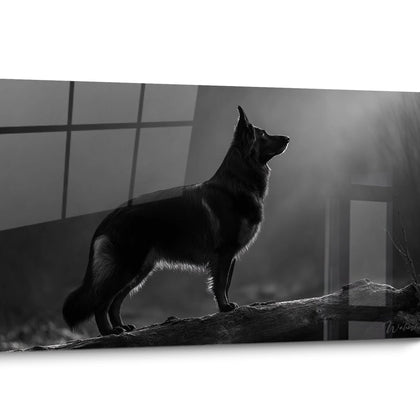 Dutch Shepherd Dog Black and White Wall Art3
artworks
Dutch Shepherd Dog Black and White Wall Art3
artworks
-
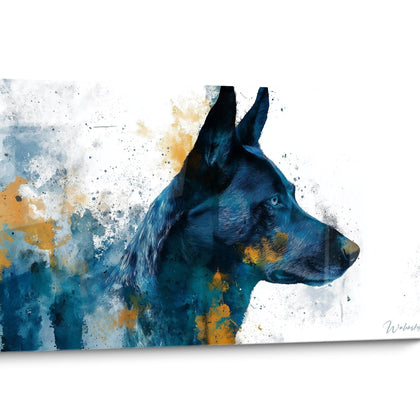 Dutch Shepherd Dog Watercolor Wall Art4
artworks
Dutch Shepherd Dog Watercolor Wall Art4
artworks
-
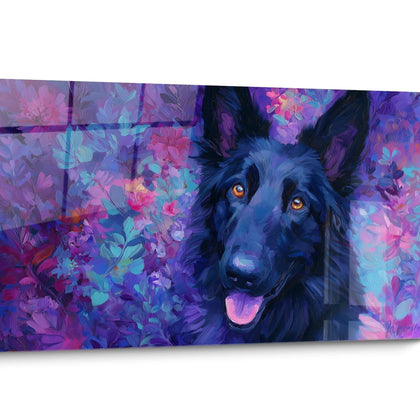 Dutch Shepherd Dog Pop Art Canvas3
artworks
Dutch Shepherd Dog Pop Art Canvas3
artworks
-
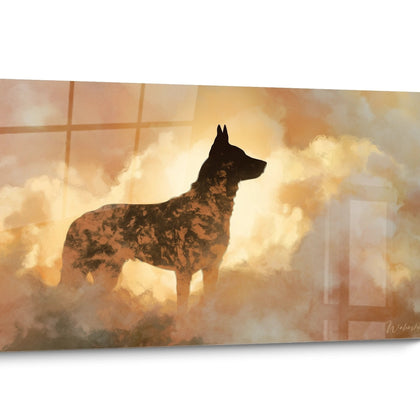 Golden Dutch Shepherd Dog Wall Art5
artworks
Golden Dutch Shepherd Dog Wall Art5
artworks
-
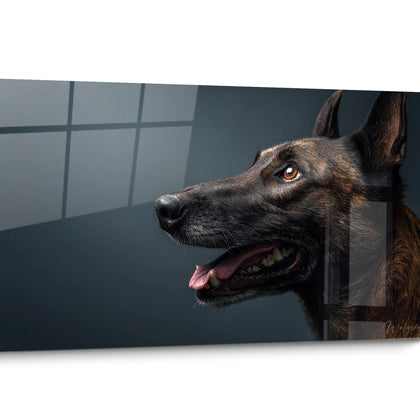 Dutch Shepherd Dog Portrait Wall Art12
artworks
Dutch Shepherd Dog Portrait Wall Art12
artworks
-
 Dutch Shepherd Dog Geometric Wall Art3
artworks
Dutch Shepherd Dog Geometric Wall Art3
artworks
-
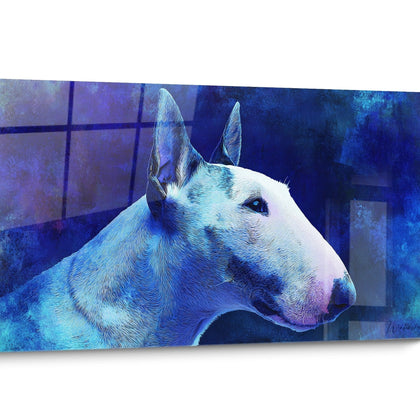 Bull Terrier Dog Wall Art22
artworks
Bull Terrier Dog Wall Art22
artworks
-
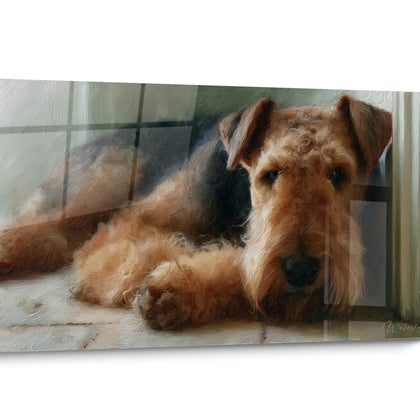 Airedale Terrier Dog Wall Art22
artworks
Airedale Terrier Dog Wall Art22
artworks
-
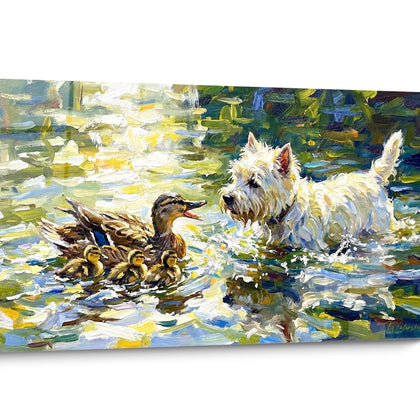 West Highland White Terrier Dog Canvas29
artworks
West Highland White Terrier Dog Canvas29
artworks
-
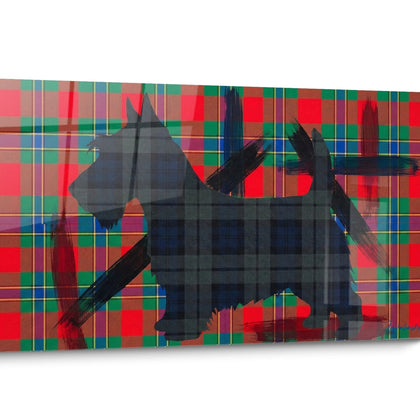 Scottish Terrier Dog Wall Art30
artworks
Scottish Terrier Dog Wall Art30
artworks
-
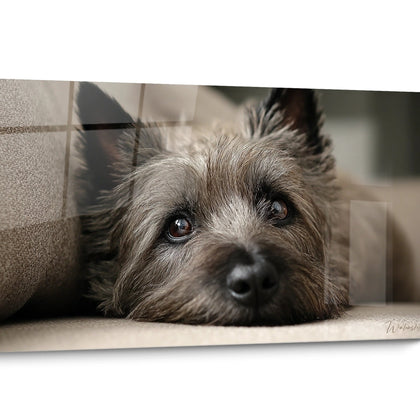 Cairn Terrier Dog Wall Art36
artworks
Cairn Terrier Dog Wall Art36
artworks
-
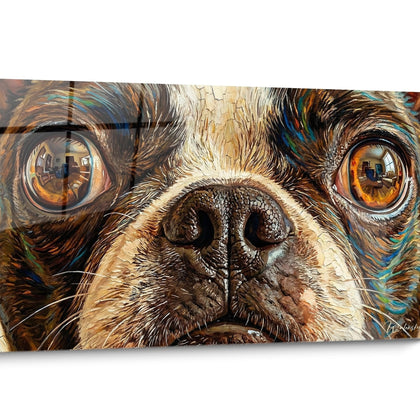 Boston Terrier Dog Wall Art30
artworks
Boston Terrier Dog Wall Art30
artworks
-
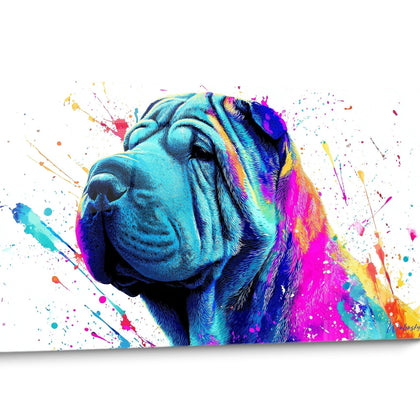 Shar Pei Dog Wall Art34
artworks
Shar Pei Dog Wall Art34
artworks
-
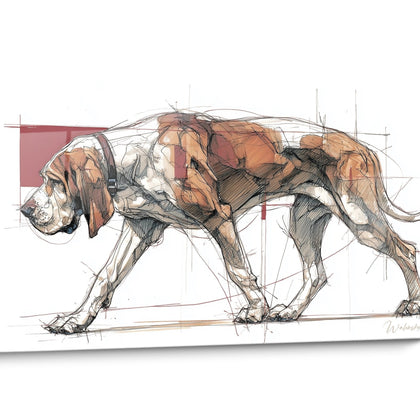 Bloodhound Dog Canvas28
artworks
Bloodhound Dog Canvas28
artworks
-
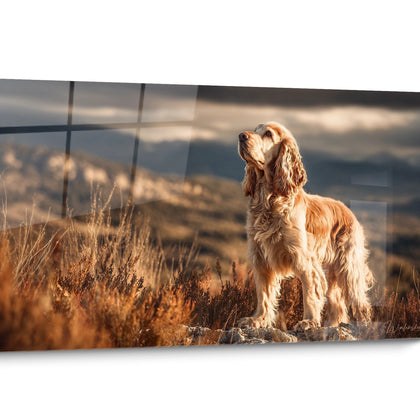 American Cocker Spaniel Wall Art36
artworks
American Cocker Spaniel Wall Art36
artworks
-
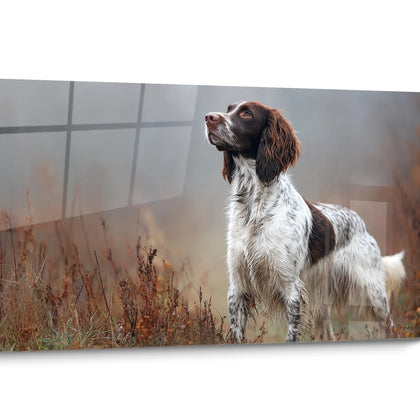 English Springer Spaniel Dog Painting32
artworks
English Springer Spaniel Dog Painting32
artworks
-
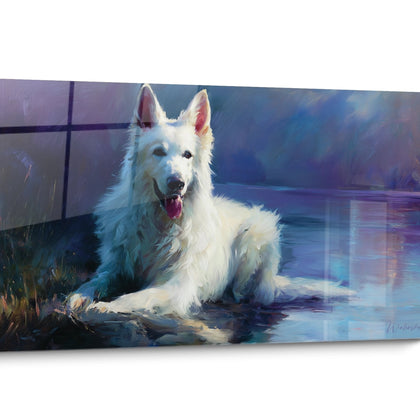 White Swiss Shepherd Dog Wall Art29
artworks
White Swiss Shepherd Dog Wall Art29
artworks
-
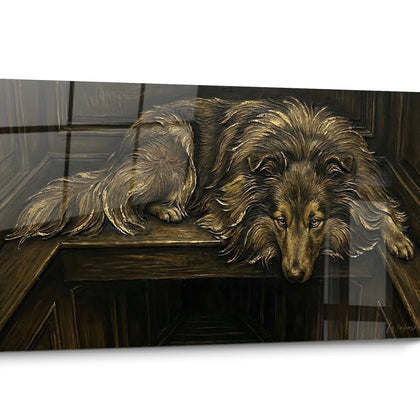 Shetland Sheepdog Wall Art32
artworks
Shetland Sheepdog Wall Art32
artworks
-
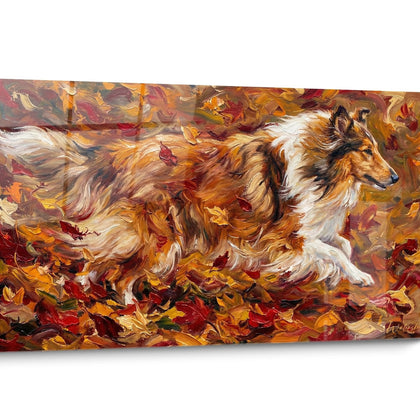 Collie Wall Art33
artworks
Collie Wall Art33
artworks
-
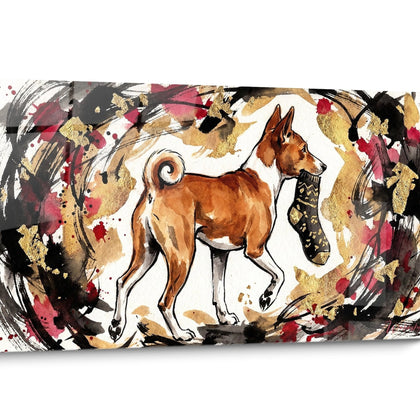 Basenji Dog Wall Art50
artworks
Basenji Dog Wall Art50
artworks
-
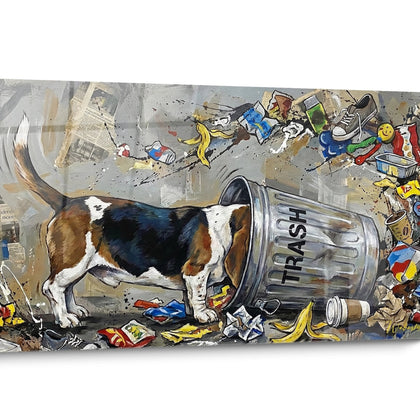 Basset Hound Dog Canvas Art35
artworks
Basset Hound Dog Canvas Art35
artworks
-
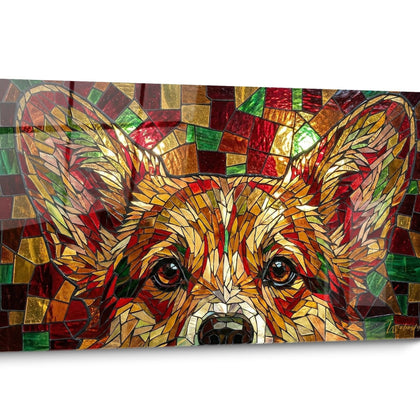 Corgi Pembroke Dog Canvas51
artworks
Corgi Pembroke Dog Canvas51
artworks
-
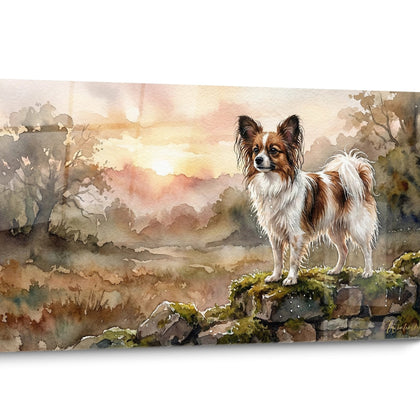 Papillon Dog Wall Art47
artworks
Papillon Dog Wall Art47
artworks
-
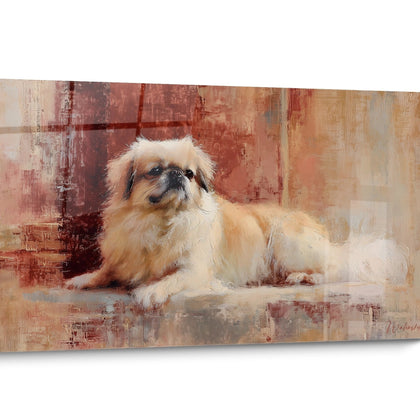 Pekingese Dog Painting29
artworks
Pekingese Dog Painting29
artworks
-
 Lhassa Apso Dog Wall Art32
artworks
Lhassa Apso Dog Wall Art32
artworks
-
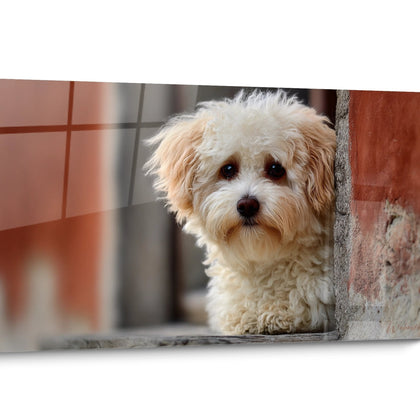 Havanese Dog Canvas Art28
artworks
Havanese Dog Canvas Art28
artworks
-
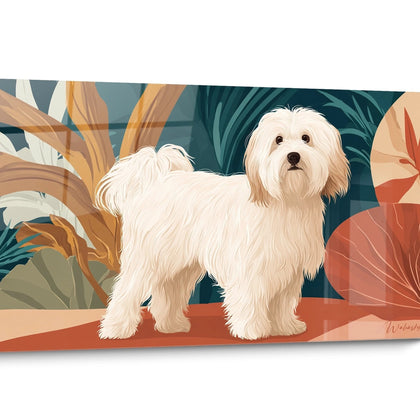 Cotton de Tulear Dog Wall Art20
artworks
Cotton de Tulear Dog Wall Art20
artworks
-
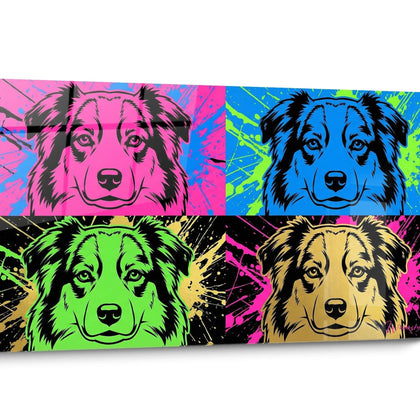 Miniature American Shepherd Dog Wall Art32
artworks
Miniature American Shepherd Dog Wall Art32
artworks
-
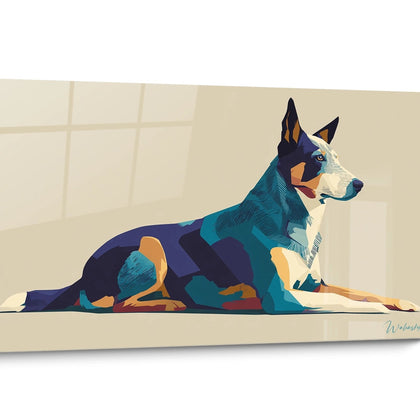 Australian Cattle Dog Wall Art21
artworks
Australian Cattle Dog Wall Art21
artworks
-
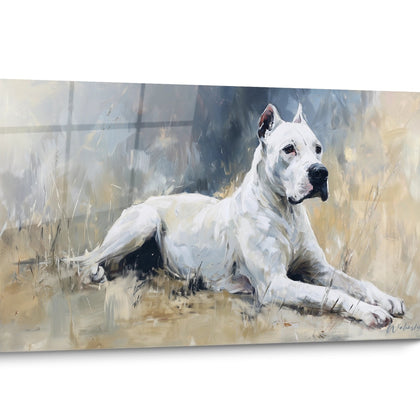 Argentine Dogue Wall Art24
artworks
Argentine Dogue Wall Art24
artworks
-
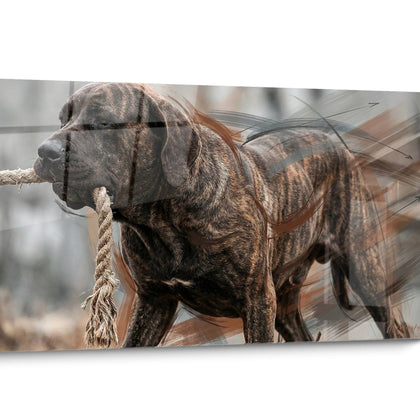 Fila Brasileiro Dog Canvas23
artworks
Fila Brasileiro Dog Canvas23
artworks
-
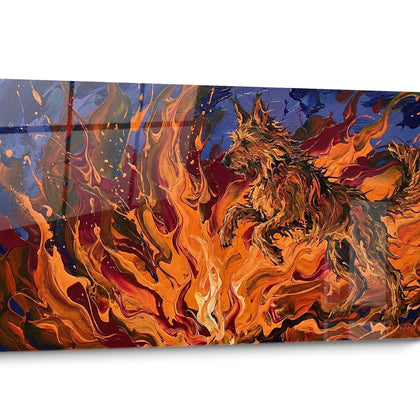 Picardy Shepherd Dog Canvas30
artworks
Picardy Shepherd Dog Canvas30
artworks
-
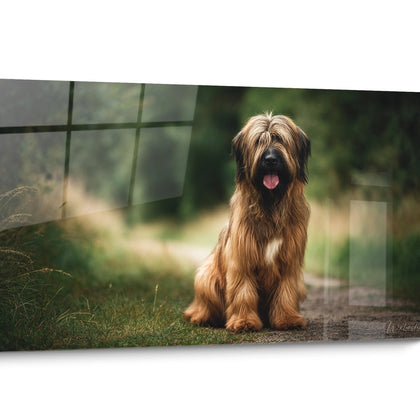 Briard Dog Canvas18
artworks
Briard Dog Canvas18
artworks
-
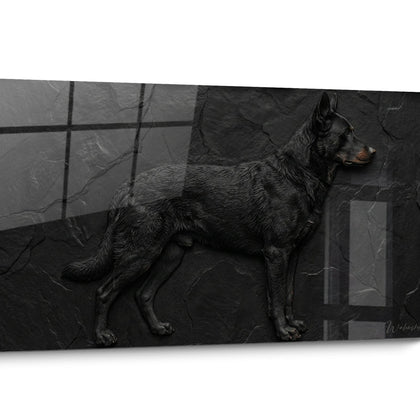 Beauceron Dog Canvas36
artworks
Beauceron Dog Canvas36
artworks
-
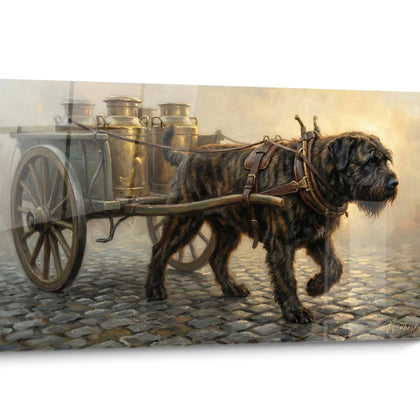 Flemish Bouviers Dog Wall Art28
artworks
Flemish Bouviers Dog Wall Art28
artworks
-
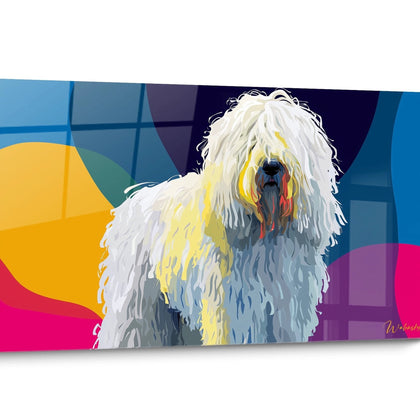 Komondor Dog Wall Art16
artworks
Komondor Dog Wall Art16
artworks
-
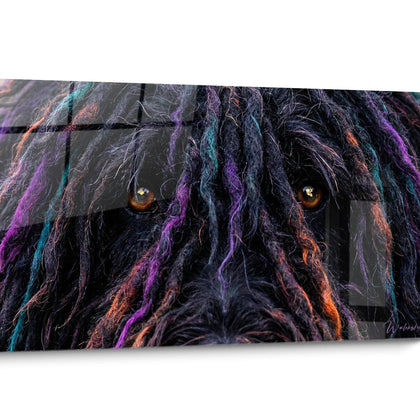 Puli Dog Wall Art28
artworks
Puli Dog Wall Art28
artworks
-
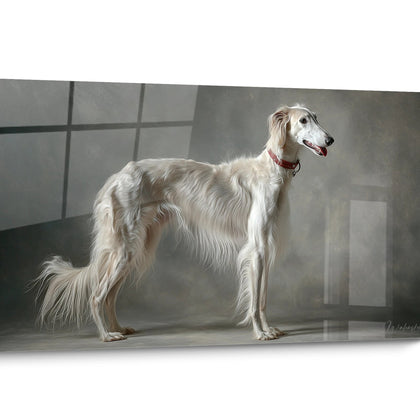 Borzoi Dog Canvas28
artworks
Borzoi Dog Canvas28
artworks
-
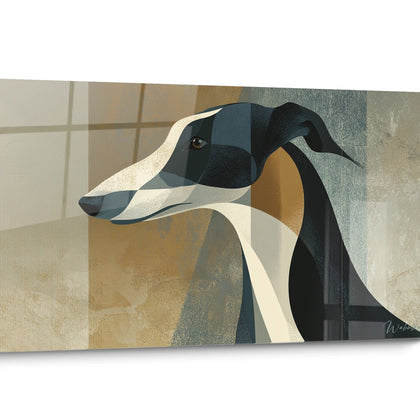 Sakuki Dog Canvas21
artworks
Sakuki Dog Canvas21
artworks
-
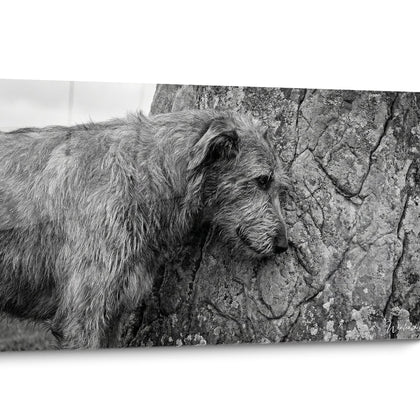 Irish Wolfhound Dog Wall Art38
artworks
Irish Wolfhound Dog Wall Art38
artworks
-
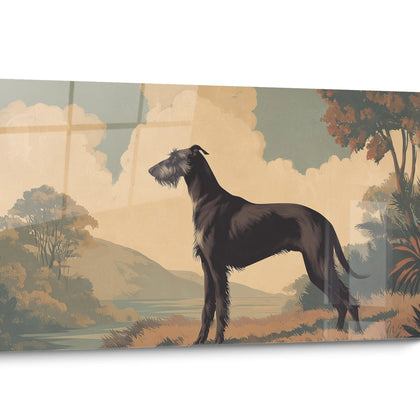 Deerhound Dog Painting21
artworks
Deerhound Dog Painting21
artworks
-
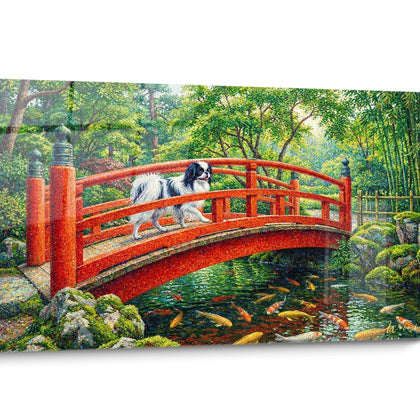 Japanese Spaniel Dog Canvas29
artworks
Japanese Spaniel Dog Canvas29
artworks
-
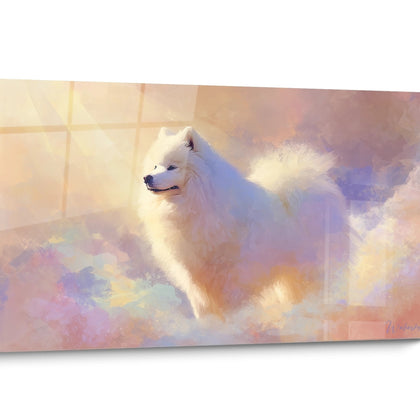 Japanese Spitz Dog Wall Art23
artworks
Japanese Spitz Dog Wall Art23
artworks
-
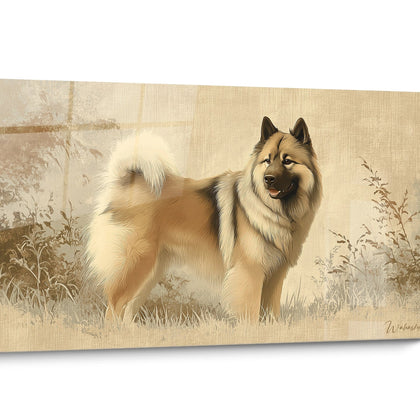 Eurasier Dog Wall Art20
artworks
Eurasier Dog Wall Art20
artworks
-
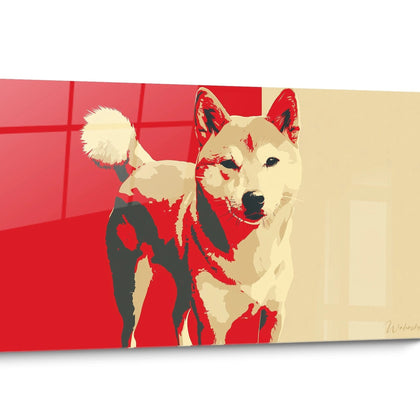 Shiba Inu Dog Wall Art41
artworks
Shiba Inu Dog Wall Art41
artworks
-
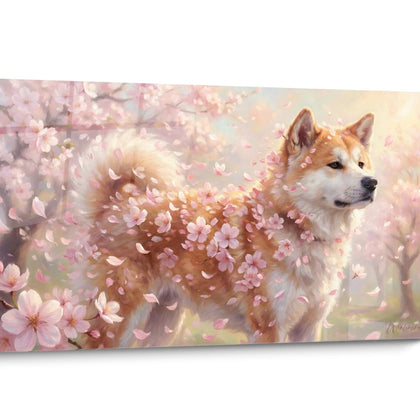 Akita Inu Dog Wall Art36
artworks
Akita Inu Dog Wall Art36
artworks
-
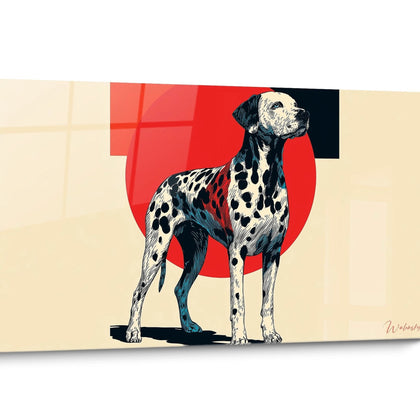 Dalmatian Wall Art30
artworks
Dalmatian Wall Art30
artworks
-
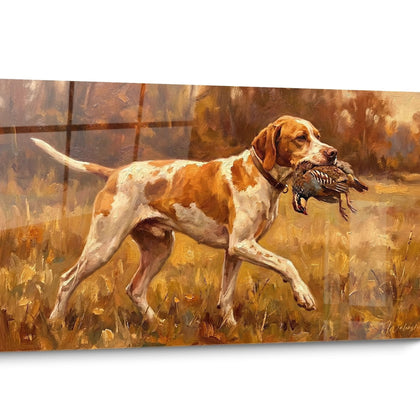 English Pointer Dog Canvas Art37
artworks
English Pointer Dog Canvas Art37
artworks
-
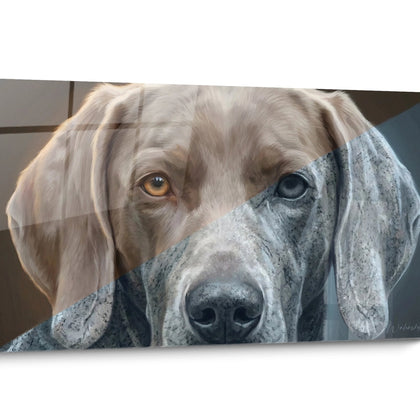 Weimaraner Dog Painting30
artworks
Weimaraner Dog Painting30
artworks
-
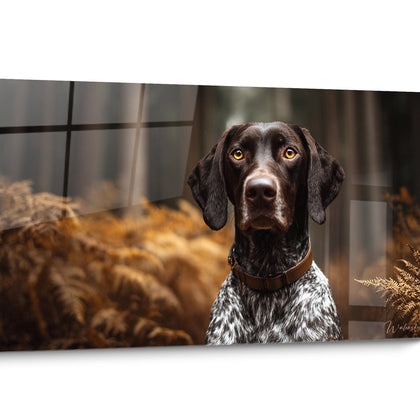 German Shorthaired Pointer Dog Painting26
artworks
German Shorthaired Pointer Dog Painting26
artworks


All about Dutch Shepherd Dog Canvas
- Dutch Shepherd Wall Art Presentation
- Decorative Canine Portrait
- Dog-Lover Interior Atmosphere
- Aesthetic Choice for Dutch Shepherd Breed
The Dutch Shepherd wall art represents far more than simple wall decoration: it embodies the quintessence of an exceptional canine breed, characterized by its unique brindle coat and remarkable intelligence. These large-format creations capture the intensity of this Dutch working dog's piercing gaze, revealing its legendary concentration and lively temperament. Unlike generic representations of more common breeds, Dutch Shepherd iconography requires particular expertise to faithfully render the nuances of its silver-grey, golden, or greyish striped coat. Collectors of dog-themed decoration specifically seek these artworks for their ability to convey the overflowing energy and natural vigilance of this breed underappreciated by the general public. Acquiring a wall visual representing this Dutch flock guardian testifies to deep knowledge of canine breeds and attachment to authentic working lineages, far from standard commercial norms.
Morphological authenticity of the Dutch Shepherd in wall decoration
The artistic representation of a Dutch Shepherd wall art demands anatomical precision rarely encountered in generalist canine compositions. Enthusiasts of this Dutch breed seek above all visuals capturing the characteristic athletic musculature of this shepherd dog, its deep chest and balanced proportions that clearly distinguish it from its Belgian and German cousins. Morphological details such as triangular upright ears, moderate stop, and alert expression constitute determining criteria for the perceived authenticity of the artwork.
Why does the brindle pattern present a unique artistic challenge?
The striped coat pattern represents the absolute visual signature of the Dutch Shepherd. Premium-quality mural creations restore this genetic particularity through advanced graphic techniques, alternating dark and light bands on a fawn, grey, or silver background. This chromatic complexity far exceeds the representation of unicolor breeds, requiring mastery of subtle contrasts to avoid a flat effect. Discerning collectors immediately distinguish superficial reproductions from works faithful to the FCI standard reality of this Dutch breed.
Facial expressions revealing lively temperament
A successful Dutch Shepherd wall art visually transposes the penetrating intelligence and mental vivacity specific to this working lineage. The intense, slightly oblique gaze translates the rapid analytical capacity of this versatile dog, while proud head carriage reflects its natural confidence. Herding breed enthusiasts specifically seek compositions capturing the Dutch Shepherd's permanent vigilance, that mental availability characterizing operational lineages not diluted by purely aesthetic selection. To complement a collection dedicated to canine breeds, consult our range of dog wall art representing various European lineages.
The importance of body proportions in composition
The generous dimensions of current mural formats allow enhancement of the Dutch Shepherd's structural harmony: body length slightly exceeding height at withers, square construction avoiding any heaviness. This balanced physical architecture, essential for working endurance, must shine through in the composition to satisfy breed purists. Photographic perspectives privileging three-quarter profiles simultaneously reveal thoracic depth and correct limb angulation, technical elements that only knowledgeable enthusiasts fully appreciate.
Integration of Dutch Shepherd wall art into dog-lover living spaces
Installing a mural representation of this Dutch breed radically transforms the atmosphere of an interior oriented toward working dog culture. Unlike visuals of companion breeds, the Dutch Shepherd wall art introduces particular energetic dynamics, constantly recalling the Dutch pastoral heritage and preserved operational qualities. Owners of this breed strategically place these compositions in spaces where their companion evolves daily, thus creating visual coherence between the real animal and its artistic representation.
Which chromatic ambiance should be prioritized to enhance brindle tones?
The decorative environment surrounding a Dutch Shepherd visual directly influences the perception of its unique physical characteristics. Walls in neutral tones – beige, greige, or mouse grey – create optimal contrast with the complex striped coat, allowing golden or silver nuances to stand out fully. This chromatic association naturally evokes the Dutch rural landscapes where the breed developed, reinforcing the contextual authenticity of the décor. Enthusiasts avoid overly busy backgrounds that would dilute the visual complexity of the characteristic brindle coat.
Spaces dedicated to canine sports activities
A Dutch Shepherd wall art finds its ideal place in zones associated with canine activities: home training rooms, hallways leading to outdoor spaces, professional canine offices. These strategic placements underscore the breed's sporting and utilitarian vocation, daily reminding of its exceptional aptitudes in obedience, tracking, or detection. Specialized breeders frequently adorn their facilities with these large-format representations, visually communicating their commitment to preserving authentic working lineages rather than purely morphological standards.
How to create a thematic gallery of Dutch dog breeds?
Discerning collectors sometimes develop mural compositions celebrating the entire Dutch canine heritage: Dutch Shepherd, Kooikerhondje, Stabyhoun, or Markiesje. This coherent geographical approach transforms an entire wall into a tribute to Dutch dog tradition. Current generous formats allow visual balance of multiple breeds in the same room, the Dutch Shepherd typically occupying the central position due to its historical versatility. This educational staging fascinates visitors interested in international cynology and European regional specificities.
- Association with elements recalling pastoral heritage: earthy tones, raw natural materials
- Enhancement through directed lighting accentuating brindle coat reflections
- Positioning at eye level to establish direct visual contact with the dog's expression
- Coordination with personal photographs to create continuity between art and reality
Informed selection of Dutch Shepherd wall art according to breed criteria
Acquiring a mural representation of this Dutch breed requires deep understanding of the morphological and behavioral standards that define the authentic Dutch Shepherd. Connoisseurs meticulously examine the artistic rendering's faithfulness to official characteristics: brindle type (short, long, or harsh), muzzle pigmentation, skull width, or typical expression. This rigor in selection distinguishes true enthusiasts from occasional buyers, ensuring that the Dutch Shepherd wall art precisely reflects the breed's genetic identity.
The three coat varieties and their visual implications
The Dutch Shepherd exists in three varieties rarely represented equitably in decorative offerings: short coat (majority), long coat, and harsh coat. Each type presents specific artistic challenges for restoring characteristic texture. The short-coat version demands particular attention to reflections on the smooth brindle coat, while the long-coat variety necessitates representation of the ruff and leg fringes. The harsh-coat version, the rarest, requires graphic technique capable of translating the characteristic shaggy appearance. Collectors owning a specimen of a particular variety logically seek visuals exactly matching their companion's coat type.
Visual differentiation from related breeds
An essential purchase criterion lies in the Dutch Shepherd wall art's ability to clearly distinguish itself from Belgian Shepherds, notably the Malinois with which confusion is frequent among non-specialists. Discriminating details include the slightly more massive construction of the Dutchman, its less elongated muzzle, and especially its mandatory brindle absent in the fawn sable Malinois. Purists categorically reject ambiguous representations failing to formally identify the breed, favoring viewing angles revealing several incontestable specific breed characteristics simultaneously.
Why favor action representations rather than static poses?
The hyperactive temperament and permanent mental availability of the Dutch Shepherd translate ideally in dynamic compositions: obstacle jump, energetic trot, or concentrated alert position. These active scenes correspond better to the breed's actual behavioral reality than a frozen show pose. Owners of Dutch Shepherds engaged in work particularly appreciate visuals capturing this characteristic intensity, instantly recognizing their own companion's overflowing energy. Large-dimension mural formats amplify this movement impression, creating an almost physical presence of the animal in the space.
- Verification of eye color (dark brown exclusively per standard)
- Control of absence of excessive white (only small markings tolerated)
- Validation of brindle type matching desired variety
- Examination of overall construction avoiding any excessive heaviness or lightness
FAQ - Frequently asked questions about Dutch Shepherd wall art
Is Dutch Shepherd wall art suitable for professional canine spaces?
Absolutely, these representations ideally adorn veterinary clinics specializing in working breeds, canine training centers, or breeding kennels. They instantly communicate expertise in operational breeds and commitment to functional lineages rather than purely morphological standards. Imposing formats reinforce the professional credibility of the establishment.
How to identify quality Dutch Shepherd wall art among available offerings?
Determining criteria include brindle pattern precision (balanced stripe distribution), anatomical accuracy per FCI standard, and rendering of typical expression combining intelligence and vigilance. Superficial reproductions frequently neglect these subtleties, producing generic visuals lacking authentic breed character. Systematically compare with photographs of titled show specimens or work-certified dogs.
Why specifically choose Dutch Shepherd wall art over another breed?
This choice typically reflects deep cynological knowledge and attachment to breeds preserving their original utilitarian qualities. The Dutch Shepherd remains relatively confidential compared to German or Belgian Shepherds, making it a symbol of discernment for enthusiasts refusing trend effects. Its exceptional versatility also makes it a fascinating subject for anyone valuing balance between physical and mental aptitudes.
Further reading
Our articles on this topic
- Dutch Shepherd brindle painting: what decor for a teenager's bedroom?
- The calculation method for choosing the size of your Dutch Shepherd painting according to your wall
- How to Identify Different Dog Breeds in 17th Century Flemish Painting?
- German Shepherd Painting in Warm Tones: Harmonizing Office and Home
- Dutch Shepherd portrait painting for a modern living room: the style guide
- Dutch Shepherd painting: the gift idea that truly touches a dog lover
L'art qui suscite l'envie
Maison belge d'art mural grand format
14 jourspour changer d'avis*
Protection Walenskyincluse
Fabriquéen Italie
FormatXXL
Kit de fixationtoujours fourni
* Hors tableaux personnalisés et tailles personnalisées


