



Komondor Dog Wall Art
The Komondor Wall Art celebrates the nobility of this iconic Hungarian dog. This collection honors the corded shepherd dog through captivating artistic compositions that showcase its extraordinary coat and profound gaze. Each piece captures the majestic essence of the Komondor, the ancient guardian of flocks. Perfect for lovers of exceptional canine décor, this collection transforms your home into a gallery dedicated to this unique and fascinating breed.
 White Dog Painting in Dynamic Movement - Pure Energy - Komondor Edition273,90 €
 Dog Painting with Curly White Coat on Geometric Turquoise Background - Cord Shepherd - Komondor Edition273,90 €
 Long-Haired Shepherd Dog Painting with Cream Coat in Golden Meadow - Pastoral Radiance - Komondor Edition273,90 €
 White Long-Haired Dog Painting on Street Art Background - Colorful Urban Portrait - Komondor Edition273,90 €
 White Long-Haired Dog Painting on Colorful Geometric Background - Contemporary Expression - Komondor Edition273,90 €
 White Long-Haired Dog in Motion Wall Art - Pure Energy - Komondor Edition273,90 €
 White Curly-Haired Dog Wall Art on Turquoise Background - Artistic Portrait - Komondor Edition273,90 €
 Cream Long-Haired Dog Canvas in Golden Landscape - Rural Majesty - Komondor Edition273,90 €
 Psychedelic Multicolor Dog Painting - Neon Fusion - Komondor Edition273,90 €
 Curly White Dog Painting in Rustic Interior - Countryside Serenity - Komondor Edition273,90 €
 Long-Haired Dog Painting Cream and Beige - Canine Sweetness Portrait - Komondor Edition273,90 €
 Dog Painting with Long White Hair on Colored Abstract Background - Creative Explosion - Komondor Edition273,90 €
 Long-Haired White Dog on Blue Background Canvas - Contemporary Canine Portrait - Komondor Edition273,90 €
 Dog Canvas with Flowing Hair in Black and White - Majestic Canine Portrait - Komondor Edition273,90 €
 Long-Haired Golden Dog Painting in Warm Light - Golden Majesty - Komondor Edition228,90 €
 Hungarian Shepherd Dog in the Starry Night - Nocturnal Reverie - Komondor Edition228,90 €
Explore further
In Komondor Dog Wall Art
-
 Komondor Dog Painting Pop Art3
artworks
Komondor Dog Painting Pop Art3
artworks
-
 Golden Komondor Dog Canvas3
artworks
Golden Komondor Dog Canvas3
artworks
-
 Modern Komondor Dog Wall Art3
artworks
Modern Komondor Dog Wall Art3
artworks
-
 Boston Terrier Dog Wall Art30
artworks
Boston Terrier Dog Wall Art30
artworks
-
 Shar Pei Dog Wall Art34
artworks
Shar Pei Dog Wall Art34
artworks
-
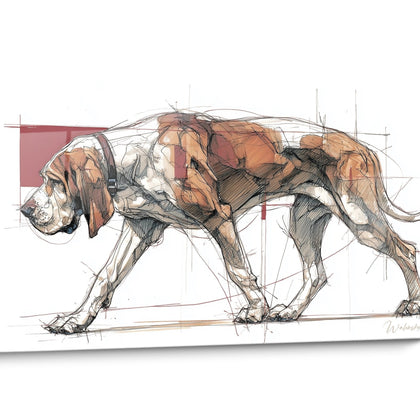 Bloodhound Dog Canvas28
artworks
Bloodhound Dog Canvas28
artworks
-
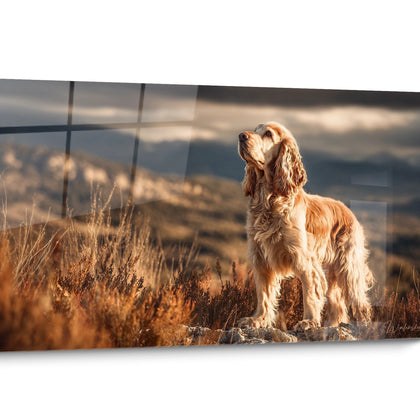 American Cocker Spaniel Wall Art36
artworks
American Cocker Spaniel Wall Art36
artworks
-
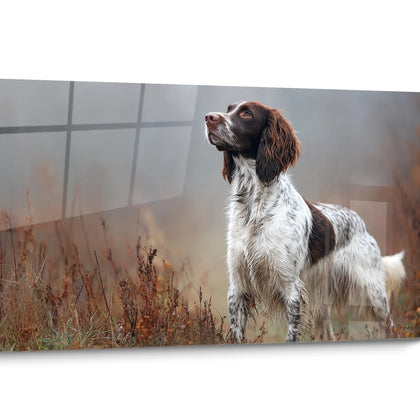 English Springer Spaniel Dog Painting32
artworks
English Springer Spaniel Dog Painting32
artworks
-
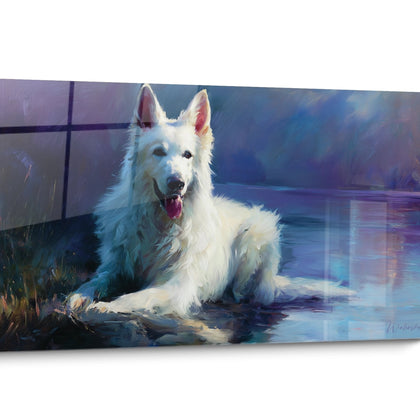 White Swiss Shepherd Dog Wall Art29
artworks
White Swiss Shepherd Dog Wall Art29
artworks
-
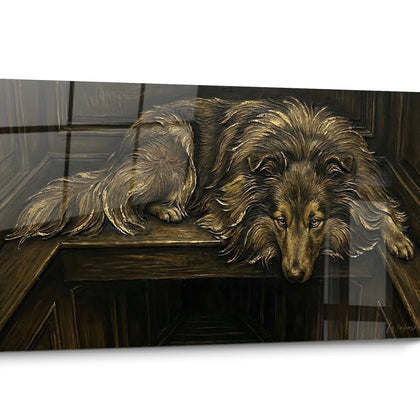 Shetland Sheepdog Wall Art32
artworks
Shetland Sheepdog Wall Art32
artworks
-
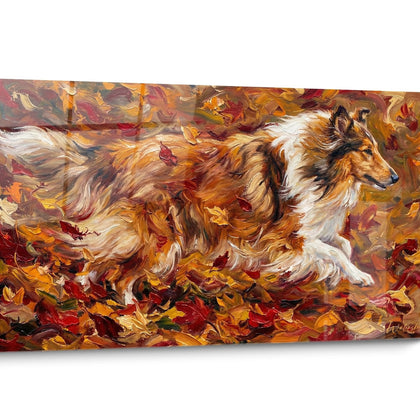 Collie Wall Art33
artworks
Collie Wall Art33
artworks
-
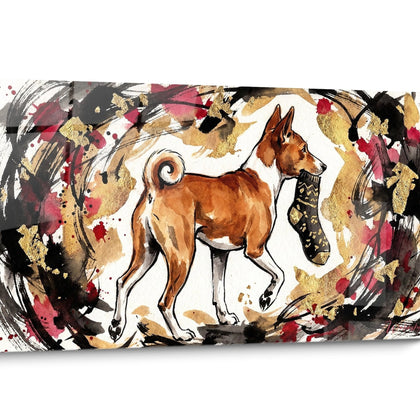 Basenji Dog Wall Art50
artworks
Basenji Dog Wall Art50
artworks
-
 Basset Hound Dog Canvas Art35
artworks
Basset Hound Dog Canvas Art35
artworks
-
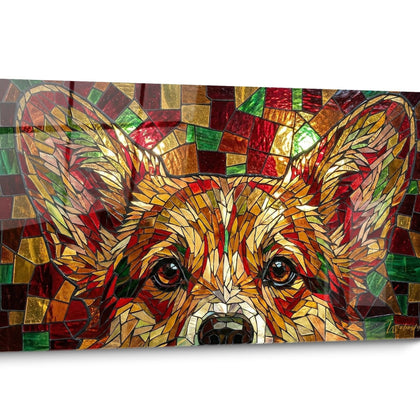 Corgi Pembroke Dog Canvas51
artworks
Corgi Pembroke Dog Canvas51
artworks
-
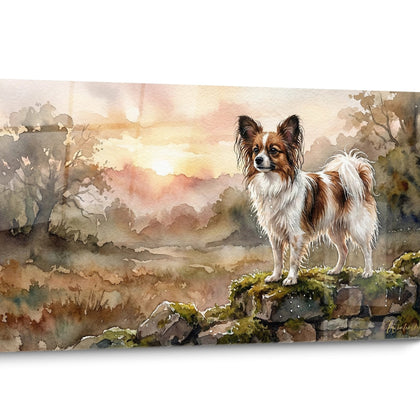 Papillon Dog Wall Art47
artworks
Papillon Dog Wall Art47
artworks
-
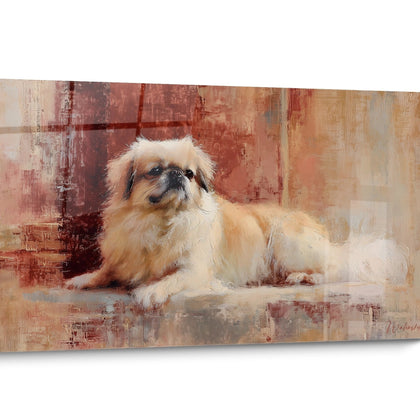 Pekingese Dog Painting29
artworks
Pekingese Dog Painting29
artworks
-
 Lhassa Apso Dog Wall Art32
artworks
Lhassa Apso Dog Wall Art32
artworks
-
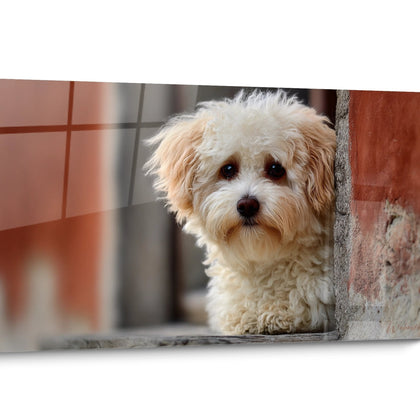 Havanese Dog Canvas Art28
artworks
Havanese Dog Canvas Art28
artworks
-
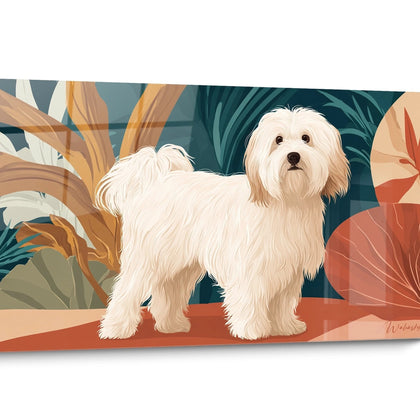 Cotton de Tulear Dog Wall Art20
artworks
Cotton de Tulear Dog Wall Art20
artworks
-
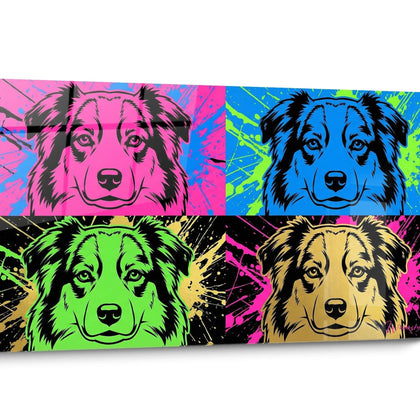 Miniature American Shepherd Dog Wall Art32
artworks
Miniature American Shepherd Dog Wall Art32
artworks
-
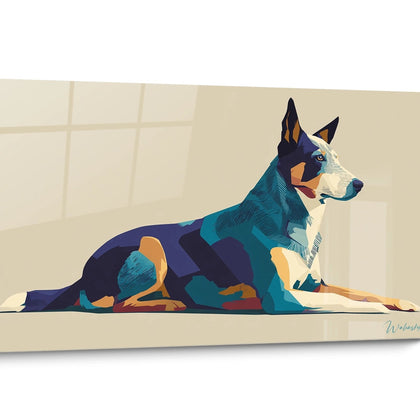 Australian Cattle Dog Wall Art21
artworks
Australian Cattle Dog Wall Art21
artworks
-
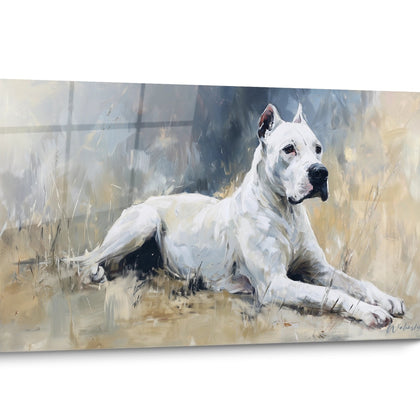 Argentine Dogue Wall Art24
artworks
Argentine Dogue Wall Art24
artworks
-
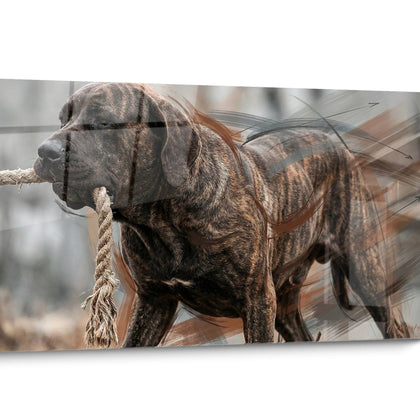 Fila Brasileiro Dog Canvas23
artworks
Fila Brasileiro Dog Canvas23
artworks
-
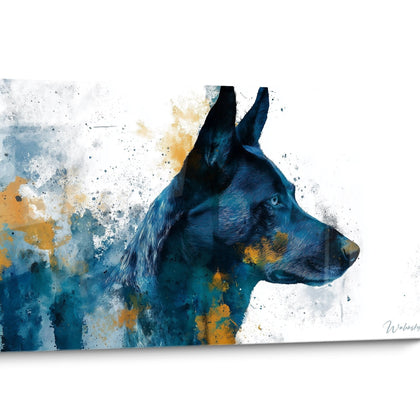 Dutch Shepherd Dog Canvas24
artworks
Dutch Shepherd Dog Canvas24
artworks
-
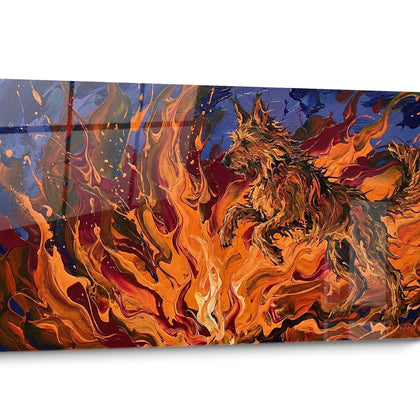 Picardy Shepherd Dog Canvas30
artworks
Picardy Shepherd Dog Canvas30
artworks
-
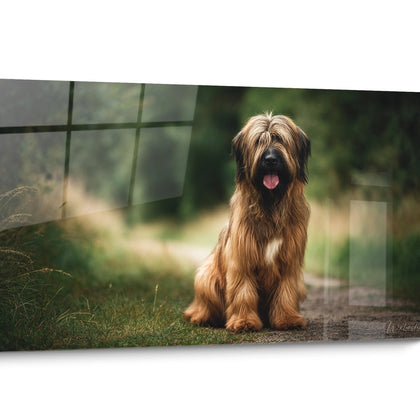 Briard Dog Canvas18
artworks
Briard Dog Canvas18
artworks
-
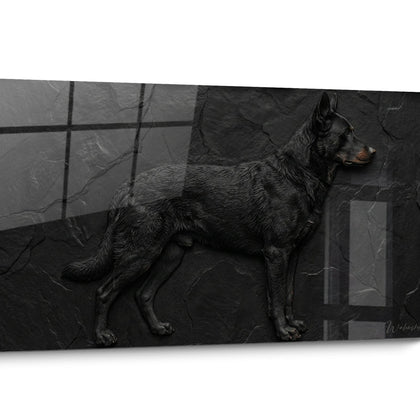 Beauceron Dog Canvas36
artworks
Beauceron Dog Canvas36
artworks
-
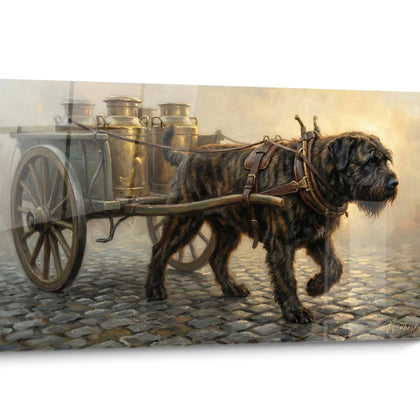 Flemish Bouviers Dog Wall Art28
artworks
Flemish Bouviers Dog Wall Art28
artworks
-
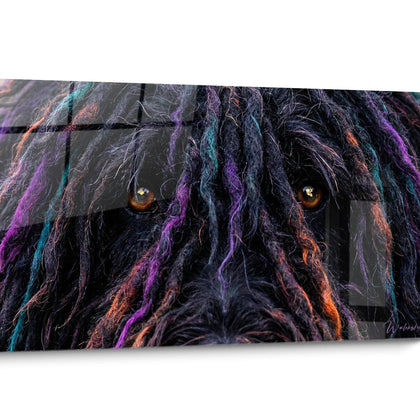 Puli Dog Wall Art28
artworks
Puli Dog Wall Art28
artworks
-
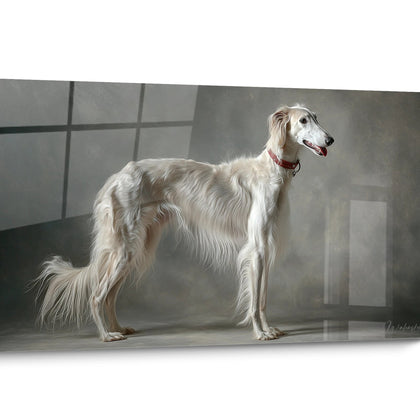 Borzoi Dog Canvas28
artworks
Borzoi Dog Canvas28
artworks
-
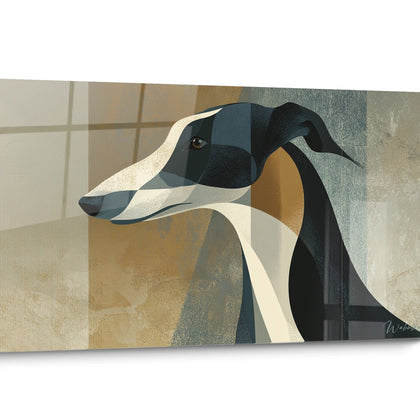 Sakuki Dog Canvas21
artworks
Sakuki Dog Canvas21
artworks
-
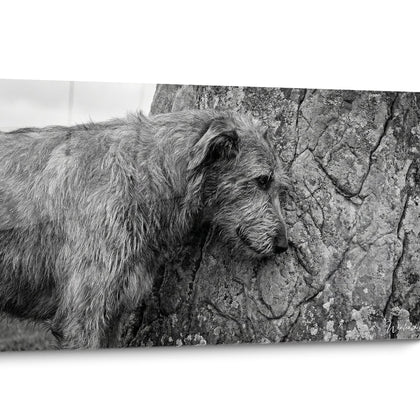 Irish Wolfhound Dog Wall Art38
artworks
Irish Wolfhound Dog Wall Art38
artworks
-
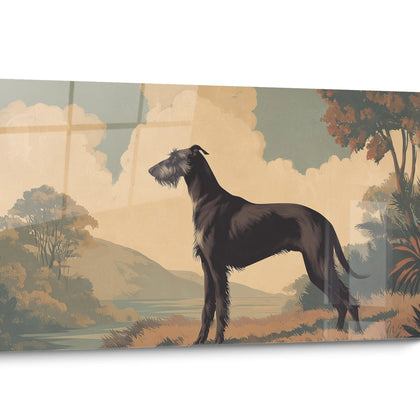 Deerhound Dog Painting21
artworks
Deerhound Dog Painting21
artworks
-
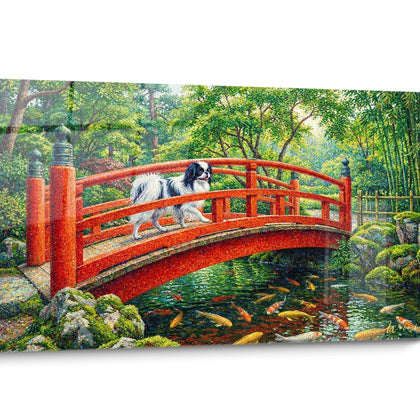 Japanese Spaniel Dog Canvas29
artworks
Japanese Spaniel Dog Canvas29
artworks
-
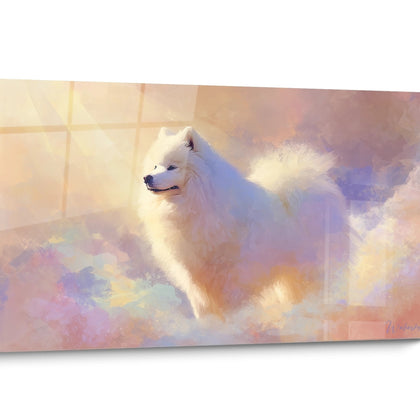 Japanese Spitz Dog Wall Art23
artworks
Japanese Spitz Dog Wall Art23
artworks
-
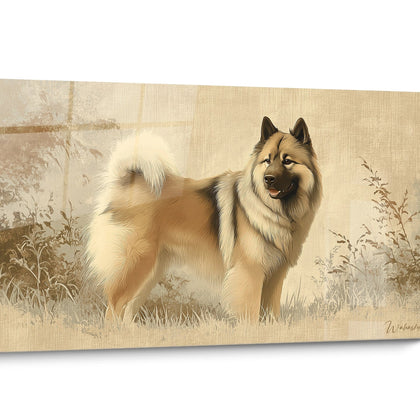 Eurasier Dog Wall Art20
artworks
Eurasier Dog Wall Art20
artworks
-
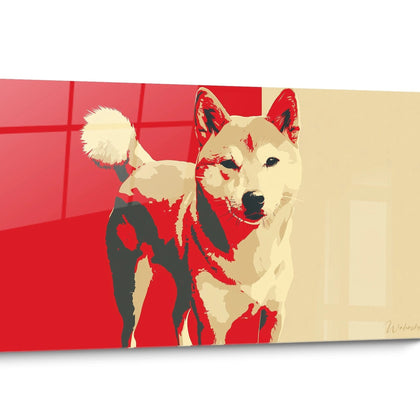 Shiba Inu Dog Wall Art41
artworks
Shiba Inu Dog Wall Art41
artworks
-
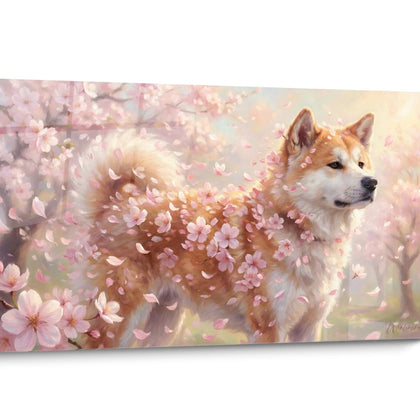 Akita Inu Dog Wall Art36
artworks
Akita Inu Dog Wall Art36
artworks
-
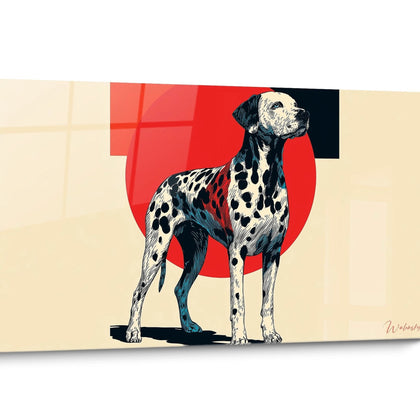 Dalmatian Wall Art30
artworks
Dalmatian Wall Art30
artworks
-
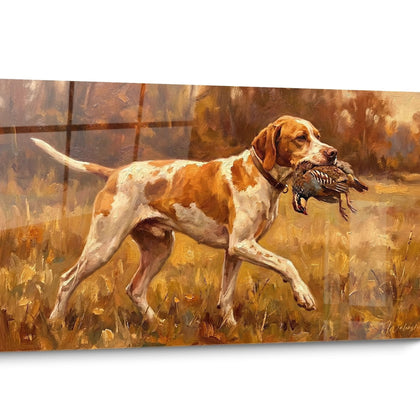 English Pointer Dog Canvas Art37
artworks
English Pointer Dog Canvas Art37
artworks
-
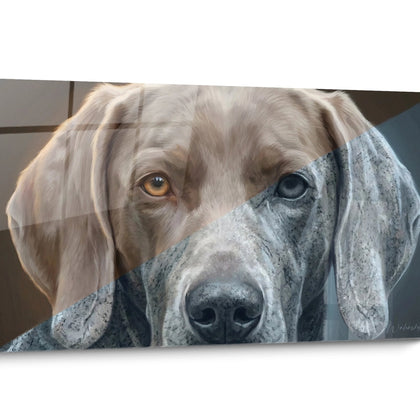 Weimaraner Dog Painting30
artworks
Weimaraner Dog Painting30
artworks
-
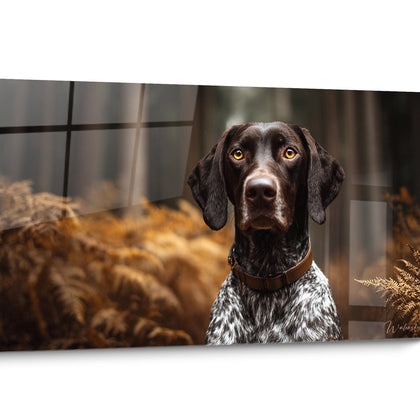 German Shorthaired Pointer Dog Painting26
artworks
German Shorthaired Pointer Dog Painting26
artworks
-
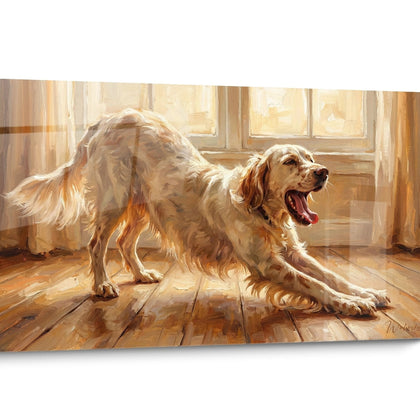 English Setter Dog Art34
artworks
English Setter Dog Art34
artworks
-
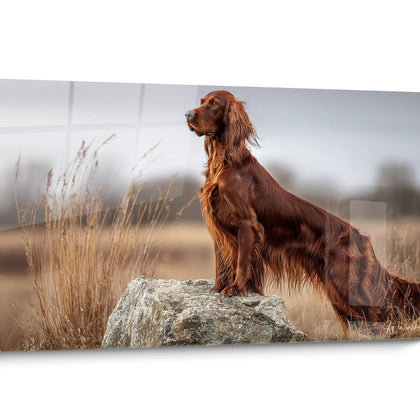 Irish Setter Dog Painting36
artworks
Irish Setter Dog Painting36
artworks
-
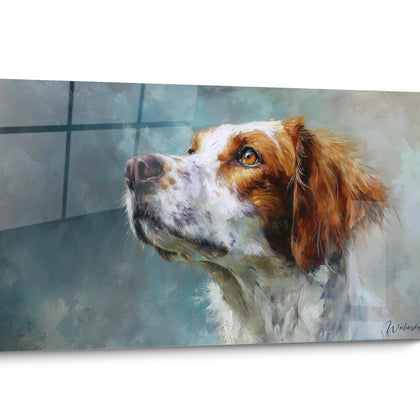 Brittany Spaniel Dog Painting35
artworks
Brittany Spaniel Dog Painting35
artworks
-
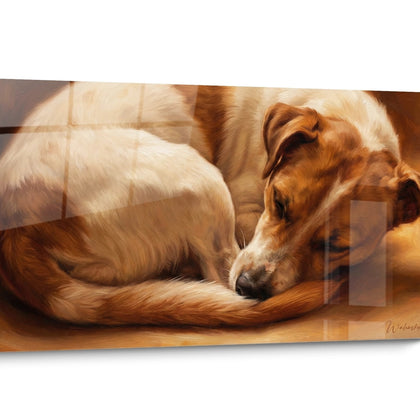 Jack Russell Terrier Dog Wall Art35
artworks
Jack Russell Terrier Dog Wall Art35
artworks
-
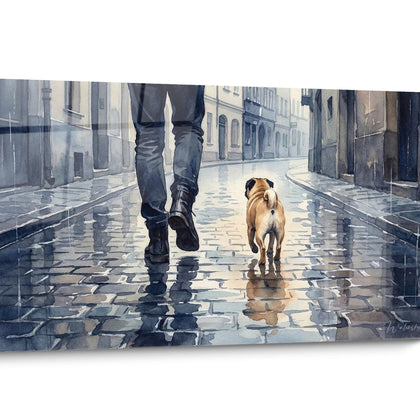 Pug Wall Art23
artworks
Pug Wall Art23
artworks
-
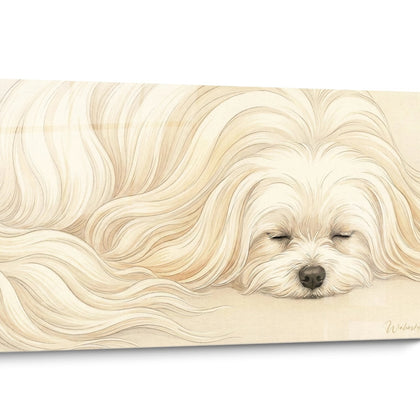 Maltese Bichon Dog Canvas40
artworks
Maltese Bichon Dog Canvas40
artworks
-
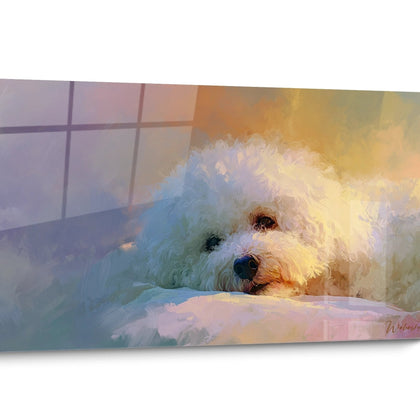 Bichon Frise Dog Wall Art26
artworks
Bichon Frise Dog Wall Art26
artworks
-
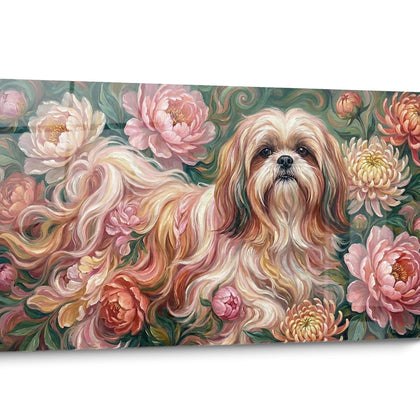 Shih Tzu Dog Wall Art28
artworks
Shih Tzu Dog Wall Art28
artworks


All about Komondor Dog Wall Art
- Overview Komondor Wall Art
- Character and Symbolism
- Decorative Integration
- Buying Guide
The Komondor wall art celebrates one of the most emblematic and recognizable canine breeds in the world. This large-format artistic representation captures the unique essence of this Hungarian dog with spectacular white cords, transforming your space into a genuine gallery dedicated to rare breeds. Perfect for enthusiasts of atypical dogs and collectors passionate about distinctive canine iconography.
Komondor in Wall Art: Between Hungarian Heritage and Imposing Presence
Why choose a representation of the Hungarian shepherd dog?
The Komondor wall art distinguishes itself radically from traditional canine representations through its exceptional visual texture. The characteristic cords of this ancestral breed create an incomparable graphic impact, offering three-dimensional depth that few other animal subjects can equal. This unique morphological particularity transforms each composition into a sculptural artwork on wall support, particularly striking in monumental formats.
The thousand-year history of the Komondor as guardian of Magyar flocks imparts a fascinating cultural dimension to its representation. Unlike dog wall art of contemporary breeds, this iconography conveys authentic European pastoral heritage, tracing back to migrations of nomadic tribes. For spaces valuing historical canine heritage or the authenticity of working breeds, this theme brings unparalleled cultural legitimacy.
The visual impact of white cords in large formats
The Komondor's white corded coat generates exceptional luminous contrasts when magnified to large dimensions. The interplay of shadow between each strand creates visual complexity that captivates the eye hypnotically, particularly effective in minimalist environments where the artwork becomes the sole focal point. This characteristic makes it a strategic choice for energizing streamlined spaces without visual clutter.
Animal photographers and contemporary artists masterfully exploit the organic texture of this breed, producing compositions where each cord becomes a graphic element in its own right. This approach transforms the Komondor wall art into a genuine study of natural materials, fitting into current trends valuing raw textures and organic patterns in interior decoration.
What emotion does a representation of this legendary guardian dog convey?
Beyond aesthetics, the Komondor's representation conveys values of protection and unwavering loyalty. Its piercing gaze beneath its characteristic fringe evokes the millennial vigilance of flock guardians, creating a reassuring presence particularly appreciated in entryways or reception areas. This psychological dimension distinguishes these artworks from purely ornamental canine representations.
The naturally imposing posture of the Komondor, accentuated by its apparent volume due to the cords, confers remarkable visual authority to compositions featuring it. For professional environments requiring assertive decoration without aggression – specialized veterinary clinics, premium dog kennels, high-end pet accessory boutiques – this iconographic choice communicates authentic expertise and passion.
Integrating a Komondor Wall Art into Demanding Contemporary Decoration
Which color environment best showcases these textured representations?
The Komondor's natural monochrome palette – dominated by creamy whites and ivory nuances – harmonizes exceptionally with Scandinavian interiors and wabi-sabi atmospheres. This chromatic neutrality allows introducing a strong animal presence without compromising the color coherence of streamlined spaces. Anthracite gray walls, polished concrete, or dark wood paneling create particularly dramatic settings for these white compositions.
Unlike multicolored coat breeds requiring complex coordination, the Komondor wall art integrates naturally into sophisticated mineral palettes. Interior designers appreciate this versatility for projects where animal decoration must remain discreet while asserting an assumed aesthetic stance. Association with natural textiles – raw linen, bouclé wool, jute – amplifies the tactile dimension suggested by the cords.
How to position this monumental breed in different architectural volumes?
The generous dimensions characterizing this representation type require substantial vertical spaces to restore the breed's impressive stature. Double-height walls, stairwells, or cathedral ceilings constitute ideal locations where the composition can deploy its full power. In these configurations, the artwork functions as a wall sculpture, structuring the architecture vertically.
For lofts and contemporary open spaces, positioning a monumental Komondor wall art facing the entry zone creates memorable immediate impact. This placement strategy transforms the artwork into the home's visual signature, particularly effective in interiors of canine enthusiasts wishing to assert their passion from the threshold.
Which decorative associations amplify the Hungarian pastoral theme?
Integrating elements evoking Hungarian pusztas – the infinite grasslands where these dogs performed their ancestral function – reinforces narrative coherence. Central European artisanal accessories, rustic ceramics, or ethnic textiles with traditional geometric motifs create a contextualized environment without falling into folkloristic pastiche.
Sophisticated thematic decoration enthusiasts can compose wall installations combining the Komondor wall art with antique maps of Hungary, botanical engravings of Carpathian flora, or black-and-white photographs of traditional shepherds. This museographic approach suits private libraries particularly well, veterinary study offices, or reception spaces of specialized canine breed associations.
Selection Criteria for an Exceptional Komondor Wall Art
What morphological fidelity to seek in artistic representations?
Breed connoisseurs will appreciate compositions scrupulously respecting morphological standards: uniform cords descending to the ground, robust musculature beneath the coat, proportioned head with moderate stop. Professional animal photographs or hyperrealistic illustrations capturing these specific anatomical details offer documentary value appreciated by breeders and canine show judges.
Some contemporary artists propose stylized interpretations emphasizing cord graphics rather than photographic realism. These abstract or minimalist versions suit modern art collectors seeking conceptual Komondor evocation rather than classical canine portraiture, thereby expanding decorative possibilities.
How to evaluate print quality for these complex textures?
Faithful reproduction of subtle nuances between cords – shadow variations, light reflections on white strands – requires high-definition printing processes. Giclée technologies on premium supports or professional pigment-based printing guarantee micrometrical detail restitution essential to visual impact. Verifying minimum resolution (300 DPI for large formats) ensures impeccable sharpness even in close viewing.
Rigid supports – dibond, plexiglass, aluminum – better preserve the flatness crucial for large-format compositions than flexible supports prone to warping. For a Komondor wall art exceeding 120 cm, favoring these technical substrates guarantees optimal durability and professional museum-quality presentation.
Where to find exclusive compositions of this rare breed?
The relative rarity of the Komondor in mainstream canine iconography makes sourcing quality representations more selective. Galleries specializing in animal photography, sites of recognized canine artists, or platforms dedicated to traditional shepherd breeds constitute privileged sources for discovering original and technically flawless compositions.
Demanding collectors can also commission custom creations from animal photographers specializing in rare breeds, enabling unique framings and mise-en-scènes specifically designed to harmonize with their particular decorative environment. This custom approach guarantees exclusivity while respecting the exact architectural proportions of the hosting space.
Is a Komondor wall art suitable for professional canine spaces?
Absolutely. Veterinary clinics, specialized kennels, premium groomers, and high-end pet boutiques particularly value these representations of historical working breeds. They communicate expertise, authentic passion, and in-depth knowledge of canine heritage, distinguishing these establishments from generalist facilities.
How to maintain a large artwork representing this white breed?
Glazed or plexiglass supports clean easily with a slightly damp microfiber cloth, preserving the brightness of dominant white tones. For unprotected prints, gentle monthly dusting suffices. Avoiding prolonged direct sunlight exposure prevents potential yellowing of white areas over time.
Are there limited edition numbered Komondor wall arts available?
Certain renowned animal photographers indeed offer limited print runs signed and numbered of their most remarkable compositions. These collectible editions, generally limited to 50-100 copies, constitute potential art investments, particularly as the artist gains international recognition in specialized canine photography.
L'art qui suscite l'envie
Maison belge d'art mural grand format
14 jourspour changer d'avis*
Protection Walenskyincluse
Fabriquéen Italie
FormatXXL
Kit de fixationtoujours fourni
* Hors tableaux personnalisés et tailles personnalisées


