


Weimaraner Dog Painting
The Weimaraner Painting Collection celebrates the incomparable elegance of this mythical canine breed. This artistic collection captures the nobility and piercing gaze of the Weimaraner, a symbol of grace and power. Each artwork highlights the characteristic silver coat and majestic bearing of this aristocratic hunting dog. Perfect for lovers of this emblematic breed, our gallery offers authentic and refined artistic Weimaraner portraits, ideal for elevating your interior.
 Weimaraner Pointer Drinking at the Beach at Sunset - Golden Reflections - Weimaraner Edition242,90 €
 Weimaraner Painting on Country Path - Guardian of the Land - Weimaraner Edition273,90 €
 Two-Tone Canine Portrait Canvas with Heterochromatic Eyes - Piercing Gaze - Weimaraner Edition273,90 €
 Weimaraner in Golden Rain Wall Art - Dog Contemplation - Weimaraner Edition273,90 €
 Gray Dog Painting Geometric Silhouette Colorful Background - Contemporary Elegance - Weimaraner Braque Edition273,90 €
 Weimaraner Dog Painting with Expressive Black and Gray Strokes - Artistic Portrait - Weimaraner Braque Edition273,90 €
 Weimaraner Portrait Gray with Amber Eyes in Snow - Winter Gaze - Weimaraner Edition273,90 €
 Dog Sitting in the Rain Watercolor Gray Painting - Silent Contemplation - Weimaraner Edition273,90 €
 Gray Dog Painting with Lavender Tones in Artistic Burst - Colorful Explosion - Weimaraner Edition273,90 €
 Weimaraner in Motion Black and White Wall Art - Dynamic Momentum - Weimaraner Edition273,90 €
 Painting Grey Dog with Oriental Golden Motifs - Decorative Majesty - Weimaraner Edition273,90 €
 Painting Two Grey Weimaraners Touching Tenderly - Canine Complicity - Weimaraner Edition273,90 €
 White Geometric Dog Painting in Motion - Contemporary Elegance - Weimaraner Edition273,90 €
 Weimaraner in Action in Golden Grass - Hunting Elegance - Weimaraner Edition273,90 €
 Weimaraner in Full Sprint Through the Storm - Wild Spirit - Weimaraner Edition273,90 €
 Geometric Gray Dog Painting on Autumn Decorative Background - Faceted Elegance - Weimaraner Edition273,90 €
 Gray Weimaraner Painting in Misty Landscape - Canine Elegance - Weimaraner Edition273,90 €
 Gray Weimaraner Dog Painting with Amber Eyes Resting on Cushion - Tender Gaze - Weimaraner Edition273,90 €
 Resting Dog Canvas with Brown and Gray Tones - Contemplative Rest - Weimaraner Edition273,90 €
 Grey Dog Canvas with Melancholic Gaze - Expressive Portrait - Weimaraner Edition273,90 €
 Liquefied Weimaraner Painting in Black and White - Artistic Fusion - Weimaraner Edition273,90 €
 Gray Dog Painting in Lavender Field at Sunset - Provençal Serenity - Weimaraner Edition273,90 €
 Gray Dog in Golden Autumn Foliage Painting - Seasonal Harmony - Weimaraner Edition273,90 €
 Two Weimaraners Running in the Waves Painting - Marine Energy - Weimaraner Edition273,90 €
Explore further
In Weimaraner Dog Painting
-
 Weimaraner Dog Wall Art Black and White3
artworks
Weimaraner Dog Wall Art Black and White3
artworks
-
 Weimaraner Dog Geometric Wall Art3
artworks
Weimaraner Dog Geometric Wall Art3
artworks
-
 Weimaraner Dog Painting Golden6
artworks
Weimaraner Dog Painting Golden6
artworks
-
 Weimaraner Dog Painting Portrait6
artworks
Weimaraner Dog Painting Portrait6
artworks
-
 Weimaraner Dog Canvas Modern Art6
artworks
Weimaraner Dog Canvas Modern Art6
artworks
-
 Lhassa Apso Dog Wall Art32
artworks
Lhassa Apso Dog Wall Art32
artworks
-
 Havanese Dog Canvas Art28
artworks
Havanese Dog Canvas Art28
artworks
-
 Cotton de Tulear Dog Wall Art20
artworks
Cotton de Tulear Dog Wall Art20
artworks
-
 Miniature American Shepherd Dog Wall Art32
artworks
Miniature American Shepherd Dog Wall Art32
artworks
-
 Australian Cattle Dog Wall Art21
artworks
Australian Cattle Dog Wall Art21
artworks
-
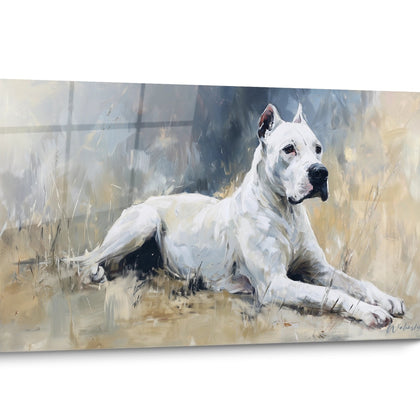 Argentine Dogue Wall Art24
artworks
Argentine Dogue Wall Art24
artworks
-
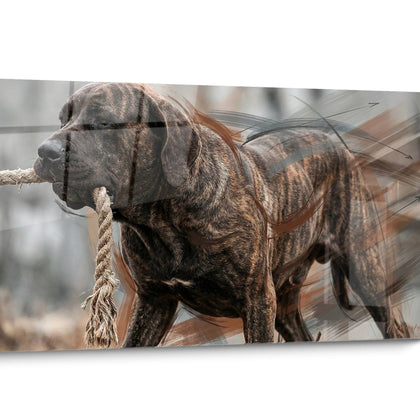 Fila Brasileiro Dog Canvas23
artworks
Fila Brasileiro Dog Canvas23
artworks
-
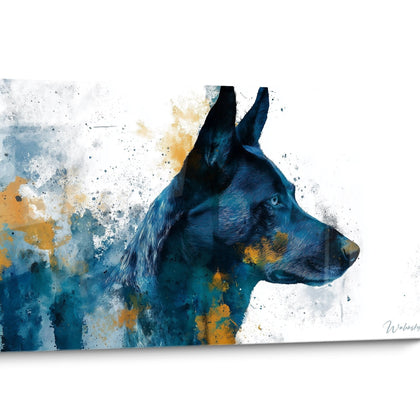 Dutch Shepherd Dog Canvas24
artworks
Dutch Shepherd Dog Canvas24
artworks
-
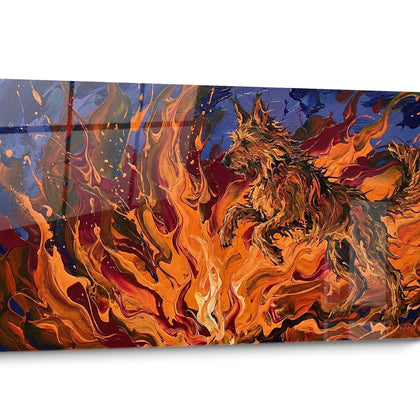 Picardy Shepherd Dog Canvas30
artworks
Picardy Shepherd Dog Canvas30
artworks
-
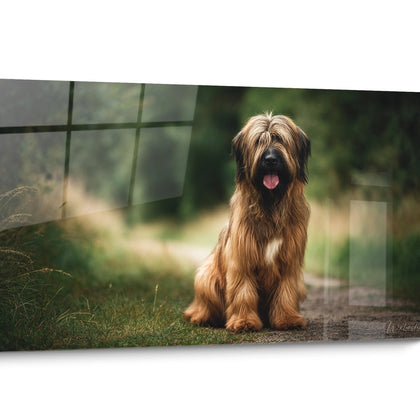 Briard Dog Canvas18
artworks
Briard Dog Canvas18
artworks
-
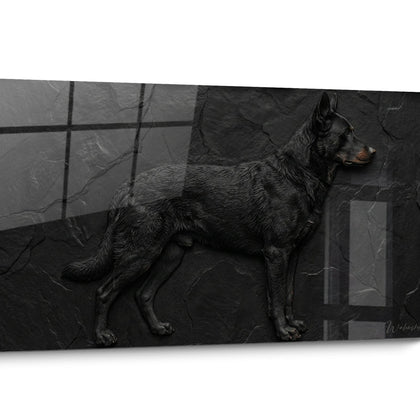 Beauceron Dog Canvas36
artworks
Beauceron Dog Canvas36
artworks
-
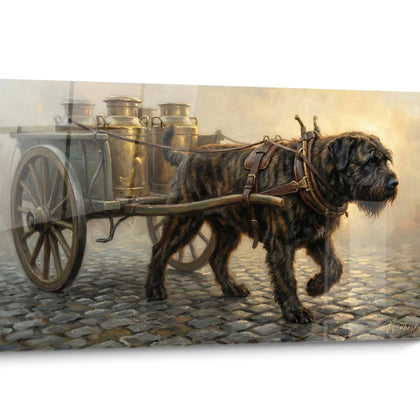 Flemish Bouviers Dog Wall Art28
artworks
Flemish Bouviers Dog Wall Art28
artworks
-
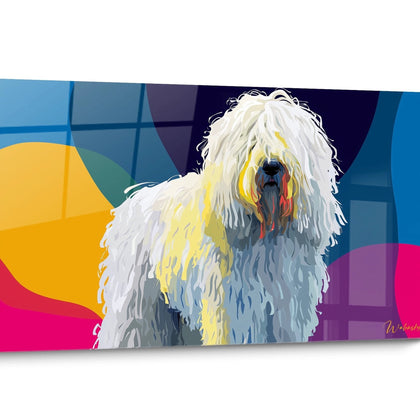 Komondor Dog Wall Art16
artworks
Komondor Dog Wall Art16
artworks
-
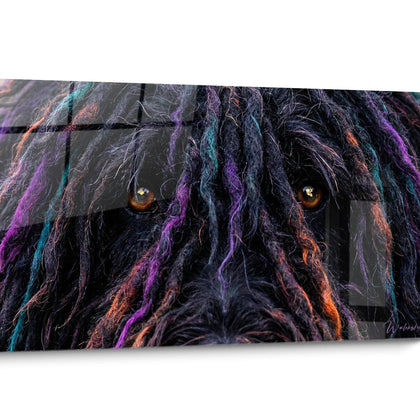 Puli Dog Wall Art28
artworks
Puli Dog Wall Art28
artworks
-
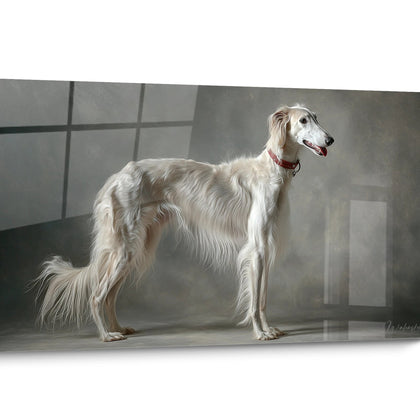 Borzoi Dog Canvas28
artworks
Borzoi Dog Canvas28
artworks
-
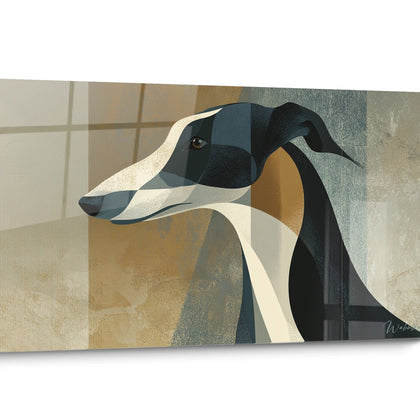 Sakuki Dog Canvas21
artworks
Sakuki Dog Canvas21
artworks
-
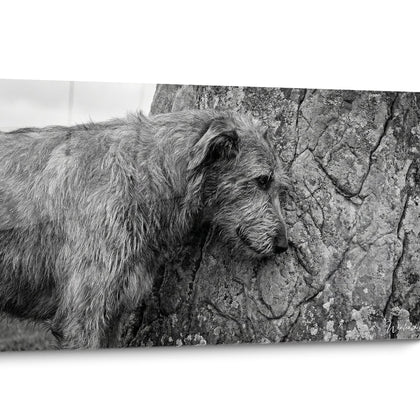 Irish Wolfhound Dog Wall Art38
artworks
Irish Wolfhound Dog Wall Art38
artworks
-
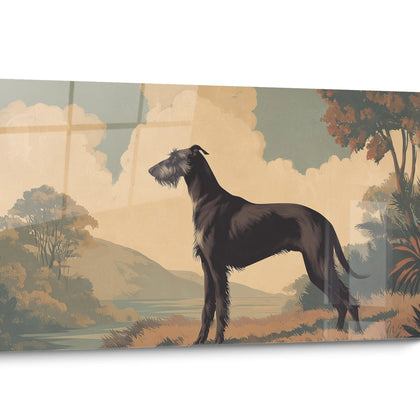 Deerhound Dog Painting21
artworks
Deerhound Dog Painting21
artworks
-
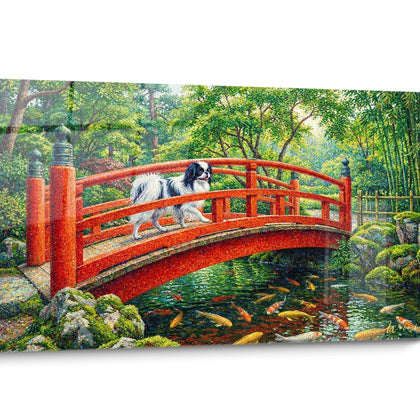 Japanese Spaniel Dog Canvas29
artworks
Japanese Spaniel Dog Canvas29
artworks
-
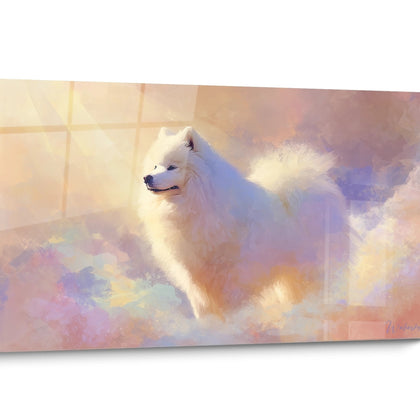 Japanese Spitz Dog Wall Art23
artworks
Japanese Spitz Dog Wall Art23
artworks
-
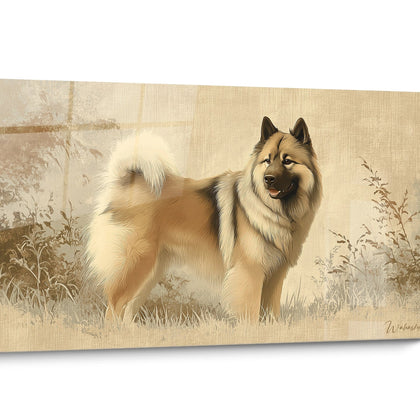 Eurasier Dog Wall Art20
artworks
Eurasier Dog Wall Art20
artworks
-
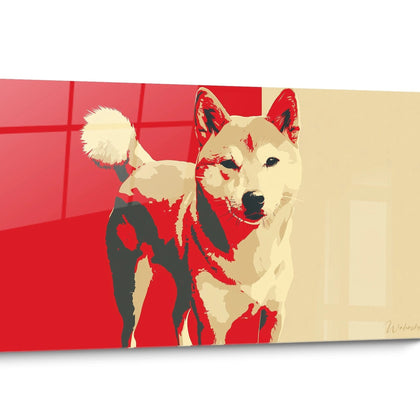 Shiba Inu Dog Wall Art41
artworks
Shiba Inu Dog Wall Art41
artworks
-
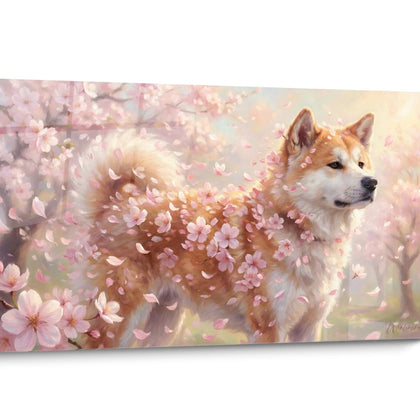 Akita Inu Dog Wall Art36
artworks
Akita Inu Dog Wall Art36
artworks
-
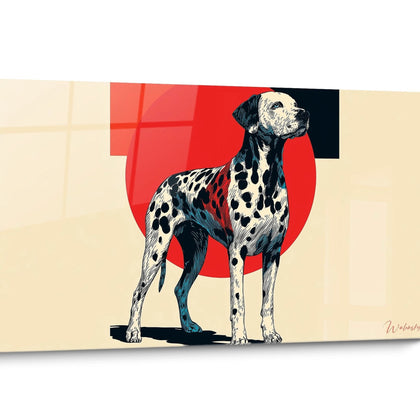 Dalmatian Wall Art30
artworks
Dalmatian Wall Art30
artworks
-
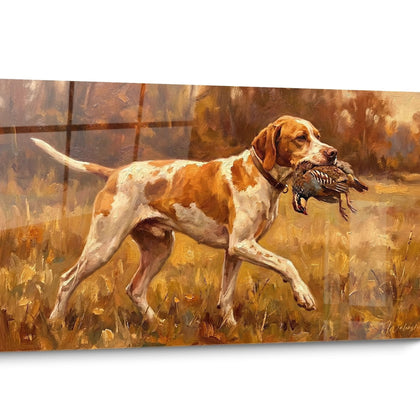 English Pointer Dog Canvas Art37
artworks
English Pointer Dog Canvas Art37
artworks
-
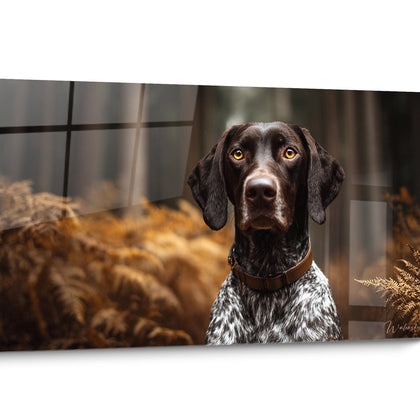 German Shorthaired Pointer Dog Painting26
artworks
German Shorthaired Pointer Dog Painting26
artworks
-
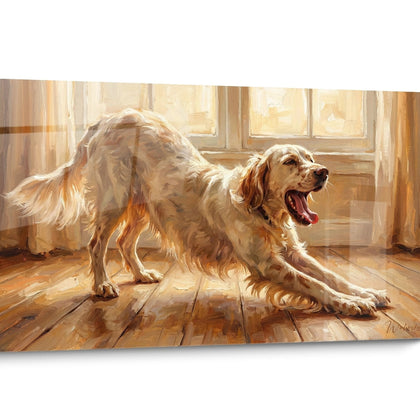 English Setter Dog Art34
artworks
English Setter Dog Art34
artworks
-
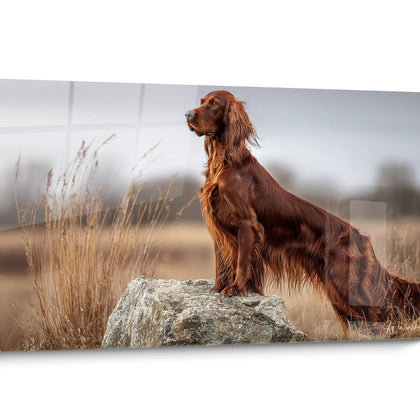 Irish Setter Dog Painting36
artworks
Irish Setter Dog Painting36
artworks
-
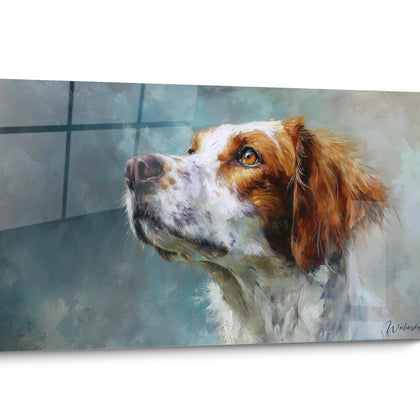 Brittany Spaniel Dog Painting35
artworks
Brittany Spaniel Dog Painting35
artworks
-
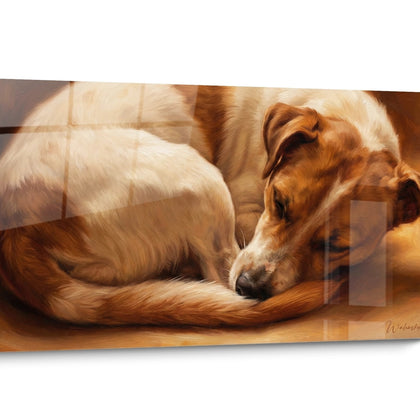 Jack Russell Terrier Dog Wall Art35
artworks
Jack Russell Terrier Dog Wall Art35
artworks
-
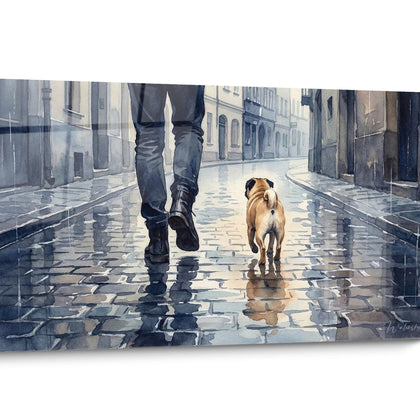 Pug Wall Art23
artworks
Pug Wall Art23
artworks
-
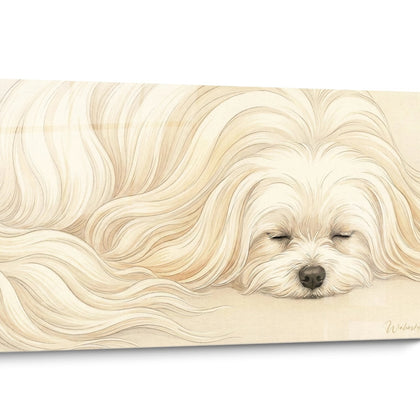 Maltese Bichon Dog Canvas40
artworks
Maltese Bichon Dog Canvas40
artworks
-
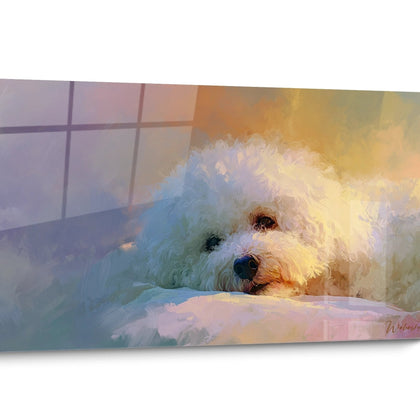 Bichon Frise Dog Wall Art26
artworks
Bichon Frise Dog Wall Art26
artworks
-
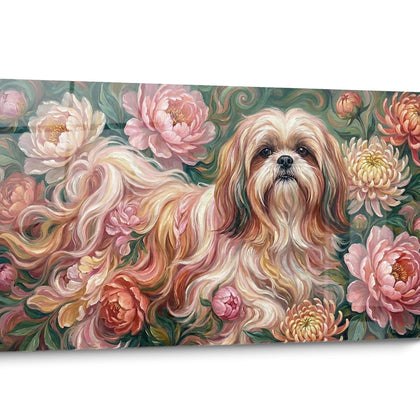 Shih Tzu Dog Wall Art28
artworks
Shih Tzu Dog Wall Art28
artworks
-
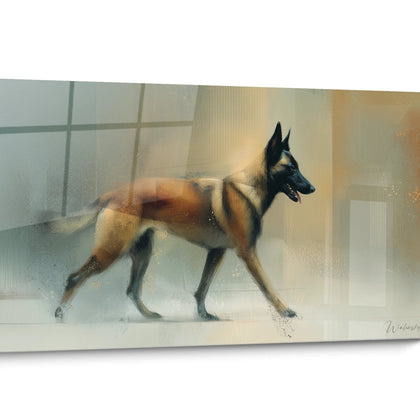 Belgian Malinois Dog Canvas36
artworks
Belgian Malinois Dog Canvas36
artworks
-
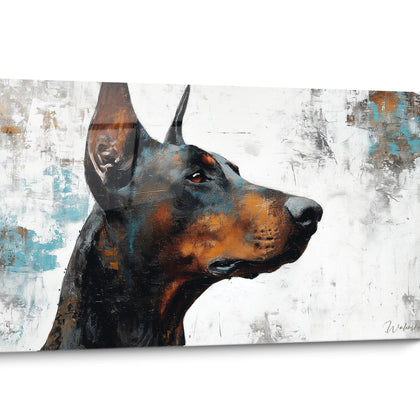 Doberman Dog Wall Art32
artworks
Doberman Dog Wall Art32
artworks
-
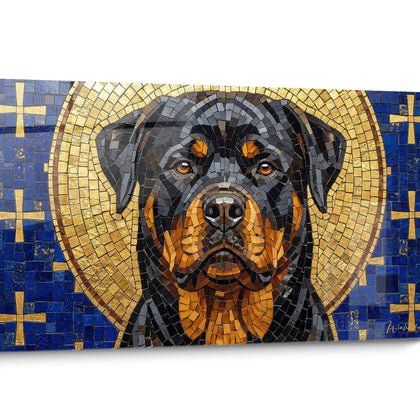 Rottweiler Dog Wall Art32
artworks
Rottweiler Dog Wall Art32
artworks
-
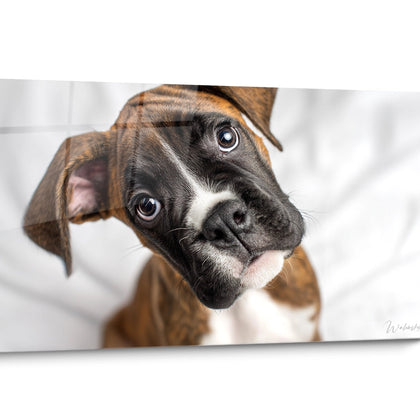 Boxer Dog Wall Art27
artworks
Boxer Dog Wall Art27
artworks
-
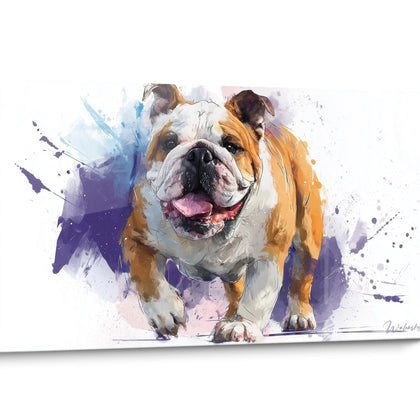 English Bulldog Wall Art32
artworks
English Bulldog Wall Art32
artworks
-
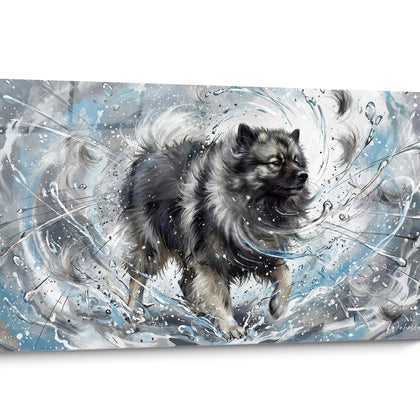 Keeshond Dog Wall Art32
artworks
Keeshond Dog Wall Art32
artworks
-
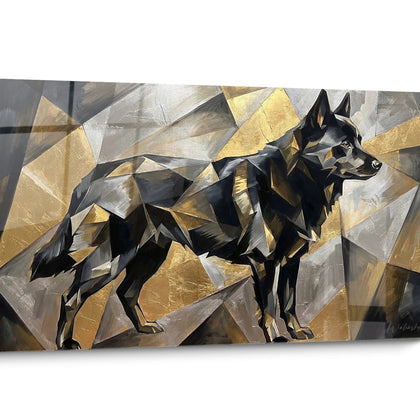 Schipperke Dog Wall Art32
artworks
Schipperke Dog Wall Art32
artworks
-
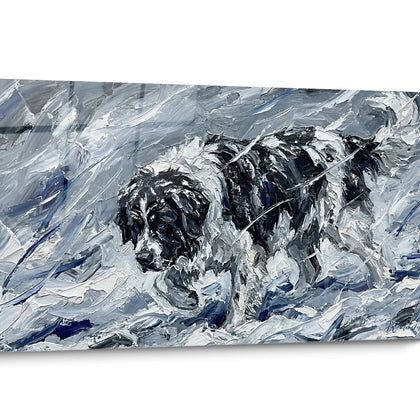 Landseer Dog Canvas33
artworks
Landseer Dog Canvas33
artworks
-
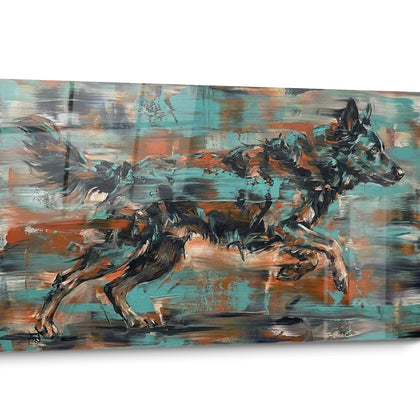 Mudi Dog Wall Art24
artworks
Mudi Dog Wall Art24
artworks
-
 Chihuahua Dog Wall Art25
artworks
Chihuahua Dog Wall Art25
artworks
-
 Beagle Dog Wall Art27
artworks
Beagle Dog Wall Art27
artworks


All about Weimaraner Dog Painting
- Overview Weimaraner Wall Art
- Canine Elegance Wall
- Aristocratic Presence
- Noble Character
The Weimaraner wall art captures the essence of an iconic canine breed, instantly recognizable by its silvery coat and penetrating gaze. This large-format mural representation showcases the sleek silhouette and distinguished posture of the Weimaraner, creating an exceptional focal point in contemporary interiors. Enthusiasts of this mythical breed seek artwork capable of conveying the emotional depth and characteristic intensity of this German hunting dog. Beyond mere decoration, this artistic composition celebrates canine heritage and fascination with this breed of aristocratic origins, prized by the Grand Dukes of Weimar in the 19th century.
The expression of amber gaze in contemporary canine décor
The Weimaraner wall art stands out immediately through the capture of that distinctive amber gaze so particular to the breed. The clear eyes, oscillating between gray and blue in early months then evolving toward the characteristic amber, constitute the central expressive element of these mural compositions. Animal photographers and specialized artists concentrate their composition on this ocular intensity that seems to question the observer with nearly human intelligence.
In minimalist Scandinavian interiors or industrial lofts, this representation creates a striking contrast. The natural silvery tonality of the coat harmonizes with modern monochrome palettes, while the luminous gaze brings a touch of organic warmth. Collectors of dog wall art seek precisely this duality between aesthetic coldness and emotional warmth that only the Weimaraner embodies with such force.
How does the silvery coat influence mural decorative choices?
The Weimaraner's unique mouse-gray coat imposes specific chromatic considerations. This natural metallic shade pairs exceptionally well with urban loft atmospheres, polished concrete interiors, or spaces dominated by brushed steel. Interior designers exploit this synergy to create refined atmospheres where the artwork becomes the natural extension of a coherent material vocabulary.
Which dimensions best showcase the slender silhouette?
The Weimaraner's longilinear morphology requires generous vertical or panoramic formats. Large-scale compositions, frequently exceeding 120 cm in width, allow faithful reproduction of this breed's aristocratic proportions. An imposing format also captures characteristic anatomical details: the drooping ears framing the noble head, the deep chest, the tail traditionally docked in certain countries.
- Panoramic formats to capture the gait in movement during hunting stance
- Vertical compositions to enhance the upright and vigilant posture
- Expressive close-ups focused on the refined profile and elongated muzzle
- Rustic settings evoking hunter instinct
Aristocratic symbolism and German canine heritage
The Weimaraner wall art conveys cultural heritage deeply rooted in 19th-century German nobility. This breed, developed at the court of Grand Duke Charles-Augustus of Saxe-Weimar-Eisenach, was jealously guarded by the aristocracy for its exceptional pointing dog qualities. Incorporating this representation into a living space amounts to claiming a fragment of this prestigious canine history.
Hunting enthusiasts and canine heritage devotees seek these compositions evoking forest hunts across German princely estates. The Weimaraner embodies an era when canine selection was a noble privilege, creating pure lineages transmitted only within restricted circles. This historical exclusivity confers narrative dimension to the artwork that few other breeds can claim.
Why does this breed fascinate animal art collectors so profoundly?
The ghostly aesthetics of the Weimaraner, sometimes nicknamed the "gray ghost," exercise unique visual fascination. This spectral appearance, combined with refined elegance, makes it a sought-after artistic subject for contemporary photographers and realist painters. The works of William Wegman significantly contributed to popularizing this breed as a cultural icon, creating a specific artistic movement around these anthropomorphic dogs.
Which environments best showcase this type of canine representation?
Libraries with dark wood paneling, executive offices with classical furniture, and English-style living rooms constitute ideal settings. The artwork brings aristocratic vitality without disrupting these traditional spaces' sobriety. In country residences or equestrian properties, this piece resonates with rural identity and attachment to hunting traditions.
- Spaces dedicated to hunting trophies and hunting memorabilia
- Impressive entrance halls requiring strong visual presence
- Contemporary salons seeking subtle historical grounding
- Specialized veterinary clinics for purebred dogs
Sensitive temperament and emotional expression in mural art
Beyond its spectacular appearance, the Weimaraner wall art seeks to capture the complex personality of this breed renowned for its extreme sensitivity. Weimaraner owners know this particularity well: an almost obsessive fusional attachment to their human family, emotional vulnerability contrasting with their physical presence. Talented artists succeed in visually translating this touching duality.
The most successful compositions reveal this natural melancholy visible in the gaze, this propensity for separation anxiety characterizing the breed. For current or former Weimaraner owners, these mural representations become emotionally charged tributes, evoking the unique connection forged with these companions of rare relational intensity.
How to recognize authentic representation of the breed's character?
Superficial creations merely reproduce physical appearance, while quality works transcribe canine psychology. Look for compositions revealing this constant vigilance, this attention directed toward an off-frame point suggesting ever-alert hunting instinct. Ear positioning, subtle muscular tension, gaze orientation: these micro-details separate simple animal photography from truly expressive artwork.
What complementarity with other canine decorative elements?
In multi-dog households, the Weimaraner wall art integrates harmoniously with representations of other continental hunting breeds: German pointer, Münster Spaniel, English Pointer. This thematic coherence creates a specialized canine gallery reflecting genuine passion for the hunting world. Vintage accessories—aged leather leashes, antique collars, exhibition medals—reinforce this heritage atmosphere.
Why choose a Weimaraner wall art for modern interior?
This breed's timelessness permits fluid integration into minimalist contemporary décor. Unlike representations of multicolored-coat breeds, the Weimaraner's silvery monochrome maintains visual sobriety compatible with current aesthetic codes, while injecting strong animal presence and historical narrative depth.
How to preserve the emotional value of artwork representing this breed?
For owners having lost their Weimaraner companion, the mural artwork becomes a living memorial. Its positioning in a space of daily passage maintains symbolic connection with the departed animal, transforming domestic space into a discrete sanctuary celebrating this unique relationship. The recommended large size amplifies this comforting presence.
What message does Weimaraner wall art convey in professional space?
In law offices, notarial studies, or corporate headquarters, this representation communicates refinement, tradition, and reliability. The Weimaraner, through its historical association with aristocracy and reputation for intelligence, projects values of excellence, loyalty, and distinction that resonate positively in demanding professional contexts.
Further reading
Our articles on this topic
- Black and white Weimaraner painting: the perfect gift idea for a couple who love dogs
- Weimaraner portrait painting: realistic vs watercolour illustration, which to choose?
- Gold Bullmastiff painting: the gift that celebrates the strength and loyalty of the dog
- Vintage Weimaraner wall art: matching your painting to a rustic living room
- Deerhound painting: choosing an artwork faithful to the elegance of this Scottish breed
- Fila Brasileiro black-and-white painting: capturing the character of a mastiff in artistic style
L'art qui suscite l'envie
Maison belge d'art mural grand format
14 jourspour changer d'avis*
Protection Walenskyincluse
Fabriquéen Italie
FormatXXL
Kit de fixationtoujours fourni
* Hors tableaux personnalisés et tailles personnalisées


