


Pekingese Dog Painting
Our Pekingese Painting collection celebrates the ancestral elegance of this Chinese imperial breed. Each decorative pekingese painting captures the nobility and unique charm of this small dog with its majestic mane. These artistic creations bring a refined touch to your interior, whether in a living room, bedroom, or a space dedicated to dog lovers. The pekingese canine art reflects the proud and endearing character of this ancient breed, offering sophisticated décor.
 Dog Portrait Painting with Expressive Eyes in Black and White - Tender Gaze - Pekinese Edition273,90 €
 Reclining Pekinese Painting in Ochre and Rust Tones - Golden Quietude - Pekinese Edition273,90 €
 Beige Toned Pekinese Painting Seated in Vintage Decor - Canine Elegance - Pekinese Edition273,90 €
 Beige Pekingese Canvas with Long Silky Hair - Canine Elegance - Pekingese Edition273,90 €
 Multicolor Canine Portrait Painting in Violet and Golden Tones - Chromatic Explosion - Pekingese Edition273,90 €
 Pekingese in Tailcoat Costume - Aristocratic Portrait - Pekingese Edition273,90 €
 Pekingese Golden Coat in Luminous Canyon - Solar Splendor - Pekingese Edition273,90 €
 Pekingese with Long Silky Hair on Warm Beige Background - Elegant Canine Portrait - Pekingese Edition273,90 €
 Pekingese with Long Golden Hair on Floral Background - Contemplative Portrait - Pekingese Edition273,90 €
 Fawn Pekingese Long-Haired Portrait by Window - Golden Light - Pekingese Edition273,90 €
 Golden-Haired Pekingese Sitting on Wooden Bench - Noble Portrait - Pekingese Edition273,90 €
 Canine Portrait Painting with Expressive Eyes in Black and White - Tender Gaze - Pekingese Edition273,90 €
 Pekingese Painting with Golden Tones on Abstract Background - Contemplative Portrait - Pekingese Edition273,90 €
 Long-Haired Small Dog on Beige Background Painting - Classic Canine Portrait - Pekingese Edition273,90 €
 Golden and White Tones Dog Painting - Majestic Canine Portrait - Pekingese Edition273,90 €
 Pekingese Painting with Expressive Eyes on Pastel Background - Endearing Portrait - Pekingese Edition273,90 €
 Pekingese Painting with Golden Eyes on Multicolor Background - Color Explosion - Pekingese Edition273,90 €
 White Long-Haired Dog in Geometric Decor Painting - Silky Elegance - Pekingese Edition273,90 €
 Rainbow-Colored Dog Painting Expressive Gaze - Colorful Portrait - Pekingese Edition273,90 €
 Pekingese Rainbow Light Painting - Chromatic Explosion - Pekingese Edition273,90 €
 Pekingese Expressive Eyes Painting - Majestic Portrait - Pekingese Edition273,90 €
 Golden-Haired Dog Painting Brushstroke Effect - Tender Gaze - Pekingese Edition273,90 €
 Golden Pekingese by the Window - Silent Contemplation - Pekingese Edition273,90 €
 Pekingese Sleeping on Louis XV Armchair - Royal Rest - Pekingese Edition273,90 €
Explore further
In Pekingese Dog Painting
-
 Pekingese Dog Painting Black and White5
artworks
Pekingese Dog Painting Black and White5
artworks
-
 Pekingese Dog Pop Art Wall Art4
artworks
Pekingese Dog Pop Art Wall Art4
artworks
-
 Golden Pekingese Dog Painting9
artworks
Golden Pekingese Dog Painting9
artworks
-
 Vintage Pekingese Dog Canvas Art4
artworks
Vintage Pekingese Dog Canvas Art4
artworks
-
 Pekingese Dog Portrait Wall Art14
artworks
Pekingese Dog Portrait Wall Art14
artworks
-
 Modern Pekingese Dog Wall Art10
artworks
Modern Pekingese Dog Wall Art10
artworks
-
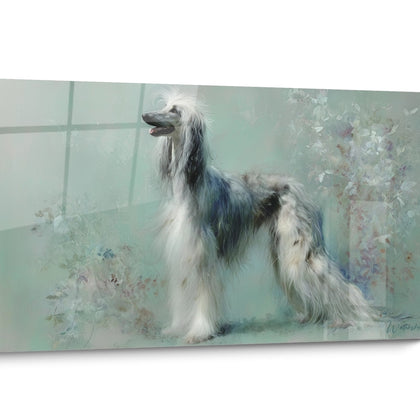 Afghan Hound Dog Canvas38
artworks
Afghan Hound Dog Canvas38
artworks
-
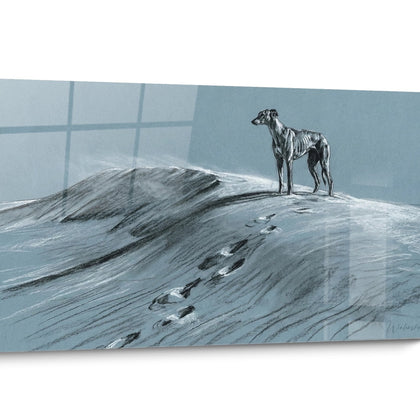 Greyhound Dog Wall Art37
artworks
Greyhound Dog Wall Art37
artworks
-
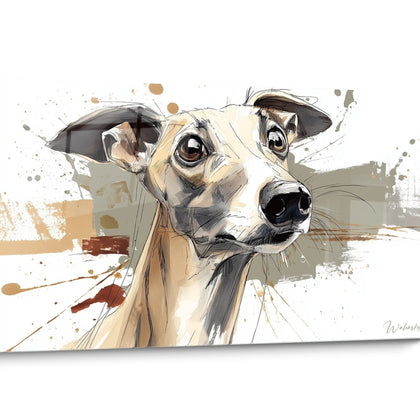 Whippet Greyhound Wall Art31
artworks
Whippet Greyhound Wall Art31
artworks
-
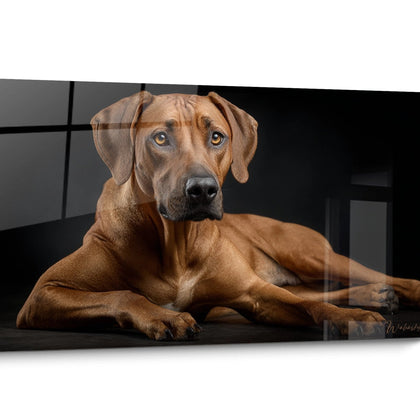 Rhodesian Ridgeback Dog Wall Art23
artworks
Rhodesian Ridgeback Dog Wall Art23
artworks
-
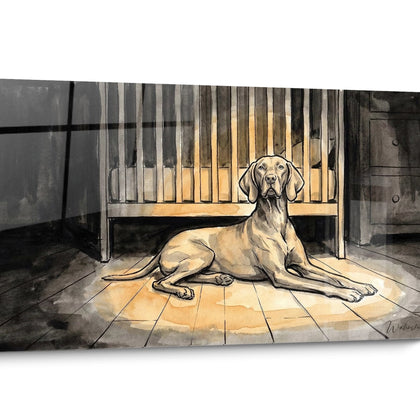 Vizsla Dog Canvas Art36
artworks
Vizsla Dog Canvas Art36
artworks
-
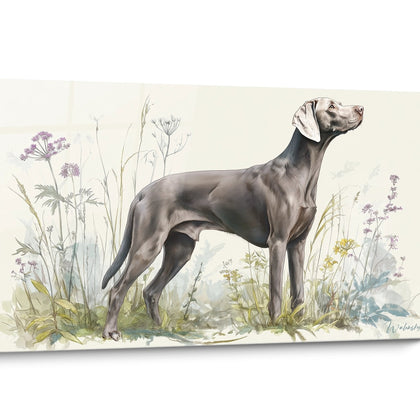 Weimaraner Dog Canvas27
artworks
Weimaraner Dog Canvas27
artworks
-
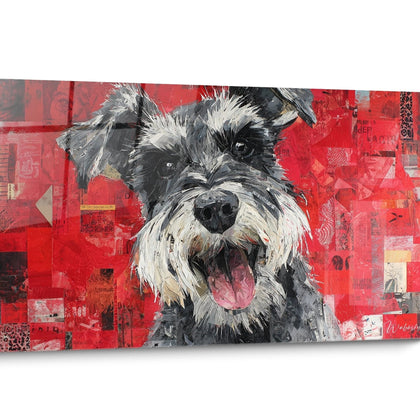 Schnauzer Dog Canvas Art35
artworks
Schnauzer Dog Canvas Art35
artworks
-
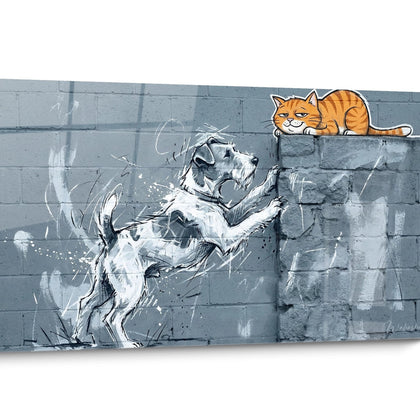 Fox Terrier Dog Wall Art36
artworks
Fox Terrier Dog Wall Art36
artworks
-
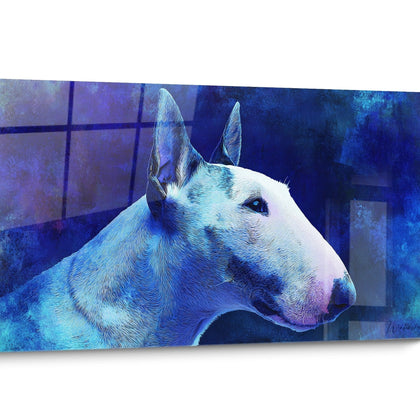 Bull Terrier Dog Wall Art22
artworks
Bull Terrier Dog Wall Art22
artworks
-
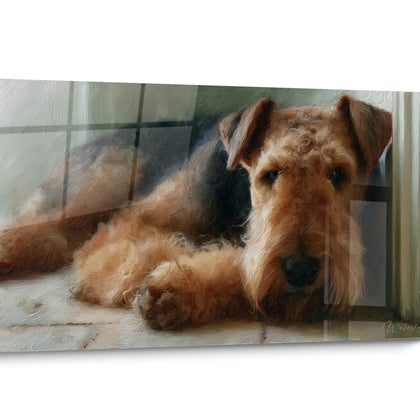 Airedale Terrier Dog Wall Art22
artworks
Airedale Terrier Dog Wall Art22
artworks
-
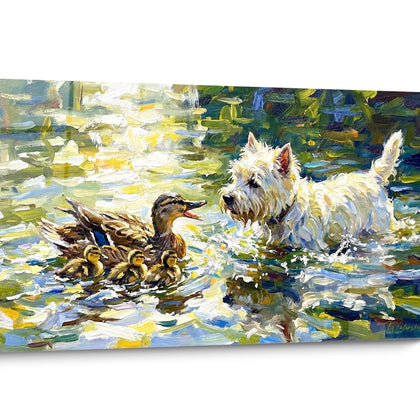 West Highland White Terrier Dog Canvas29
artworks
West Highland White Terrier Dog Canvas29
artworks
-
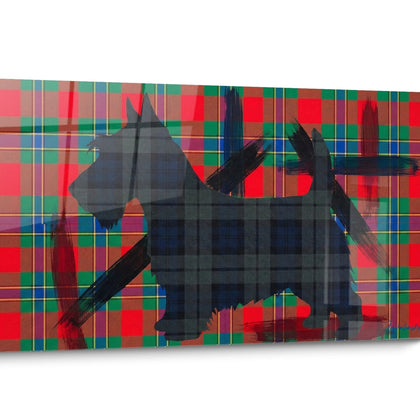 Scottish Terrier Dog Wall Art30
artworks
Scottish Terrier Dog Wall Art30
artworks
-
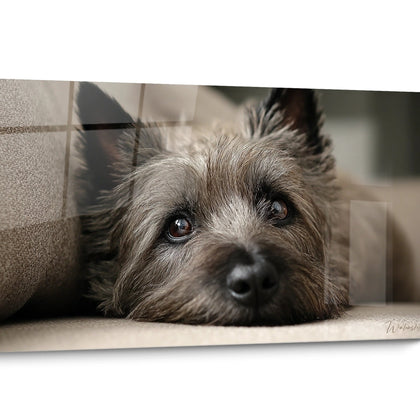 Cairn Terrier Dog Wall Art36
artworks
Cairn Terrier Dog Wall Art36
artworks
-
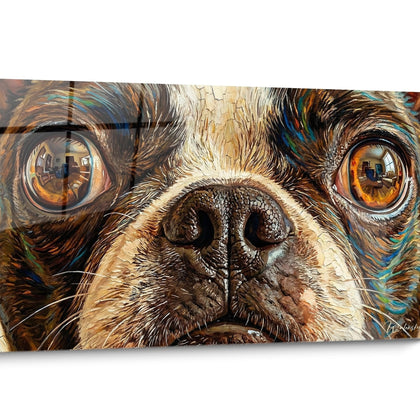 Boston Terrier Dog Wall Art30
artworks
Boston Terrier Dog Wall Art30
artworks
-
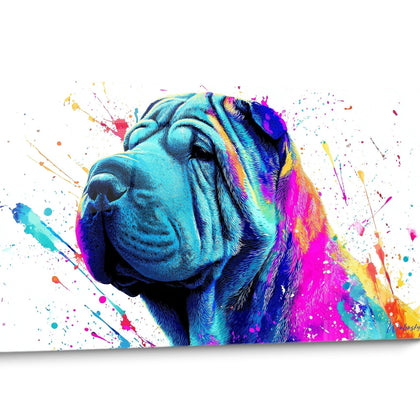 Shar Pei Dog Wall Art34
artworks
Shar Pei Dog Wall Art34
artworks
-
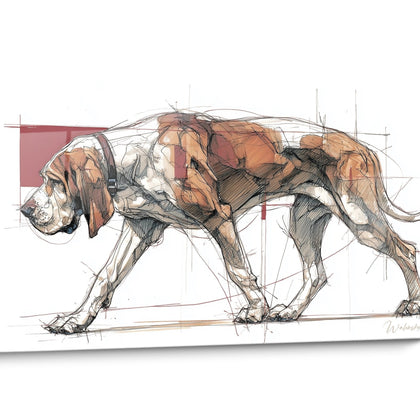 Bloodhound Dog Canvas28
artworks
Bloodhound Dog Canvas28
artworks
-
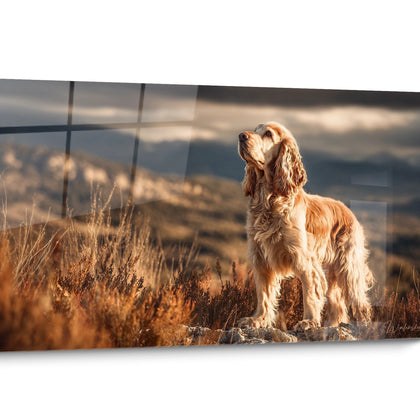 American Cocker Spaniel Wall Art36
artworks
American Cocker Spaniel Wall Art36
artworks
-
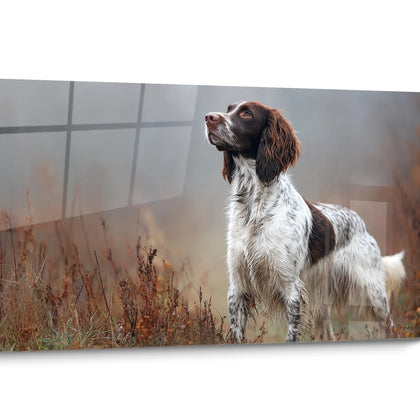 English Springer Spaniel Dog Painting32
artworks
English Springer Spaniel Dog Painting32
artworks
-
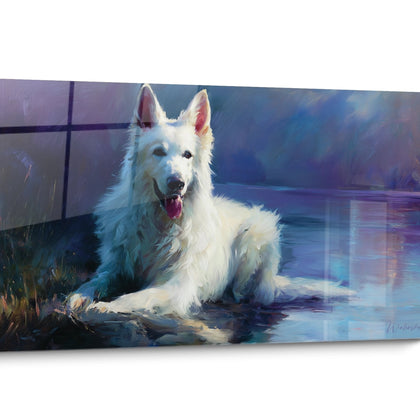 White Swiss Shepherd Dog Wall Art29
artworks
White Swiss Shepherd Dog Wall Art29
artworks
-
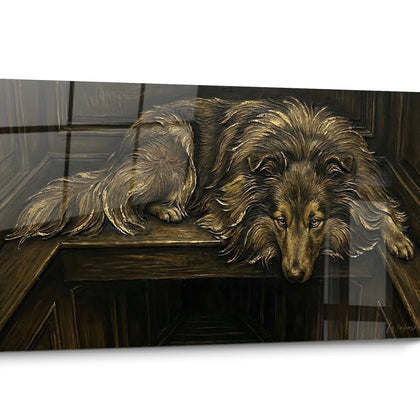 Shetland Sheepdog Wall Art32
artworks
Shetland Sheepdog Wall Art32
artworks
-
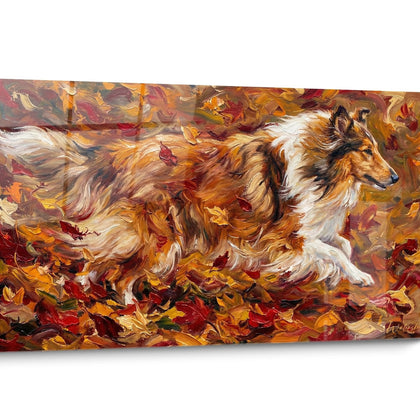 Collie Wall Art33
artworks
Collie Wall Art33
artworks
-
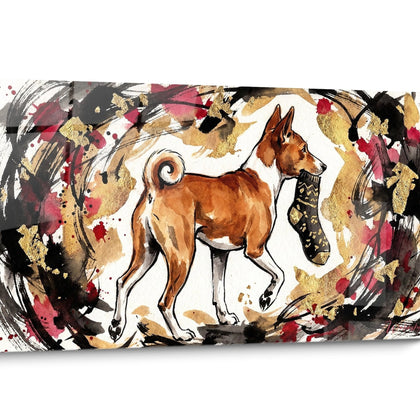 Basenji Dog Wall Art50
artworks
Basenji Dog Wall Art50
artworks
-
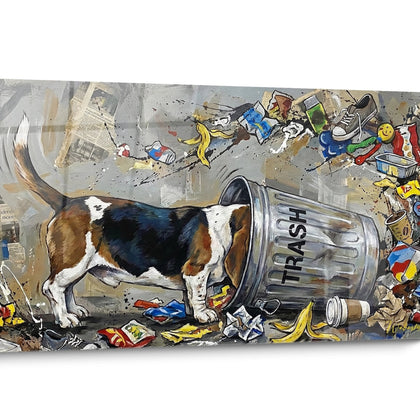 Basset Hound Dog Canvas Art35
artworks
Basset Hound Dog Canvas Art35
artworks
-
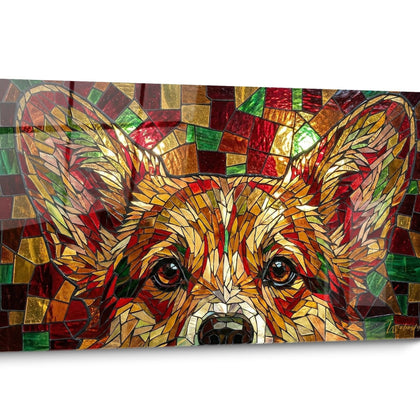 Corgi Pembroke Dog Canvas51
artworks
Corgi Pembroke Dog Canvas51
artworks
-
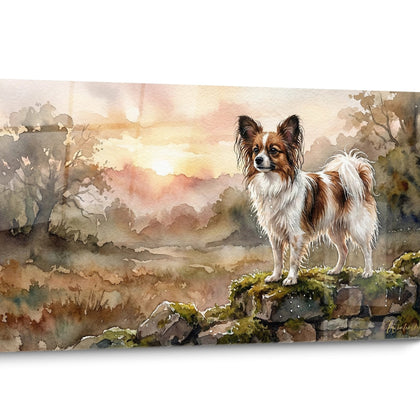 Papillon Dog Wall Art47
artworks
Papillon Dog Wall Art47
artworks
-
 Lhassa Apso Dog Wall Art32
artworks
Lhassa Apso Dog Wall Art32
artworks
-
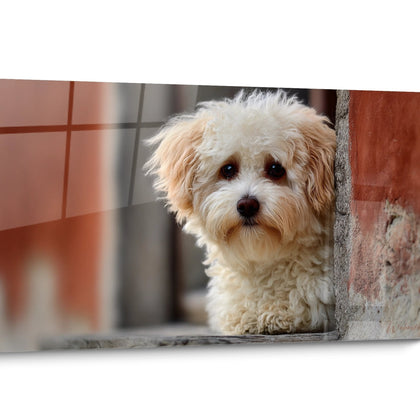 Havanese Dog Canvas Art28
artworks
Havanese Dog Canvas Art28
artworks
-
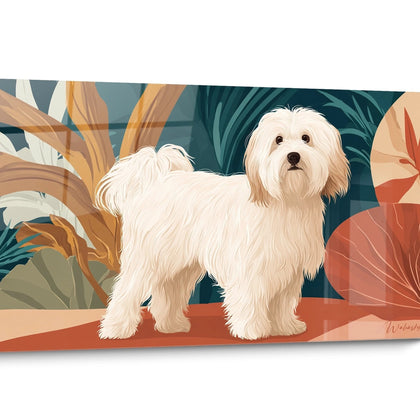 Cotton de Tulear Dog Wall Art20
artworks
Cotton de Tulear Dog Wall Art20
artworks
-
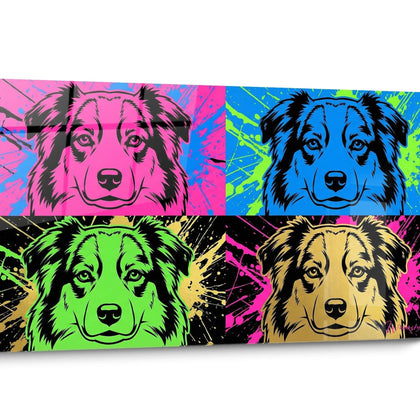 Miniature American Shepherd Dog Wall Art32
artworks
Miniature American Shepherd Dog Wall Art32
artworks
-
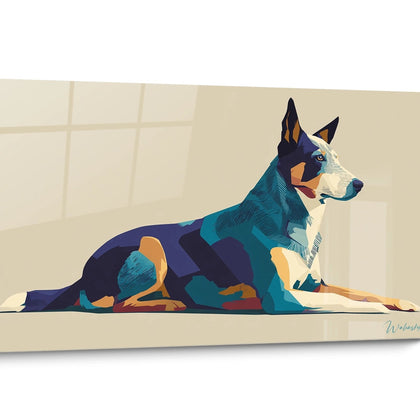 Australian Cattle Dog Wall Art21
artworks
Australian Cattle Dog Wall Art21
artworks
-
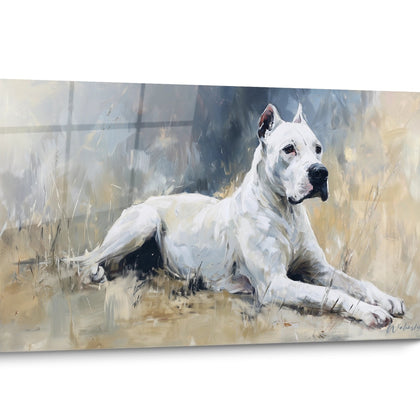 Argentine Dogue Wall Art24
artworks
Argentine Dogue Wall Art24
artworks
-
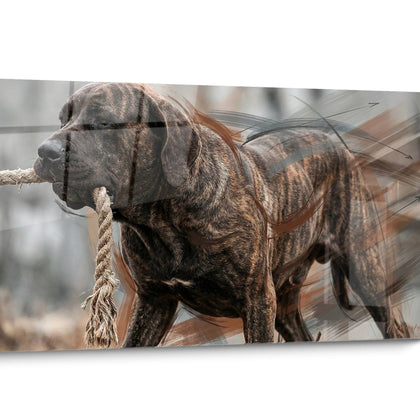 Fila Brasileiro Dog Canvas23
artworks
Fila Brasileiro Dog Canvas23
artworks
-
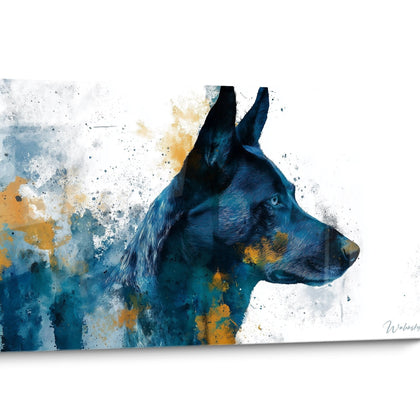 Dutch Shepherd Dog Canvas24
artworks
Dutch Shepherd Dog Canvas24
artworks
-
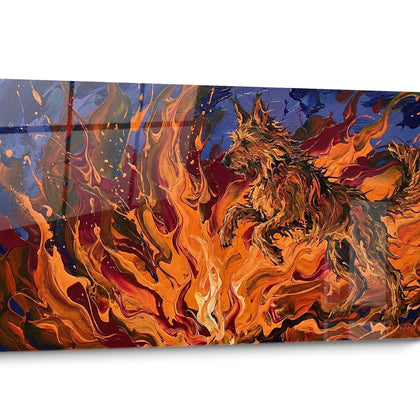 Picardy Shepherd Dog Canvas30
artworks
Picardy Shepherd Dog Canvas30
artworks
-
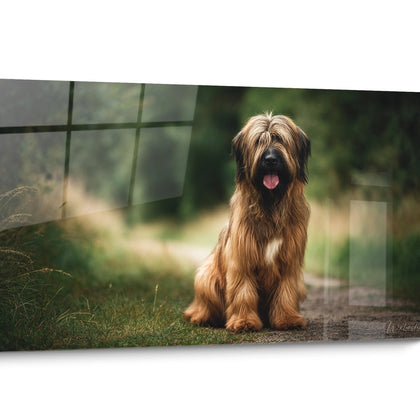 Briard Dog Canvas18
artworks
Briard Dog Canvas18
artworks
-
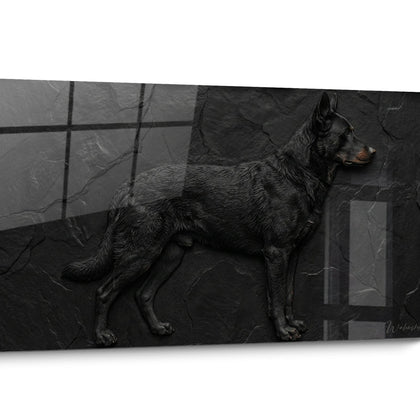 Beauceron Dog Canvas36
artworks
Beauceron Dog Canvas36
artworks
-
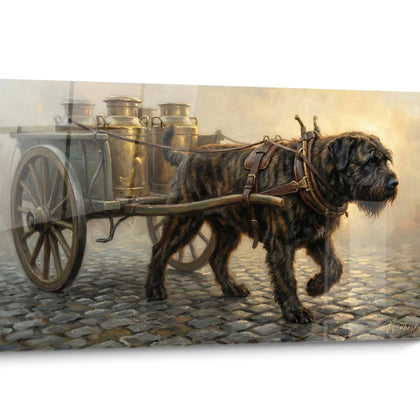 Flemish Bouviers Dog Wall Art28
artworks
Flemish Bouviers Dog Wall Art28
artworks
-
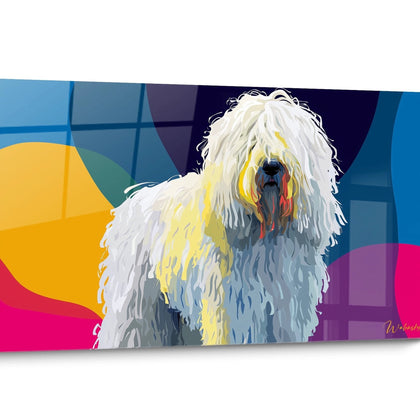 Komondor Dog Wall Art16
artworks
Komondor Dog Wall Art16
artworks
-
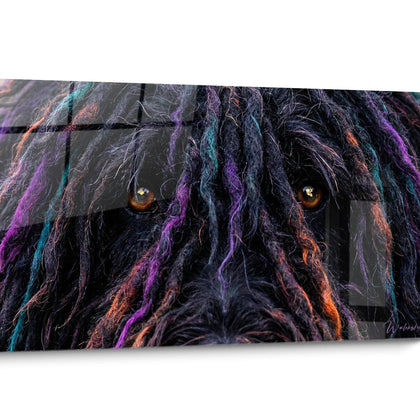 Puli Dog Wall Art28
artworks
Puli Dog Wall Art28
artworks
-
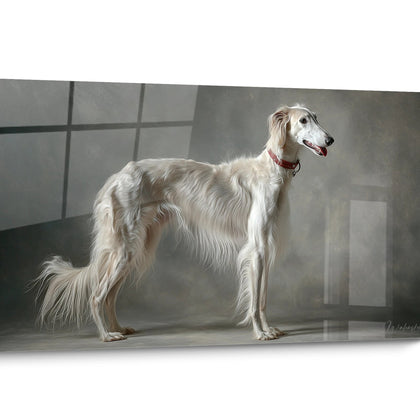 Borzoi Dog Canvas28
artworks
Borzoi Dog Canvas28
artworks
-
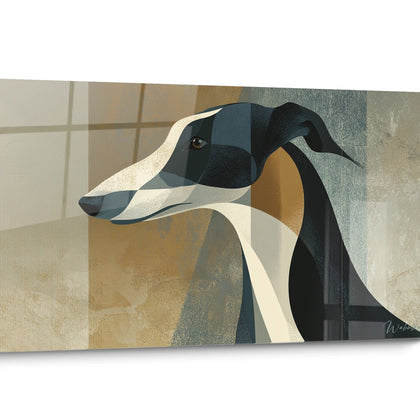 Sakuki Dog Canvas21
artworks
Sakuki Dog Canvas21
artworks
-
 Irish Wolfhound Dog Wall Art38
artworks
Irish Wolfhound Dog Wall Art38
artworks
-
 Deerhound Dog Painting21
artworks
Deerhound Dog Painting21
artworks
-
 Japanese Spaniel Dog Canvas29
artworks
Japanese Spaniel Dog Canvas29
artworks


All about Pekingese Dog Painting
- Presentation Pekingese Painting
- Royal aesthetics of the Pekingese
- Imperial atmosphere for your interior
- Enhance the noble character of the Pekingese
The Pekingese painting celebrates the ancestral heritage of this legendary canine breed, the privileged companion of Chinese emperors for millennia. This wall art captures the very essence of the Pekingese with its majestic mane, dignified bearing, and gaze steeped in nobility. Our large-format creations highlight every distinctive detail of this iconic breed: the profusion of its silken coat, its characteristic flat muzzle, and that regal expression which has endured through the dynasties. Investing in a Pekingese painting is far more than a simple decorative purchase—it is welcoming a fragment of Chinese imperial history into your home and paying homage to one of the oldest and most revered canine breeds in the world. For enthusiasts of this distinguished breed or admirers of refined dog paintings, this artwork instantly transforms a room's ambiance, conferring an aristocratic dimension.
The royal expression of the Pekingese in contemporary wall art
The Pekingese painting above all highlights the unique facial expression of this thousand-year-old breed. Unlike classical canine representations, the artistic challenge lies in capturing that gaze simultaneously distant yet profoundly intelligent, characteristic of these former guardians of imperial palaces. Specialized artists meticulously work the nuances around the dark, expressive eyes, creating that intensity inherent to the Pekingese which seems to observe the world with ancestral wisdom.
How to recognize an exceptional quality Pekingese painting?
The faithful representation of coat texture constitutes the major distinctive element. The Pekingese possesses an exceptionally dense double coat with a mane reminiscent of the lion, a sacred symbol in Chinese culture. Premium artistic creations reproduce these layers of long, silken hair with remarkable precision, creating a perceptible effect of volume and movement even at a distance. The chromatic variations of the coat—ranging from tawny gold to cream and sand hues—must be rendered with subtlety to evoke the genetic richness of these imperial dogs.
The balanced composition to magnify aristocratic bearing
The large dimensional format allows for restoration of the Pekingese's characteristic posture: this compact body carried with extraordinary dignity, the tail proudly curved over the back, forming an elegant plume. The most successful compositions position the subject slightly in low angle perspective, accentuating that impression of majesty which these companions of Chinese imperial courts exuded. This particular viewpoint evokes the respect they commanded in the palaces of the Forbidden City.
Why is the Pekingese painting suited to refined spaces?
This representation naturally integrates into sophisticated interiors seeking a touch of aristocratic exoticism. The historical connection to Chinese royalty confers a cultural depth absent from ordinary canine representations. Pekingese owners discover authentic homage to their companion with its singular temperament, while animal art collectors appreciate the relative rarity of this iconography compared to more commonly represented breeds.
Creating a palatial ambiance inspired by Chinese dynasties
Installing a Pekingese painting in your domestic environment immediately evokes the atmosphere of imperial residences from ancient China. These dogs were regarded as semi-divine beings, spiritual protectors of sacred spaces, and their artistic presence continues to convey this protective aura. Large formats allow for recreating that sensation of benevolent guardian which characterized their traditional role in the private quarters of emperors and empresses.
Association with decorative elements of Asian inspiration
The Pekingese painting harmonizes beautifully with Oriental aesthetic codes: brilliant lacquers, antique porcelains, furniture in precious wood such as rosewood or teak. This visual synergy creates powerful thematic coherence, transforming a simple living room into a space evoking the reception halls of Manchu palaces. The natural tones of the Pekingese's coat—gold, cream, red-tawny—dialogue harmoniously with traditional Chinese colors such as vermillion red, imperial yellow, and lacquered black.
Which room best showcases a monumental Pekingese painting?
Reception spaces constitute the ideal location for these imposing representations. Historically, the Pekingese accompanied dignitaries during official audiences, symbolizing its owner's elevated status. A spacious entrance hall or main living room particularly benefits from this aristocratic presence which welcomes visitors with silent dignity. The personal library represents equally judicious choice, evoking imperial study halls where these cultivated companions accompanied the court's scholars and philosophers.
The psychological impact of a historic canine presence
Unlike representations of modern breeds, the Pekingese painting conveys a fascinating temporal dimension. Observing daily this breed practically unchanged for 2000 years creates tangible connection with human history. This permanence reassures and soothes, anchoring the space in civilizational continuity. Owners often report a sensation of calm and serenity emanating from these representations, probably linked to the unconscious association with Zen philosophy and Oriental wisdom.
Enhance the Pekingese's unique temperament through wall art
The large-format Pekingese painting captures this fascinating behavioral duality: simultaneously independent and deeply loyal, distant with strangers yet devoted to family. The finest artistic representations succeed in crystallizing this psychological complexity into a single image, revealing the multidimensional personality which makes the Pekingese far more than a simple pet but a true family member with an affirmed character.
The representation of legendary courage in a small body
Despite its compact stature, the Pekingese possesses disproportionate courage relative to its size, a heritage of its role as guardian of imperial quarters. The most successful artistic compositions capture this innate bravery through posture, head angle, and gaze intensity. This characteristic resonates particularly with owners who recognize in their companion this surprising determination when facing challenges, a personality trait rarely so pronounced in other small-breed dogs.
How does the Pekingese painting reflect the breed's selective loyalty?
The Pekingese establishes deep but selective bonds, carefully choosing its favorites within the household. An authentic artistic representation conveys this natural reserve and dignity which prevent any excessive familiarity. For breed enthusiasts, possessing a painting capturing this distinctive essence constitutes a daily celebration of this aristocratic temperament which refuses blind submission and always maintains certain decision-making autonomy, a vestige of centuries spent as companion of equals rather than masters.
The evolution of Pekingese aesthetic appreciation
While canine beauty standards evolve toward athleticism and functionality, the Pekingese painting celebrates a timeless aesthetic valuing natural ornamentation, coat exuberance, and unique proportions. This representation thus becomes a declaration of affirmed taste, signaling appreciation for unconventional, sophisticated beauty charged with cultural significance. Discerning collectors recognize in these works an investment in iconography transcending fleeting trends.
What symbolism does a Pekingese painting bring to a professional environment?
In a private office or executive meeting room, a Pekingese painting's presence subtly communicates values of distinction and excellence. Historical association with royalty and cultivated elites confers sophisticated cultural legitimacy. This iconography also signals appreciation for refined traditions and international perspective, particularly relevant in business contexts involving Asian partners who will immediately recognize the profound cultural significance.
Is a Pekingese painting suited to all interior styles?
While naturally harmonious in Asian-inspired or classical décor, the Pekingese painting remarkably adapts to contemporary interiors seeking a focal point charged with history. The contrast between refined modernity and the historical opulence of the subject creates captivating visual tension. Minimalist spaces particularly benefit from this injection of cultural richness without decorative overload.
What surrounding color palette best enhances a Pekingese painting?
Sophisticated neutral tones—pearl gray, taupe beige, off-white—allow the Pekingese's luxuriant coat to visually dominate the space. Accents in golden, bronze, and copper tones establish harmonious resonance with the characteristic tawny nuances of many Pekingese. Deep red or burgundy touches evoke Chinese imperial colors and create subtle thematic cohesion.
Can a Pekingese painting transmit family heritage?
For families who have shared their lives with multiple generations of Pekingese, a monumental artistic representation becomes lasting homage to this lineage of companions. This artwork transcends the individual to celebrate the breed itself and the continued relationship between a family and this particular dog type. Passed to future generations, it keeps vivid the memory of these striking canine presences which shaped family history.
Further reading
Our articles on this topic
- How to choose a Pekingese dog painting based on the golden tones of your interior
- Watercolor or oil: which rendering for a golden Pekingese painting?
- Where to hang a Pekingese dog painting in the entrance hall?
- Large golden Pekingese painting: what size and where to hang it in a bedroom
- Puli dog painting: how to fit it into a colourful bohemian living room
- Custom Pekingese Portrait Painting: The Original Gift That Captures Their Character
L'art qui suscite l'envie
Maison belge d'art mural grand format
14 jourspour changer d'avis*
Protection Walenskyincluse
Fabriquéen Italie
FormatXXL
Kit de fixationtoujours fourni
* Hors tableaux personnalisés et tailles personnalisées


