


Mandala Wall Art
Our Mandala Wall Art collection celebrates the ancestral art of sacred geometric patterns. Each creation offers a meditative wall decoration where perfect circles and hypnotic symmetries invite contemplation. These artworks transform your interior into a true sanctuary of serenity, blending spirituality and contemporary aesthetics. Inspired by Buddhist and Hindu traditions, our decorative mandala wall panels bring balance and harmony to your living space.
 Gold Geometric Patterns on Teal Background Wall Art - Oriental Harmony - Mandala Edition273,90 €
 Rose and Violet Mandala Wall Art with Golden Reflections - Celestial Harmony - Mandala Edition273,90 €
 Intertwined Spirals Wall Art Green and Gold - Celtic Harmony - Mandala Edition273,90 €
 Sacred Geometry Wall Art Turquoise and Purple - Mystical Constellation - Mandala Edition273,90 €
 Radial Colorful Explosion Multicolor Artwork - Cosmic Brilliance - Mandala Edition273,90 €
 Coral Turquoise Floral Mandala Wall Art in Relief - Botanical Symphony - Mandala Edition273,90 €
 Blue and White Botanical Wall Art Symmetrical Plant Motifs - Floral Harmony - Mandala Edition273,90 €
 Sri Yantra Copper Wall Art Sacred Geometry - Vedic Mysticism - Mandala Edition273,90 €
 Geometric Golden Mandala Wall Art on Black Background - Light Flashes - Mandala Edition273,90 €
 Floral Mandala Wall Art Pink and Yellow with Colorful Swirls - Enchanted Garden - Mandala Edition228,90 €
 Geometric Mandala Wall Art Green and Gold with Interlaced Motifs - Sacred Harmony - Mandala Edition228,90 €
 Green and Terracotta Geometric Shapes Wall Art on White Background - Modern Harmony - Mandala Edition228,90 €
 Circular Floral Pattern Wall Art in Powder Pink and Sage Green - Symphonic Softness - Mandala Edition228,90 €
 Copper and Bronze Mandala Wall Art with Interlaced Mechanical Motifs - Industrial Alchemy - Mandala Edition228,90 €
 Golden Geometric Wall Art on Burgundy Background - Sacred Yantra - Mandala Edition228,90 €
 Multicolor Radiant Explosion Wall Art Violet Orange Red - Cosmic Burst - Mandala Edition228,90 €
 Golden Lotus Flower Wall Art on Starry Sky - Nocturnal Serenity - Mandala Edition228,90 €
 Golden Om Mandala Wall Art on Turquoise and Orange Graffiti Background - Urban Spirituality - Mandala Edition228,90 €
In the same family
Also explore the theme Zen
-
 View all2161
artworks
View all2161
artworks
-
 Bonsai25
artworks
Bonsai25
artworks
-
 Buddha311
artworks
Buddha311
artworks
-
 Candle64
artworks
Candle64
artworks
-
 Koi Fish130
artworks
Koi Fish130
artworks
-
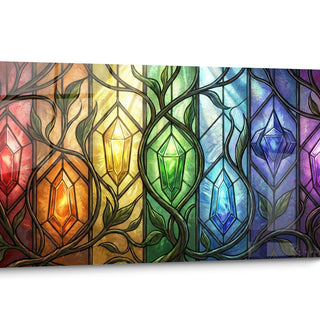 Chakras11
artworks
Chakras11
artworks
-
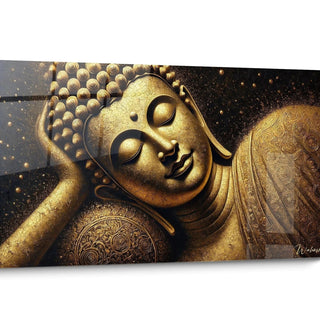 Zen Miscellaneous11
artworks
Zen Miscellaneous11
artworks
-
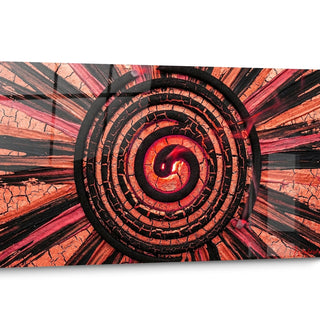 Incense7
artworks
Incense7
artworks
-
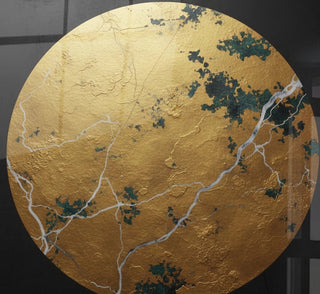 Enso13
artworks
Enso13
artworks
-
 Feng Shui904
artworks
Feng Shui904
artworks
-
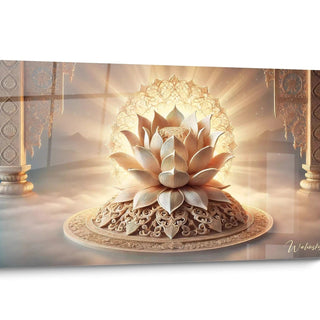 Lotus Flower20
artworks
Lotus Flower20
artworks
-
 Ganesh56
artworks
Ganesh56
artworks
-
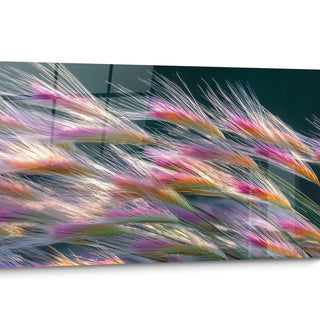 Grasses100
artworks
Grasses100
artworks
-
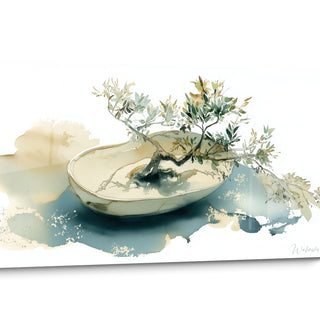 Ikebana93
artworks
Ikebana93
artworks
-
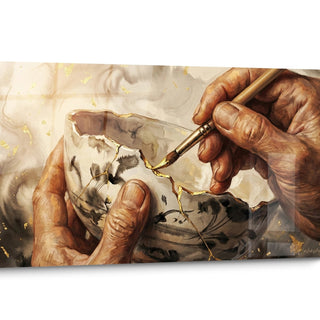 Kintsugi5
artworks
Kintsugi5
artworks
-
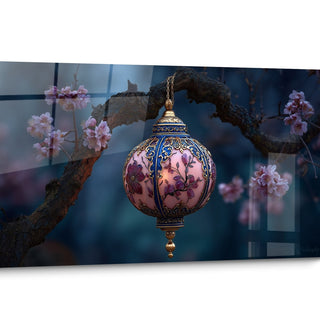 Lantern51
artworks
Lantern51
artworks
-
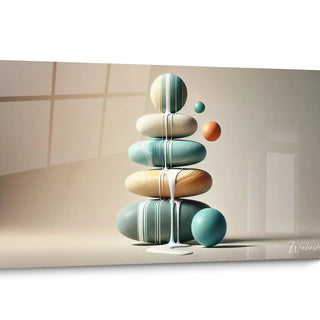 Meditation18
artworks
Meditation18
artworks
-
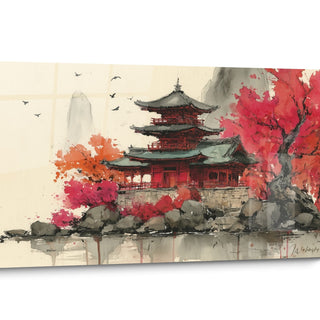 Pagoda79
artworks
Pagoda79
artworks
-
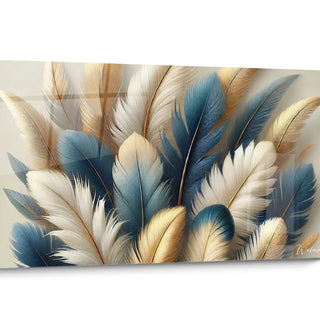 Feather60
artworks
Feather60
artworks
-
 Sand60
artworks
Sand60
artworks
-
 Buddhist Temple17
artworks
Buddhist Temple17
artworks
-
 Terracotta436
artworks
Terracotta436
artworks
-
 Japanese Teapot40
artworks
Japanese Teapot40
artworks
-
 Torii77
artworks
Torii77
artworks
-
 Yin Yang99
artworks
Yin Yang99
artworks


All about Mandala Wall Art
- Mandala Wall Art Presentation
- Symbolism and Energy
- Meditative Practices
- Wellness Spaces
The mandala wall art represents far more than simple wall decoration. This sacred geometric representation, rooted in Buddhist and Hindu traditions, transforms your space into a sanctuary of contemplation. Each concentric circle, each symmetrical pattern guides the eye toward a central point that promotes concentration and mental peace. The generous dimensions of our wall creations enable complete immersion in these complex geometric structures, progressively revealing their subtle details during your meditation sessions. Acquiring a mandala wall art constitutes an investment in your daily spiritual practice, creating a permanent visual anchor for your centering rituals and personal development.
Sacred Geometry in Service of Inner Harmony
A mandala wall art manifests ancestral principles of sacred geometry in your daily environment. The concentric circular patterns create a visual representation of the cosmos, from microcosm to macrocosm, inviting the observer on a profound introspective journey. These radial compositions activate subtle resonances in the space, transforming an ordinary room into a true temple of serenity.
How do mandalas influence the energy of a space?
The mandala's centripetal structure generates a particular energetic field that modifies sensory perception of the environment. Repetitive geometric forms stimulate alpha brain waves, those frequencies associated with relaxed wakefulness and mental clarity. In yoga studios, holistic therapy centers or energy healing spaces, the mandala wall art becomes a therapeutic tool that amplifies collective intention.
Ritual colors and their specific vibrations
Each color palette of a mandala wall art corresponds to precise spiritual intentions. Indigo and violet tones stimulate the third eye chakra, fostering intuition and clairvoyance. Golden and orange hues activate the solar plexus, strengthening personal confidence and vitality. Mandalas with green and pink dominants resonate with the heart chakra, opening to compassion and unconditional love. For deeper meditation practice, our zen wall art offers chromatic compositions specifically designed for each type of energy work.
Cardinal orientation and ritual positioning
Advanced practitioners of Feng Shui and Vastu Shastra place great importance on the orientation of the mandala wall art according to cardinal points. Positioned to the east, it captures the morning energies of renewal and new beginnings. To the south, it amplifies recognition and spiritual transformation. The west fosters introspection and connection with ancestral teachings, while the north activates inner wisdom and meditative contemplation. These geomantic considerations transform your acquisition into a true sacred installation.
Visual Support for Advanced Meditation Techniques
The mandala wall art constitutes an extraordinary focal point for sophisticated meditative practices, far beyond simple passive observation. The monumental dimensions of our creations allow progressive visual exploration, revealing layer after layer the architectural subtleties of these contemplative diagrams.
What meditation technique works with a large-scale mandala wall art?
Progressive gaze meditation fully exploits generous formats. Begin with the outer perimeter of the mandala, allowing your gaze to slowly follow the peripheral patterns. Progress toward the intermediate rings, observing transitions between different symbolic layers. This concentric navigation naturally induces an altered state of consciousness, progressively slowing mental fluctuations. Practitioners report achieving deep meditative states in 15 to 20 minutes with this structured approach.
The mandala as a support for creative visualization
NLP and sophrology therapists use the mandala wall art as a visual anchor for creative visualization exercises. The mandala's center becomes the symbolic receptacle of manifested intentions, while successive layers represent materialization stages. This mental projection technique significantly amplifies the effectiveness of positive affirmations and manifestation rituals, particularly valued in spiritual coaching and personal development practices.
Synchronized breathing and visual journey
An advanced practice involves synchronizing breathing rhythm with the visual journey across the mandala. On inhalation, the gaze moves from center to periphery, symbolizing consciousness expansion. On exhalation, the movement reverses, representing return to essence. This neuro-respiratory coordination simultaneously activates parasympathetic systems and brain zones associated with sustained concentration, creating powerful therapeutic synergy for stress and chronic anxiety management.
Integration into daily mindfulness rituals
The mandala wall art integrates perfectly into morning or evening mindfulness routines. Three to five minutes of silent contemplation before the mandala, in comfortable seated posture, suffices to establish qualitative presence. This regular practice progressively develops unidirectional concentration capacity, a fundamental competence in all authentic meditative traditions. Modern living spaces thus benefit from a permanent reminder of contemplative intention.
Designing Therapeutic Spaces and Personal Sanctuaries
Integrating a mandala wall art into wellness-dedicated environments radically transforms the energetic quality and therapeutic effectiveness of these spaces. Holistic health professionals now recognize the measurable impact of these geometric symbols on cortisol reduction and activation of neurotransmitters associated with wellbeing.
Why install a mandala wall art in a healing room?
Practitioners of Reiki, Ayurvedic massage, acupuncture and other energy therapies note that the presence of a mandala in their consultation space significantly improves patient receptivity. The geometric pattern creates a vibrational coherence that facilitates entry into therapeutic receptivity states. The imposing dimensions capture immediate attention upon entering the space, instantly initiating the psychological transition between the agitated external world and the inner sanctuary.
Optimal configuration for yoga studios and practice spaces
In yoga studios and meditation dojos, the mandala wall art positions itself ideally facing practitioners, creating a collective drishti (visual focus). This configuration generates amplified group synergy, particularly beneficial during guided meditation or Yoga Nidra sessions. Teachers report significantly improved silence quality and concentration when the mandala structurally frames the collective practice space.
Creating residential meditation corners
Arranging a personal home sanctuary requires structuring elements that symbolically delimit sacred space from profane daily life. The mandala wall art perfectly fulfills this spatial and temporal marker function. Combined with a meditation cushion, a minimalist altar and a few natural elements, it instantly defines a zone dedicated to spiritual practice. The generous dimensions create sufficient presence to transform even a small corner into a true domestic temple.
Integration into bedrooms and rest spaces
Positioned facing the bed, the mandala wall art becomes the last and first visual element of the day, framing sleep with contemplative moments. This repeated exposure progressively influences dream quality, fostering more structured dreams and conscious awakenings. Sleep hygiene psychologists recommend these soothing geometric patterns to replace aggressive visual stimulation from digital environments, thus restoring natural circadian rhythms.
Is a mandala wall art suitable for a therapeutic waiting room?
Absolutely. Waiting rooms in therapeutic practices, holistic dental centers and alternative medical spaces benefit immensely from the soothing presence of a mandala. Studies on pre-consultation anxiety demonstrate measurable stress reduction when patients have access to a contemplative visual support during their wait, transforming this passive time into beneficial psychological preparation.
How to choose the right size mandala wall art for a professional space?
For professional therapeutic spaces, prioritize monumental formats that command visual attention without overwhelming the space. Generous dimensions guarantee perfect legibility of details even from two to three meters distance, allowing patients in reclining or meditative posture to clearly distinguish patterns. A mandala visible from all points of the room maximizes its energetic and therapeutic influence.
Can you combine multiple mandala wall art pieces in the same space?
Multiplying mandalas in a single space creates counterproductive symbolic saturation. The very essence of the mandala lies in its centralizing uniqueness. Favor a single monumental mandala wall art as the main focal point, possibly complemented by minimal decorative elements that support without competing with its presence. This compositional sobriety amplifies the contemplative power of the installation.
Further reading
Our articles on this topic
- Indian mandala painting: creating a chic bohemian wall gallery with the Fatma hand
- Do Mandala Artworks Really Facilitate Guided Meditation?
- What is the origin of Tibetan mandalas as architectural representations of the universe?
- Shiva and Parvati Painting: Modern Hindu Art That Elevates the Living Room
- Universal sacred wall art, natural cycles and silence on the wall
L'art qui suscite l'envie
Maison belge d'art mural grand format
14 jourspour changer d'avis*
Protection Walenskyincluse
Fabriquéen Italie
FormatXXL
Kit de fixationtoujours fourni
* Hors tableaux personnalisés et tailles personnalisées


