


Bonsai Wall Art
Our Bonsai Painting collection celebrates the ancient Japanese art through contemplative and refined artworks. Each creation captures the essence of bonsai Japanese art, a symbol of balance and serenity, to transform your space into a haven of peace. Inspired by Zen philosophy, these artistic compositions reveal the beauty of the miniature tree and its deep connection with nature. Perfect for a harmonious zen decor, these paintings bring authenticity and elegance to your interior.
 Bonsai Tree with Golden and Vaporous Tones - Contemplative Harmony - Bonsai Edition233,90 €
 Bonsai Tree with Purple Flowers in Swirling Petals - Blooming Serenity - Bonsai Edition233,90 €
 Bonsai with Pink Flowers Dancing in Golden Light - Petals in Motion - Bonsai Edition233,90 €
 Black Ink on Gray Background with Expressive Streaks Artwork - Zen Melancholy - Bonsai Edition233,90 €
 Bonsai and Green Watercolor Reflection Artwork - Zen Serenity - Bonsai Edition233,90 €
 Dragonfly Blue-Green and Maple Bonsai Leaves Watercolor - Vegetal Symphony - Bonsai Edition233,90 €
 Miniature Tree Violet Weeping Branches on Cream Background - Zen Serenity - Bonsai Edition233,90 €
 Twisted Black and White Tree Ink Painting - Zen Elegance - Bonsai Edition233,90 €
 Tree Branches with Green and Pink Buds on Watercolor Background - Spring Awakening - Bonsai Edition233,90 €
 Miniature Tree Silhouette on Beige and Geometric Background - Zen Shadows - Bonsai Edition233,90 €
 Bonsai Watercolor Painting Gray Green Misty Background - Vaporous Serenity - Bonsai Edition233,90 €
 Pointillist Forest Painting with Green and Gold Tones - Vegetable Harmony - Bonsai Edition233,90 €
 Flamboyant Japanese Maple Painting with Twisted Branches and Red Orange Foliage - Autumn Flames - Bonsai Edition233,90 €
 Bonsai Painting Black Branches on Purple and Blue Background - Nocturne Symphony - Bonsai Edition233,90 €
 Black Branches on Autumn Red and Golden Foliage Painting - Autumn Glow - Bonsai Edition233,90 €
 Bonsai Painting with Orange Flowers and Colorful Splashes - Floral Explosion - Bonsai Edition233,90 €
 Flowering Tree Painting with Pink and Magenta Flowers - Radiant Blooming - Bonsai Edition233,90 €
 Twisted Branches with Flaming Orange and Red Foliage Wall Art - Autumn Flames - Bonsai Edition233,90 €
 Bonsai Branch with Dewdrop Watercolor Wall Art - Zen Meditation - Bonsai Edition233,90 €
 Inclined Bonsai Wall Art with Azure-Blue Needles on Misty Mountain - Zen Serenity - Bonsai Edition233,90 €
 Traditional Bonsai Painting Golden and Gray Tones Mountain Background - Japanese Serenity - Bonsai Edition233,90 €
 Robin Watercolor Painting on Bonsai Branch Green and Golden Hues - Morning Song - Bonsai Edition233,90 €
 Green Watercolor Painting Miniature Tree and Butterfly - Japanese Serenity - Bonsai Edition233,90 €
 Bonsai in Pink Flowers with Swirling Petals in Golden Light - Floral Serenity - Bonsai Edition213,90 €
In the same family
Also explore the theme Zen
-
 View all2041
artworks
View all2041
artworks
-
 Buddha311
artworks
Buddha311
artworks
-
 Candle2
artworks
Candle2
artworks
-
 Koi Fish130
artworks
Koi Fish130
artworks
-
 Chakras11
artworks
Chakras11
artworks
-
 Zen Miscellaneous11
artworks
Zen Miscellaneous11
artworks
-
 Incense7
artworks
Incense7
artworks
-
 Enso13
artworks
Enso13
artworks
-
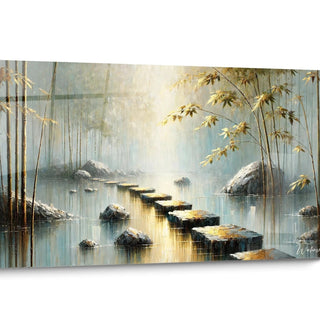 Feng Shui903
artworks
Feng Shui903
artworks
-
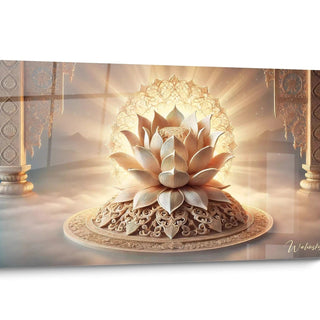 Lotus Flower20
artworks
Lotus Flower20
artworks
-
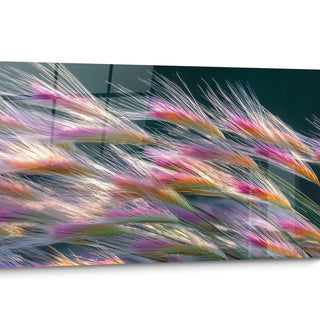 Grasses100
artworks
Grasses100
artworks
-
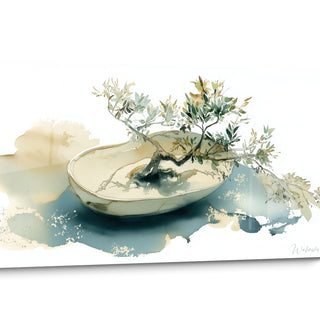 Ikebana93
artworks
Ikebana93
artworks
-
 Kintsugi5
artworks
Kintsugi5
artworks
-
 Lantern51
artworks
Lantern51
artworks
-
 Mandala18
artworks
Mandala18
artworks
-
 Meditation18
artworks
Meditation18
artworks
-
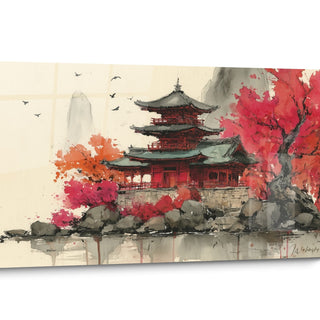 Pagoda79
artworks
Pagoda79
artworks
-
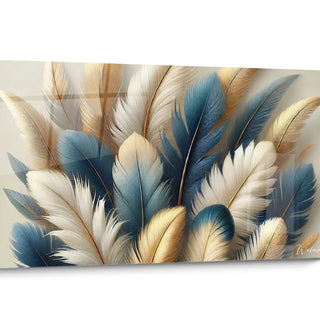 Feather60
artworks
Feather60
artworks
-
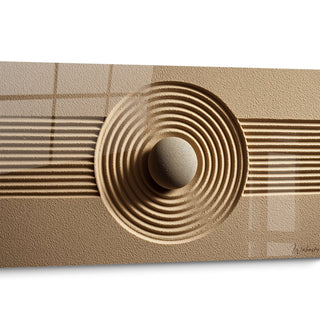 Sand60
artworks
Sand60
artworks
-
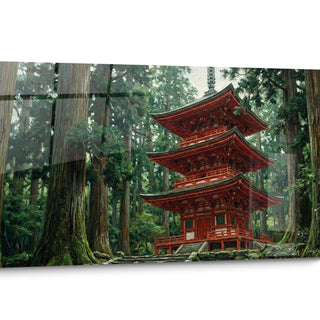 Buddhist Temple17
artworks
Buddhist Temple17
artworks
-
 Terracotta436
artworks
Terracotta436
artworks
-
 Japanese Teapot40
artworks
Japanese Teapot40
artworks
-
 Torii77
artworks
Torii77
artworks
-
 Yin Yang99
artworks
Yin Yang99
artworks

All about Bonsai Wall Art
- Bonsai Wall Art Presentation
- Symbolism and Aesthetics
- Spaces and Atmospheres
- Decorative Integration
A bonsai wall art transforms your interior into a sanctuary of botanical contemplation. These large-scale wall artworks capture the millennial essence of Japanese bonsai art, offering permanent plant presence without maintenance constraints. Each representation magnifies the twisted and elegant silhouette of these miniature trees, witnesses to patience and natural harmony.
The Vegetative Soul of Bonsai in Wall Decor
The bonsai wall art embodies an ancestral philosophy where each twisted branch tells a story of resilience. This mural representation transcends simple decoration to become a vector of serenity, capturing the delicate balance between strength and fragility inherent to these trees sculpted by time.
Why choose a bonsai representation for your wall?
Acquiring a painting depicting a bonsai responds to a quest for spiritual authenticity in our modern living spaces. Unlike generic botanical motifs, bonsai immediately evokes Japanese gardening discipline, mastery of living things, and acceptance of natural rhythm. The gnarled branches, the trunk curved by decades of training, the miniaturized foliage create a fascinating visual tension that invites meditation.
Large-scale bonsai wall compositions allow appreciation of every detail: rough bark, roots exposed symbolically gripping their substrate, asymmetrical distribution of plant masses. These graphic elements work particularly well in XXL formats where the monumental presence of the bonsai contrasts with its original miniature nature, creating a stimulating visual paradox.
Visual codes of bonsai in contemporary wall art
Mural representations of bonsai exploit several aesthetic registers: hyperrealistic photographic rendering that elevates every botanical detail, Chinese ink interpretation evoking traditional prints, or minimalist versions where the refined bonsai silhouette stands out against neutral background. This stylistic diversity allows adaptation of the artwork to different decorative environments while preserving the contemplative essence of the subject.
Chromatic nuances of bonsai paintings generally favor earthy palettes: deep greens of pines and junipers, warm browns of ancient barks, silvery grays of evergreen foliage. These natural tones facilitate integration into spaces seeking connection with nature while maintaining visual sophistication. Occasional additions of cherry blossoms or miniature fruits introduce seasonal color touches.
The psychological impact of bonsai contemplation
Installing a bonsai wall art in your daily environment activates soothing psychological mechanisms. The fractal structure of branches, repetition of plant motifs at different scales, and visual balance of the bonsai engage our innate cognitive preferences for ordered natural forms. This mural artwork becomes a visual anchor during stressful moments, offering instant mental escape to an imaginary Japanese garden. To reinforce this atmosphere of tranquility, pair your bonsai painting with other elements from our collection of zen meditation wall art creating a true contemplative journey.
Integration of Bonsai Wall Art in Interior Spaces
Where to place a bonsai painting to maximize its impact?
The large-scale bonsai wall art finds its ideal place in spaces dedicated to mental relaxation and energy recovery. Therapy offices, yoga studios, and meditation rooms particularly benefit from this stylized plant presence that immediately establishes an atmosphere conducive to introspection. In these professional contexts, mural bonsai advantageously replaces living plants requiring maintenance and specific light conditions.
Contemporary residential spaces also successfully integrate these mural representations. Bedrooms gladly welcome a bonsai painting above the headboard, creating a final point of focus before sleep. Libraries and reading corners adorn themselves with these artworks that naturally dialogue with the studious and contemplative atmosphere. Spacious entryways use bonsai as a statement of intent, signaling to visitors that this space values tranquility and harmony.
How does mural bonsai transform a room's ambiance?
Introducing a painting representing a bonsai subtly modifies a space's energy by visually slowing its rhythm. Unlike dynamic geometric patterns or stimulating urban scenes, the slow growth and meditative posture of bonsai impose different temporality. This artwork becomes an ambiance regulator, particularly precious in interiors where life pace is hectic.
Monumental bonsai painting formats create powerful focal points that visually structure space. In large rooms with generous volumes, a mural bonsai spanning several meters anchors the gaze and prevents visual dispersion. The natural directional lines of branches subtly guide eye movements, creating fluid visual circulation. This property is particularly valued in residential open spaces where the challenge is creating visual coherence despite functional multiplicity.
What decorative associations complement a bonsai painting?
The decorative ecosystem around a bonsai wall art favors authentic materials and natural textures. Raw woods, natural stones, artisanal ceramics, and plant fibers harmoniously resonate with bonsai aesthetics. Low Japanese-style furniture, shoji screens, and washi paper lanterns reinforce the zen atmosphere without falling into museum recreation.
Ambient lighting plays a crucial role in enhancing the bonsai painting. Indirect light sources, such as adjustable rail lighting or side wall sconces, create subtle shadow plays that add relief to represented branches. Warm color temperatures (2700-3000K) enrich the earthy tones typical of bonsai representations, while cooler lights suit monochrome or snow-covered interpretations. Adding living plant elements—potted bamboos, suspended kokedamas, miniature gardens—establishes dialogue between representation and botanical reality.
Choosing and Valuing Your Bonsai Wall Art
What criteria determine the quality of a bonsai painting?
Evaluating a bonsai wall art relies on several technical and aesthetic parameters. Botanical fidelity constitutes a first indicator: artists truly mastering the subject represent identifiable species (Scots pine, Chinese juniper, Japanese maple) with their specific morphological characteristics. Proportions respect authentic bonsai canons, with coherent trunk-foliage ratio and mass distribution conforming to traditional styles (formal upright, informal slant, cascade).
Depth of field and perspective work also reveal artistic mastery. Sophisticated representations play with successive planes, suggesting three-dimensionality of the miniature tree despite the two-dimensional support. Texture effects—bark roughness, foliage density, root structure—add tactile dimension to visual experience. For large formats, resolution and detail clarity even when observed close up testify to careful production.
Composition and visual balance in bonsai representations
Effective bonsai paintings apply compositional principles from traditional Japanese painting: dynamic asymmetry, intentional negative space, adapted rule of thirds. The bonsai generally doesn't occupy geometric center but creates visual balance through its mass and orientation. Empty space around the tree is not a lack but necessary breathing room, a ma (interval) that amplifies the subject's presence.
Backgrounds vary according to desired effect: neutral solid backgrounds isolating bonsai as a botanical specimen, evocations of Japanese gardens with rocks and moss, evolving skies suggesting seasons, or textured abstractions contextualizing without distracting. Horizontal panoramic formats suit sprawling bonsai styles, while vertical formats magnify cascades and elegant literary styles.
Decorative investment and visual durability
Acquiring a quality large-scale bonsai painting represents long-term decorative investment. Unlike ephemeral trends, bonsai iconography possesses guaranteed timelessness ensuring lasting aesthetic relevance. This artwork transcends decorative fashions without losing its capacity to structure and soothe a space. Relative chromatic neutrality of bonsai representations facilitates decorative evolutions around it.
Minimal maintenance required constitutes a considerable practical advantage. Unlike living plants requiring watering, pruning, and precise environmental conditions, bonsai wall art offers constant plant presence without constraint. Occasional dusting and protection from direct sun exposure suffice to durably preserve visual quality. This practicality particularly appeals to professional spaces and secondary residences.
Is a bonsai painting suitable for small spaces?
Although our bonsai wall artworks are offered in large dimension, they adapt remarkably to compact spaces. Natural verticality of certain bonsai styles (literary, broom) efficiently exploits available wall height without visual clutter. Airy rendering and refined composition avoid the suffocation effect sometimes caused by large artworks in small volumes.
Does bonsai wall art fit in modern decoration?
Absolutely. Bonsai wall art establishes a fascinating bridge between Japanese tradition and contemporary minimalist aesthetics. Refined lines, restricted natural palette, and asymmetrical composition resonate perfectly with Scandinavian design and modern minimalism codes. This stylistic versatility enables integration in both wabi-sabi interiors and resolutely contemporary spaces.
Can multiple bonsai paintings be associated?
Multiplying bonsai artworks requires thoughtful approach to avoid visual saturation. Installing a diptych or triptych representing different seasons of the same bonsai creates captivating temporal narrative. Alternatively, juxtaposition of different species (pine, maple, juniper) at identical scale composes a coherent botanical gallery. The essential factor lies in maintaining chromatic and stylistic unity between different pieces.
Further reading
Our articles on this topic
- Are Zen Bamboo Wall Art the Most Calming?
- Why a Zen Artwork is an Excellent Decor Gift?
- How Can a Nature Artwork Enhance Harmony in a Zen Décor?
- Why Do Zen Artworks Frequently Depict Monks in Meditation?
- Zen Wall Art and Visual Balance: Why Less is More?
- Do Zen Tables with Buddha Suit Without Being Buddhist?


