


Chakra Wall Art
Our Chakra Wall Art collection celebrates the universe of energy centers through vibrant and spiritual artistic creations. Each masterpiece sublimes the seven chakras in an authentic color palette, inviting meditation and inner harmony. Perfect for creating a spiritual wellness space, these compositions unite ancestral symbolism with contemporary aesthetics. Ideal for yoga, meditation, or simply beautifying your interior, these chakra energy wall artworks transform every room into a sanctuary of serenity.
 Multicolor Spirals and Tibetan Bowls Wall Art - Energetic Harmony - Chakras Edition233,90 €
 Flaming Orange Lotus Wall Art Against Flame Background - Serenity Flower - Chakras Edition233,90 €
 Stained Glass Rainbow Wall Art with Geometric and Botanical Motifs - Crystalline Harmony - Chakras Edition233,90 €
 Spiritual Graffiti Wall Art with Seven Sacred Symbols - Urban Awakening - Chakras Edition233,90 €
 Golden Floral Mandala Wall Art on Cracked Stone Background - Solar Energy - Chakras Edition233,90 €
 Golden Floral Explosion with Orange and Yellow Tones Wall Art - Solar Radiance - Chakras Edition233,90 €
 Cosmic Tree with Violet and Gold Petals Wall Art - Spiritual Awakening - Chakras Edition233,90 €
 Golden Spiral with Colorful Energy Centers Painting - Spiritual Energy - Chakras Edition233,90 €
 Colorful Energy Centers on Brick Wall Painting - Spiritual Harmony - Chakras Edition233,90 €
 Seven Energy Centers in Golden Spiral Painting - Spiritual Harmony - Chakras Edition233,90 €
 Mandala Flower of Life with Vibrant Colors - Cosmic Energy - Chakras Edition213,90 €
In the same family
Also explore the theme Zen
-
 View all2041
artworks
View all2041
artworks
-
 Bonsai25
artworks
Bonsai25
artworks
-
 Buddha311
artworks
Buddha311
artworks
-
 Candle2
artworks
Candle2
artworks
-
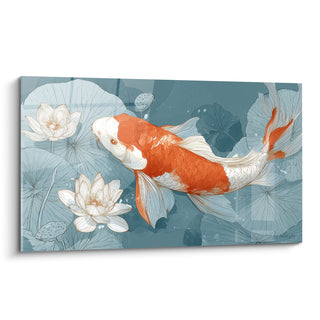 Koi Fish130
artworks
Koi Fish130
artworks
-
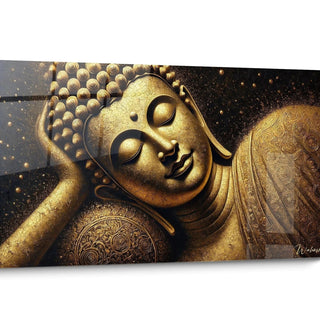 Zen Miscellaneous11
artworks
Zen Miscellaneous11
artworks
-
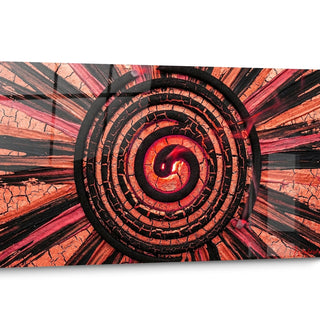 Incense7
artworks
Incense7
artworks
-
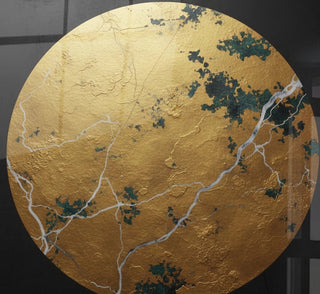 Enso13
artworks
Enso13
artworks
-
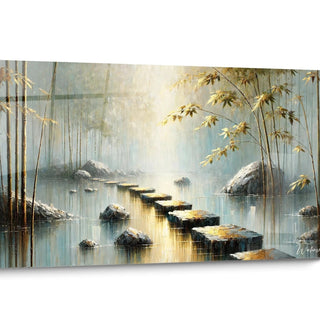 Feng Shui903
artworks
Feng Shui903
artworks
-
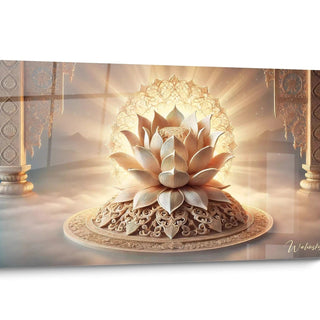 Lotus Flower20
artworks
Lotus Flower20
artworks
-
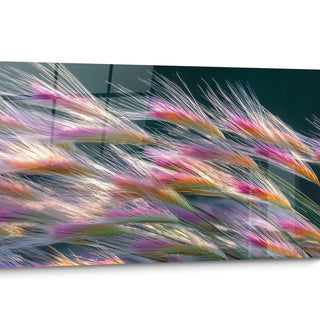 Grasses100
artworks
Grasses100
artworks
-
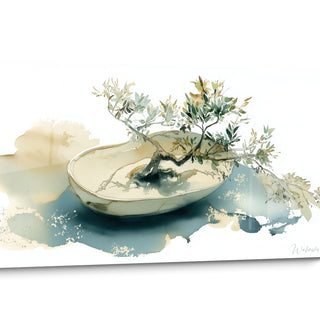 Ikebana93
artworks
Ikebana93
artworks
-
 Kintsugi5
artworks
Kintsugi5
artworks
-
 Lantern51
artworks
Lantern51
artworks
-
 Mandala18
artworks
Mandala18
artworks
-
 Meditation18
artworks
Meditation18
artworks
-
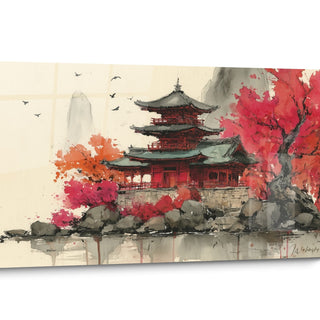 Pagoda79
artworks
Pagoda79
artworks
-
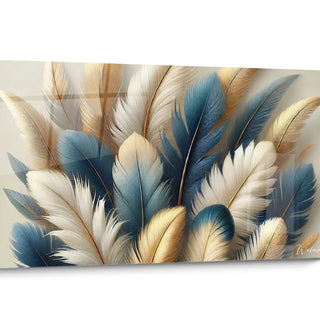 Feather60
artworks
Feather60
artworks
-
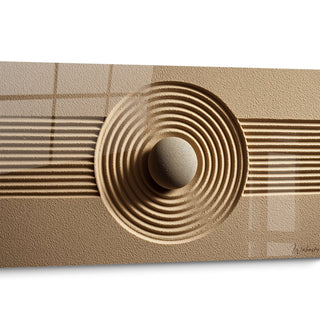 Sand60
artworks
Sand60
artworks
-
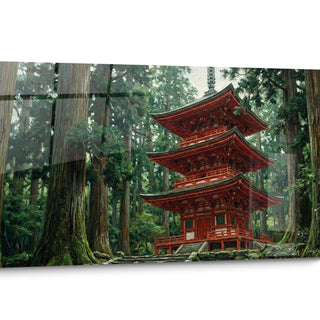 Buddhist Temple17
artworks
Buddhist Temple17
artworks
-
 Terracotta436
artworks
Terracotta436
artworks
-
 Japanese Teapot40
artworks
Japanese Teapot40
artworks
-
 Torii77
artworks
Torii77
artworks
-
 Yin Yang99
artworks
Yin Yang99
artworks

All about Chakra Wall Art
- Chakra Wall Art Presentation
- Energy Symbolism
- Meditation Spaces
- Vibrational Harmony
A chakra wall art piece is far more than simple wall decoration: it represents a visual cartography of the body's energy centers according to ancestral yogic tradition. These large-format artistic representations materialize the seven energy vortexes aligned along the spine, from the root chakra to the crown chakra, each associated with specific colors, vibrational frequencies and aspects of human consciousness. Designed for spaces dedicated to meditative practices, yoga studios, holistic therapist offices or rooms transformed into personal sanctuaries, these visual supports facilitate concentration on energy wheels during guided meditation sessions, creative visualization or pranayama breathing exercises. Their imposing format allows total visual immersion, transforming the environment into a true inner temple conducive to balancing the nadis and harmonious circulation of prana.
The Visual Representation of the Seven Energy Centers
A chakra wall art translates the complexity of the subtle energy system described in Vedic and Tantric texts into visual language. Each energy center appears with its corresponding color: deep red for Muladhara, vibrant orange for Svadhisthana, solar yellow for Manipura, emerald green for Anahata, celestial blue for Vishuddha, deep indigo for Ajna and luminous violet for Sahasrara. This integrated chromotherapy allows practitioners to focus their attention on a specific center requiring rebalancing.
What is the influence of Sanskrit symbols on chakra meditation?
Authentic representations integrate the bija mantras, these sacred syllables associated with each energy wheel, as well as specific geometric yantras. The LAM of the root chakra, the VAM of the sacral chakra, the RAM of the solar plexus, the YAM of the heart, the HAM of the throat, the OM of the third eye and the sacred silence of the crown chakra constitute visual focal points during japa meditation practices. These calligraphied Sanskrit symbols amplify the vibrational resonance of the space.
The traditional iconography of energy lotuses
Each energy center is traditionally represented as a lotus possessing a specific number of petals: four for Muladhara, six for Svadhisthana, ten for Manipura, twelve for Anahata, sixteen for Vishuddha, two for Ajna and one thousand for Sahasrara. A high-quality chakra wall art respects this millennia-old iconography, allowing advanced meditators to mentally visualize the progressive unfolding of these energy flowers. Monumental formats offer optimal readability of these essential symbolic details.
The cosmic elements associated with energy vortexes
The yogic tradition associates each chakra with a fundamental natural element: earth for the first, water for the second, fire for the third, air for the fourth, ether for the fifth, while the last two transcend matter. These elemental correspondences frequently appear in sophisticated artistic representations, enriching the holistic understanding of the energy system. This multidimensional approach transforms contemplation into a true meditative study of the cosmic principles governing human existence.
The Design of Personal Meditative Sanctuaries
Installing a chakra wall art in a space dedicated to contemplative practices requires careful consideration of energetic orientation and the room's pranic flow. Experienced practitioners generally prefer a wall where they can sit in meditative posture, thus creating a sacred triangle between the meditator, the visual representation and the activated energy space. This geometric configuration favors the ascending circulation of kundalini along the spine during advanced visualization exercises.
How to create an environment conducive to activating the subtle centers?
The immediate environment surrounding the visual support significantly influences the effectiveness of energy harmonization sessions. The generous dimensions of these artistic representations allow effortless visual focus during long sessions, avoiding eye strain that disrupts meditative concentration. The association with a zen meditation wall art in adjacent spaces creates thematic continuity promoting the transition between different contemplative techniques.
Integration into holistic practice studios
For kundalini yoga teachers, reiki practitioners or energy medicine therapists, large-format chakra wall art constitutes an indispensable teaching tool. During energy awakening workshops, it allows concrete illustration of the abstract concepts of subtle bodies, facilitating beginners' understanding. Its permanent presence in the room also creates a stable vibrational imprint, progressively imbuing the space with an energetic signature specific to inner transformation practices.
Synchronization with daily balancing rituals
Regular practitioners often develop morning or evening rituals facing their chakra wall art, using visual contemplation as an anchor for their energy cleansing practices. This regularity transforms the space into a true personal sanctuary, where each session reinforces the intention of harmonization. The imposing formats allow total immersion even from a distance, permitting various meditative postures without losing visual contact with the energy symbols.
Chromatic and Vibrational Harmony of Sacred Spaces
The integrated chromotherapy in chakra wall art generates a measurable energetic effect on a room's atmosphere. The seven color frequencies emitted by the representation interact with the bioenergyetic fields of occupants, creating subtle resonance favorable to spontaneous alignment. This chromatic influence intensifies with the support's dimensions: the larger the colored surface, the more the vibrational impact on the environment amplifies, gradually transforming the bedroom or studio into a true energetic healing space.
What are the effects of prolonged contemplation on energy balance?
Regular practice of meditation focused on the represented energy wheels progressively develops sensitivity to internal pranic flows. Meditators frequently report sensations of warmth, tingling or luminous circulation corresponding to the contemplated colored zones. This visual-energetic biofeedback constitutes a valuable progression marker in advanced kundalini awakening techniques, allowing identification of blockages requiring specific work.
The amplification of intentions manifested during visualizations
During conscious manifestation exercises, each energy center corresponds to specific existential aspects: material security, emotional creativity, personal power, unconditional love, authentic expression, clear intuition and spiritual connection. A chakra wall art provides a visual map facilitating precise location of intentional energy during creative visualizations. Practitioners of universal laws use this cartography to consciously direct their intentions toward appropriate vortexes, thus multiplying the effectiveness of their manifestation practices.
The creation of coherent energetic signature
Continuous exposure to chromatic and symbolic frequencies progressively imprints the space with a distinctive vibrational signature. This cumulative energetic impregnation gradually transforms the environment into a high-frequency zone where meditative practices naturally deepen. Sensitive visitors immediately perceive this particular atmosphere, testifying to the transformative power of a chakra wall art permanently installed in a space dedicated to evolutionary practices.
Is chakra wall art suitable for beginners in energy meditation?
Absolutely, these visual supports even constitute ideal teaching tools for newcomers discovering the subtle energy system. Clear and colorful representation facilitates memorization of positions, colors and attributes of each center, considerably accelerating the learning curve. Beginners can simply contemplate the whole during their first sessions, before progressing toward targeted visualizations on specific chakras.
How to choose between different artistic representations of energy centers?
Symbolic authenticity takes priority over decorative aesthetics: favor representations respecting traditional iconography with canonical colors, correct petal numbers and appropriate Sanskrit symbols. Some contemporary artistic versions, while visually attractive, take creative liberties that alter the energetic function of the support. Generous formats also offer better readability of the essential symbolic details for advanced practices.
What frequency for energetic cleansing of chakra wall art?
Like any spiritual object exposed to a space's energies, these representations benefit from monthly energetic cleansing, particularly after intense emotional release sessions or deep transformation work. Traditional methods include fumigation with palo santo or white sage, exposure to Tibetan singing bowl vibrations, or simply conscious purification intention during dedicated meditation. This energetic maintenance preserves the visual support's vibrational clarity.


