


Rectangular Fluid Format Wall Art
The Rectangular Fluid painting embodies the perfect harmony between movement and serenity. Each artwork captures the essence of fluid organic forms through abstract compositions where colors blend naturally. Ideal for creating a contemporary and soothing atmosphere, this painting rectangular abstract fluid transforms your living spaces into modern art galleries. The undulating lines and liquid textures invite contemplation and bring a sophisticated touch to your interior decoration.
 Fluid Abstract Wall Art Beige - Golden Ripples - Balinese Cat Edition273,90 €
 Abstract Blue Watercolor Canvas - Celestial Fluid - Tennis Edition273,90 €
 Abstract Marine Painting - Ocean Depths - Scuba Diving Edition273,90 €
 Abstract Movement Painting - Energy in Fusion - Jump Rope Edition273,90 €
 Abstract Black and White Painting - Organic Fusion - Black and White Abstract Edition273,90 €
 Fluid abstract painting - Monochrome symphony - Black and white abstract edition273,90 €
 Abstract colored movement painting - Fluid Energy - scraped abstract style edition273,90 €
 Abstract colored reflections painting - Aquatic symphony - scraped abstract style edition273,90 €
 Undulating Abstract Painting Dynamic Illusion - Op Art Edition273,90 €
 Abstract African Painting Orange Symphony - Africa Edition273,90 €
 Abstract African wall art carved waves - africa edition273,90 €
 Silky Abysses Wall Art - Crochet Style Edition273,90 €
 Solar Abyss Wall Art - nature edition273,90 €
Explore further
In Rectangular Fluid Format Wall Art
-
 Rectangular Format Wall Art23548
artworks
Rectangular Format Wall Art23548
artworks
-
 Rectangular Black and White Wall Art21
artworks
Rectangular Black and White Wall Art21
artworks
-
 Abstract Rectangular Canvas Art24
artworks
Abstract Rectangular Canvas Art24
artworks
-
 Gold Rectangular Wall Art24
artworks
Gold Rectangular Wall Art24
artworks
-
 Multicolored Rectangular Format Wall Art21
artworks
Multicolored Rectangular Format Wall Art21
artworks
-
 Rectangular Format Tree Wall Art24
artworks
Rectangular Format Tree Wall Art24
artworks
-
 Rectangular Wildlife Art Canvas24
artworks
Rectangular Wildlife Art Canvas24
artworks
-
 African Rectangular Wall Art24
artworks
African Rectangular Wall Art24
artworks
-
 Landscape Rectangular Format Wall Art20
artworks
Landscape Rectangular Format Wall Art20
artworks
-
 Rectangular Format Wall Art Architecture18
artworks
Rectangular Format Wall Art Architecture18
artworks
-
 Rectangular Format Geometric Wall Art16
artworks
Rectangular Format Geometric Wall Art16
artworks
-
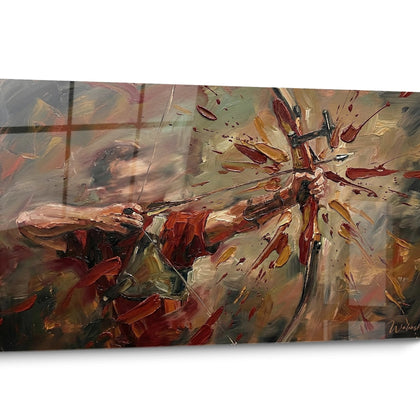 Rectangular Format Sports Wall Art14
artworks
Rectangular Format Sports Wall Art14
artworks
-
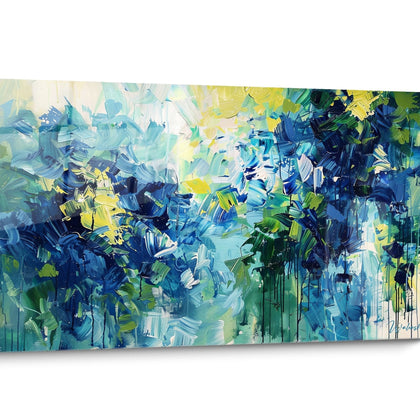 Rectangular Expressionist Wall Art11
artworks
Rectangular Expressionist Wall Art11
artworks
-
 Rectangular Portrait Format Canvas9
artworks
Rectangular Portrait Format Canvas9
artworks


All about Rectangular Fluid Format Wall Art
- Rectangular Fluid Format Presentation
- Fluid Design and Architecture
- Rectangular Visual Dynamics
- Fluid Spatial Integration
The rectangular fluid format painting represents a contemporary approach to wall decoration where geometric lines meet the organic suppleness of natural forms. This specific category combines the structural rigor of the rectangle with a moving visual expression, creating a unique aesthetic tension particularly sought after in modern spaces with high traffic. Unlike traditional static compositions, these large-scale wall creations exploit the kinetic properties of perception to transform the atmosphere of a room according to the viewing angle and light intensity. Perfectly suited for panoramic entrances, long hallways, or dividing walls between open spaces, these fluid rectangular works function as visual anchors that naturally guide the eye while preserving a sense of lightness. Their elongated format optimizes the occupation of horizontal wall surfaces often underutilized, while their fluid aesthetic avoids the visual partitioning effect typical of overly rigid formats.
Fluid architecture serving the rectangular format
The rectangular fluid format painting emerges as a major decorative solution in contemporary architectures characterized by open plans and de-compartmentalized circulation. Its elongated format naturally dialogues with the horizontal architectural lines present in modern spaces: exposed beams, suspended wall shelves, panoramic windows. The visual fluidity integrated into this rectangle compensates for the geometric rigidity of the frame, creating a perceptual balance that prevents visual saturation in long hallways or extended walls.
How does the rectangular fluid format transform linear spaces?
In elongated spatial configurations such as interior galleries or access vestibules, this type of rectangular painting creates a visual progression that accompanies movement. The integrated fluid motifs generate a perception of movement that varies depending on the position of the observer, transforming a simple corridor into an immersive experience. The large dimensions fully exploit linear perspective, offering a perceptual depth that visually expands the space.
Compatibility with directional lighting systems
The horizontal rectangular orientation allows for optimal distribution of lateral light sources, avoiding central shadow areas problematic with square formats. The fluid compositions react to variations in light intensity throughout the day, creating variable depth effects that constantly renew the perception of the work. This light reactivity is particularly suitable for high-end commercial spaces and architectural residences where lighting scenography enhances the decorative investment.
Optimization of longitudinal load-bearing walls
Modern residential structures frequently feature longitudinal load-bearing walls that limit layout possibilities. The fluid rectangular painting transforms this architectural constraint into a decorative opportunity, strategically occupying these extended surfaces without creating a visual break. Its format respects the wall proportions while introducing sufficient visual complexity to maintain aesthetic interest along the entire length.
Visual dynamics and rectangular movement perception
The specificity of the rectangular fluid artwork lies in its ability to generate a kinetic perception within a fixed geometric frame. This apparent contradiction creates a productive visual tension that captures attention without causing eye fatigue, unlike overly saturated compositions or repetitive patterns. The integrated visual flows generally follow the horizontal axis of the rectangle, creating a natural left-to-right reading that aligns with Western perceptual habits.
What psychological effects do rectangular fluid compositions generate?
Research in environmental psychology demonstrates that fluid shapes reduce cognitive stress and promote mental relaxation, while rectangular frames provide structure and perceptual stability. This unique combination is particularly suitable for transitional spaces such as professional reception halls or medical waiting areas, where both soothing and professionalism are sought simultaneously. The rectangular fluid format avoids the excess rigidity of strict geometric compositions while maintaining institutional legitimacy.
Exploitation of horizontal peripheral vision
The human visual field has a naturally superior horizontal extension to its vertical reach. The rectangular fluid artwork exploits this anatomical peculiarity by maximizing the occupation of peripheral vision, creating a subtle immersion without requiring direct focus. This characteristic is particularly advantageous in circulation areas where observers have limited but repeated exposure time, allowing for progressive cumulative appreciation.
Visual rhythm and reading sequences
Rectangular fluid compositions often operate according to sequential reading sequences, where the gaze naturally scans the artwork from left to right, gradually discovering tonal variations and morphological transitions. This integrated temporality transforms observation into a narrative experience, particularly valued in high-end residential settings where works offering lasting contemplative depth are preferred over an immediate but ephemeral visual impact.
Spatial integration and fluid environmental coherence
The installation of a rectangular fluid artwork of large dimension requires a thorough analysis of traffic flows and main viewpoints within the space concerned. Unlike vertical formats that create static focal points, the horizontal rectangle establishes a visual continuity that accompanies the movement of occupants. This characteristic makes it particularly suitable for multi-functional spaces where different activity zones coexist without marked physical separation.
Strategic positioning in open architectures
In lofts and open spaces, the rectangular fluid artwork functions as a subtle spatial marker that visually delineates zones without obstructing perspectives. Its positioning on walls perpendicular to the main circulation axes maximizes its visibility while preserving spatial fluidity. Integrated fluid compositions resonate with the absence of rigid partitions, reinforcing the architectural concept of openness while visually structuring the space.
How to coordinate a rectangular fluid artwork with longitudinal furniture?
Low furniture such as console tables, buffets, or horizontal bookshelves naturally complements a fluid rectangular painting, avoiding formal redundancy while maintaining proportional consistency. The alignment of horizontal axes creates a visual harmony, while the fluidity of the patterns contrasts with the strict geometry of the furniture, generating perceptual richness without visual confusion. This compositional strategy is particularly suitable for contemporary dining rooms and executive offices.
Adaptation to environments with high light reverberation
Modern residential spaces frequently integrate multiple reflective surfaces: resin floors, lacquered furniture, extensive glass walls. The fluid rectangular painting partially absorbs this light overload thanks to its progressive tonal variations that fragment the reflection rather than concentrating it. This technical property significantly improves visual comfort in potentially aggressive bright environments, justifying the investment in large formats.
Decorative evolvability and aesthetic durability
Acquiring a large-scale fluid rectangular painting represents a medium-term decorative commitment. Its relative formal neutrality allows it to survive several minor redecoration cycles without losing its aesthetic relevance. Fluid compositions offer greater timelessness than graphic patterns too marked by ephemeral trends, guaranteeing a stable heritage valuation of the initial decorative investment.
What rectangular fluid format to choose for a 4-meter wall?
For a 4-meter long wall surface, prioritize a fluid rectangular format occupying 60 to 75% of this dimension, or approximately 240 to 300 cm in width. This proportion maintains an optimal visual balance while preserving sufficient side margins and maximizing decorative impact. The height should ideally represent 35 to 45% of the width to respect harmonious rectangular proportions.
Are fluid rectangular paintings suitable for low ceilings?
Absolutely, the horizontal rectangular format is even preferable in spaces with limited ceiling height as it visually accentuates the perceived width of the room rather than its limited height. Fluid compositions reinforce this horizontal expansion by guiding the gaze laterally, effectively compensating for the vertical compression of the space.
How to maintain a large-scale fluid rectangular painting?
Maintenance is limited to monthly dusting with a dry microfiber cloth, proceeding in successive horizontal sections to uniformly cover the entire surface. Avoid liquid products that could create visible halos on large, solid surfaces. The integrated UV protection in contemporary productions ensures lasting color stability without particular intervention.


