


Rectangular Format Geometric Wall Art
Our Rectangular Painting Geometric collection celebrates the art of pure shapes and structured lines. Each creation offers a sophisticated rectangular geometric composition , where angles, circles and polygons harmonize in perfect balance. These abstract geometric artworks bring a contemporary and minimalist touch to your decor. Ideal for modern interiors, these creations transform your walls into true graphic art galleries and captivating.
 Abstract Stylized Multicolored Flowers - Modern Stained Glass - Poppy Edition273,90 €
 Abstract Geometric Wall Art - Urban Fragments - African Abstract Edition273,90 €
 Abstract Geometric Painting - Colorful Expression - Drawing Edition273,90 €
 Abstract industrial painting - Modern urban composition - machines and gears edition273,90 €
 Abstract Geometric Painting - Modern African Mosaic - African Culture edition273,90 €
 Abstract Geometric Painting - Expressionist Symphony - Expressionist Edition273,90 €
 Abstract Geometric Painting - Desert Mirage - Desert Edition273,90 €
 Colorful Abstract Painting - Dynamic Composition - Abstract Geometric Edition273,90 €
 Andrewsarchus Mosaic Painting - Mane of a Thousand Colors - Andrewsarchus Edition273,90 €
 Acacia Red Lands Guardian Painting - African Landscape Edition273,90 €
 Acacia Baobab Sunlight Painting - African Landscape Edition273,90 €
 Abstract geometric painting Absolute Chaotic Order - Dadaism edition273,90 €
 Abstract Suspended Blocks Escape Painting - Dadaism Edition273,90 €
 Colorful Abstraction Painting Progressive Movement - Constructivism Edition273,90 €
 Luminous Oxidized Abyss Wall Art - abstract geometric edition273,90 €
 Dimensional Alveoli Wall Art - Black and White Speckled Edition273,90 €
Explore further
In Rectangular Format Geometric Wall Art
-
 Rectangular Format Wall Art25001
artworks
Rectangular Format Wall Art25001
artworks
-
 Rectangular Black and White Wall Art21
artworks
Rectangular Black and White Wall Art21
artworks
-
 Abstract Rectangular Canvas Art24
artworks
Abstract Rectangular Canvas Art24
artworks
-
 Gold Rectangular Wall Art24
artworks
Gold Rectangular Wall Art24
artworks
-
 Multicolored Rectangular Format Wall Art21
artworks
Multicolored Rectangular Format Wall Art21
artworks
-
 Rectangular Format Tree Wall Art24
artworks
Rectangular Format Tree Wall Art24
artworks
-
 Rectangular Wildlife Art Canvas24
artworks
Rectangular Wildlife Art Canvas24
artworks
-
 African Rectangular Wall Art24
artworks
African Rectangular Wall Art24
artworks
-
 Landscape Rectangular Format Wall Art20
artworks
Landscape Rectangular Format Wall Art20
artworks
-
 Rectangular Format Wall Art Architecture18
artworks
Rectangular Format Wall Art Architecture18
artworks
-
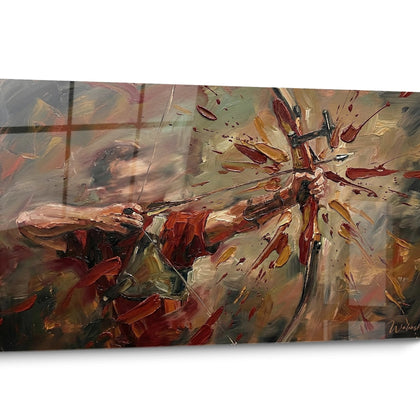 Rectangular Format Sports Wall Art14
artworks
Rectangular Format Sports Wall Art14
artworks
-
 Rectangular Fluid Format Wall Art13
artworks
Rectangular Fluid Format Wall Art13
artworks
-
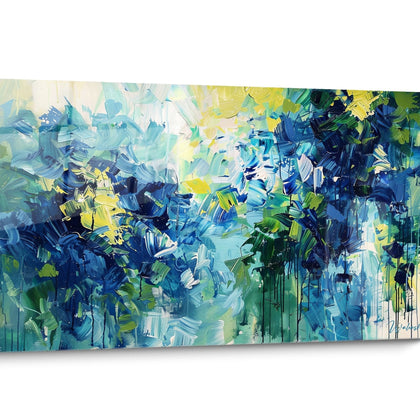 Rectangular Expressionist Wall Art11
artworks
Rectangular Expressionist Wall Art11
artworks
-
 Rectangular Portrait Format Canvas9
artworks
Rectangular Portrait Format Canvas9
artworks


All about Rectangular Format Geometric Wall Art
- Presentation Rectangular Geometric Painting
- Geometric visual architecture
- Modern spaces and clean lines
- Contemporary decorative impact
Rectangular geometric compositions radically transform the atmosphere of contemporary spaces thanks to their rigorous visual structure. These wall creations are distinguished by their ability to create architectural focal points that dialogue with existing volumes. The rectangular format naturally amplifies geometric patterns, creating visual dynamics that guide the eye along precise axes. These large-scale works stand out as structuring elements that redefine spatial perception while bringing a marked graphic sophistication.
The elegance of geometric shapes in a rectangular format
A rectangular geometric painting fully exploits the mathematical properties of the rectangle to create compositions where each shape finds its place in a calculated balance. Abstract patterns based on triangles, hexagons, diamonds and circles are arranged according to invisible grids that create an immediate visual coherence. These arrangements often follow arithmetic progressions or repetitive sequences that bring a hypnotic visual rhythm to the whole.
How do rectangular proportions amplify geometric patterns?
The length-to-width ratio of a panoramic rectangle creates unique compositional opportunities for geometric structures. Artists exploit these proportions to develop visual friezes where shapes unfold horizontally, creating abstract narrative sequences. A 120x80 cm format, for example, allows for the organization of complex pavings that would have seemed compressed on a square support. This horizontal extension also favors the integration of color gradients that cross several geometric modules, reinforcing the compositional unity.
The play of symmetry in rectangular geometric compositions
Axes of symmetry take on a particular dimension in these creations. Central symmetry creates mirror effects that double the perceived visual complexity, while horizontal or vertical axial symmetries establish reassuring balances. More daring compositions integrate controlled asymmetries where a decentered geometric element creates a productive visual tension. These calculated imbalances generate dynamism while maintaining a global harmonious structure.
The interaction between voids and solids in geometric art
Negative spaces play as crucial a role as positive shapes in a rectangular geometric painting. The empty areas between the geometric modules create visual breaths that allow the eye to circulate without saturation. These intervals often follow the same mathematical logic as the solid shapes, creating a silent dialogue between presence and absence. For large-format rectangular paintings , this management of voids becomes essential to maintain readability at a distance while rewarding close observation with subtle details.
Architectural integration of rectangular geometric compositions
Contemporary residential spaces have architectural characteristics that naturally call for rectangular geometric compositions . Long walls above modular sofas, clean circulation corridors, or minimalist reception areas find in these works perfectly suited visual complements. The horizontal format dialogues with the dominant architectural lines: baseboards, cornices, window alignments, creating a stylistic continuity that unifies the space.
Which professional spaces particularly value these creations?
Executive offices, conference rooms, and corporate reception areas seek works that project modernity and intellectual rigor. A rectangular geometric format painting precisely meets these expectations by communicating organization, innovation, and professionalism without verbosity. Architecture firms and design studios integrate these pieces as visual manifestos of their methodical approach. Specialized medical spaces also adopt these compositions for their ability to create a contemporary environment without excessive visual agitation.
The spatial extension effect of panoramic geometric formats
Horizontal geometric patterns create an illusion of widening that is particularly valuable in narrow or partitioned spaces. The guiding lines that traverse the composition guide the gaze laterally, visually suggesting an expansion beyond the physical limits of the wall. This optical property is particularly effective in urban apartments where every perceived square meter counts. Rhythmic geometric sequences amplify this effect by creating a sense of continuity that transcends the physical frame of the work.
Coordination with contemporary furniture with clean lines
Scandinavian, mid-century modern, or contemporary industrial furniture shares with these works a philosophy of cleandesign. The tapered legs of the furniture, the rectangular tops, the tubular metal structures find visual echoes in the geometric lines of the painting. This formal resonance creates a decorative coherence that elevates the entire arrangement. Noble materials such as veined marble, solid wood with visible grain, or brushed metals establish interesting textural dialogues with the monochrome surfaces of the abstract geometric compositions.
Color strategies and visual impact of rectangular geometries
The color palettes of rectangular geometric paintings generally follow two distinct approaches: monochromatic harmonies with subtle tonal variations, or bold polychromatic contrasts. Monochrome compositions exploit the nuances of the same color family to create depth and sophistication, perfect for minimalist interiors seeking discreet elegance. Polychromatic ensembles mobilize complementary or triadic colors to generate a visual energy dynamic suitable for creative spaces or industrial lofts.
Why do neutral tones dominate contemporary geometric compositions?
Ranges of grays, beiges, blacks, and whites allow for universal integration while emphasizing the formal structure rather than the chromatic impact. This color sobriety allows the geometric forms to fully express themselves, creating a visual language where the line takes precedence over color. For buyers seeking a timeless piece that will transcend stylistic evolutions, these timeless palettes represent a safe decorative investment. Metallic accents in gold, copper, or silver occasionally introduce points of light that energize these neutral compositions without compromising their versatility.
The psychological impact of regular geometric structures
Repetitive geometric patterns create a sense of order and mastery that positively influences the atmosphere of a space. These compositions subtly convey values of rationality, organization, and mental clarity, particularly appreciated in intellectual work environments. The predictable visual sequences simultaneously offer cognitive rest: the eye anticipates the progression of forms, creating a reassuring visual experience. This dialectic between formal complexity and structural predictability explains the enduring appeal of geometric art in demanding contemporary interiors.
Evolution and trends of geometric wall compositions
Recent creations integrate illusory three-dimensional elements that exploit the optical properties of geometric shapes to suggest depth and volume. These perceived relief effects add a sculptural dimension to flat surfaces, transforming the wall into an architectured space. Chromatic superposition techniques also create areas of ambiguity where multiple visual readings coexist, inviting repeated observations that progressively reveal the compositional complexity. These innovations keep the genre in a continuous creative dynamic that regularly renews the available aesthetic proposals.
Does a rectangular geometric artwork suit classic interiors?
Absolutely. The controlled introduction of a contemporary geometric piece into a classic environment creates a stimulating contrast that modernizes the whole without a brutal break. Rectangular formats naturally integrate into traditional architectures by respecting their proportions, while the geometric language brings a touch of calibrated modernity.
What is the optimal viewing distance for a large-format rectangular geometric artwork?
To fully appreciate the overall composition of a 140x100 cm or larger artwork, a distance equivalent to 1.5 to 2 times the diagonal of the artwork allows for a comfortable overall view. However, these creations also reward close observation, which reveals the technical subtleties and chromatic details invisible at a distance.
Do rectangular geometric compositions easily pair with other wall artworks?
Geometric artworks work excellently as standalone statement pieces, but can also be integrated into wall arrangements. The key is to maintain consistency, either chromatic, formal, or thematic, between the different pieces to avoid visual cacophony. A rectangular geometric triptych, for example, creates a particularly impactful horizontal narrative progression.
Further reading
Our articles on this topic
- Do geometric paintings create more structure than organic ones?
- Geometric abstract painting in a meeting room: what message are you sending to your clients?
- Gastronomic flat-lay painting in a modern kitchen: which format to choose for your wall
- Thermoformed Wall Art: What Technical Advantages for Curved Formats?
- Are Organic Shapes More Suitable Than Strict Geometries?
- Geometric painting for a modern teen bedroom: which style fits their personality
L'art qui suscite l'envie
Maison belge d'art mural grand format
14 jourspour changer d'avis*
Protection Walenskyincluse
Fabriquéen Italie
FormatXXL
Kit de fixationtoujours fourni
* Hors tableaux personnalisés et tailles personnalisées


