


Rectangular Format Sports Wall Art
The Painting rectangular format Sport captures the energy and passion of the sports world in a dimension perfectly suited to your spaces. This collection celebrates iconic sports moments through impactful visual compositions that instantly energize your interior decoration. Ideal for living rooms, offices or sports halls, each horizontal sports painting expresses vitality and competitive spirit with elegance and modernity, creating a motivating and inspiring atmosphere.
 Archer Aiming Painting - Mastery and Determination - Archery Edition273,90 €
 Archer in Autumn Forest Painting - The Art of Hunting - Archery Edition273,90 €
 Dynamic Archer Painting - Explosion of Colors - Archery Edition273,90 €
 Archer Concentration Wall Art - The Art of Precision - Archery Edition273,90 €
 Expressionist Archer Wall Art - Explosion of Colors - Archery Edition273,90 €
 Samurai Archer on Horseback Wall Art - Cherry Blossom Warrior - Archery Edition273,90 €
 Samurai Archer on Horseback Painting - The Art of Kyudo at Sunset - Archery Edition273,90 €
 Explosive Archer Painting - Colorful Modern Art - Archery Edition273,90 €
 Vintage Archer Wall Art - Fortis Et Certus - Archery Edition273,90 €
 Archer Silhouette Wall Art - Twilight Reflections - Archery Edition273,90 €
 Paralympic Archer Painting - The Art of Precision - Paralympic Edition273,90 €
 Dynamic Abstract Wall Art - Pure Energy - Snowboard Edition273,90 €
 Abstract Art Canvas - Urban Movement - Skateboard Edition273,90 €
 Abstract Explosion Art Painting - Sports Dynamism - Football Edition273,90 €
Explore further
In Rectangular Format Sports Wall Art
-
 Rectangular Format Wall Art23548
artworks
Rectangular Format Wall Art23548
artworks
-
 Rectangular Black and White Wall Art21
artworks
Rectangular Black and White Wall Art21
artworks
-
 Abstract Rectangular Canvas Art24
artworks
Abstract Rectangular Canvas Art24
artworks
-
 Gold Rectangular Wall Art24
artworks
Gold Rectangular Wall Art24
artworks
-
 Multicolored Rectangular Format Wall Art21
artworks
Multicolored Rectangular Format Wall Art21
artworks
-
 Rectangular Format Tree Wall Art24
artworks
Rectangular Format Tree Wall Art24
artworks
-
 Rectangular Wildlife Art Canvas24
artworks
Rectangular Wildlife Art Canvas24
artworks
-
 African Rectangular Wall Art24
artworks
African Rectangular Wall Art24
artworks
-
 Landscape Rectangular Format Wall Art20
artworks
Landscape Rectangular Format Wall Art20
artworks
-
 Rectangular Format Wall Art Architecture18
artworks
Rectangular Format Wall Art Architecture18
artworks
-
 Rectangular Format Geometric Wall Art16
artworks
Rectangular Format Geometric Wall Art16
artworks
-
 Rectangular Fluid Format Wall Art13
artworks
Rectangular Fluid Format Wall Art13
artworks
-
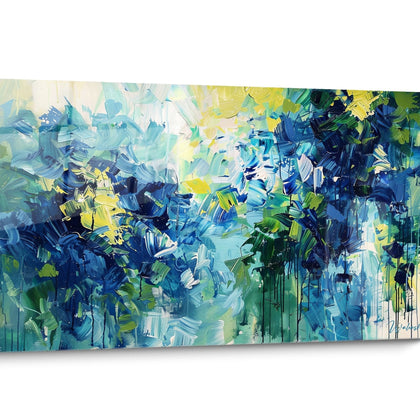 Rectangular Expressionist Wall Art11
artworks
Rectangular Expressionist Wall Art11
artworks
-
 Rectangular Portrait Format Canvas9
artworks
Rectangular Portrait Format Canvas9
artworks


All about Rectangular Format Sports Wall Art
- Rectangular Sports Wall Art Presentation
- Visual Dynamism
- Sports Atmospheres
- Motivational Impact
The rectangular sports wall art format stands out as large-scale mural decoration specially designed to enhance the energy and passion of athletic disciplines. With its generous dimensions, this horizontal format masterfully captures moments of sporting intensity by offering an ideal panoramic framing for action scenes, athlete achievements, and electrifying competition atmospheres. This particular orientation naturally aligns with human perception of lateral movement, essential in most team and individual sports. Each mural creation exploits this elongated geometry to restore the full amplitude of technical gestures, sprint speed, and team coordination in their complete visual dimension.
Capturing movement energy in horizontal format
The extended horizontal orientation of the rectangular sports wall art format meets a fundamental requirement: visually translating the natural trajectory of most sporting actions. Unlike square or vertical formats, this geometry perfectly mirrors the lateral progression of runs, passes, kicks, and tactical movements that characterize major athletic disciplines.
Why does rectangular format suit dynamic sports scenes?
This elongated configuration allows capturing multiple successive phases of an athletic movement in a single composition. A runner captured from start to finish, a footballer crossing the field with the ball at their feet, or a basketball team in full counter-attack find their optimal expression in these stretched proportions. The eye naturally travels from left to right, following the narrative progression of the represented action.
The visual impact of large dimensions on training spaces
In weight rooms, fitness studios, or sports clubs, large-format horizontal wall art pieces create powerful focal points that reinforce practitioners' determination. Their imposing scale transforms a simple wall into a constant source of inspiration, reminding of excellence standards and the commitment necessary to achieve sporting performances.
Visual composition suited to team sports
Team sports generate naturally horizontal scenes: a defensive line in rugby, a collective advance in football, a block in volleyball. Rectangular wall art faithfully restores these spatial configurations where multiple athletes interact simultaneously, preserving the positional relationships essential to tactical understanding and aesthetic appreciation of collective play.
This harmony between format and sports content amplifies representation authenticity, transforming each visual into credible testimony of competitive intensity and gestural beauty inherent to the sports world.
Creating motivating atmospheres in performance-dedicated spaces
Integrating a rectangular sports wall art format in a training or competition environment transcends simple decorative function. These large-scale mural creations generate specific psychological atmospheres that directly influence the mentality of athletes and regular practitioners.
How does panoramic sports visuals stimulate motivation?
Sports neuroscience demonstrates that repeated exposure to images of athletic excellence activates the same neural circuits as mental practice. A rectangular wall art piece presenting a sprinter at peak effort, a climber defying gravity, or a team celebrating victory functions as a visual anchor for personal objectives. This constant presence in the visual field during training creates a mental association between the practice space and sporting success.
Adapting visual content to practiced disciplines
A yoga studio will favor representations of athletic postures in balance, while a CrossFit gym might opt for visuals of Olympic lifts or combined efforts. The rectangular format allows representing complete sequences specific to each discipline: the sequence of a dive, the drive and landing phases of a jump, or the gestural coordination of a synchronized rowing team.
Chromatic influence on athletes' psychological state
Rectangular sports compositions often exploit energetic palettes: stimulating reds for physical activation, deep blues evoking cold determination, or black-white contrasts highlighting technical clarity. These color choices are not incidental in spaces where mental state directly conditions physical performance quality.
Professional clubs and private spaces strategically use these visuals to build coherent visual identity that reinforces the sense of belonging to a demanding sports community committed to personal excellence.
Optimizing the impact of sports visuals in spatial configurations
Installing rectangular sports wall art responds to specific spatial considerations that determine its visual effectiveness and psychological influence on the training or recovery environment.
Strategic positioning facing effort zones
In a gym, placing rectangular wall art facing treadmills, rowing machines, or lifting zones allows practitioners to maintain visual contact during intense effort phases. This configuration transforms moments of fatigue into opportunities for mental reinforcement, with sports visuals serving as a focal point to maintain engagement despite physiological discomfort.
What dimensions to choose based on viewing distance?
Large-scale spaces such as gyms or group studios require imposing rectangular formats, often exceeding 120 cm in width, to maintain legibility and impact from all points in the room. Conversely, a personal office or rest area will favor medium dimensions that create stimulating presence without overwhelming the space visually.
Visual associations with sports equipment
The horizontal format naturally dialogues with architectural lines of sports spaces: pull-up bars, bench press stations, machine alignments. This geometric coherence creates visual harmony that professionalizes the environment, reinforcing the perception of seriousness and structure essential to regular sports discipline.
Recovery zones and mental preparation spaces
Beyond active training zones, locker rooms, rest areas, and mental visualization spaces also benefit from these rectangular sports wall art pieces. They play a different role there: reminding of objectives before effort, celebrating accomplishments after the session, or serving as support for positive visualization that mentally prepares for future performances.
Is rectangular sports wall art suited to private residential spaces?
Absolutely. Many amateur and professional athletes integrate these visuals into their home gyms or living spaces to maintain constant connection with their sporting objectives. The rectangular format adapts particularly well to walls above domestic equipment like stationary bikes or stretching areas.
How does rectangular sports wall art influence perseverance over the long term?
The permanent presence of inspiring sports visuals creates a daily visual reminder of the deep reasons motivating regular practice. This environmental consistency counters natural motivational erosion and strengthens sports habits by anchoring engagement visually in the physical practice space.
Can multiple rectangular sports wall art pieces be combined in the same space?
This approach works particularly well in large training spaces where different zones are dedicated to various disciplines. A coordinated series of rectangular visuals representing different sports or performance aspects creates a motivating gallery that enriches visual experience without creating oversaturation, provided stylistic and chromatic consistency is maintained between different pieces.


