


Abstract Rectangular Canvas Art
Our Rectangular painting Abstract collection celebrates contemporary art in all its splendor. Each work features rectangular abstract compositions where geometric shapes, flowing lines, and bold color palettes combine harmoniously. These artistic creations transform your interiors into modern art galleries. Perfect for lovers of large-format abstract art, these pieces bring depth and character to your decor. Explore a universe where abstraction meets timeless elegance.
 Dynamic Abstract Painting - Modern Spiral - Minimalist Edition273,90 €
 Abstract Painting White and Blue Splashes on Black Background - Glacial Torrent - Pyrenees Mountain Edition273,90 €
 Abstract Blue Watercolor Canvas - Celestial Fluid - Tennis Edition273,90 €
 Colorful abstract artwork - Color explosion - drawing edition273,90 €
 Colorful Abstract Painting - Neural Mosaic - Collage Edition273,90 €
 Dynamic Abstract Painting - Expressionist Symphony - Expressionist Edition273,90 €
 Dynamic Abstract Painting - Energy Explosion - Minimalist Edition273,90 €
 Dynamic Abstract Painting - Circular Movement - Minimalist Edition273,90 €
 Dynamic Abstract Painting - Creative Explosion - Minimalist Edition273,90 €
 Abstract colored painting - Chromatic Fusion - scraped abstract style edition273,90 €
 Abstract Blue and Gold Wall Art - Oceanic Symphony - Calligraphy Edition273,90 €
 Abstract colorful painting - Creative tempest - abstract painting style edition273,90 €
 Dynamic Abstract Painting - Luminous Convergence - abstract painting style edition273,90 €
 Colorful Abstract Painting - Dynamic Composition - Abstract Geometric Edition273,90 €
 Abstract painting Insurgent Blocks - Dadaism edition273,90 €
 Abstract Suspended Blocks Escape Painting - Dadaism Edition273,90 €
 Abstract African wall art carved waves - africa edition273,90 €
 Luminous Oxidized Abyss Wall Art - abstract geometric edition273,90 €
 Abstract African Painting Orange Symphony - Africa Edition273,90 €
 Abstract African Tribal Sun Wall Art - Africa Edition273,90 €
 Abstract Painting - Flight of Golden Flames - Stork Edition273,90 €
 Industrial Abstraction Wall Art - Mechanical Symphony - Machines & Gears Edition273,90 €
 Golden Geometric Abstraction Wall Art - Harmonious Spirals - Vizsla Edition273,90 €
 Colorful Abstraction Painting Progressive Movement - Constructivism Edition273,90 €
Explore further
In Abstract Rectangular Canvas Art
-
 Rectangular Format Wall Art23548
artworks
Rectangular Format Wall Art23548
artworks
-
 Rectangular Black and White Wall Art21
artworks
Rectangular Black and White Wall Art21
artworks
-
 Gold Rectangular Wall Art24
artworks
Gold Rectangular Wall Art24
artworks
-
 Multicolored Rectangular Format Wall Art21
artworks
Multicolored Rectangular Format Wall Art21
artworks
-
 Rectangular Format Tree Wall Art24
artworks
Rectangular Format Tree Wall Art24
artworks
-
 Rectangular Wildlife Art Canvas24
artworks
Rectangular Wildlife Art Canvas24
artworks
-
 African Rectangular Wall Art24
artworks
African Rectangular Wall Art24
artworks
-
 Landscape Rectangular Format Wall Art20
artworks
Landscape Rectangular Format Wall Art20
artworks
-
 Rectangular Format Wall Art Architecture18
artworks
Rectangular Format Wall Art Architecture18
artworks
-
 Rectangular Format Geometric Wall Art16
artworks
Rectangular Format Geometric Wall Art16
artworks
-
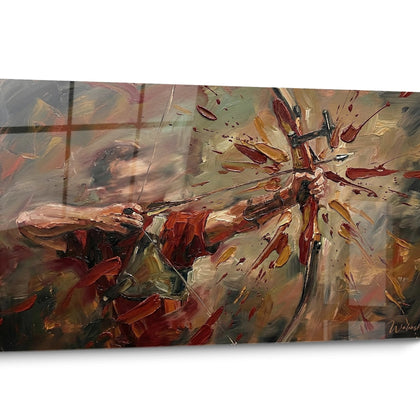 Rectangular Format Sports Wall Art14
artworks
Rectangular Format Sports Wall Art14
artworks
-
 Rectangular Fluid Format Wall Art13
artworks
Rectangular Fluid Format Wall Art13
artworks
-
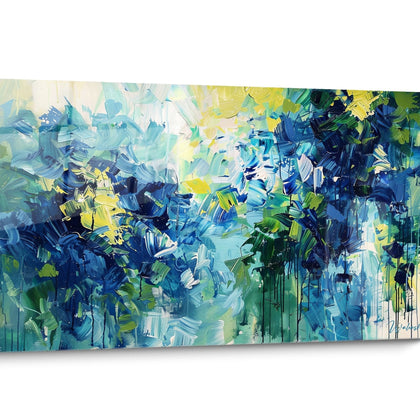 Rectangular Expressionist Wall Art11
artworks
Rectangular Expressionist Wall Art11
artworks
-
 Rectangular Portrait Format Canvas9
artworks
Rectangular Portrait Format Canvas9
artworks


All about Abstract Rectangular Canvas Art
- Presentation Abstract Rectangular Wall Art
- Geometric Compositions
- Visual Depth
- Decorative Arrangements
An abstract rectangular format wall art piece radically transforms the spatial perception of an interior through its ability to create visual guidelines. This category of wall art combines the elegance of elongated proportions with the expressive freedom of non-figurative art, offering decorative solutions suited to contemporary architectures. Abstract compositions in rectangular format particularly exploit narrow walls, spaces above low furniture, and corridors, while bringing a sophisticated artistic dimension.
The Impact of Geometric Forms in Abstract Rectangular Compositions
Abstract creations in rectangular format masterfully exploit the visual tensions generated by geometric forms. Horizontal compositions amplify the sensation of space in narrow rooms, while vertical formats create an illusion of ceiling height. This particularity makes the abstract rectangular format wall art a strategic choice for visually restructuring architectural volumes.
How do abstract lines direct the gaze in a rectangular format?
Dynamic lines present in rectangular abstract works function as directional vectors that naturally guide the eye. In a horizontal format, parallel chromatic bands create lateral movement that visually widens the space. Vertical compositions with ascending lines generate an elevation dynamic particularly effective in spaces with low ceilings. This orchestration of visual flows transforms each abstract rectangular wall art into a true interior architecture tool.
Asymmetric balances and compositional tensions
Rectangular formats permit sophisticated asymmetric balances impossible in square formats. The distribution of colored masses across an elongated surface creates controlled visual tensions that maintain attention without causing visual fatigue. Chromatic concentration zones strategically positioned along the format length generate multiple anchor points, allowing for sequential visual reading particularly suited to large living spaces.
Chromatic dynamics in rectangular space
The organization of colors in an abstract rectangular format wall art follows specific logics related to proportions. Horizontal gradients amplify the sensation of atmospheric depth, while vertical contrasts accentuate monumentality. Large abstract rectangular compositions exploit progressive chromatic transitions to create immersive atmospheres that transform the light perception of the surrounding space.
Strategies of Visual Depth in Abstract Rectangular Works
Managing depth constitutes a major challenge in abstract rectangular compositions. Superpositions of colored planes create visual stratification effects that transform a flat surface into perceived three-dimensional space. This illusionistic dimension is particularly sought after in contemporary interiors where abstract rectangular wall art becomes a virtual window opening onto imaginary spaces.
What techniques create the illusion of depth in an abstract rectangular format?
Abstract artists exploit several perceptual mechanisms to generate depth in rectangular formats. Variations in chromatic saturation create planes that seem to be situated at different distances from the viewer. Horizontal formats particularly allow compositions in successive bands that evoke abstract horizons, generating a sensation of spatial expanse. Games of opacity and transparency in pictorial layers add an atmospheric dimension that considerably enriches the visual experience.
Distorted perspectives and non-Euclidean spaces
Certain abstract rectangular compositions play with perspective codes to create paradoxical spaces. Multiple and contradictory vanishing lines generate impossible visual environments that durably captivate attention. This approach is particularly suited to spaces for reflection such as offices or libraries, where abstract rectangular wall art becomes a support for intellectual contemplation.
Perceived materiality and surface effects
The perception of depth in an abstract rectangular wall art piece also depends on material effects. Contrasts between smooth and textured zones create micro-reliefs that modify light reflection and generate tactile depth. Large dimensions allow for appreciation of these surface variations that enrich the sensory experience beyond the purely visual dimension, transforming the work into an affirmed physical presence in space.
Is abstract rectangular format wall art suited to professional spaces?
Absolutely, abstract rectangular compositions integrate perfectly into contemporary professional environments. Their capacity to structurally organize space without imposing figurative narrative makes them neutral decorative elements that favor concentration while affirming a sophisticated aesthetic identity.
How should you choose the orientation of an abstract rectangular format wall art?
Orientation depends on spatial configuration: horizontal formats visually widen narrow walls and suit positioning above low furniture, while vertical formats create height and enhance restricted spaces such as stairwells or wall sections between two openings.
What dimension should you prioritize for an abstract rectangular format wall art in a living room?
For optimal impact in a living room, choose generous dimensions that occupy approximately 60 to 75% of the width of the furniture positioned below. Large abstract rectangular formats create a monumental presence that effectively structures vast living room walls without visually fragmenting the space.
Wall Configurations and Multiple Compositions with Abstract Rectangles
Arranging multiple abstract rectangular wall art pieces opens infinite compositional possibilities. Horizontal series create contemporary wall friezes that energize long walls, while vertical stacking generates visual columns that enhance height perception. This flexibility makes the abstract rectangular format wall art a particularly modular element suited to evolving decorative arrangements.
Which arrangements optimize the visual impact of multiple abstract rectangular wall art pieces?
Horizontal triptych configurations constitute the most balanced arrangement for valorizing large wall surfaces. Regular spacing between three identical rectangular formats creates harmonious visual rhythm that structures space without fragmenting it. Asymmetric compositions mixing different rectangular dimensions generate a more contemporary dynamic, particularly suited to minimalist interiors where dimensional contrast becomes a decorative element in itself.
Chromatic dialogues between multiple works
When multiple abstract rectangular wall art pieces coexist on the same wall, chromatic relationships become determining. Monochromatic series with tonal variations create soothing visual continuity, while frank chromatic contrasts between adjacent works generate energizing tension. Abstract rectangular compositions allow for creation of chromatic progressions that transform the wall into a true visual score, particularly effective in circulation spaces.
Visual rhythms and abstract narrative sequences
Alignment of abstract rectangular wall art along a horizontal or vertical axis creates visual sequences that the eye naturally traverses. This temporal dimension transforms contemplation into dynamic experience, particularly relevant in hallways or transition spaces. Rhythmic variations between abstract compositions generate visual musicality that considerably enriches spatial experience, making the decorated wall a fully-fledged architectural element.


