


Landscape Rectangular Format Wall Art
Our Painting Rectangular Format Landscape collection horizontal landscape format decorative panoramic paintings enhance your spaces with exceptional panoramic compositions. These artistic creations bring depth and elegance to your wall decoration. Perfect for large walls, these works captivate the eye and transform your interior. Explore our selection of panoramic decorative paintings that harmoniously adapt to all styles.
 Sénanque Abbey and lavender fields Painting - Eternal Provence - Provence Edition273,90 €
 Plane Tree Avenue Painting - Provençal Autumn Path - Provence Edition273,90 €
 Carnac Alignments Painting - Breton Mysteries - Brittany Edition273,90 €
 Mountaineer at Summit Painting - Conquering the Peaks - The Alps Edition273,90 €
 Mountaineers in the Storm Painting - Heroic Expedition - The Alps Edition273,90 €
 Roped Climbers Painting - Perilous Ascent - Mont Blanc Edition273,90 €
 Alpinist at Sunset Painting - Summit Conquest - Ski Edition273,90 €
 Alpinist Mountain - Solitary Ascent - Black and White Landscape Edition273,90 €
 Forest Path Painting with Water Reflections - Autumn Serenity - Forest Edition273,90 €
 Autumn Forest Alley Painting - Golden Path - Forest Edition273,90 €
 Acacia Aureolate with Ardent Copper - African Landscape Edition273,90 €
 Acacia Roots of Time - African Landscape Edition273,90 €
 Acacia Secret Oasis Painting - African Landscape Edition273,90 €
 Acacia Master of Saffron Horizons Painting - African Landscape Edition273,90 €
 Acacia Painting Silhouettes in the Blaze - African Landscape Edition273,90 €
 Acacia Baobab Sunlight Painting - African Landscape Edition273,90 €
 Solitary Acacia Painting - savanna edition273,90 €
 Rocky Needles Canvas - Sea Edition273,90 €
 Altitude Blooming Canvas - mountain edition273,90 €
 Scottish Soul Wall Art - Waterfall Edition273,90 €
Explore further
In Landscape Rectangular Format Wall Art
-
 Rectangular Format Wall Art23548
artworks
Rectangular Format Wall Art23548
artworks
-
 Rectangular Black and White Wall Art21
artworks
Rectangular Black and White Wall Art21
artworks
-
 Abstract Rectangular Canvas Art24
artworks
Abstract Rectangular Canvas Art24
artworks
-
 Gold Rectangular Wall Art24
artworks
Gold Rectangular Wall Art24
artworks
-
 Multicolored Rectangular Format Wall Art21
artworks
Multicolored Rectangular Format Wall Art21
artworks
-
 Rectangular Format Tree Wall Art24
artworks
Rectangular Format Tree Wall Art24
artworks
-
 Rectangular Wildlife Art Canvas24
artworks
Rectangular Wildlife Art Canvas24
artworks
-
 African Rectangular Wall Art24
artworks
African Rectangular Wall Art24
artworks
-
 Rectangular Format Wall Art Architecture18
artworks
Rectangular Format Wall Art Architecture18
artworks
-
 Rectangular Format Geometric Wall Art16
artworks
Rectangular Format Geometric Wall Art16
artworks
-
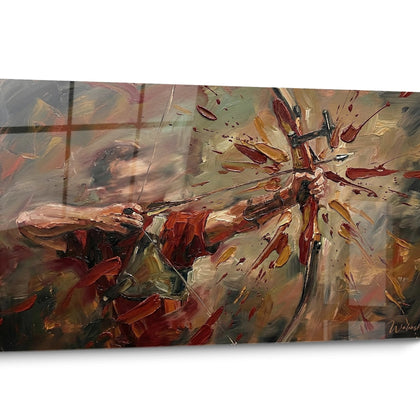 Rectangular Format Sports Wall Art14
artworks
Rectangular Format Sports Wall Art14
artworks
-
 Rectangular Fluid Format Wall Art13
artworks
Rectangular Fluid Format Wall Art13
artworks
-
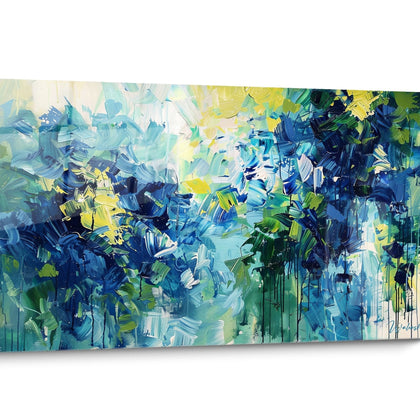 Rectangular Expressionist Wall Art11
artworks
Rectangular Expressionist Wall Art11
artworks
-
 Rectangular Portrait Format Canvas9
artworks
Rectangular Portrait Format Canvas9
artworks


All about Landscape Rectangular Format Wall Art
- Presentation Landscape Painting
- Horizontal Space Optimization
- Panoramic Visual Impact
- Landscape Wall Decoration
A rectangular landscape painting radically transforms the spatial perception of a room thanks to its distinctive horizontal orientation. This elongated configuration, wider than it is high, naturally creates a visual dynamic that guides the gaze laterally, amplifying the impression of space and openness. Particularly suitable for contemporary environments where horizontal lines dominate modern architecture, this type of wall decoration is an ideal solution for enhancing large, empty walls above sofas, king-size beds, or low buffets. Panoramic formats exploit the visual amplitude to create immersive compositions that capture attention without visually overloading the space, offering a balanced and sophisticated decorative presence.
Architectural Enhancement of Extended Walls
The landscape orientation of a rectangular painting specifically responds to the architectural constraints of contemporary living spaces. Modern living rooms with long sofas from 2.40 to 3 meters require proportionate wall decoration to avoid a decorative void effect. A large horizontal format establishes an essential visual balance by creating a direct correspondence with the low furniture.
How to size a landscape painting according to the width of the furniture?
The professional rule recommends a width representing 60 to 75% of the width of the furniture below. For a 2.80m sofa, a landscape format of 180 to 210cm generates a perfect harmony. This proportion avoids two major pitfalls: a format that is too narrow and would appear lost, or a format that is too wide and would visually exceed the limits of the furniture. Large-scale panoramic compositions fully exploit the available wall space without fragmenting the visual perception.
Exploiting Underutilized Horizontal Wall Areas
The spaces above console tables, wide headboards, or dining room credenzas naturally have a horizontal dominance. A rectangular painting follows these architectural configurations by transforming neglected wall surfaces into decorative focal points. The landscape arrangement creates a visual continuity that extends the lines of the furniture rather than interrupting them vertically.
Amplifying Perspectives in Corridors and Restricted Spaces
In narrow hallways or rooms with low ceilings, the horizontal orientation generates an illusion of spatial widening. The eye, naturally drawn to the dominant lines of the composition, scans the space laterally, creating a sensation of openness. Panoramic formats exploit this perceptual phenomenon to visually transform constrained spaces into airy and welcoming areas.
Visual Dynamics of Horizontal Compositions
A rectangular landscape painting generates a radically different visual experience than vertical or square formats. The horizontal reading of a work naturally solicits lateral eye scanning, creating a narrative visual path that can deploy multiple scenes or compositional elements. This particularity is perfectly suited to panoramic representations, extended urban views, or rhythmic abstract compositions.
What visual subjects best exploit the landscape orientation?
Maritime horizons, expansive mountain landscapes, urban skylines, or abstract compositions with horizontal flows all fully leverage the elongated format. These subjects require horizontal amplitude to deploy their complete visual impact. A coastal panorama in a 200x80cm format creates an immersive visual window impossible to reproduce in a portrait orientation. The horizontal lines present in these compositions resonate with the format itself, reinforcing the overall aesthetic coherence.
Creating depth through horizontal layering
Landscape compositions allow for the establishment of several horizontally tiered visual planes: foreground, middle ground, background. This stratification creates a remarkable perceptual depth in large formats. A 240x100cm format can develop a true visual depth architecture, guiding the eye through different compositional strata. This technique significantly amplifies the three-dimensional effect of the wall decoration.
Visual rhythm and compositional sequences
The horizontal extent allows for the deployment of repetitive or progressive visual rhythms impossible in compact formats. Alternating geometric patterns, extended chromatic gradients, or narrative sequences particularly benefit from the XXL landscape format. This amplitude allows creators to develop thematic variations on a continuous surface, creating a dynamic visual experience that maintains the eye's interest throughout the length of the artwork.
Decorative Integration in Residential Environments
Installing a rectangular landscape format artwork transforms the ambiance of a space by establishing a dominant visual axis that structures the entire surrounding decorative composition. This centerpiece defines the proportions and overall style of the layout, influencing the choice of complementary furniture, accent lighting, and adjacent decorative accessories.
Strategic positioning according to traffic flow
In a living room, positioning a landscape format facing the main entrance creates an immediate impact for visitors. The artwork becomes the instant focal point that captures attention upon entering. In bedrooms, installation above the bed requires sufficient visual distance: a minimum distance of 3 meters allows for full appreciation of a 200cm wide format. Reception areas particularly benefit from panoramic formats that create a defined decorative presence without requiring multiplication of elements.
Chromatic coordination with the existing environment
A large-scale landscape format significantly influences the perceived color palette in a room. The dominant hues of the visual naturally reflect on the choices of cushions, rugs, or curtains surrounding it. For a neutral-toned interior, a landscape format with saturated colors injects the necessary chromatic energy. Conversely, in an already colorful space, a visual with soothing tones balances the overall decoration.
Why prioritize a single format over a multiple composition?
A large-scale rectangular landscape format artwork offers a unified visual power superior to that of fragmented assemblages. This monolithic approach simplifies the decorative decision while guaranteeing immediate aesthetic coherence. XXL formats eliminate the alignment and spacing issues inherent in multi-element compositions. For buyers seeking maximum impact with simplified installation, this solution offers an optimal efficiency-simplicity ratio.
Association with architectural lighting
Extended landscape formats require even light distribution across their entire width. Adjustable LED strips or multiple spotlights spaced 80-100cm apart ensure uniform illumination without shadow areas. This technical requirement justifies prior electrical installation planning, particularly for formats exceeding 180cm in width, where a central point illumination would create unsightly light imbalances.
What is the main decorative advantage of a landscape rectangular format artwork?
The horizontal orientation creates a visual amplification of space by guiding the gaze laterally, generating an impression of openness and depth impossible to achieve with other formats. This configuration naturally exploits the architecture of modern spaces dominated by horizontal lines.
How to choose the right dimension of a landscape artwork for your living room?
Measure the width of the main furniture (sofa or sideboard) and select a format representing 65 to 75% of this dimension. For a 260cm sofa, opt for a landscape format of 170 to 195cm wide that will establish a perfectly proportional visual balance without overflowing the furniture.
Are landscape rectangular format artworks suitable for small spaces?
Paradoxically, yes. In compact rooms or with low ceilings, a well-sized horizontal format creates an illusion of spatial widening by establishing lateral guidelines that visually counterbalance architectural vertical constraints, provided that available wall proportions are respected.


