


Rectangular Format Wall Art Architecture
Our Painting rectangular format Architecture celebrates the beauty of urban structures and contemporary design. This collection highlights clean architectural lines and the geometric perspectives that characterize built art. Each creation captures the essence of modern buildings and iconic monuments, transforming your walls into sophisticated art galleries. Perfect for offices, lofts or design interiors, this artistic universe brings elegance and character to your decoration.
 Modern Architecture Wall Art - Cubist Metropolis - Corsican Edition273,90 €
 Medieval Architecture Painting - Half-Timbered Cobbled Street - Brittany Edition273,90 €
 Art Deco Architecture Painting - Golden Skyline - Art deco Edition273,90 €
 Modern Architecture Canvas - Geometric Reflections - Tennis Edition273,90 €
 Berber Architecture Painting - Traditional Tunisian Terrace - African Landscapes Edition273,90 €
 Desert Architecture Painting - Red Stone Refuge - African Landscapes Edition273,90 €
 Gothic Architecture Wall Art - Transcendent Light - Architecture Edition273,90 €
 Modern Abstract Architecture Wall Art - Urban Fusion - Architecture Edition273,90 €
 Futuristic Architecture Painting - Infinite Perspective - Architecture Edition273,90 €
 Oriental Architecture Painting - Palace of a Thousand and One Nights - Black Gold Edition273,90 €
 Mediterranean Architecture Blue Sanctuary Painting - Classicism Edition273,90 €
 Geometric Architecture Wall Art Interlaced Volumes - Bauhaus Edition273,90 €
 Geometric Architecture Painting Exploded Perspective - Bauhaus Edition273,90 €
 Aquatic Palace Architecture Painting - Art Nouveau Edition273,90 €
 Wall Painting Architecture Passage of Souls - edition Africa273,90 €
 Architecture Wall Art Stairs of Infinity - Trompe l'Œil Edition273,90 €
 Silent Arch Teal Wall Art - geometric abstract edition273,90 €
 Deconstructed Architecture Art - Black and White Speckled Edition273,90 €
Explore further
In Rectangular Format Wall Art Architecture
-
 Rectangular Format Wall Art25001
artworks
-
 Rectangular Black and White Wall Art21
artworks
-
 Abstract Rectangular Canvas Art24
artworks
-
 Gold Rectangular Wall Art24
artworks
-
 Multicolored Rectangular Format Wall Art21
artworks
-
 Rectangular Format Tree Wall Art24
artworks
-
 Rectangular Wildlife Art Canvas24
artworks
-
 African Rectangular Wall Art24
artworks
-
 Landscape Rectangular Format Wall Art20
artworks
-
 Rectangular Format Geometric Wall Art16
artworks
-
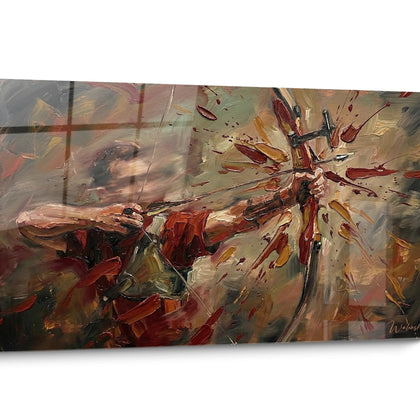 Rectangular Format Sports Wall Art14
artworks
-
 Rectangular Fluid Format Wall Art13
artworks
-
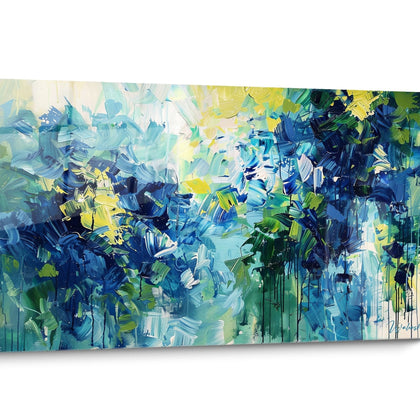 Rectangular Expressionist Wall Art11
artworks
-
 Rectangular Portrait Format Canvas9
artworks


All about Rectangular Format Wall Art Architecture
- Rectangular Paintings Presentation Architecture
- Architecture and Wall Aesthetics
- Large-Format Architectural Representations
- Spatial Integration and Visual Impact
Large-scale architectural wall representations radically transform the perception of interior space by creating visual windows onto iconic structures and monumental geometric compositions. These wall creations capture the essence of clean lines, dizzying perspectives, and plays of volume that characterize contemporary and historic architecture. Each rectangular architectural visual is more than just a decorative element: it establishes a sophisticated dialogue between the built environment depicted and the living space that houses it, creating a conceptual continuity between wall art and the surrounding architecture.
The Visual Impact of Architectural Structures in Panoramic Format
Wall compositions depicting iconic buildings fully exploit rectangular proportions to magnify the guiding lines and architectural perspectives. This horizontal orientation naturally amplifies monumental facades, sequences of columns, and structural alignments that define large built-up areas. In contemporary professional spaces, these representations create a sophisticated visual anchor that resonates with the architectural identity of modern workplaces.
Why choose building representations for large corporate spaces?
Entrance halls, conference rooms, and reception areas particularly benefit from these large-scale architectural visuals. The extended rectangular format captures the characteristic horizontality of urban skylines, perspectives of suspension bridges, or rhythmic sequences of converted industrial structures. These wall compositions immediately establish a professional and ambitious tone, reflecting the aspirations of excellence and innovation of the organizations that adopt them.
Dizzying perspectives in contemporary wall art
Views plunging onto metal structures, monumental helical staircases, or dizzying atriums masterfully exploit the elongated format. This rectangular configuration allows to preserve the integrity of the essential vanishing lines for architectural reading, creating a spatial depth that dialogues with the real dimensions of the room. Contemporary residential environments with high ceilings find in these compositions a particular resonance with their own verticality.
Architectural geometry as a universal visual language
Repetitive patterns of windows, structural frameworks, and modulations of contemporary facades generate a powerful graphic vocabulary when translated into a large rectangular format. This visual rhythm creates a contemplative meditation on order and composition, particularly appreciated in minimalist interiors where each element must justify its presence by its conceptual strength. The painting rectangular format collection offers precisely these refined architectural compositions adapted to demanding contemporary spaces.
Architectural Typologies and Their Translation into Extended Format
Icons of brutalism, with their sculptural concrete masses and dramatic shadows, find a particularly striking expression in expanded rectangular formats. These representations capture the raw monumentality and formal radicalism that characterize this architectural movement, transforming walls into visual manifestos of modern architecture. Industrial lofts and spaces with a strong character naturally adopt these compositions that amplify their existing aesthetic identity.
How do metallic structures translate visually?
Exposed frameworks, engineering bridges, and industrial tubular structures generate fascinating linear compositions. The horizontal rectangular format perfectly complements these metallic lattices and structural interweaves, allowing the eye to follow the trajectories of the beams across the entire visual. These representations particularly resonate in interiors with a strong industrial character, creative coworking spaces, or urban residences fully embracing their contemporary vocabulary.
Reinterpreted vernacular architecture in large format
Compositions capturing the alignments of traditional houses, sequences of Mediterranean porticoes, or the rhythms of historical timber framing offer a patrimonial alternative to modernist references. These extended format representations create a horizontal architectural narrative, inviting the eye to virtually stroll along old streets and urban perspectives. Interiors with a classic character or spaces wishing to introduce a historical dimension will find in these visuals a timeless sophistication.
Nocturnal compositions of illuminated buildings
Architectural scenes captured at dusk, with their games of artificial lights highlighting the structures, create a dramatic atmosphere particularly impactful in large format. The accentuated contrasts between the built silhouettes and the twilight skies generate a striking visual depth, transforming architectural representations into true luminous paintings. These compositions are ideally suited to sophisticated relaxation areas or contemporary living rooms seeking an elegant ambiance.
Strategic Integration of Architectural Representations into the Built Environment
The installation of a large rectangular architectural composition requires careful consideration of the interaction between the visual and the actual architecture of the receiving space. Load-bearing walls without interruption, typically located facing the main entrances or behind reception areas, are the preferred locations for these monumental pieces. The visual continuity between the architectural lines represented and the structural lines of the room creates a conceptual harmony that amplifies the impact of both components.
Which spaces benefit most from extended architectural visuals?
Longitudinal hallways, often neglected in decorative design, become captivating architectural galleries when these extended compositions are installed. The effect of spatial extension created by the architectural perspectives represented visually counteracts the narrowness of the passage, transforming a spatial constraint into an aesthetic opportunity. Circulation spaces in professional environments thus gain a contemplative dimension that enriches the daily experience of the occupants.
The symbiosis between contemporary architecture and built representations
In recent constructions with clean lines and noble materials, representations of iconic buildings reinforce the ambient architectural vocabulary. This layering of architectural references creates cultural and conceptual depth, transforming the domestic space into a place of architectural reflection. Residences signed by contemporary architects find in these visuals a natural complement that dialogues with their structural and formal choices.
Monochrome architectural compositions in colorful interiors
Black and white depictions of iconic buildings offer a powerful graphic contrast in environments with bold color palettes. This opposition between the visual neutrality of the wall support and the vibrancy of the furnishings creates a sophisticated balance, allowing architectural compositions to visually structure the space without competing with other decorative elements. Eclectic interiors adopting multiple stylistic registers find in this monochrome approach a unifying visual coherence.
Would a rectangular format painting of architecture be suitable for low ceilings?
Unlike vertical compositions that accentuate limited height, extended rectangular formats create a horizontal expansion that diverts attention from the vertical constraint. Horizontal architectural perspectives guide the eye laterally rather than vertically, generating a perception of amplitude compensating for the height limitation.
Which architectural representations to prioritize for an executive office?
Compositions capturing iconic buildings of institutional or economic power – iconic corporate headquarters, monumental financial centers, prestigious cultural institutions – project an image of authority and achievement. These architectural references subtly establish status and professional aspirations without resorting to explicit verbal communication.
How do rectangular architectural paintings influence spatial perception?
Deep perspectives and pronounced vanishing lines characteristic of architectural representations create an illusion of spatial extension beyond the physical wall. This simulated visual depth psychologically amplifies the perceived dimensions of the room, particularly effective in spaces with limited areas where each visual expansion strategy contributes significantly to user comfort.
Further reading
Our articles on this topic
- Black and white abstract architecture painting: the ally of a clean professional office
- Round and Oval Paintings: Visual Softness and Unique Design
- Geometric painting for an industrial-style living room: the perfect balance between structure and material
- Rectangular city lights night painting for an industrial loft: choosing the right proportions
- Cityscape painting for office spaces: how to choose the right one
L'art qui suscite l'envie
Maison belge d'art mural grand format
14 jourspour changer d'avis*
Protection Walenskyincluse
Fabriquéen Italie
FormatXXL
Kit de fixationtoujours fourni
* Hors tableaux personnalisés et tailles personnalisées


