


Rectangular Portrait Format Canvas
The Canvas format rectangular Portrait stands out as the ideal choice to enhance your vertical spaces. This collection favors the elegance of elongated compositions that naturally capture the eye. Perfect for hallways, entrances, and narrow walls, each vertical portrait canvas creates an impression of height and refinement. Our rectangular portrait artworks harmoniously adapt to all contemporary and classic decorative styles, offering a distinctive artistic presence.
 Archer Concentration Wall Art - The Art of Precision - Archery Edition273,90 €
 Paralympic Archer Painting - The Art of Precision - Paralympic Edition273,90 €
 Modern Art Wall Art - Hip Women - Vintage Fashion Edition273,90 €
 Ethnic Art Wall Art - Textile Modernity Rebel - Streetwear Edition273,90 €
 Street Art Canvas - Modern Fashion Portrait - Streetwear Edition273,90 €
 Conceptual Art Painting - Lady of the Blueprints - haute couture edition273,90 €
 Digital Art Artwork - Fragmented Contemplation - male beauty edition273,90 €
 Art Portrait Painting - Refined Aesthetic Duality - male beauty edition273,90 €
 Aristocrat Painting Golden Splendor - Louis XIV Edition273,90 €
Explore further
In Rectangular Portrait Format Canvas
-
 Rectangular Format Wall Art25001
artworks
Rectangular Format Wall Art25001
artworks
-
 Rectangular Black and White Wall Art21
artworks
Rectangular Black and White Wall Art21
artworks
-
 Abstract Rectangular Canvas Art24
artworks
Abstract Rectangular Canvas Art24
artworks
-
 Gold Rectangular Wall Art24
artworks
Gold Rectangular Wall Art24
artworks
-
 Multicolored Rectangular Format Wall Art21
artworks
Multicolored Rectangular Format Wall Art21
artworks
-
 Rectangular Format Tree Wall Art24
artworks
Rectangular Format Tree Wall Art24
artworks
-
 Rectangular Wildlife Art Canvas24
artworks
Rectangular Wildlife Art Canvas24
artworks
-
 African Rectangular Wall Art24
artworks
African Rectangular Wall Art24
artworks
-
 Landscape Rectangular Format Wall Art20
artworks
Landscape Rectangular Format Wall Art20
artworks
-
 Rectangular Format Wall Art Architecture18
artworks
Rectangular Format Wall Art Architecture18
artworks
-
 Rectangular Format Geometric Wall Art16
artworks
Rectangular Format Geometric Wall Art16
artworks
-
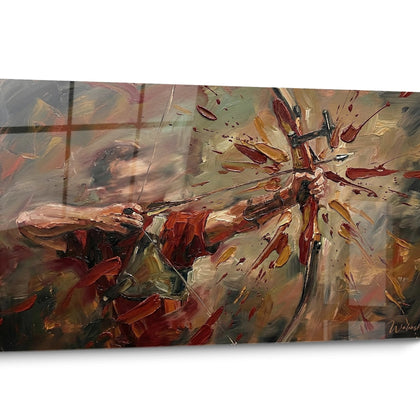 Rectangular Format Sports Wall Art14
artworks
Rectangular Format Sports Wall Art14
artworks
-
 Rectangular Fluid Format Wall Art13
artworks
Rectangular Fluid Format Wall Art13
artworks
-
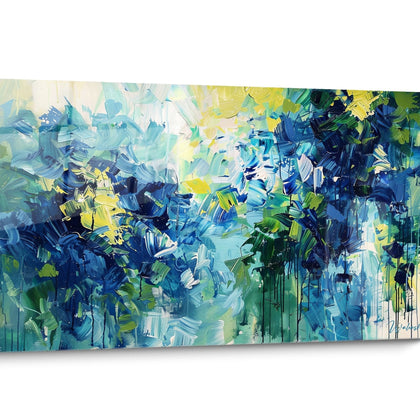 Rectangular Expressionist Wall Art11
artworks
Rectangular Expressionist Wall Art11
artworks


All about Rectangular Portrait Format Canvas
- Rectangular Portrait Painting Presentation
- Rectangular Portrait Format
- Vertical Wall Decoration
- Large-Format Portrait Aesthetics
The painting in rectangular portrait format represents a vertical decorative solution designed to enhance contemporary architectural spaces. This preferred orientation naturally imposes itself in modern interiors where ceiling height becomes a valuable asset. Unlike horizontal formats that visually widen perspectives, the rectangular portrait format draws the eye upwards, creating an impression of grandeur and refined elegance. The generous dimensions of these wall creations allow for a remarkable artistic presence in demanding residential or high-end professional environments. This vertical configuration is perfectly suited to slender hallways, spaces between windows, the side walls of staircases, or architectural niches. Acquiring a rectangular portrait painting of large dimensions instantly transforms the spatial perception of a room by accentuating its natural verticality.
The architectural impact of the rectangular portrait format in vertical spaces
The rectangular portrait format painting responds to a precise architectural logic that values the visual elevation of interior volumes. In contemporary urban apartments where floor surfaces are optimized, this vertical orientation intelligently exploits the available height without encroaching on circulation space. The elongated proportions create a visual column effect that structures the overall layout.
How to optimize narrow spaces with a vertical format?
Residential hallways, often neglected in the decorative strategy, find a new dimension thanks to the large-format rectangular portrait painting. This configuration transforms a simple passage into a personal gallery where each artwork becomes a captivating focal point. The vertical orientation prevents a feeling of clutter while maintaining a strong artistic presence. Apartment entrances particularly benefit from this solution, welcoming visitors and residents with an immediate aesthetic statement.
The visual balance between height and width in wall compositions
The specific dimensional ratio of the rectangular portrait format establishes a natural harmony with vertical architectural elements: doorposts, high windows, slender bookcases. This formal coherence reinforces the perception of a thought-out and intentional layout. Contemporary reception areas use these formats to create alternating visual rhythms, particularly in combination with low furniture that accentuates the vertical contrast.
Which spaces benefit most from a portrait painting?
Stairwells represent the ideal environment for deploying a rectangular portrait painting of large scale. The natural upward progression of the gaze perfectly accompanies the length of the artwork. Professional spaces such as company reception halls, medical offices, or notarial offices prefer this orientation for its distinctive character and its ability to convey an image of vertical seriousness. In bedrooms, positioning above the headboard benefits from this verticality, symbolically elevating the resting space.
For those who wish to explore further the possibilities offered by these configurations, the rectangular painting collection offers different orientations adapted to each specific decorative project.
Advanced decorative strategies for rectangular vertical formats
The successful integration of a painting in a rectangular portrait format into an interior design project requires a thorough understanding of vertical spatial dynamics. This orientation substantially alters the perception of ambient volume by creating ascending guidelines that naturally direct the gaze. Living rooms benefit from a reinforced visual structure when these formats are inserted between functional elements.
Creating vertical galleries in multifunctional spaces
Contemporary design favors open spaces where multiple zones coexist. A large-format rectangular portrait painting then becomes a tool for subtle demarcation, visually marking the transition between the living room and dining area without physically partitioning. The alignment of several vertical artworks creates an architectural rhythm that advantageously replaces traditional separations. This approach preserves spatial fluidity while asserting a strong decorative identity.
What furniture combinations enhance the portrait format?
The dialogue between furniture and vertical wall decor requires particular attention to proportions. Low buffets, narrow consoles, and horizontal accent furniture create a dimensional contrast that accentuates the elongation of the painting in a rectangular portrait format. This opposition creates a balanced visual tension where each element reinforces the presence of the other. Vertical bookshelves find a harmonious echo in these formats that reiterate their ascending logic.
Strategic positioning in transition zones
Intermediate spaces such as landings, hallways, or passages constitute often underutilized decorative opportunities. A rectangular portrait painting transforms these utilitarian zones into striking aesthetic moments. The vertical configuration naturally adapts to the dimensional constraints of these spaces that are narrow in width but have exploitable height. The visual impact remains maximal despite a limited wall surface.
Enhancing generous ceiling heights
Renovated older homes or industrial lofts frequently have significant vertical volumes. The rectangular portrait format fully exploits this architectural resource by visually occupying the available aerial space. This vertical occupation prevents the empty effect above standard furniture, creating a visual cohesion from floor to ceiling. Double-height spaces find in these formats a decorative solution proportional to their exceptional scale.
Spatial psychology and perception of the rectangular portrait format
Beyond purely aesthetic considerations, the painting in a rectangular portrait format profoundly influences the psychological perception of interior spaces. Environmental psychology research demonstrates that vertical lines convey notions of elevation, aspiration, and dignity. This orientation actively participates in creating specific atmospheres adapted to the functions of the rooms.
The effect of elevation in professional and residential spaces
Work environments instinctively favor vertical formats for their ability to inspire concentration and seriousness. A rectangular portrait painting in a director's office symbolically reinforces authority and professional stature. In consulting rooms, this verticality establishes an atmosphere of trust and competence. Residential spaces dedicated to reflection, such as personal libraries or home offices, also benefit from this upward dynamic that favors intellectual concentration.
How does the vertical format influence spatial circulation?
The arrangement of vertical artworks along an architectural path creates a natural rhythm of movement. Visitors subconsciously follow the visual milestones established by these successive focal points. This organization intuitively guides movement without resorting to physical barriers. High-end commercial spaces strategically use this property to direct customers to specific areas while maintaining a sophisticated ambiance.
Perceptual amplification of restricted volumes
Contrary to popular belief, a painting in a rectangular portrait format of large dimension does not visually overwhelm small spaces. The vertical orientation directs the gaze upwards, diverting attention from the lateral limits of the room. This perceptual strategy creates an illusion of elevation that compensates for the surface constraint. Urban studios and compact bedrooms exploit this property to gain a sense of volume without structural modification.
What visual presence for large-format portrait formats?
The imposing dimensions of contemporary rectangular portrait paintings assert an undeniable decorative presence that structures the entire ambiance of a room. This visual dominance requires careful consideration of the overall balance of the layout. The artwork naturally becomes the main focal point around which secondary elements are organized. This visual hierarchy clarifies the spatial reading and facilitates complementary decorative choices.
Frequently asked questions about paintings in a rectangular portrait format
At what height should a rectangular portrait painting be positioned in a hallway?
In a hallway, the optical center of the rectangular portrait painting should be located between 145 and 160 cm from the floor, adapting to the average height of the gaze while moving. This position creates a consistent visual guide throughout the passage. For particularly tall formats, prioritize a positioning where the lower third starts at eye level, allowing for a progressive appreciation of the whole during circulation.
Is a rectangular portrait painting suitable for low ceilings?
Paradoxically, the rectangular portrait format is particularly well-suited to spaces with low ceilings. By attracting the gaze vertically, it diverts attention from the upper limit of the room and creates an illusion of elevation. Favor artworks with light tones in the upper part to accentuate this impression of upward opening, transforming an architectural constraint into a decorative asset.
How to combine several rectangular portrait paintings on the same wall?
Combining multiple rectangular portrait paintings on a single wall surface requires rigorous planning of vertical and horizontal spacing. For a harmonious composition, maintain a constant interval of 8 to 12 cm between the artworks, creating a cohesive ensemble rather than a random juxtaposition. Align either the bases or the tops of the different formats to establish a clear visual guideline that structures the overall composition.
Further reading
Our articles on this topic
- Rectangular snow-capped mountain landscape painting: elevate your home's entrance
- Painting in portrait or landscape format for a narrow office wall: how to choose?
- Horizontal or Vertical Artwork: How to Choose Based on Your Wall Configuration?
- Black and white rectangular painting for entrance hallway: choosing the right format
- Which landscape painting formats to choose for a narrow hallway?
- Painting and a small living room: the formats that visually enlarge the space
L'art qui suscite l'envie
Maison belge d'art mural grand format
14 jourspour changer d'avis*
Protection Walenskyincluse
Fabriquéen Italie
FormatXXL
Kit de fixationtoujours fourni
* Hors tableaux personnalisés et tailles personnalisées


