


Modern Pekingese Dog Wall Art
The Painting Pekingese Modern celebrates the majestic grace of this iconic breed through a captivating contemporary style. This exclusive collection transforms the imperial charm of the Pekingese into works of modern canine art that enhance all living spaces. Perfect for dog breed lovers and enthusiasts of contemporary animal wall decoration, each creation captures the noble essence and unique character of the Pekingese with refinement and artistic originality.
 Dog Portrait Painting with Expressive Eyes in Black and White - Tender Gaze - Pekinese Edition273,90 €
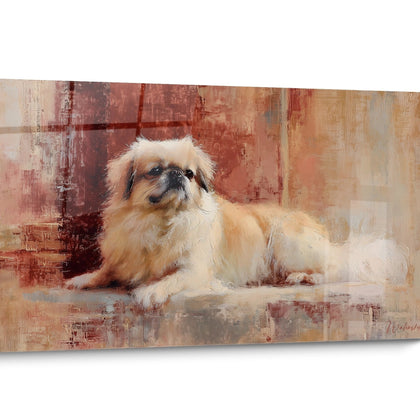
 Reclining Pekinese Painting in Ochre and Rust Tones - Golden Quietude - Pekinese Edition273,90 €
 Multicolor Canine Portrait Painting in Violet and Golden Tones - Chromatic Explosion - Pekingese Edition273,90 €
 Pekingese Golden Coat in Luminous Canyon - Solar Splendor - Pekingese Edition273,90 €
 Pekingese Painting with Golden Tones on Abstract Background - Contemplative Portrait - Pekingese Edition273,90 €
 Pekingese Painting with Golden Eyes on Multicolor Background - Color Explosion - Pekingese Edition273,90 €
 White Long-Haired Dog in Geometric Decor Painting - Silky Elegance - Pekingese Edition273,90 €
 Rainbow-Colored Dog Painting Expressive Gaze - Colorful Portrait - Pekingese Edition273,90 €
 Pekingese Rainbow Light Painting - Chromatic Explosion - Pekingese Edition273,90 €
 Dog Portrait Painting with Expressive Eyes - Touching Gaze - Pekingese Edition228,90 €


All about Modern Pekingese Dog Wall Art
- Modern Pekingese Dog Painting Presentation
- Contemporary Decoration
- Design Atmospheres
- Architectural Integration
The Modern Pekingese Dog painting revisits imperial canine iconography with a contemporary graphic approach. This large-format representation of the Chinese lion-dog combines cultural heritage with visual minimalism to transform your residential or professional space. Clean lines and a controlled color palette create immediate visual impact that dialogues with current interior architecture. This type of wall decoration particularly appeals to sophisticated animal art enthusiasts seeking an alternative to classical representations. The imposing format instantly captures attention while preserving the discreet elegance characteristic of modern design.
The Excellence of Modern Pekingese Dog Painting in Contemporary Interiors
The Modern Pekingese Dog painting establishes itself as a central element in minimalist spaces where each decorative piece must justify its presence. This monumental artwork instantly transforms a refined living room into a personal gallery, creating the focal point essential to interior architects. The recognizable Pekingese silhouette, treated with graphic planes and marked contrasts, dialogues perfectly with Scandinavian furniture, industrial lighting fixtures, and contemporary metal structures.
How does this painting transform a high-end residential space?
In urban lofts and penthouses, this type of animal representation brings the necessary touch of humanity to imposing volumes. The visual properties of the Pekingese - its majestic mane, piercing gaze, noble posture - lend themselves remarkably to geometric interpretations. Designers favor these monumental formats to visually structure spaces of 40m² and larger, creating distinct visual reading zones without physical partitioning.
Chromatic harmony with current architectural trends
The monochromatic black and white ranges of the Modern Pekingese Dog painting integrate naturally into architectural projects privileging polished concrete, brushed steel, and glass surfaces. For a warmer approach, versions in tones such as the Golden Pekingese Dog Painting introduce sophistication and visual richness to neutral environments. This chromatic versatility allows adapting the artwork according to trend evolution without compromising overall aesthetic coherence.
Monumental dimensions and psychological impact
Generous formats create an almost tangible animal presence that humanizes premium commercial spaces - luxury boutiques, law offices, automotive showrooms. The Pekingese, historically associated with Chinese nobility, instantly conveys values of refinement and exclusivity. This cultural symbolism reinforces the high-end positioning of a professional space while maintaining emotional accessibility that pure abstractions do not allow.
Creating Distinctive Atmospheres with Modern Pekingese
What specific ambiances does this painting generate in different contexts?
The Modern Pekingese Dog painting excels in environments requiring simultaneous sophistication and conviviality. Premium coworking spaces adopt it to counterbalance the technological coldness of open plans, while boutique hotels use it to create a memorable visual signature. In private residences, it transforms a home office into a professional sanctuary where Oriental tradition and Western efficiency meet harmoniously.
Space designers in wellness environments - urban spas, meditation centers, premium yoga studios - discover in this canine iconography an appeasing symbolism alternative to conventional zen motifs. The serene gaze of the stylized Pekingese invites contemplation without shifting into explicit spiritual imagery, thus preserving the cultural neutrality appreciated by international clientele.
Visual programming of exclusive commercial environments
Lifestyle concept stores privilege this type of work for its ability to tell a brand story without verbiage. The modern Pekingese simultaneously conveys millennial heritage and contemporary innovation - exactly the positioning sought by aspirational brands. This temporal duality works particularly well in ethical fashion, premium cosmetics, and design furniture sectors.
Decorative synergies with contemporary materials
The association of the Modern Pekingese Dog painting with technical textiles - performance velvet, stain-resistant linens, architectural wools - creates tactile contrasts enriching the overall sensory experience. Interior architects exploit these juxtapositions to avoid the flatness of overly refined spaces. A charcoal modular sofa, a black-veined marble coffee table, and this monumental painting compose a decorative trilogy avoiding any superfluous accessory.
In residential entryway halls, this artwork advantageously replaces oversized mirrors or floral arrangements, offering visually distinctive welcome that immediately impresses visitors. High-end real estate developers now integrate it into model apartments to instantly communicate the project's standing.
Strategic Architectural Integration of Graphic Pekingese
Spatial optimization in atypical volumes
The Modern Pekingese Dog painting brilliantly resolves challenges posed by unconventional architectures - sloped attic walls, cathedral gables, spaces under mezzanines. Its centered composition and single subject allow perfect legibility even from oblique viewpoints, unlike multi-element compositions that visually distort. Renovators of industrial buildings adopt it to humanize intimidating ceiling heights of converted former factories.
In monumental staircases and glass elevator shafts of contemporary buildings, this animal representation creates moments of appreciated visual pause for residents. The vertical format of the seated Pekingese naturally dialogues with architectural elevation, visually accompanying upward movement without creating compositional tension.
Can you use this painting to visually restructure an open space?
Absolutely. Architects strategically use these monumental works as visual separators in open layouts. Positioned on a wall perpendicular to main circulation, the Modern Pekingese Dog painting psychologically delimits zones - dining space versus living area, work corner versus relaxation - without obstructing luminosity or compromising spatial fluidity. This structuring function justifies the investment even in minimalist environments typically reluctant toward wall decoration.
Dialogue with integrated architectural lighting
Track lighting systems and adjustable spotlights transform this painting into a quasi-scenographic installation. Grazing light accentuates potential textured reliefs of the surface, while diffuse frontal lighting creates an almost floating presence particularly spectacular in the evening. Home automation specialists now program lighting scenarios where intensity varies according to time of day, making the painting a dynamic element of overall ambiance.
Which professional spaces benefit most from a Modern Pekingese Dog painting?
Specialized veterinary clinics, premium pet stores, and clinics dedicated to companion breeds find in this iconography obvious and engaging signage. Waiting rooms decorated this way reduce owner anxiety while affirming the establishment's expertise regarding heritage breeds. Contemporary animal art galleries display it as eye-catching artwork in their storefronts, knowing the Pekingese immediately attracts passersby thanks to its distinctive silhouette.
How does this painting integrate into an existing art collection?
It functions remarkably as a stylistic bridge between classical figurative art and contemporary abstraction. Collectors associate it with large-format animal photography, minimalist sculptures, or old Japanese engravings, creating visual dialogues transcending eras. Its thematic neutrality - neither human portrait nor landscape - allows it to coexist with works of varied subjects without creating narrative cacophony.
What is the visual durability of a Modern Pekingese Dog painting?
Unlike ephemeral trend motifs, animal representation transcends decades without appearing dated. The Pekingese, a millennial breed, possesses cultural timelessness that modern interpretations preserve. Owners observe this artwork maintaining its aesthetic relevance despite multiple successive decorative reconfigurations, justifying initial investment through amortization over at least fifteen to twenty years.
L'art qui suscite l'envie
Maison belge d'art mural grand format
14 jourspour changer d'avis*
Protection Walenskyincluse
Fabriquéen Italie
FormatXXL
Kit de fixationtoujours fourni
* Hors tableaux personnalisés et tailles personnalisées


