


Golden Zen Buddha Wall Art
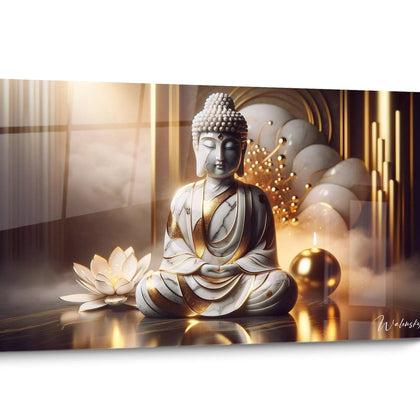
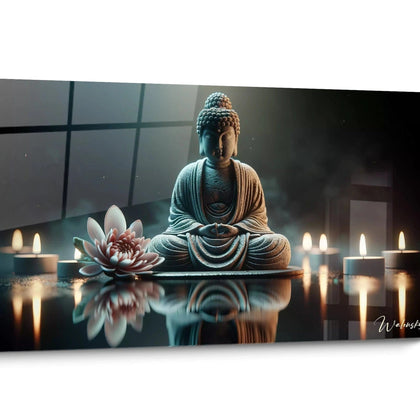
The Golden Zen Artwork Buddha embodies serenity and spiritual harmony in your living space. This collection celebrates Buddhist art with refined golden hues that bring warmth and elegance. Perfect for creating a zen and meditative atmosphere, each piece invites contemplation and well-being. Ideal for a decor spiritual soothing
 Marbled Peace Wall Art - Zen Edition273,90 €
 Golden Silence Wall Art - Zen Buddha Edition273,90 €
 The Grace of Silence - Zen Buddha Edition273,90 €
 Radiance of Wisdom Wall Art - Zen Buddha Edition273,90 €
 Heart of Dharma Wall Art - Buddha Zen Edition273,90 €
 Peaceful Meditation Painting - Zen Edition273,90 €
 Inner Awakening Wall Art - Zen Edition273,90 €
Explore further
In Golden Zen Buddha Wall Art
All about Golden Zen Buddha Wall Art
- Golden Buddha Zen Painting Presentation
- Symbolism and Spirituality
- Decorative Integration
- Benefits and Placement
The golden Buddha zen painting represents a harmonious fusion between Buddhist spiritual art and refined contemporary aesthetics. This large-scale wall art embodies the quest for inner serenity while bringing a luxurious touch through its luminous golden accents. Designed to transform your meditation space, living room or bedroom into a personal sanctuary, this painting combines sacred representation with minimalist design to create an atmosphere conducive to contemplation and spiritual elevation.
The Golden Symbolism of Buddha in Zen Wall Art
The golden Buddha zen painting transcends mere wall decoration to become a genuine support for daily spiritual practice. The golden representation of the historical Buddha traditionally evokes spiritual illumination, awakened consciousness and transcendental purity in Asian Buddhist iconography. The gold nuances used in these wall compositions are not insignificant: they symbolize the light of wisdom that dispels the darkness of ignorance, a fundamental concept in Dharma teachings.
Why does gold amplify the meditative dimension of Buddha?
In Buddhist sacred art, the use of gold creates a visual bridge between the material and the spiritual. When natural or artificial light in your room interacts with the golden elements of the painting, it generates changing reflections that symbolize impermanence while maintaining a constant and soothing presence. This luminous dynamic promotes meditative concentration and naturally draws the gaze toward the center of contemplation represented by the meditating or teaching Buddha figure.
The different representations of Buddha in golden zen aesthetics
The golden Buddha zen painting comes in several significant iconographies. The historical Buddha's posture in deep meditation (Dhyana Mudra) with hands resting one upon the other symbolizes perfect mental tranquility. Other compositions present Buddha touching the earth (Bhumisparsha Mudra), the gesture representing the moment of his awakening beneath the Bodhi tree. For your golden zen painting, choose a representation aligned with your personal spiritual intention: inner peace, awakening, or universal compassion.
The influence of zen minimalism on contemporary golden Buddhist art
Unlike traditional complex and ornate representations, the modern golden Buddha zen painting adopts a minimalist approach characteristic of Japanese wabi-sabi aesthetics. Refined backgrounds in neutral tones - pearl gray, off-white, deep black - allow the golden Buddha silhouette to stand out with maximum visual intensity. This deliberate simplicity facilitates what zen practitioners call "empty mental space", an essential condition for authentic meditation and mindfulness in daily life.
Creating a Meditation Space with a Golden Buddha Zen Painting
How to position your painting to maximize its spiritual impact?
The placement of your golden Buddha zen painting directly determines its effectiveness as a meditation focal point. In a yoga studio or spiritual practice space, position it facing your meditation zafu cushion, at eye level when seated in lotus position. This configuration allows natural visual contact during guided meditation or silent contemplation. For large wall formats, ensure a minimum distance of two to three meters allows an overall view without eye strain, thus promoting the retinal relaxation essential to deep relaxation.
The association of golden Buddha painting with zen interior architecture
The golden Buddha zen painting integrates harmoniously into a design approach inspired by feng shui principles and Japanese zen architecture. Combine it with raw natural materials like bamboo, driftwood or natural stone to strengthen the connection with earthly elements. The large dimensions of these wall artworks allow them to visually dialogue with typically Asian low furniture, creating a soothing horizontal perspective that naturally slows heart rate and promotes mental grounding. Avoid decorative clutter in the immediate environment of the painting to preserve its function as visual refuge.
Which complementary decorative elements enhance a golden Buddha painting?
To amplify the spiritual resonance of your golden Buddha zen painting, integrate traditional ritual elements into the surrounding spatial composition. A Tibetan bronze singing bowl placed on an adjacent shelf creates a sensory link between visual and auditory. Beeswax candles positioned at safe distance generate living light that subtly animates the painting's golden reflections during evening meditation sessions. Air-purifying plants like sansevieria or pothos bring living vegetation presence that harmoniously contrasts with the pictorial representation, symbolizing balance between contemplative stillness and organic growth.
Adapt ambient lighting to enhance golden accents
Lighting is a crucial technical parameter for fully revealing the beauty of your golden Buddha zen painting. Indirect light sources with warm color temperature (2700-3000 Kelvin) make golden pigments vibrate without creating dazzling reflections that would disrupt contemplation. Dimmable lighting allows you to adjust intensity according to time of day: soft light at sunrise for morning meditation, reduced intensity in evening to facilitate transition to nocturnal calm. Absolutely avoid direct sunlight exposure which progressively alters pigments and creates visually aggressive over-brightness areas.
The Psychological Benefits of a Golden Buddha Zen Painting in Your Daily Life
The visual impact of golden Buddha on emotional regulation
The permanent presence of a golden Buddha zen painting in your daily environment acts as a constant visual reminder of Buddhist principles of mindfulness and equanimity. Environmental psychology research demonstrates that representations of meditative states influence our own mental state through limbic resonance phenomenon. When you observe the serenity sculpted in Buddha's face, your mirror neurons activate and progressively induce facial muscle relaxation similar to his own, the first step toward complete systemic relaxation. This neurological process explains why a simple morning glance at your golden Buddha zen painting can positively transform the emotional tone of your entire day.
How does this painting facilitate establishing a meditation routine?
One of the major challenges in meditation practice lies in regularity and discipline. The golden Buddha zen painting functions as a spatial anchor that materializes your spiritual commitment. By creating a meditation corner visually defined around this monumental artwork, you establish a psychological threshold between the profane space of daily life and the sacred space of inner practice. This spatial delineation activates what neuroscience calls "contextual conditioning": your brain progressively associates this specific visual environment with the meditative calm state, thus facilitating rapid entry into deep meditation even after only a few weeks of regular practice.
Golden symbolism as a bridge toward spiritual aspiration
Beyond its refined aesthetics, the gold of the Buddha painting conveys an aspirational dimension essential to spiritual progression. In Buddhist tradition, gold represents the ultimate qualities cultivated by the practitioner: unlimited compassion, transcendent wisdom, unshakeable patience. Each contemplation of your golden Buddha zen painting subtly revives these profound aspirations, reconnecting you to your highest intentions even during the most materialistic or stressful days. This reminder function constitutes a powerful psychological tool for maintaining alignment between your spiritual values and daily actions, thus reducing cognitive dissonance that generates existential anxiety.
Optimal positioning according to feng shui life zones
According to Buddhist feng shui principles, the placement of your golden Buddha zen painting directly influences the energy flows of your home. The northeast zone of your space traditionally represents spirituality and knowledge - an ideal location for this sacred artwork. Alternatively, the east sector symbolizes health and family, also benefiting from the soothing presence of the golden Buddha. Absolutely avoid positioning the painting facing an entry door or in a high-traffic hallway, as constant movement disturbs contemplative energy. Bedrooms constitute excellent placements, with the Buddha's nocturnal presence promoting lucid dreams and deep restorative sleep.
Where to place a golden Buddha zen painting to promote daily meditation?
The best location is in a calm area with indirect natural light, facing your practice space, at eye level when seated, thus creating a natural focal point for concentration meditation without effort.
Does a golden Buddha zen painting suit all interior styles?
Absolutely. Thanks to its minimalist aesthetics and timeless golden tones, it integrates equally well in refined contemporary décor, ethnic interiors, bohemian or even industrial settings, bringing a touch of universal spiritual sophistication.
What size golden Buddha zen painting to choose for optimal impact?
For meditation spaces or living rooms, favor large formats (minimum 80x120 cm) that create sufficiently imposing visual presence to serve as effective contemplative focal point without requiring additional concentration effort.
Further reading
Our articles on this topic
- Therapeutic and Relaxing Art: Calm and Wellbeing Through Decoration
- Choosing a Calming Artwork: When Art Becomes a Visual Sanctuary
- How to Choose a Zen Artwork That Truly Promotes Relaxation?
- How to Recognize a Genuine Japanese-Inspired Zen Artwork?
- Wall Art and Spirituality: How to Choose an Image That Elevates Your Energy?


