


Abstract Scraped Style Painting
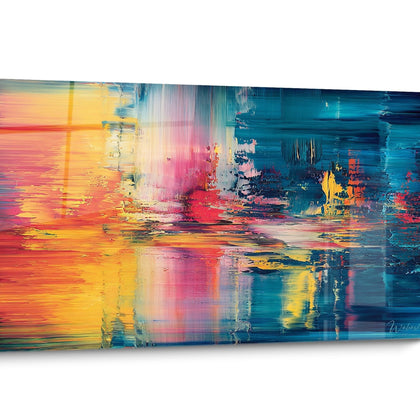
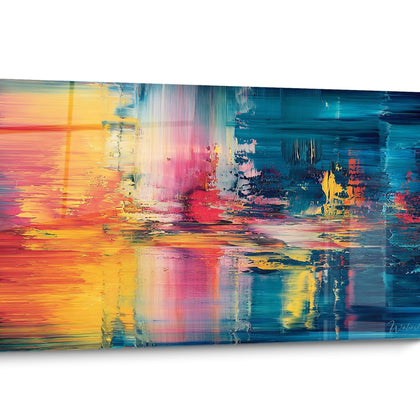
The Scraped abstract style Painting Horizon celebrates the art of matter and movement. This collection explores textured abstract horizons where each scrape creates poetic layers and captivating reliefs. Shades intertwine to evoke imaginary landscapes, infinite skies, and contemplative expanses. Perfect for lovers of scraped minimalist contemporary art, this series brings depth and sophistication to your decoration. Transform your walls into a modern art gallery.
 Abstract landscape painting - Vibrant Horizon - scraped abstract style edition242,90 €
 Digital glitch effect painting - Digital Horizon - scraped abstract style edition228,90 €
 Colorful abstract painting - Vibrant horizon - scraped abstract style edition228,90 €
Explore further
In Abstract Scraped Style Painting


All about Abstract Scraped Style Painting
- Painting Presentation Horizon Scraped
- Scraped Horizon Style for Contemporary Spaces
- Chromatic Composition and Textures Horizon
- Architectural Integration Panoramic Format
The painting abstract scraped style Horizon reinvents the notion of the horizon line in contemporary wall art thanks to a unique gestural technique. This panoramic creation captures the essence of purified landscapes where sky and earth meet, enhanced by a scraping technique with a palette knife that generates organic chromatic transitions and captivating reliefs. Designed for large architectural spaces, this elongated horizontal format transforms walls into true contemplative windows.
The Scraped Horizon Aesthetic in Residential and Professional Spaces
The abstract painting in scraped style Horizon is an ideal decorative solution for spaces requiring a horizontal visual amplitude. Interior architects utilize this panoramic format in extended entrance halls, above corner sofas, or along the main corridors of executive offices. The scraping technique generates horizontal strata that naturally complement contemporary architecture, creating a fluid dialogue between the artwork and its built environment.
Why Choose a Scraped Panoramic Format for Your Main Wall?
The elongated proportions of the Horizon Scraped painting respond to the decorative challenges of wide but low-ceiling walls, which are common in modern constructions. This extended composition avoids the overwhelming effect of multiple small aligned artworks while preserving spatial harmony. The horizontal gesture of scraping visually amplifies the width of the room, an asset sought after in reception areas and strategic meeting rooms.
Hanging Strategies to Maximize the Panoramic Effect
The installation of a scraped painting Horizon of large dimension requires a calibrated approach to preserve its visual impact. Positioned at eye level when seated, it becomes the ideal focal point in contemporary lounge areas and dining rooms. Experts recommend a visual distance of at least three meters to fully appreciate the chromatic nuances generated by the scraping technique, where each pass of the palette knife reveals subtle pigment layers.
Furniture Associations with Horizontal Scraped Compositions
The Horizon abstract painting particularly harmonizes with low and elongated furniture: Scandinavian consoles, refined buffets, or minimalist headboards. This formal synergy creates a sought-after aesthetic continuity in high-end interior design projects. Designers also prefer its installation above linear elements such as integrated bioethanol fireplaces or suspended storage, reinforcing the horizontal dynamics of the space.
Chromatic Palette and Textured Relief of the Horizon Scraped Painting
The specificity of the abstract painting scraped style Horizon lies in its chromatic stratification evoking natural atmospheric transitions. Contemporary artists superimpose complementary tones – deep ochres meeting celestial grays, or nocturnal blues merging with earthy beiges – before applying the scraping technique, which reveals these successive layers. This method generates organic gradients impossible to reproduce with traditional techniques.
How Does the Scraped Technique Sublime Horizon Transitions?
The painting brush, slid horizontally across the pigmented surface, partially tears away the upper layers to reveal the underlying strata. This process creates zones of variable transparency where colors blend in an unpredictable way, mimicking the optical phenomena observed during sunrises or sunsets. Collectors particularly appreciate these controlled accidents that give each piece a formal uniqueness.
Play of light on panoramic scraped surfaces
The reliefs generated by scraping transform the Horizon painting into a dynamic surface that evolves according to the light orientation. In lateral lighting, the pigment crests project micro-shadows revealing the gestural depth, while front lighting unifies the composition by favoring chromatic harmonies. This optical versatility explains the enthusiasm of decorators for spaces with variable luminosity such as living rooms with cross-lighting.
Comparison with scraped aquatic techniques
Unlike the scraped Aquatique style abstract painting which favors turbulence and fluid movements, the Horizon composition maintains a soothing horizontal stability. Earthy and atmospheric tones replace the deep blues and emerald greens characteristic of aquatic interpretations. This distinction allows buyers to select the desired atmosphere: contemplative serenity for the Horizon, fluid energy for the Aquatique.
Architectural integration of large-format Horizon scrapes
Acquiring a scraped Horizon style abstract painting of large dimension radically transforms the volumetric perception of a space. Architects now integrate these panoramic compositions from the design phase, considering the artwork as a structural element rather than a simple decorative accessory. Formats exceeding two meters in length create particularly sought-after visual escapes in converted industrial lofts and urban penthouses.
Which professional spaces benefit most from Horizon compositions?
Boardrooms, premium coworking spaces, and specialized medical practices are massively adopting these panoramic formats for their ability to create an atmosphere that is both professional and soothing. The scraped painting Horizon behind a director's desk projects an image of stability and strategic vision, while in waiting areas, it offers a contemplative focal point reducing the perception of waiting.
Coordination with contemporary bioclimatic architecture
Architectural projects integrating large windows facing natural landscapes find in the scraped Horizon painting a coherent aesthetic extension. Installed on the wall perpendicular to the openings, it creates a visual dialogue between the exterior real horizon and its abstract reinterpretation. This resonance is particularly sought after in coastal residences, mountain chalets, and contemporary rural villas.
Real estate valuation through strategic wall art
High-end real estate developers now integrate scraped Horizon paintings into demonstration apartments to demonstrate the decorative potential of volumes. This artistic home staging strategy accelerates purchasing decisions by allowing visitors to immediately project their lives into the space. Statistics show an increase of 12 to 18% in perceived valuation when an adequate-sized artwork adorns the main walls.
Is the scraped Horizon style abstract painting suitable for low ceilings?
Absolutely. The horizontal panoramic format of the Horizon scraped painting visually compensates for ceilings with limited height by directing the gaze laterally rather than vertically. This compositional strategy perceptually expands the space, a decorative solution favored in contemporary urban apartments and renovations of old buildings.
What is the minimum distance to maintain to appreciate a large Horizon scraped painting?
Experts recommend an observation distance equivalent to 1.5 times the width of the painting to grasp the entire composition while perceiving the textured subtleties of the scraping. For a 200 centimeter format, ideally allow a distance of three meters, making this work particularly suitable for spacious living spaces and generous circulation areas.
How to maintain the scraped surface of a large-scale abstract Horizon painting?
The scraped texture requires delicate dusting with an anti-static microfiber duster, avoiding any damp contact that could alter the pigments. An annual inspection of the reliefs allows to detect any sags due to hygrometry, particularly in second homes subject to significant climatic variations. Informed collectors prefer a climate stabilization between 18 and 22 degrees.
L'art qui suscite l'envie
Maison belge d'art mural grand format
14 jourspour changer d'avis*
Protection Walenskyincluse
Fabriquéen Italie
FormatXXL
Kit de fixationtoujours fourni
* Hors tableaux personnalisés et tailles personnalisées


