


Abstract Dancer Wall Art
Immerse yourself in the world of abstract dancer wall art where the energy of movement and artistic grace come together. These artworks capture the essence of motion through abstract forms, creating a dynamic and elegant atmosphere. Perfect for transforming your spaces into vibrant and inspiring places, these creations showcase abstraction and the poetry of artistic movement.
 Dance Fire Liberation Red Wall Art - Dancer Abstract Edition273,90 €
 Painting Ballerina Black and White Splashes Pink - Explosive Flight - Ballerina Edition273,90 €
 Painting Purple and Black Dress with Wide Orange Splashes - Orange Orchid on the Shoulder - Dancer Edition273,90 €
 Painting Ballerina in Black and White Dress - Graceful Flight - Ballerina Edition273,90 €
 Painting Purple and Orange Silhouette in Motion - Suspended Momentum - Dancer Edition273,90 €
 Painting Woman with Blue Hat and Golden Bird - Wild Complicity - Dancer Edition273,90 €
 Painting Suspended Orchids in Blue and Orange Tones - Almond Green Background - Danseuse Edition242,90 €
 Painting Dancer with Purple and Orange Veil - Flaming Impulse - Dancer Edition242,90 €
 Painting Ballerina in Pink and Turquoise Explosion - Choreographic Explosion - Ballerina Edition273,90 €
 Painting Ballerina in Pink and Yellow Arabesque Splattered with Paint - Pointe Shoes on Grey Background - Dancer Edition273,90 €
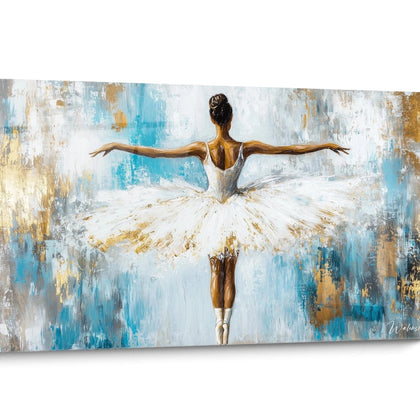
 Painting Ivory and Gold Gown with Unfurled Waves - Arm Reached Towards the Sky - Dancer Edition273,90 €
 Painting Golden Dancers in a Swirling Dress - Golden Waltz - Dancer Edition273,90 €
 Painting Dancer in a Gold and White Dress - Golden Whirlwind - Dancer Edition273,90 €
 Wall Art Flowing Dress with Magenta and Orange Tones Featuring Hanging Orchids - Black Spiral Strokes - Dancer Edition273,90 €
 Painting Ballerina in a Black and White Swirling Dress - Whirlwind of Grace - Ballerina Edition273,90 €
 Painting Black Dress with Green and Orange Highlights - Loose Black Hair - Dancer Edition273,90 €
 Painting Violet and Orange Dancer in Motion - Flaming Whirlwind - Dancer Edition273,90 €
 Painting Dancer in Golden and White Dress - Golden Flight - Dancer Edition273,90 €
 Painting Woman with Blue Hat and Shattered Dress - Whirlwind of Matter - Dancer Edition273,90 €
 Ballet Dancer in Pink and Yellow Arabesque Painting - Released Momentum - Ballerina Edition228,90 €
 Painting Golden Dancer with Ivory Sails - Suspended Flight - Dancer Edition228,90 €
 Painting Dancer Purple Dress Orange Whirlwind - Flamenco Whirlwind - Dancer Edition228,90 €
 Painting Dancer in a Black and White Dress Whirlwind - Final Whirl - Dancer Edition228,90 €
 Painting Ballerina in Vibrant Purple and Orange Dress - Dancing Whirlwind - Ballerina Edition228,90 €
In the same family
Also explore the theme Abstract
-
 View all4182
artworks
View all4182
artworks
-
 Abstract123
artworks
Abstract123
artworks
-
 Colorful Abstract153
artworks
Colorful Abstract153
artworks
-
 Blue marble abstract7
artworks
Blue marble abstract7
artworks
-
 Black and Gold Abstract10
artworks
Black and Gold Abstract10
artworks
-
 Abstract Scraped Style9
artworks
Abstract Scraped Style9
artworks
-
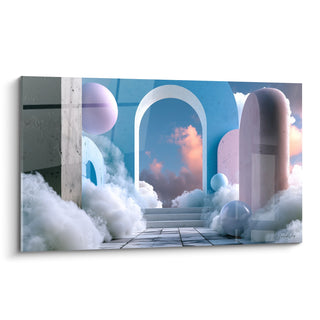 Abstract Architecture517
artworks
Abstract Architecture517
artworks
-
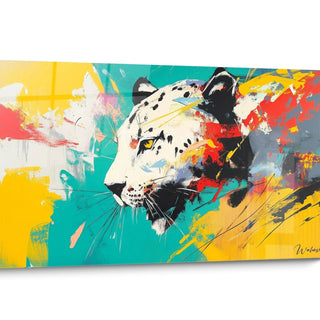 Abstract Artistic319
artworks
Abstract Artistic319
artworks
-
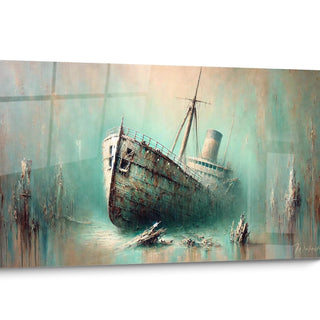 Abstract Boat228
artworks
Abstract Boat228
artworks
-
 Abstract Seaside39
artworks
Abstract Seaside39
artworks
-
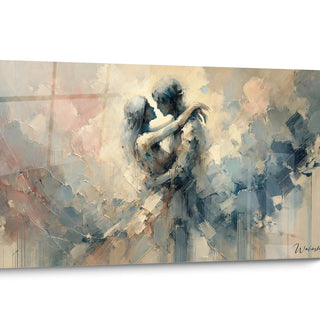 Abstract Body73
artworks
Abstract Body73
artworks
-
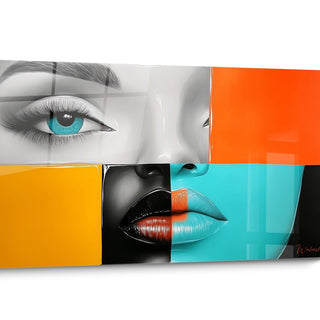 Abstract Figurative23
artworks
Abstract Figurative23
artworks
-
 Abstract Flower90
artworks
Abstract Flower90
artworks
-
 Geometric392
artworks
Geometric392
artworks
-
 Abstract Marble169
artworks
Abstract Marble169
artworks
-
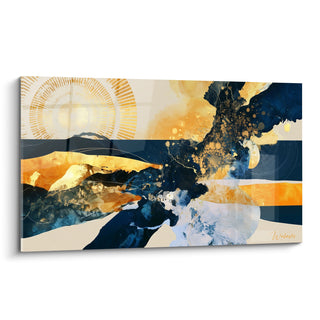 Modern Abstract106
artworks
Modern Abstract106
artworks
-
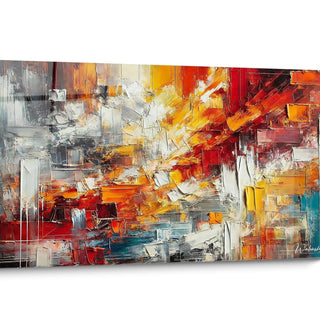 Contemporary Multicolour36
artworks
Contemporary Multicolour36
artworks
-
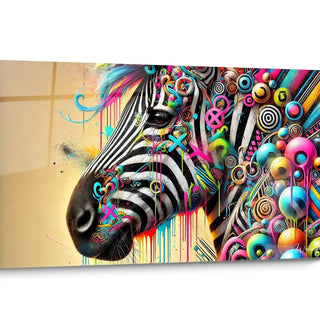 Multicolor Abstract224
artworks
Multicolor Abstract224
artworks
-
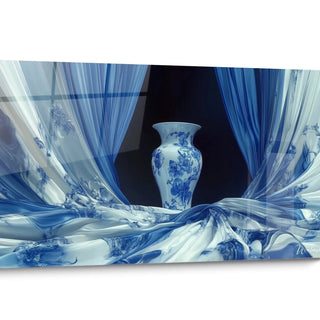 Abstract Still Life9
artworks
Abstract Still Life9
artworks
-
 Painting (style)638
artworks
Painting (style)638
artworks
-
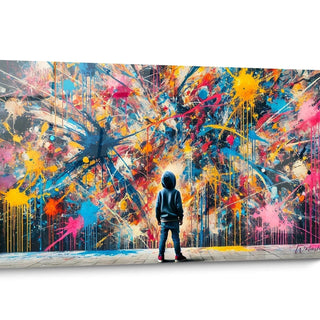 Abstract Pop Art5
artworks
Abstract Pop Art5
artworks
-
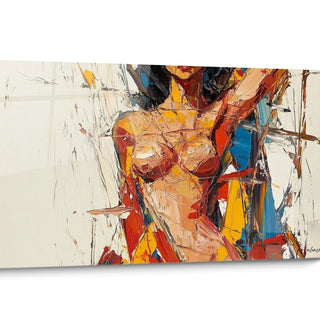 Sensual Abstract16
artworks
Sensual Abstract16
artworks
-
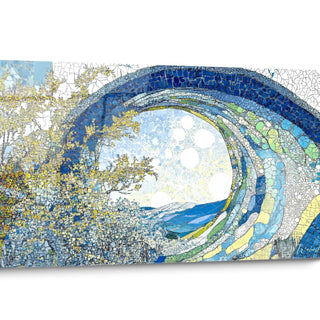 Abstract Spirals141
artworks
Abstract Spirals141
artworks
-
 Textured Abstract39
artworks
Textured Abstract39
artworks
-
 Abstract Face508
artworks
Abstract Face508
artworks


All about Abstract Dancer Wall Art
- Abstract Dancer Paintings Presentation
- Abstract Dancer Paintings Expressive Movement
- Abstract Dancer Paintings Contemporary Decoration
- Abstract Dancer Paintings Artistic Symbolism
Abstract dancer paintings represent a captivating fusion between the elegance of dance movement and the expressivity of abstract art. These majestic artworks capture the dynamic essence of dance while freeing themselves from the constraints of traditional figurative representation. Perfect for contemporary art enthusiasts, these abstract paintings bring a sophisticated artistic dimension to your interior.
The unique appeal of abstract dancer paintings lies in their ability to evoke simultaneously movement, emotion, and visual musicality. Unlike classical representations of dancers, the abstract approach allows capturing the energy and fluidity of dance rather than simply its form. These works thus become masterpieces in a living space, creating a focal point that invites contemplation and personal interpretation.
By exploring our different sections, you will discover the multiple facets of abstract dancer paintings: their dynamic expressivity, their place in contemporary decoration, and their rich artistic symbolism. Whether you are a passionate collector, art enthusiast, or simply looking for a distinctive decorative piece for your interior, our abstract dancer paintings offer an artistic presence that transforms the atmosphere of any room.
Abstract Dancer Paintings: The Expressivity of Captured Movement
Abstract dancer paintings distinguish themselves through their unique ability to capture the very essence of danced movement. Unlike traditional figurative representations, these works translate the kinetic energy and fluidity of dance through dynamic abstract forms. This approach allows expressing the sensation of movement rather than simply the appearance of a dancer, creating an immersive and evocative visual experience.
How do abstract dancer paintings capture bodily dynamics?
The strength of abstract dancer paintings lies in their representation of the energetic flow that animates the moving body. Artists use sinuous lines, graceful curves, and evanescent forms to evoke the trajectories of the dancing body in space. These works manage to capture not only the frozen instant but also the succession of movements, as if multiple moments were superimposed on the same surface.
Abstraction also allows representing muscular tension and the paradoxical lightness of dance. Chromatic contrasts and texture variations create zones of visual tension that evoke physical effort, while more ethereal touches suggest the momentary weightlessness of a jump or pirouette. This characteristic duality of dance finds perfect expression in abstract language.
The visual translation of rhythm and musicality
A fascinating aspect of abstract dancer paintings is their ability to make visible the musical element that accompanies dance. Through rhythmic compositions, pattern repetitions, and intensity variations, these works manage to evoke the tempos, measures, and cadences that guide danced movement.
Artists often create visual structures that resonate with specific musical forms: fluid lines for legato movements, fragmented shapes for staccatos, spirals for whirling waltzes. This visual-auditory synesthesia makes abstract dancer paintings particularly immersive works that engage multiple senses simultaneously.
- Movement interpretation through dynamic and fluid lines
- Representation of spatial trajectories of dance
- Visual evocation of rhythm and musicality
- Capture of the instant and continuous movement
What is the difference between abstract and figurative representation of dance?
While figurative art focuses on faithful representation of the physical appearance of the dancer, the abstract approach privileges the emotional and energetic essence of dance. This fundamental distinction allows abstract dancer paintings to express dimensions of the danced experience inaccessible to purely mimetic representation.
Abstract representation also frees the artist from anatomical constraints, allowing expressive exaggerations that amplify the emotional impact of movement. Impossible elongations, significant distortions, and formal metamorphoses become tools to communicate the intensity of the danced experience beyond its appearances.
The influence of different dance techniques on the expressivity of paintings
Abstract dancer paintings often reflect the distinctive characteristics of different dance disciplines. Some works clearly evoke the architectural rigor of classical ballet through structured compositions and precise lines, while others capture the expressive abandonment of contemporary dance through freer and more organic forms.
Flamenco dance inspires paintings with dramatic contrasts and pronounced visual tensions, while traditional African dances translate into powerful visual rhythms and grounded compositions. These diverse influences enrich the visual language of abstract dancer paintings, creating a fascinating dialogue between choreographic traditions and pictorial expression.
Ultimately, abstract dancer paintings offer a unique visual experience where the energy of danced movement transcends simple representation to reach a universal expressive dimension. Their ability to simultaneously capture physical dynamism, emotion, and musicality makes them particularly rich and evocative works, capable of profoundly transforming the atmosphere of a living space.
Abstract Dancer Paintings: Space-Transforming Decorative Elements
Abstract dancer paintings represent much more than simple decorative elements; they constitute genuine atmosphere transformers capable of completely redefining the identity of a space. These dynamic works introduce a quality of movement into static environments, creating stimulating visual tension that animates contemporary interiors with distinctive energy.
The architectural impact of abstract dancer paintings in large spaces
In spaces with generous volumes such as lofts or high-ceiling entrances, large-format abstract dancer paintings play a substantial architectural role. Their dynamic compositions create visual axes that can redefine spatial perception, suggesting movement and fluidity in otherwise rigid structures. The verticality often present in these representations echoes the elevation of the dancer, visually accentuating the height of the space.
A particularly interesting characteristic of these works is their ability to introduce a temporal dimension into spatial experience. The fixed but suggested movement of the abstract dancer invites the observer to mentally complete the sequence of movements, transforming the passive experience of a space into a dynamic and imaginative interaction.
How to integrate an abstract dancer painting into different interior styles?
The versatility of abstract dancer paintings allows them to harmonize with a surprisingly diverse range of decorative styles. In a minimalist interior, these works bring an element of movement and emotion that contrasts beautifully with the geometric rigor of the environment. The formal simplicity of many abstract dancer paintings, despite their inherent dynamism, allows them to coexist harmoniously with minimalist aesthetics.
In industrial-style interiors, abstract dancer paintings introduce an organic and fluid counterpoint to raw materials and structural lines. This juxtaposition creates a fascinating dialogue between the constructed and the expressive, between architectural permanence and the ephemeral of danced movement.
Even in more classical or eclectic settings, these works find their place by bringing a touch of contemporaneity without abrupt rupture. Their often-nuanced color palette facilitates their integration into environments with sophisticated tones, where they can serve as a focal point without excessively dominating the overall composition.
- Transformation of spatial perception through suggested movement
- Introduction of dynamic elements into static spaces
- Creation of expressive contrasts with structured decorative styles
- Evocation of temporal dimension in spatial experience
The specific chromatic harmony of abstract dancer artworks
Abstract dancer paintings often present a distinctive chromatic approach that differentiates them from other genres of abstract art. The palette tends to privilege subtle transitions and gradients that evoke the fluid movement and continuous transformation of the dancing body. These progressive nuances create a visual sensation of movement even in the fixed image, amplifying the inherent kinetic impression of the subject.
The hues used frequently reflect the duality between strength and lightness characteristic of dance: earthy and grounded tones to suggest gravity and ground anchorage, contrasting with ethereal and luminous hues evoking elevation and transcendence. This chromatic tension visually translates the fundamental paradox of the dancer who defies gravity while using it as support.
Strategic positioning to maximize visual impact
The placement of an abstract dancer painting in a space requires particular consideration to optimize its expressive impact. Unlike other more static works, these paintings benefit from positioning that allows appreciating their dynamism from different angles and distances. Placement allowing peripheral vision when moving through the room amplifies the sensation of suggested movement.
Transition spaces such as hallways or staircase landings offer particularly appropriate contexts, creating a parallel between the spectator's physical movement and the suggested movement in the work. This synchronicity reinforces the immersive experience and transforms often-neglected zones into moments of artistic engagement.
Abstract dancer paintings thus constitute exceptionally dynamic decorative elements, capable not only of beautifying a space but of fundamentally transforming it by introducing movement, emotion, and temporality. Their active presence transcends simple ornamental function to become an immersive experience that constantly dialogues with the observer and architectural environment.
Abstract Dancer Paintings: Symbolism and Interpretive Depth
Abstract dancer paintings distinguish themselves through their exceptional symbolic richness that far exceeds simple aesthetic representation. These works constitute complex visual metaphors where the figure of the dancer, transformed by abstraction, becomes the bearer of universal meanings related to the human condition. This profound symbolic dimension explains why these paintings resonate so powerfully with observers beyond their immediate decorative value.
The abstract dancer as symbol of liberation and transcendence
At the heart of abstract dancer paintings often lies a visual exploration of transcendence through movement. The dancing figure, freed from the constraints of realistic representation, becomes the incarnation of the human aspiration to surpass physical and existential limitations. The evanescent forms and ascending lines characteristic of these works evoke this elevation visually, creating a contemplative experience that resonates with our own desires for transcendence.
This transcendent dimension is particularly powerful in everyday living spaces, where these paintings introduce a poetic counterpoint to routine and practical constraints. Their presence constantly reminds us of the possibility of transformation and elevation, even within the most ordinary environments, thus creating a subtle but profound dialogue with the space's inhabitant.
How do abstract dancer paintings explore the body-mind duality?
A fascinating characteristic of abstract dancer paintings lies in their ability to visualize the fundamental duality between corporeality and spirituality. Dance itself represents this paradoxical union: the total engagement of the physical body to express intangible emotional and spiritual realities. Abstraction allows accentuating this tension by playing with contrasts between structured elements evoking bodily discipline and freer touches suggesting spiritual abandonment.
In these works, abstract forms often oscillate between density and dissolution, materiality and evanescence, visually reflecting this existential duality. This quality makes them particularly powerful pieces for spaces dedicated to reflection, meditation, or personal development, where they serve as contemplative supports for exploring our own embodied experience.
Personal interpretation as extension of the work
A distinctive characteristic of abstract dancer paintings is their exceptional interpretive openness. Abstraction, in moving away from literal representation, creates a space for projection where the observer becomes co-creator of meaning. This participatory quality transforms the experience of these works into continuous dialogue rather than simple passive observation.
This interactive dimension makes abstract dancer paintings particularly evolving works in a living space. Their meaning can transform over time, reflecting the inner changes of the observer and thus creating a dynamic relationship that constantly renews the experience of the work. Unlike more literal representations that can become familiar to the point of invisibility, these paintings retain their ability to stimulate and surprise.
- Visual exploration of transcendence through movement
- Visualization of the body-mind duality inherent to dance
- Creation of space for projection and personal interpretation
- Evolution of meaning over time and inner states
The unique temporality expressed in abstract dancer paintings
Abstract dancer paintings maintain a particular relationship with time that distinguishes them from other artistic genres. They paradoxically manage to suggest simultaneously the fleeting instant and the continuity of movement, creating complex temporality that transcends the usual distinction between fixed moment and duration.
This unique temporal quality makes them particularly suitable works for our era characterized by acceleration and fragmentation of temporal experience. Their presence in a living space introduces an invitation to a different perception of time, more fluid and integrative, counterbalancing the fragmented temporality of contemporary life.
What emotions do abstract dancer paintings specifically evoke?
Abstract dancer paintings possess a remarkable ability to evoke a particularly rich and nuanced emotional spectrum. The ecstatic joy of liberated movement, the melancholy of the ephemeral, the dramatic tension of precarious balance, or the serenity of perfect grace – these works can visually translate this complex emotional palette often associated with the experience of dance.
How do cultural influences manifest in abstract dancer art?
Dance traditions from different cultures profoundly influence the aesthetics and symbolism of abstract dancer paintings. These influences manifest in visual rhythms, compositional structures, and qualities of suggested movement, creating works that resonate with different cultural sensibilities while maintaining universal language.
Why do abstract dancer paintings create such strong emotional connection?
The unique emotional power of abstract dancer paintings stems from their ability to evoke universal bodily experience while transcending it through abstraction. By simultaneously addressing our kinesthetic memory and visual imagination, these works create a multisensory experience that deeply engages the observer beyond simple aesthetic appreciation.
Ultimately, abstract dancer paintings offer an artistic experience of exceptional richness where aesthetic considerations, emotional resonances, and symbolic depths interweave. Their presence in a space transforms not only the visual environment but also invites continuous contemplative experience that profoundly enriches the daily relationship with inhabited space.
Further reading
Our articles on this topic
- Dancer painting: which style to choose to elevate your interior
- Do fluid abstract artworks create an appropriate visual movement?
- Performance and Abstract Painting: Art in Motion
- Blue African dance painting: calm energy for a modern living room
- Do Fluid Abstract Paintings Suit Meditation Spaces?
- Abstract painting and art movement: what atmosphere for your adult bedroom?
L'art qui suscite l'envie
Maison belge d'art mural grand format
14 jourspour changer d'avis*
Protection Walenskyincluse
Fabriquéen Italie
FormatXXL
Kit de fixationtoujours fourni
* Hors tableaux personnalisés et tailles personnalisées


