



Wall Art for Psychologist's Office Lotus
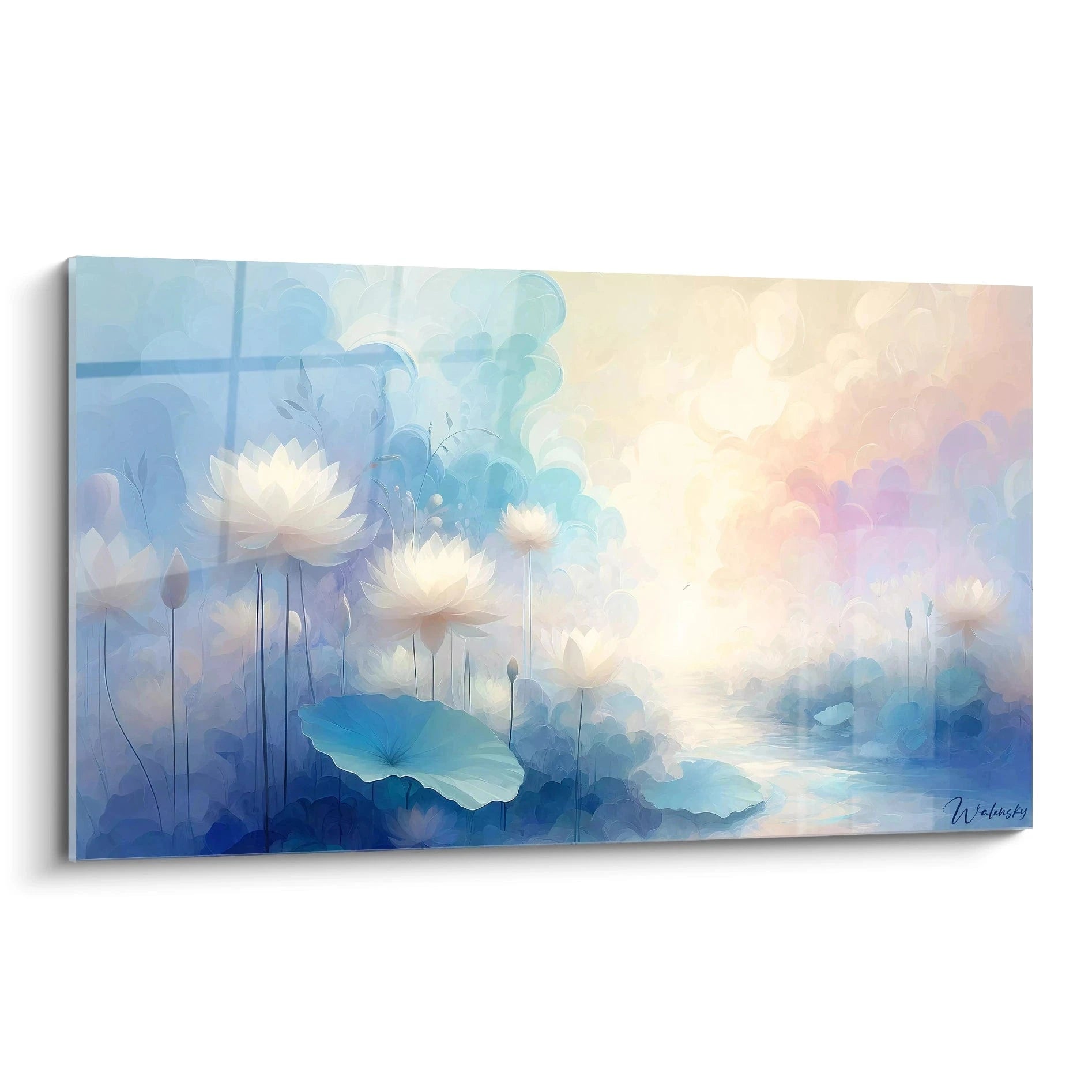
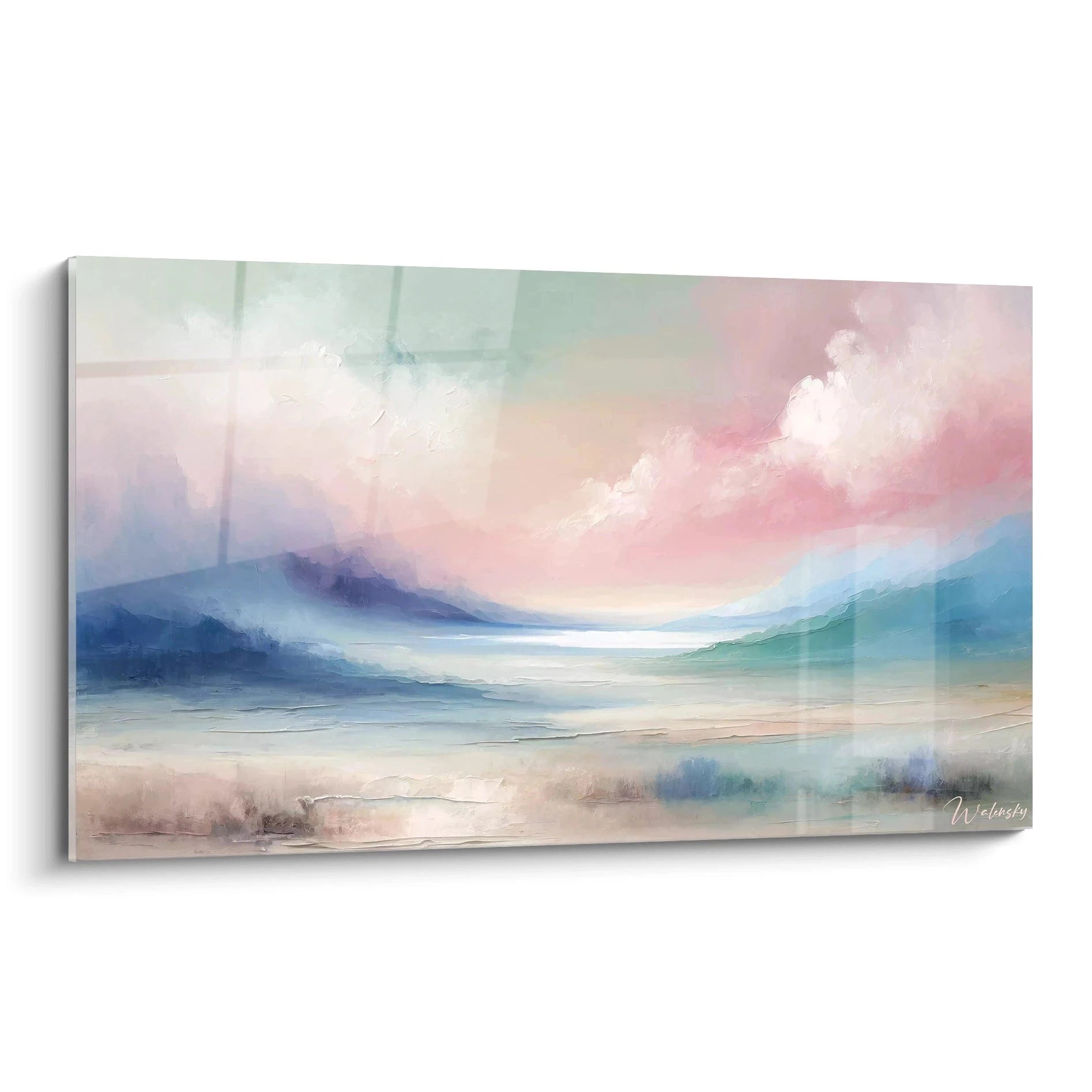
The Painting for psychologist's office Lotus embodies serenity and spiritual rebirth. This collection celebrates the symbolism of the lotus, a sacred flower representing awakening and inner transformation. Perfectly suited for zen therapeutic spaces, each creation diffuses a soothing atmosphere conducive to introspection and dialogue. The soft tones and harmonious compositions promote a soothing consultation environment, helping your patients feel confident and serene.
 Marbled Peace Wall Art - Zen Edition273,90 €
 Painting Inspired by Claude Monet's Water Lilies No. 2 – Tribute to a Renowned Artist273,90 €
 Sacred Purity Wall Art - Zen Lotus Flower Edition273,90 €
 Under the Leaves Canvas, a Poetry - Zen Koi Edition273,90 €
 Spiritual Harmony Artwork - Zen Buddha Edition273,90 €
 Petals on Water Canvas - Abstract Flower Edition273,90 €
 Peaceful Meditation Painting - Zen Edition273,90 €
 Starry Night Wall Art - Zen Edition273,90 €
 Sacred Lotus Wall Art - Zen Edition273,90 €
 Flower of Light Canvas - Zen Edition273,90 €
Explore further
In Wall Art for Psychologist's Office Lotus
-
 Wall Art for Psychologist's Office100
artworks
Wall Art for Psychologist's Office100
artworks
-
 Wall Art for Psychologist Office Watercolor6
artworks
Wall Art for Psychologist Office Watercolor6
artworks
-
 Wall Art for Zen Psychologist's Office24
artworks
Wall Art for Zen Psychologist's Office24
artworks
-
 Minimalist Wall Art for Psychologist's Office17
artworks
Minimalist Wall Art for Psychologist's Office17
artworks
-
 Abstract Wall Art for Psychologist's Office17
artworks
Abstract Wall Art for Psychologist's Office17
artworks
-
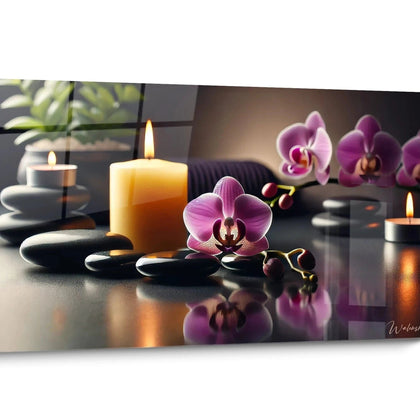 Psychologist Office Wall Art Flower24
artworks
Psychologist Office Wall Art Flower24
artworks
-
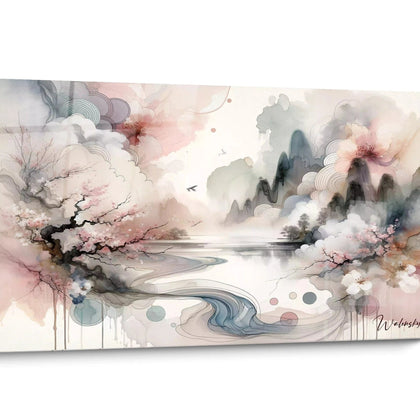 Wall Art for Psychologist Office Mountain7
artworks
Wall Art for Psychologist Office Mountain7
artworks
-
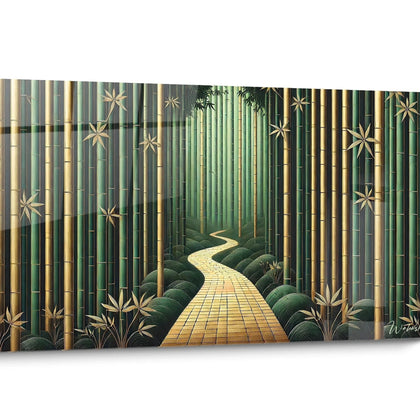 Wall Art for Psychologist Office Bamboo7
artworks
Wall Art for Psychologist Office Bamboo7
artworks
-
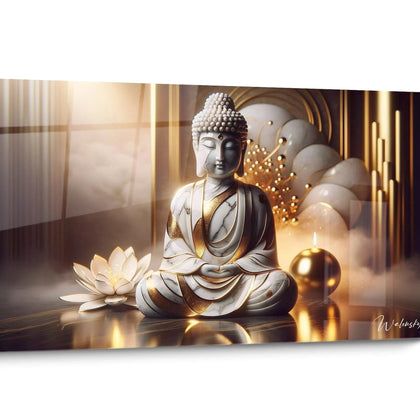 Buddha Wall Art for Psychologist Office9
artworks
Buddha Wall Art for Psychologist Office9
artworks
-
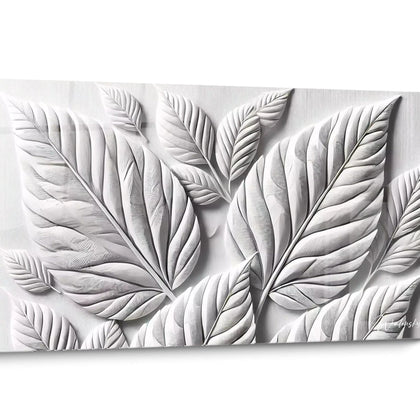 Wall Art for Psychologist Office Nature24
artworks
Wall Art for Psychologist Office Nature24
artworks


All about Wall Art for Psychologist's Office Lotus
- Presentation Painting Lotus
- Symbolism of the Lotus in the Office
- Therapeutic Impact
- Professional Integration
The painting for psychologist's office Lotus transforms your therapeutic space into a soothing sanctuary where each consultation becomes an invitation to inner transformation. This millennial plant representation, deeply rooted in Eastern meditative traditions, brings a powerful symbolic dimension to your clinical practice. The generous formats available create an immediate focal point that captures the patient's attention upon entering, thus facilitating the transition between the agitated outside world and your protective therapeutic bubble. The lotus flower emerging from muddy water particularly resonates with the resilience and personal growth journeys that your patients experience in psychotherapy.
The Therapeutic Symbolism of the Lotus in the Consultation Room
The painting for psychologist's office Lotus embodies a powerful visual metaphor for the therapeutic process itself. This sacred flower that blooms from the mud symbolizes the human ability to transcend psychic suffering and transform traumas into personal growth. In your office, this imagery becomes a projection support for your patients engaged in identity reconstruction work.
How does the lotus facilitate the therapeutic alliance from the first session?
The iconography of the lotus acts as a relational catalyst at the beginning of therapy. Anxious or defensive patients find in this plant representation a neutral visual anchor that defuses initial resistances. Unlike human representations which can trigger complex projections, the lotus offers a soothing presence without threatening connotations. This characteristic is particularly valuable during initial consultations where establishing trust is a major issue.
Resonance with solution-oriented psychotherapeutic approaches
For practitioners integrating mindfulness dimensions into their clinical practice, the painting for psychologist's office Lotus reinforces the coherence of your therapeutic framework. Third-wave cognitive-behavioral therapies, ACT, or compassion-based therapy find in this representation a philosophical visual anchor that validates your approach. The large format available allows you to install this symbolic presence without excessive subtlety, creating an environment that immediately communicates your therapeutic orientations to new patients.
Why prioritize the lotus over a pure abstract approach?
Unlike an abstract painting for psychologist's office which leaves interpretation totally open, the lotus proposes a clear symbolic direction towards transformation and resilience. This subtle visual guidance subconsciously orients the patient towards a growth posture rather than stagnation. The petals that gradually open evoke the gradual unfolding of the therapeutic process, creating a positive anticipation that favors commitment over time.
The Neuropsychological Impact of Natural Elements in Therapy
The painting for psychologist's office Lotus is in line with contemporary research on biophilia and its influence on emotional regulation. Environmental psychology studies demonstrate that exposure to plant representations significantly reduces physiological markers of stress such as salivary cortisol. In your office, this large-format plant presence activates the neural circuits associated with feeling of safety and facilitates access to altered states of consciousness conducive to deep therapeutic work.
What are the cognitive benefits of a lotus visual during a session?
The radial and symmetrical structure of the lotus stimulates brain areas related to the recognition of harmonious patterns, inducing a state of cognitive coherence in the patient. This ordered visual configuration beneficially contrasts with the inner chaos often experienced by people suffering from psychological distress. The large format installed facing the sofa or armchair offers a point of fixation during moments of silence or emotional difficulty, allowing the patient to reconnect with themselves without feeling scrutinized.
Facilitation of mentalization and elaboration processes
The Lotus painting for psychologists' offices becomes a transitional object in the Winnicottian sense within the therapeutic space. Patients with difficulty in verbal elaboration spontaneously use this image as a metaphor: "I feel like a closed button" or "I would like to open up like these petals." This symbolic appropriation enriches the clinical material and offers concrete anchor points for working through resistances. Generous dimensions allow a sufficiently strong presence to be noticed without becoming overwhelming.
Emotional regulation for patients with anxiety disorders
The soft colors and organic shapes of the lotus activate the parasympathetic nervous system, promoting the psychophysiological relaxation necessary for therapeutic work. For patients suffering from panic attacks or generalized anxiety, this soothing visual is an environmental element that signals to the limbic brain the absence of danger. You can even integrate it explicitly into your desensitization or emotion management protocols by inviting the patient to focus their attention on the image during breathing exercises.
Professional Positioning and Coherence of the Therapeutic Framework
Choosing a Lotus painting for psychologists' offices instantly communicates your clinical positioning to potential patients. This aesthetic selection signals an integrative approach that values the existential dimension of psychological care beyond purely behavioral techniques. For therapists working with issues of meaning, grief, or identity transitions, this visual reinforces the legitimacy of your expertise in accompanying profound transformations.
How to harmonize the lotus with your specific professional identity?
The large format available allows you to clearly affirm your orientation without requiring verbal explanations. If you practice therapeutic hypnosis, mindfulness meditation, or psychotherapeutic approaches, the lotus immediately validates the consistency of your environment with your methods. This aesthetic congruence reassures patients specifically seeking these approaches while naturally filtering out those whose expectations would be incompatible with your practice. Investing in this decoration then becomes an implicit professional communication tool.
Strategic installation to maximize therapeutic impact
Positioning your Lotus painting for psychologists' offices within the patient's direct visual field promotes attentional engagement during critical moments of the session. The ideal location is slightly behind you or on the side wall, allowing the patient to naturally direct their gaze without requiring a body rotation. This visual accessibility transforms the artwork into a resource available throughout the consultation, particularly during phases of silent integration after an important realization.
Differentiation in a saturated therapeutic market
With the proliferation of psychology practices, your visual environment becomes a memory and recommendation factor. Patients remember practices more strongly when they have a distinct aesthetic identity, and the lotus creates this memorable signature. During informal recommendations, this visual specificity facilitates the identification of your practice: "the psychologist who has that beautiful lotus in their practice." This subtle but effective differentiation helps build your local reputation without aggressive commercial efforts.
Is the lotus painting suitable for all types of psychology patients?
The Lotus painting for psychologists is particularly suitable for patients open to integrative approaches, people going through life transitions, and those engaged in personal development work. It may be less appropriate for purely cognitive-behavioral consultations or medicated psychiatric follow-ups where maximum visual neutrality is sought.
What dimension should be prioritized for a lotus painting in a consultation practice?
For a standard-sized practice, a generous format between 90 and 120 cm in width offers an optimal visual presence without saturating the space. This dimension allows the lotus to be perceived from the entrance while preserving the details that enrich the patient's contemplative experience during the therapy session.
Can a lotus painting be combined with other decorative elements in a practice?
The Lotus painting for psychologists harmonizes well with natural plants, organic textures like wood or linen, and furniture with clean lines. However, avoid symbolic overload by limiting other strong iconic elements to preserve the unique evocative power of the lotus in your therapeutic space.


