


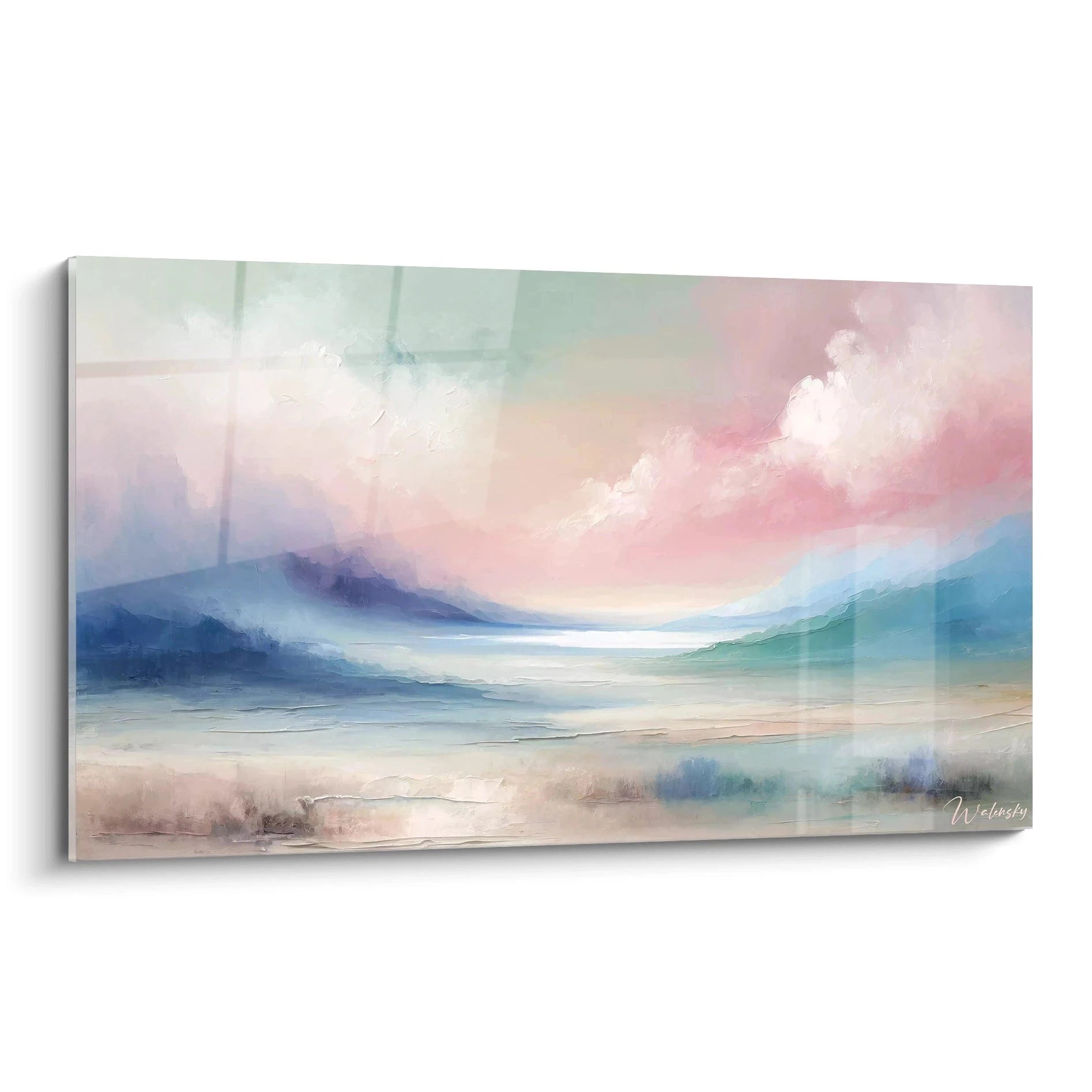


Wall Art for Psychologist Office Watercolor
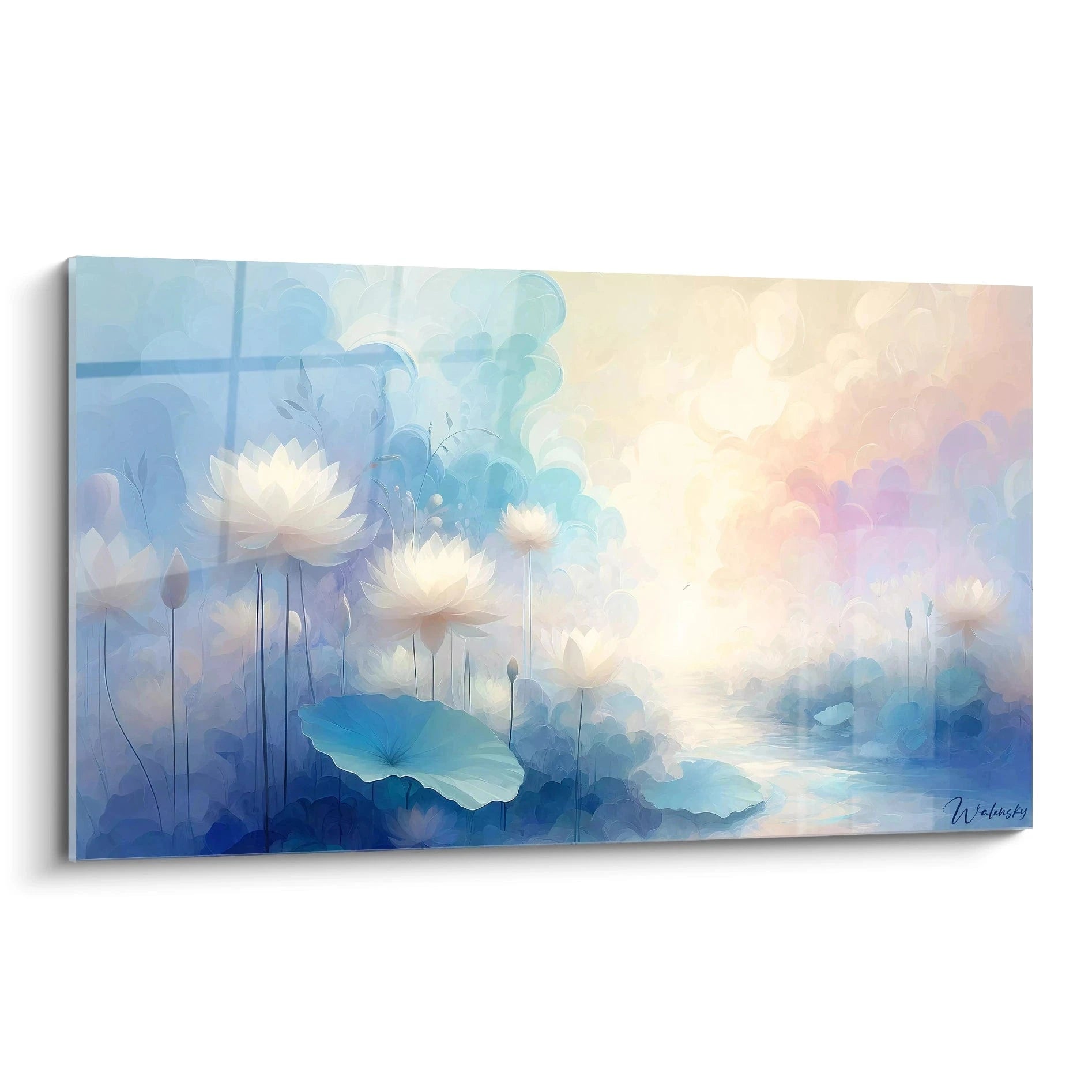
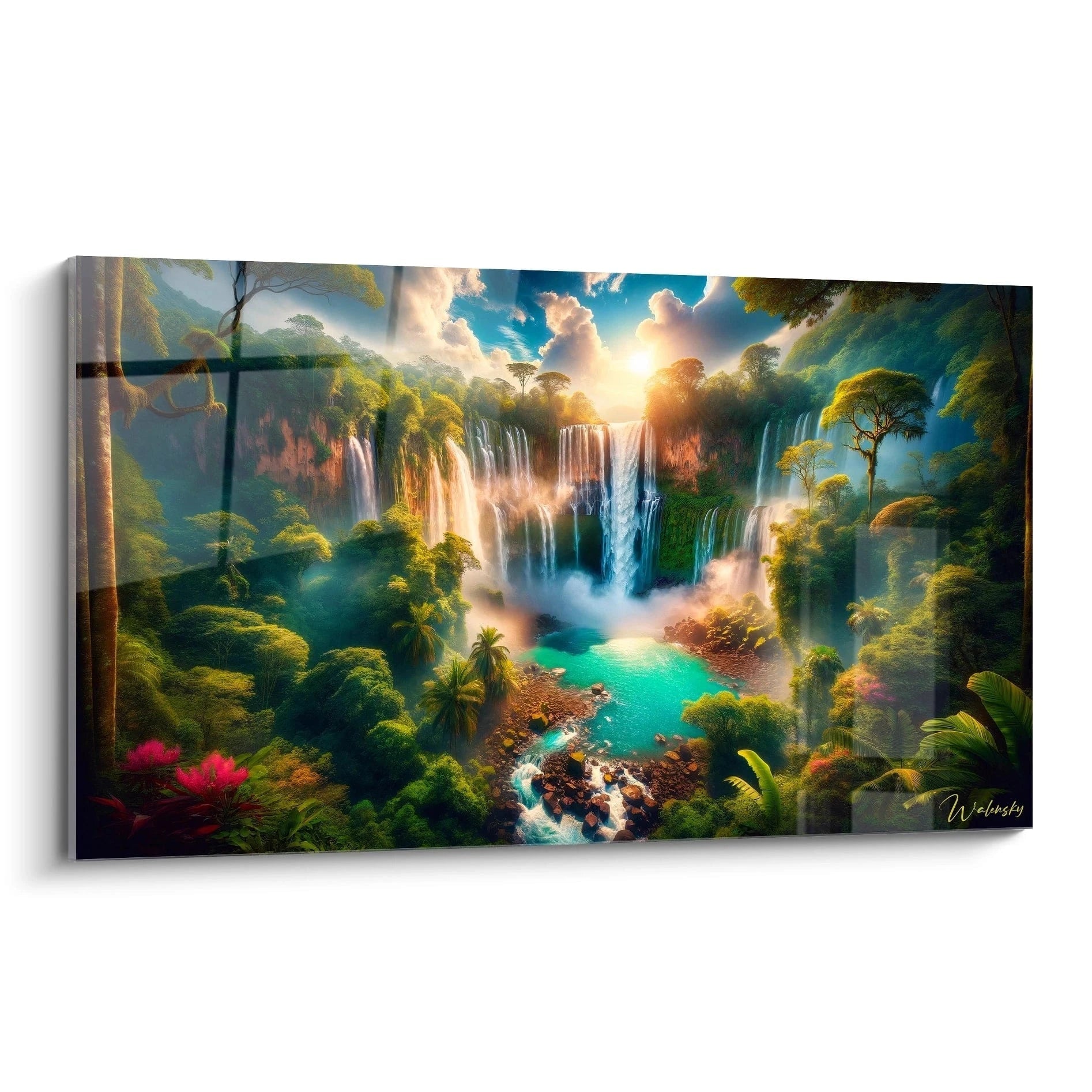
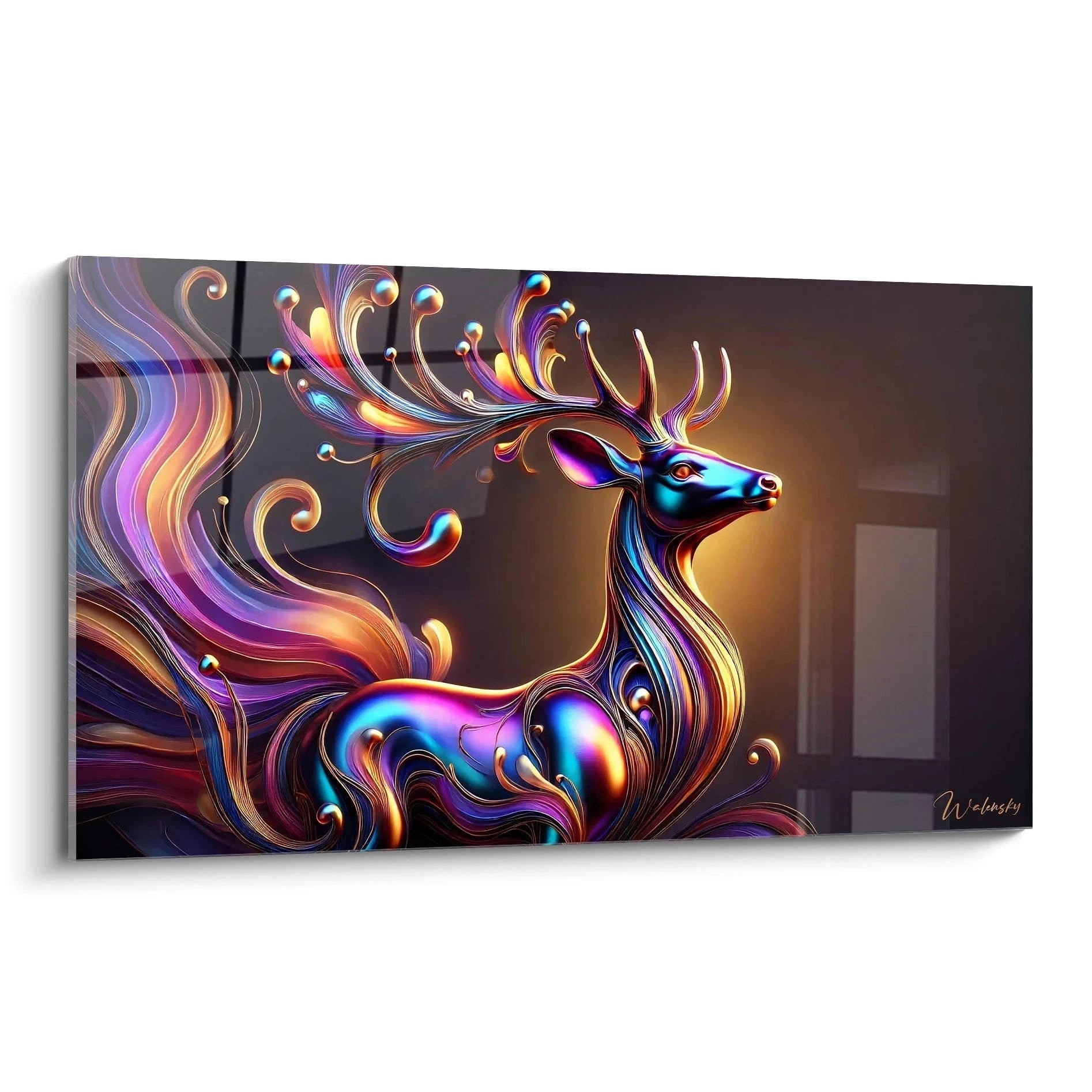
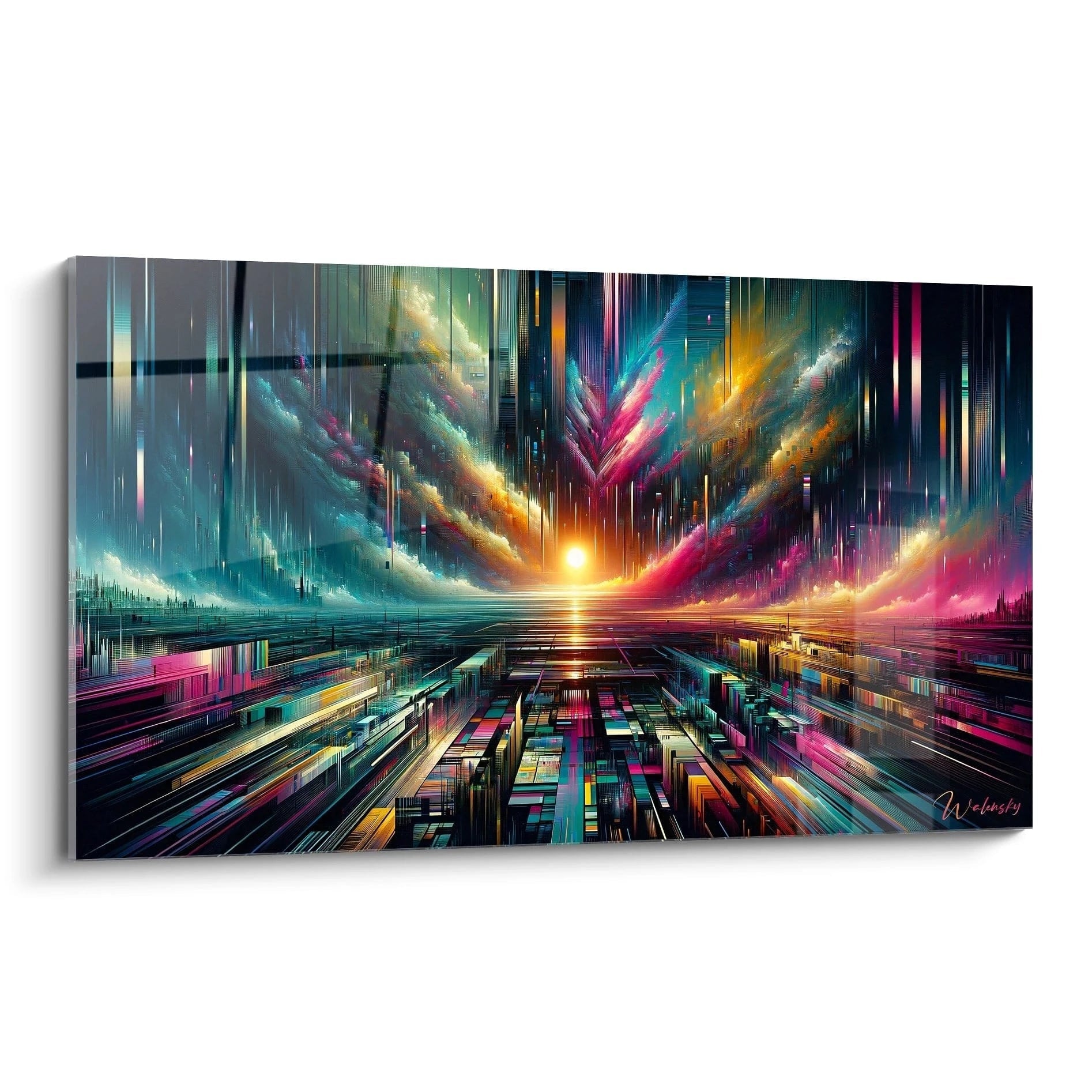
Our Artwork for Psychologist's Office Watercolor offers a selection of artistic works designed to create a serene and reassuring atmosphere. These creations with soft and harmonious tones promote a therapeutic and soothing environment conducive to listening and well-being. Each watercolor for healthcare setting accompanies your patients on their journey with delicacy. Explore this artistic universe designed to enhance your professional practice.
 Wall Art In the Silence of the Reeds - Japanese Asia Edition273,90 €
 Fir Tree Painting No. 1 - Nature Edition273,90 €
 Spiritual Harmony Artwork - Zen Buddha Edition273,90 €
 Flowers and Lanterns Canvas - Zen Edition273,90 €
 River of Dreams Wall Art - Asia Edition273,90 €
 Mist and Cherry Blossoms Wall Art - Asia Edition273,90 €
Explore further
In Wall Art for Psychologist Office Watercolor
-
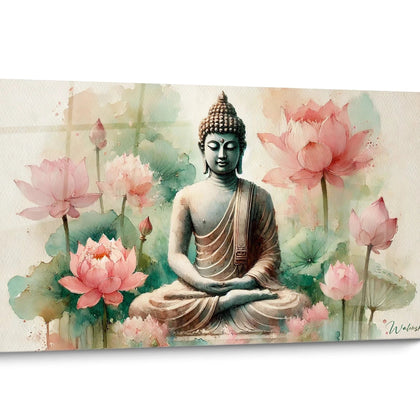 Wall Art for Psychologist's Office100
artworks
Wall Art for Psychologist's Office100
artworks
-
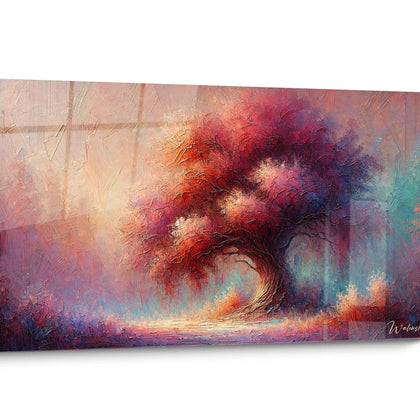 Wall Art for Zen Psychologist's Office24
artworks
Wall Art for Zen Psychologist's Office24
artworks
-
 Minimalist Wall Art for Psychologist's Office17
artworks
Minimalist Wall Art for Psychologist's Office17
artworks
-
 Abstract Wall Art for Psychologist's Office17
artworks
Abstract Wall Art for Psychologist's Office17
artworks
-
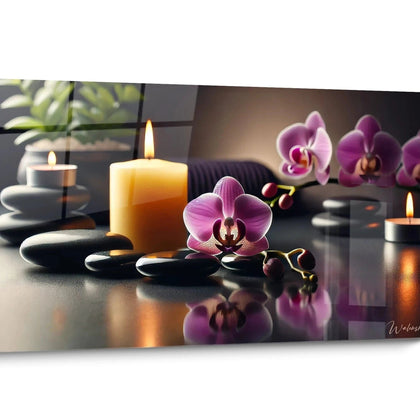 Psychologist Office Wall Art Flower24
artworks
Psychologist Office Wall Art Flower24
artworks
-
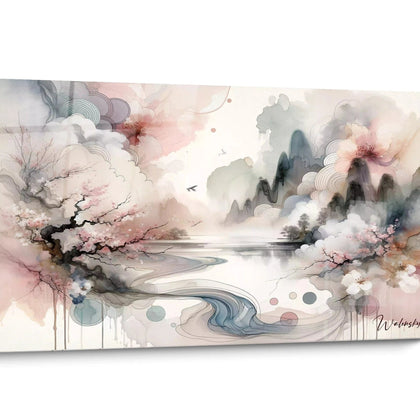 Wall Art for Psychologist Office Mountain7
artworks
Wall Art for Psychologist Office Mountain7
artworks
-
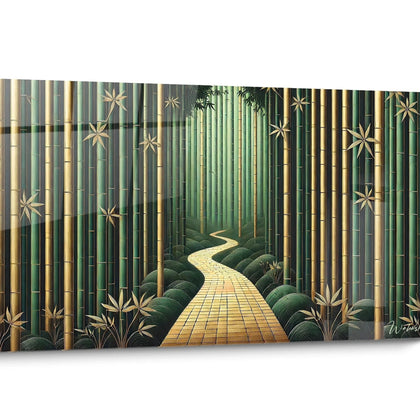 Wall Art for Psychologist Office Bamboo7
artworks
Wall Art for Psychologist Office Bamboo7
artworks
-
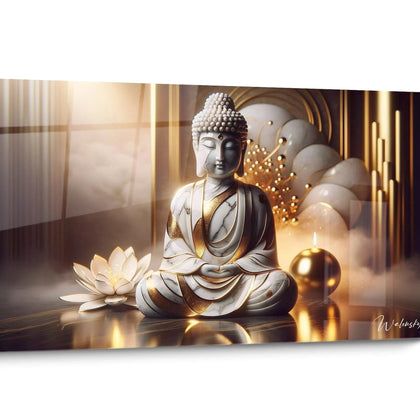 Buddha Wall Art for Psychologist Office9
artworks
Buddha Wall Art for Psychologist Office9
artworks
-
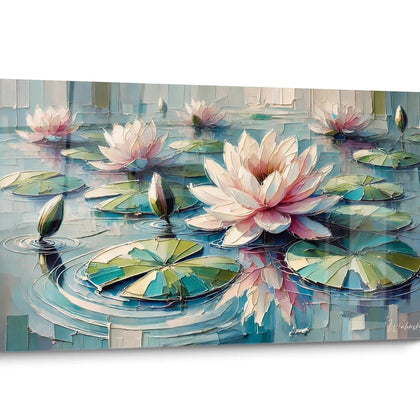 Wall Art for Psychologist's Office Lotus10
artworks
Wall Art for Psychologist's Office Lotus10
artworks
-
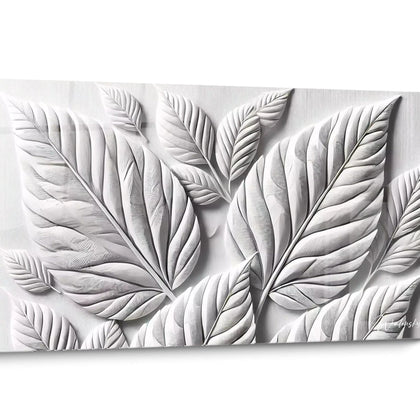 Wall Art for Psychologist Office Nature24
artworks
Wall Art for Psychologist Office Nature24
artworks


All about Wall Art for Psychologist Office Watercolor
- Painting Presentation Watercolor
- Soothing Decoration
- Therapeutic Symbolism
- Professional Ambiance
A painting for psychologist's office watercolor transforms the therapeutic space into a place of gentleness and serenity. The watercolor painting technique brings visual transparency and chromatic fluidity particularly suited to psychological consultation environments. These large-scale wall compositions create a reassuring presence without visual aggression, favoring the emotional openness of patients from their arrival in the care space.
Watercolor as a vector of soothing in the therapeutic space
The vaporous texture and soft chromatic transitions characteristic of watercolor naturally reduce anticipation anxiety in patients before their session. Diluted pigments create meditative atmospheres that facilitate emotional regulation, unlike overly defined graphic representations which can generate excessive stimulation in a clinical context.
How do translucent nuances influence the spatial perception of the office?
The translucent superimpositions specific to the watercolor technique generate a perceptual depth that visually expands the therapeutic space. This impression of spatial amplitude reduces the feeling of confinement often experienced during initial psychological consultations. Progressive blending between colors creates a soothing visual continuity, particularly beneficial for patients with anxiety disorders or trauma related to enclosed spaces.
The impact of fluid colors on the temporality of the session
Watercolor gradients subtly alter the perception of time elapsed during consultations. Compositions with evolving colors accompany the rhythm of therapy without imposing a brutal visual break. This temporal fluidity favors the patient's narrative immersion and reduces the anxiety-inducing awareness of the strict time frame. Therapists specializing in humanistic psychology particularly appreciate this effect of timelessness.
Selecting a watercolor palette adapted to different audiences
For an office mainly receiving children, watercolors with soft pastel tones with a few bright touches stimulate imagination without overstimulation. Practitioners working with adults experiencing burnout prefer compositions with deep blues and emerald greens that evoke regenerating natural landscapes. If you are looking for a more structured alternative, an abstract painting for psychologist's office can harmoniously complement your therapeutic decoration.
Large-scale watercolors also offer a visual detachment zone allowing the patient to momentarily divert their gaze during emotionally charged evocations, thus facilitating the management of moments of emotional overflow during the session.
The symbolic meaning of watercolor in the service of the therapeutic process
A painting for psychologist's office watercolor carries an intrinsic therapeutic symbolic meaning to its technique itself. The dissolution of pigments in water metaphorically evokes the psychic transformation process, where mental rigidity gradually dissolves to make way for new emotional configurations.
Watercolor motifs as supports for therapeutic projection
The semi-abstract forms generated by watercolor diffusion function as projective screens particularly effective in analytical therapy. These ambiguous compositions allow patients to project their unconscious representations onto them without the imposed directiveness of overly literal figurations. Therapists trained in psychodynamic approaches use these visual supports as extensions of the analytical setting.
Can watercolor be used to mitigate relational asymmetry in the therapist-patient relationship?
The apparent vulnerability of the watercolor technique, with its runs and assumed imperfections, humanizes the clinical environment often perceived as cold and impersonal. This aesthetic of imperfection symbolically reduces the hierarchical distance between practitioner and consultant, creating a more horizontal relational climate conducive to the therapeutic alliance. Large-format compositions amplify this effect of emotional accessibility.
Watercolor as an anchor in body-centered therapies
For psychologists practicing sensorimotor psychotherapy or somatic approaches, watercolor compositions evoking liquid natural elements reinforce the body connection. Fluid representations subliminally recall internal biological rhythms – blood circulation, respiration – thus facilitating the interoceptive awareness necessary for these therapeutic approaches.
Large watercolor paintings with predominantly blue or green tones also create a virtual window effect, particularly valuable in offices without natural openings to the outside. This symbolic connection with natural environments reduces decision fatigue and restores attentional capacities impaired in patients with cognitive exhaustion.
Creating a distinctive therapeutic visual identity with watercolor
Integrating a large-format watercolor painting for a psychologist's office builds a recognizable professional visual signature that reassures new patients. This aesthetic consistency contributes to the development of a therapeutic environment containing, a central concept in attachment theories applied to the clinical setting.
How does watercolor differentiate your practice in a competitive market?
In a context where patients actively compare practitioners via their websites and social networks, the watercolor aesthetic conveys specific professional values: sensitivity, a humanist approach, attention to emotional nuances. This visual differentiation particularly attracts consultants seeking existential-inspired psychotherapy rather than strictly behavioral therapy. Photographs of your space including these wall compositions reinforce your distinct therapeutic positioning.
Adapting watercolor formats to the architectural constraints of offices
Tall, large-format watercolor compositions are particularly suitable for narrow spaces, optimizing the perception of ceiling height. For offices with limited load-bearing walls, horizontal panoramic formats create a visual continuity that expands the perceived space. Practitioners working in shared offices strategically use these large compositions to visually delineate their therapeutic area without physical partitions.
Specific maintenance of watercolor compositions in a clinical environment
Contrary to popular belief, professional-quality watercolor reproductions withstand the constraints of medical offices perfectly. Current surface treatments effectively protect against ambient humidity generated by ventilation systems and temperature variations related to intermittent heating. Gentle monthly dusting is sufficient to maintain the chromatic brilliance of the pigments.
Frequently asked questions about watercolor paintings for psychologist offices
Is a watercolor painting for a psychologist office suitable for EMDR therapies?
Watercolor compositions with fluid horizontal movements particularly support EMDR protocols by providing gentle visual anchor points during bilateral stimulation phases. Their lack of aggressive contrasts prevents sensory overstimulation.
What size painting should you choose for a watercolor in a 15m² office?
For a standard consultation room, a minimum size of 100x150 cm creates a significant visual presence without saturating the space. Large formats amplify the calming effect characteristic of the watercolor technique.
Do watercolor tones influence differently depending on the pathologies treated?
Research in environmental psychology indicates that watercolors with cool tones reduce physiological activation in anxious patients, while compositions with warm touches gently stimulate people with depressive states without excessive energy.
Further reading
Our articles on this topic
L'art qui suscite l'envie
Maison belge d'art mural grand format
14 jourspour changer d'avis*
Protection Walenskyincluse
Fabriquéen Italie
FormatXXL
Kit de fixationtoujours fourni
* Hors tableaux personnalisés et tailles personnalisées


