









Buddha Wall Art for Psychologist Office
The Painting for psychologist's office Buddha transforms your therapeutic space into a haven of peace. This unique collection combines Buddhist spirituality and soothing design to create a zen atmosphere conducive to therapy. Each work evokes serenity and meditation, fostering a climate of trust and relaxation for your patients. Perfect for the psychologist's office wall decoration, these paintings inspire inner calm and mental well-being, essential for therapeutic support.
 Marbled Peace Wall Art - Zen Edition273,90 €
 Spiritual Harmony Artwork - Zen Buddha Edition273,90 €
 Indigo Wisdom Wall Art - Zen Edition273,90 €
 Deep Peace Wall Art - Zen Edition273,90 €
 Fluid Peace Painting - Zen Edition273,90 €
 Peaceful Meditation Painting - Zen Edition273,90 €
 Starry Night Wall Art - Zen Edition273,90 €
 Inner Awakening Wall Art - Zen Edition273,90 €
 Calm Turquoise Wall Art - Zen Edition273,90 €
Explore further
In Buddha Wall Art for Psychologist Office
-
 Wall Art for Psychologist's Office100
artworks
Wall Art for Psychologist's Office100
artworks
-
 Wall Art for Psychologist Office Watercolor6
artworks
Wall Art for Psychologist Office Watercolor6
artworks
-
 Wall Art for Zen Psychologist's Office24
artworks
Wall Art for Zen Psychologist's Office24
artworks
-
 Minimalist Wall Art for Psychologist's Office17
artworks
Minimalist Wall Art for Psychologist's Office17
artworks
-
 Abstract Wall Art for Psychologist's Office17
artworks
Abstract Wall Art for Psychologist's Office17
artworks
-
 Psychologist Office Wall Art Flower24
artworks
Psychologist Office Wall Art Flower24
artworks
-
 Wall Art for Psychologist Office Mountain7
artworks
Wall Art for Psychologist Office Mountain7
artworks
-
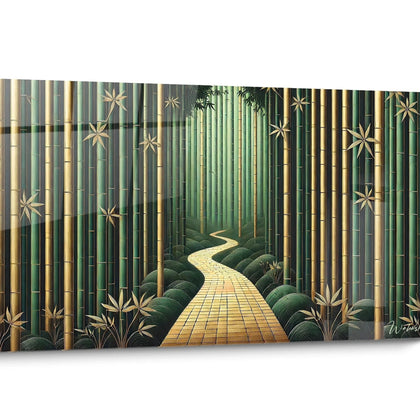 Wall Art for Psychologist Office Bamboo7
artworks
Wall Art for Psychologist Office Bamboo7
artworks
-
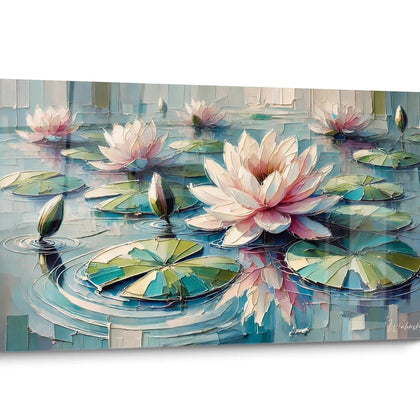 Wall Art for Psychologist's Office Lotus10
artworks
Wall Art for Psychologist's Office Lotus10
artworks
-
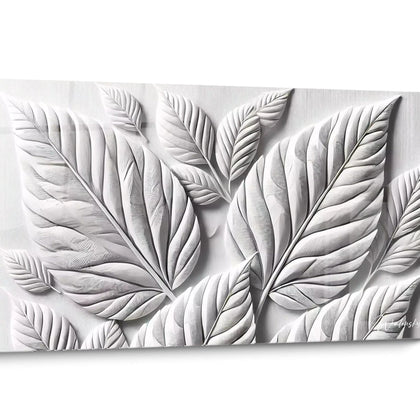 Wall Art for Psychologist Office Nature24
artworks
Wall Art for Psychologist Office Nature24
artworks


All about Buddha Wall Art for Psychologist Office
- Buddha Painting for Psychologist's Office Presentation
- Symbolism and Peace
- Therapeutic Atmosphere
- Visual Impact Large Format
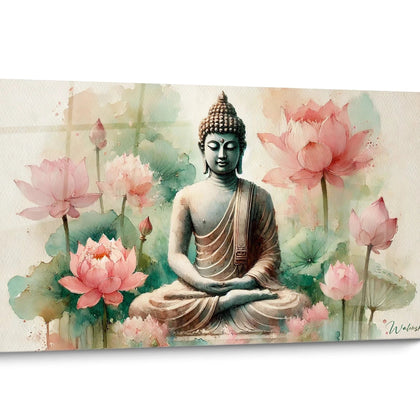
A Buddha painting for psychologist's office is far more than a simple decorative element in a therapeutic space. This visual representation embodies a philosophy of serenity, benevolent listening, and acceptance that resonates deeply with the essential values of modern psychological practice. Buddha imagery, universally associated with meditation, mindfulness, and inner balance, instantly creates a framework conducive to introspection and therapeutic dialogue. In a psychology office, where every visual detail influences a patient's emotional state upon arrival, choosing an artwork depicting Buddha sends a reassuring subliminal message: here reigns a space of non-judgment, contemplation, and personal transformation. Large-format dimensions amplify this calming presence, transforming a simple wall into genuine visual anchorage that supports the therapeutic process without ever imposing itself.
Buddha Symbolism Serving the Therapeutic Relationship
Integrating a Buddha painting for psychologist's office addresses specific needs in building a solid therapeutic alliance. The Buddha figure conveys values of unconditional compassion, attentive presence, and radical acceptance—precisely what patients unconsciously seek when crossing a psychology office threshold. This visual symbolism functions as a silent mediator facilitating emotional openness.
How does Buddhist imagery reduce anticipatory anxiety in patients?
Research in environmental psychology demonstrates that Buddha representations activate mental associations linked to tranquility and emotional safety. For an anxious patient arriving for their first session, contemplating a Buddha image in the waiting room or office itself triggers a measurable physiological response: slowed heart rate, deeper breathing, reduced muscle tension. This optimal somatic preparation fosters the psychological receptiveness essential to therapeutic work. Large formats maximize this visual anchoring effect, naturally capturing attention without requiring conscious effort.
Philosophical alignment between Buddhism and contemporary therapeutic approaches
Many current psychological schools—third-wave cognitive-behavioral therapies, mindfulness-based approaches (MBCT, MBSR), acceptance and commitment therapy (ACT)—explicitly borrow from Buddhist philosophies. Installing a Buddha painting in your psychology office materializes this theoretical lineage and signals your therapeutic orientation to patients. For practitioners integrating mindfulness meditation into their protocols, this visual coherence reinforces approach credibility and facilitates patient adherence to proposed exercises. Additionally, some therapists appreciate the atmosphere created by an abstract painting for psychologist's office in other office spaces, allowing diverse atmospheres according to functional zones.
Spiritual neutrality and universal symbol appeal
Unlike specific religious symbols, the Buddha figure possesses remarkable transcultural acceptability. It is perceived more as an archetype of wisdom than as a confessional figure, making it appropriate even for patients of varied spiritual backgrounds or without particular religious belief. This inclusive neutrality is primordial in a psychology office welcoming diverse clientele. The Buddha painting functions as a respectful visual convergence point for all sensitivities, facilitating positive projection without ever imposing doctrine.
Creating an Atmosphere Conducive to Deep Psychological Work
The physical environment of a psychology office constitutes the third silent actor in therapy, after the therapist and patient. A Buddha painting for psychologist's office in large dimensions radically transforms a room's atmosphere, establishing a quality of presence supporting moments of intense emotional exploration. This stable visual presence becomes a reassuring reference point during difficult sessions.
Why do contemplative representations favor emotional verbalization?
Neuropsychology of therapeutic speech reveals that patients more easily verbalize their inner states when the visual environment suggests contemplation rather than action. A Buddha representation in meditative posture creates an implicit model of calm introspection facilitating the shift from mental agitation to reflective self-observation. Large formats amplify this modeling effect: the patient, even peripherally conscious of this monumental contemplative presence, unconsciously adjusts their inner rhythm. This visuo-emotional synchronization constitutes a powerful facilitator for accessing deep psychological content, particularly in psychodynamic and humanistic approaches.
Managing therapeutic silence through visual anchoring
Silences form an integral part of the therapeutic process but can generate discomfort in some patients. A large Buddha painting offers a natural focus point during these necessary pauses, transforming a potentially anxiety-generating moment into visual replenishment opportunity. The gaze can rest on artwork details—serene facial features, balanced posture, soothing color nuances—allowing the patient to remain present without fleeing into avoidance or defensive rationalization. This visual containment function proves particularly valuable when working with patients presenting emotional regulation difficulties.
Chromatic influence of Buddha representations in therapeutic space
Dominant palettes in Buddha representations—golden ochres, deep blues, jade greens, earthy tones—were selected by millennia-old traditions for their psychological soothing properties. These hues favor reduced sympathetic nervous system activation (responsible for stress responses) in favor of the parasympathetic system (associated with relaxation and recovery). In a psychology office welcoming patients suffering from anxiety, mood disorders, or post-traumatic stress, this subtle yet constant chromatic influence contributes to creating a neurobiologically optimal environment for therapeutic work. Large-format painting dimensions saturate visual space sufficiently to produce this documented color therapy effect.
Specific Impact of Monumental Buddha Representations
Choosing a Buddha painting for psychologist's office in monumental format qualitatively transforms the office's spatial experience. Unlike small representations that go unnoticed, a large-dimension artwork establishes an architectural presence redefining the therapeutic space itself, creating what care environment designers call a "psychological sanctuary."
Monumentality as vector of therapeutic transcendence
Imposing formats—often exceeding 120 or 150 centimeters—create a visual immersion effect facilitating what humanistic psychologists call "transcendent experiences": those moments when patients temporarily surpass habitual thinking patterns to access an expanded perspective on their situation. The monumental presence of a Buddha on a main office wall functions as a permanent invitation to this beneficial decentering. This scale also generates a form of instinctive respect elevating consciousness level in the room, particularly beneficial during sessions addressing existential or spiritual themes.
How to optimize positioning of a large-format Buddha artwork in therapeutic space?
Strategic positioning of a monumental Buddha painting determines its therapeutic effectiveness. The ideal location sits within the patient's peripheral vision when seated in the therapy chair—neither directly facing them (which would create visual confrontation) nor completely out of view (which would eliminate its benefits). This lateral presence allows patients to consciously or unconsciously choose to focus their gaze during emotionally intense moments, transforming the artwork into an accessible self-regulating resource at will. For practitioners with multiple spaces (consultation office, waiting room, guided meditation area), positioning a monumental Buddha representation in each zone creates reassuring thematic continuity reinforcing the sense of coherence and reliability of the overall therapeutic environment.
Professional differentiation through iconographic choice
In a context where patients often compare several therapists before committing, an office's visual environment constitutes significant differentiation element. A high-quality, impressive-dimension Buddha painting immediately signals an integrative therapeutic approach, open to contemplative and spiritual dimensions of human existence. This visual signature specifically attracts patients seeking psychology transcending strictly medical frameworks to embrace holistic mental health vision. Professionals specializing in existential questioning, major life transitions, or meaning crises find in these monumental representations a perfectly aligned visual communication tool with their distinctive therapeutic positioning.
Does a Buddha painting for psychologist's office suit all therapeutic orientations?
Though universally soothing, a Buddha painting particularly harmonizes with humanistic, existential, transpersonal approaches, mindfulness-based therapies, and integrative orientations. Practitioners of strictly classical Freudian psychoanalytic or behavioral orientation may prefer greater visual neutrality, though many therapists from these schools similarly appreciate the contemplative quality these representations provide.
What Buddha painting size for psychologist's office to choose according to room size?
For a standard office of 15-20 m², a 120x80 cm or 150x100 cm format creates optimal presence without saturating space. Larger offices (25-35 m²) can accommodate monumental formats exceeding 180 cm width, truly transforming the wall into an active therapeutic element. The general rule ensures the artwork occupies approximately one-third to half the main wall width to maximize its calming impact.
How to integrate a Buddha painting in a modern-design psychologist's office?
Contemporary Buddha representations—minimalist versions, streamlined graphic interpretations, monochrome or vibrant palettes—perfectly integrate into modern-design offices. The essential element lies in chromatic coherence with existing furniture and choosing a visual style (realistic, symbolic, abstract-inspired) that dialogues harmoniously with your therapeutic space's overall aesthetics, creating professional and reassuring visual unity.
Further reading
Our articles on this topic
L'art qui suscite l'envie
Maison belge d'art mural grand format
14 jourspour changer d'avis*
Protection Walenskyincluse
Fabriquéen Italie
FormatXXL
Kit de fixationtoujours fourni
* Hors tableaux personnalisés et tailles personnalisées


