









Abstract Wall Art for Psychologist's Office
Our Painting for psychologist's office Abstract collection transforms your therapeutic space into a haven of visual peace. These soft and harmonious abstract compositions promote relaxation and introspection for your patients. Each abstract painting for psychologist favors soothing tones and flowing shapes that encourage inner dialogue. Perfect for creating a welcoming atmosphere, this selection of décoration murale cabinet thérapeutique combines professionalism and artistic serenity.
 Koi Dance Wall Art - Asia Edition273,90 €
 Terracotta Painting No. 6 - Nature Edition273,90 €
 Tree of Dreams Wall Art - Zen Tree of Life Edition273,90 €
 Painting Embraced by the Sea - Beach Landscape Edition273,90 €
 Azure Mist Wall Art - Abstract Seascape Edition273,90 €
 Jade Reflections Wall Art - Abstract Seaside Edition273,90 €
 Midnight Blue Painting - Abstract Flower Edition273,90 €
 Petals on Water Canvas - Abstract Flower Edition273,90 €
 Silk Glow Wall Art - Abstract Flower Edition273,90 €
 Porcelain Garden Wall Art - Abstract Flower Edition273,90 €
 Brilliance of Purity Wall Art - Abstract Flower Edition273,90 €
 Geometric Balance Painting - Abstract Cubism Edition273,90 €
 Softness Vision Wall Art - Abstract Flower Edition273,90 €
 Echoes of the Open Sea - Abstract Boat Painting Edition273,90 €
 Graceful Jellyfish Wall Art - Wild Essence Edition273,90 €
 Fluid Zen Painting - Wild Essence Edition273,90 €
 Fluid Peace Painting - Zen Edition273,90 €
Explore further
In Abstract Wall Art for Psychologist's Office
-
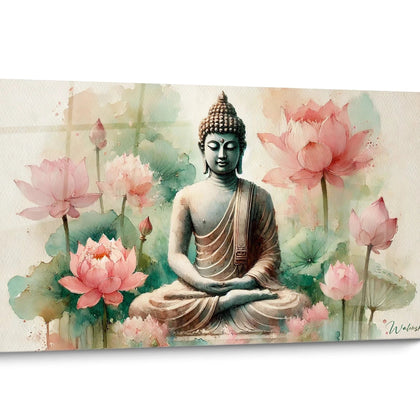 Wall Art for Psychologist's Office100
artworks
Wall Art for Psychologist's Office100
artworks
-
 Wall Art for Psychologist Office Watercolor6
artworks
Wall Art for Psychologist Office Watercolor6
artworks
-
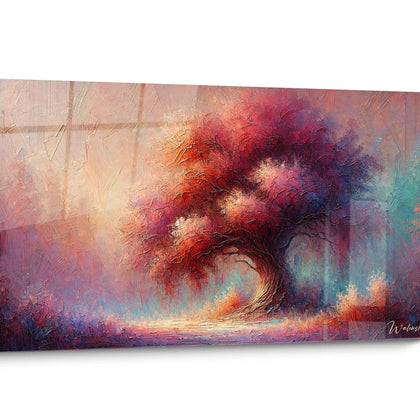 Wall Art for Zen Psychologist's Office24
artworks
Wall Art for Zen Psychologist's Office24
artworks
-
 Minimalist Wall Art for Psychologist's Office17
artworks
Minimalist Wall Art for Psychologist's Office17
artworks
-
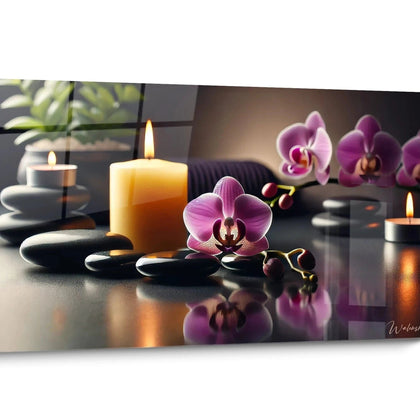 Psychologist Office Wall Art Flower24
artworks
Psychologist Office Wall Art Flower24
artworks
-
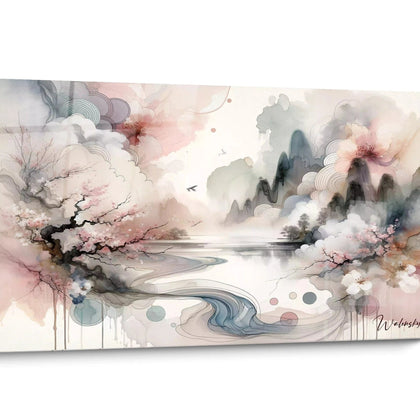 Wall Art for Psychologist Office Mountain7
artworks
Wall Art for Psychologist Office Mountain7
artworks
-
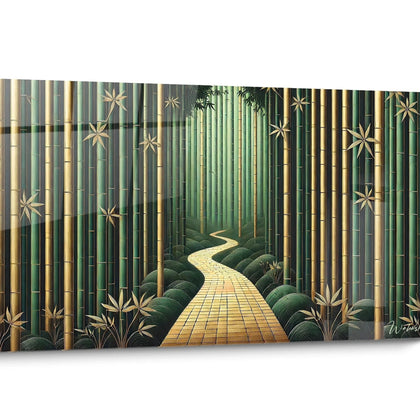 Wall Art for Psychologist Office Bamboo7
artworks
Wall Art for Psychologist Office Bamboo7
artworks
-
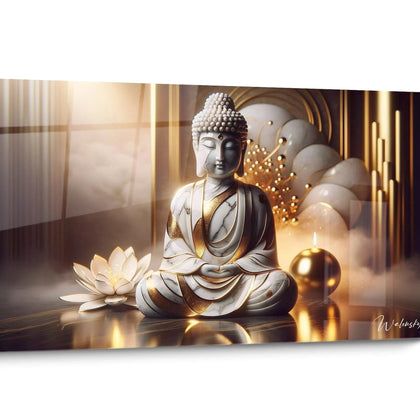 Buddha Wall Art for Psychologist Office9
artworks
Buddha Wall Art for Psychologist Office9
artworks
-
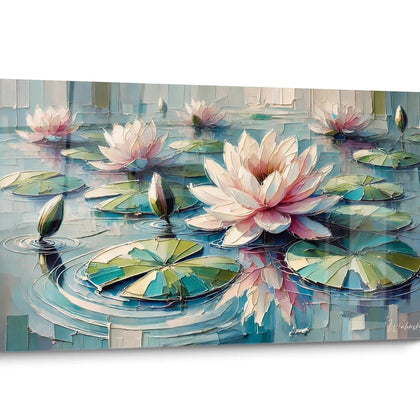 Wall Art for Psychologist's Office Lotus10
artworks
Wall Art for Psychologist's Office Lotus10
artworks
-
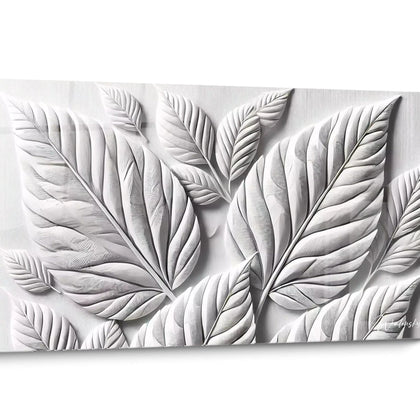 Wall Art for Psychologist Office Nature24
artworks
Wall Art for Psychologist Office Nature24
artworks


All about Abstract Wall Art for Psychologist's Office
- Abstract Psychology Office Wall Art Presentation
- Therapeutic Impact of Forms
- Abstract Symbolism in Psychotherapy
- Visual Neutrality and Confidentiality
An abstract wall art for psychology office is far more than a simple decorative element in the therapeutic environment. This form of non-figurative visual expression meets the specific requirements of the psychotherapeutic setting by offering a neutral support that fosters personal projection without imposing concrete representation. Abstraction makes it possible to avoid any direct suggestion that could influence the patient's free associations or inadvertently orient the therapeutic process. Large-scale abstract compositions create a calming presence without intrusively capturing attention, thus establishing a delicate balance between visual stimulation and clinical neutrality. This aesthetic choice reflects a deep understanding of therapeutic dynamics where the visual space must remain sufficiently open to accommodate unconscious projections while maintaining a reassuring professional atmosphere.
The Influence of Abstract Compositions on the Therapeutic Process
The abstract wall art for psychology office exerts a subtle yet decisive influence on the dynamics of sessions. Non-representational forms create a visual background that does not activate the brain's automatic recognition circuits, thus allowing the patient to maintain focus on their inner world rather than on distracting figurative elements. This characteristic proves particularly valuable during moments of therapeutic silence when the gaze can rest without being captured by an imposed visual narrative.
How does abstraction facilitate free association in psychoanalysis?
Abstract compositions function as neutral projection screens on which psychic contents can emerge freely. Unlike figurative representations that suggest specific interpretations, abstract patterns allow the patient's unconscious to express itself without preset constraints. The fluid color play and organic forms present in these large-scale creations establish a contemplative atmosphere that supports introspection without directing it. This visual neutrality constitutes a major asset for psychodynamic practitioners who favor the spontaneous emergence of associations.
Passive chromotherapy and emotional regulation
The color palettes of abstract works for therapeutic spaces are selected for their ability to induce psychophysiological states favorable to therapeutic work. Soft tones such as soothing blues, regenerating greens, or earthy beiges exert a calming influence on the autonomic nervous system of anxious patients. These large-scale compositions diffuse their color palette throughout the entire peripheral visual field, creating a color bath that acts as a subtle emotional regulator during consultation. The absence of concrete representation prevents certain hues from being associated with specific objects, preserving their purely sensory effect.
Spatial structuring and sense of security
The compositional balances of abstract wall art for psychology offices contribute to structuring the therapeutic space by creating stable visual reference points. Visual rhythms, pattern repetitions, and formal harmonies establish a sense of order that unconsciously reassures patients in distress. This coherent yet non-directive visual organization offers a containing framework without rigidity, metaphorically reflecting the therapeutic framework itself. Imposing formats reinforce this containing function by establishing a visual presence sufficiently affirmed to structure the environment without ever dominating the relational space between practitioner and patient.
Unconscious Symbolism and Psychic Resonances of Abstract Forms
An abstract wall art for psychology office activates deep symbolic resonances that operate beyond the conscious register. Curved forms evoke containing maternal associations while geometric structures can suggest order and rationality without ever imposing these meanings explicitly. This semantic ambiguity constitutes precisely the therapeutic strength of abstraction: each patient projects their own psychic contents based on their personal history and current emotional state.
Which abstract motifs correspond to different therapeutic approaches?
Cognitive practitioners often favor structured compositions with clear geometric balances that reflect their methodical approach to cognitive restructuring. Humanistic therapists frequently opt for more organic and fluid abstract expressions, whose chromatic movements evoke the spontaneity and authenticity valued in their approach. Psychoanalysts seek compositions sufficiently enigmatic to stimulate projective activity while remaining calming, thus favoring the exploration of unconscious contents within a secure framework. These large wall compositions thus become visual extensions of the practitioner's therapeutic philosophy.
Gentle activation of imagination without over-stimulation
Abstract works for psychotherapeutic spaces maintain a delicate balance between imaginative stimulation and sensory rest. Their compositions avoid excessive complexity that could mentally fatigue patients already in a state of emotional vulnerability, while offering sufficient visual richness to prevent monotony. Gradual chromatic transitions and suggestive forms without being literal invite contemplative observation rather than active intellectual analysis. This contemplative quality transforms waiting time in the reception area or moments of silence during the session into introspective experiences rather than periods of discomfort. Like works for psychology office watercolor, these abstract compositions create an atmosphere conducive to mental calm.
Cultural universality of abstract expression
Abstraction transcends cultural particularities by imposing no specific iconographic reference that could be interpreted differently according to patients' origins. This cultural neutrality proves essential in offices welcoming diverse clientele, where figurative symbols risk activating culturally coded associations inappropriate to the therapeutic context. Abstract compositions speak the universal language of forms, colors, and visual rhythms, accessible regardless of geographic origin or cultural background. This visual inclusivity strengthens the sense of unconditional acceptance essential to the therapeutic alliance.
Preservation of Clinical Neutrality and Visual Confidentiality
The choice of an abstract wall art for psychology office responds to specific ethical imperatives related to the benevolent neutrality that the therapeutic environment must embody. Figurative representations risk involuntarily revealing the practitioner's personal preferences, convictions, or psychic universe, thus creating relational biases liable to hinder the therapeutic process. Abstraction preserves this necessary opacity of the therapist by offering no direct interpretive foothold on their personality or values.
Why avoid figurative images in a therapeutic space?
Concrete representations of objects, people, or scenes inevitably activate specific associations that can interfere with the psychic material the patient brings to the session. A landscape could evoke disturbing personal memories, a portrait risks creating a fantasmatic triangulation, a narrative scene would suggest predetermined interpretations. Large abstract compositions eliminate these risks by maintaining the visual space in a purely aesthetic and sensory register. This visual discretion allows the therapeutic framework to remain a neutral container where only the patient's contents legitimately find their place, without competition from narrative visual elements.
Management of visual intimacy in the therapeutic space
Large-format abstract works create a paradoxical visual intimacy: they occupy significantly wall space while remaining psychologically discreet. Their presence affirms the professional character of the environment without exposing personal information about the practitioner. This characteristic proves particularly valuable in configurations where the office is located in the therapist's home, allowing clear differentiation between private and professional space. Non-figurative compositions establish a symbolic boundary that protects the bidirectional confidentiality necessary to the therapeutic relationship, while humanizing the clinical environment through their aesthetic dimension.
Durability of visual interest without fatigue
Unlike figurative images whose reading stabilizes quickly, abstract compositions gradually reveal their nuances and structural subtleties over repeated consultations. This evolving perceptual depth prevents visual fatigue both for the practitioner who occupies the space daily and for patients in long-term therapy who visit it regularly. Large dimensions allow continuous visual discoveries depending on the angle of observation and lighting conditions, thus maintaining lasting perceptual freshness. This inexhaustible contemplative quality makes the abstract wall art a lasting aesthetic investment for professional therapeutic spaces.
Can an abstract wall art suit all types of psychotherapy?
Abstract compositions adapt remarkably to all psychotherapeutic modalities thanks to their interpretive neutrality. Whether psychodynamic, cognitive-behavioral, humanistic, or integrative approaches, abstraction offers a visual background compatible with each theoretical framework without imposing particular methodological connotation. This versatility makes it a strategic choice for eclectic practitioners or spaces shared by multiple therapists.
What is the ideal size for an abstract wall art in a psychology office?
Generous formats between 90 and 150 centimeters create significant visual presence without dominating the therapeutic space. These dimensions allow optimal color diffusion within the patient's peripheral visual field while maintaining harmonious proportions with typical office architecture. The imposing scale also reinforces the perception of professionalism and investment in the quality of the therapeutic environment.
How should an abstract wall art for psychology office be positioned in the consultation space?
The optimal location is in the patient's visual field without being directly facing them, generally on a lateral wall or slightly set back. This position allows the gaze to rest naturally during moments of reflection without creating frontal visual confrontation. For configurations with armchairs arranged at an angle, positioning behind the therapist prevents the patient from constantly fixing on the work to the detriment of therapeutic eye contact, while still benefiting from its calming presence in the overall environment.


