


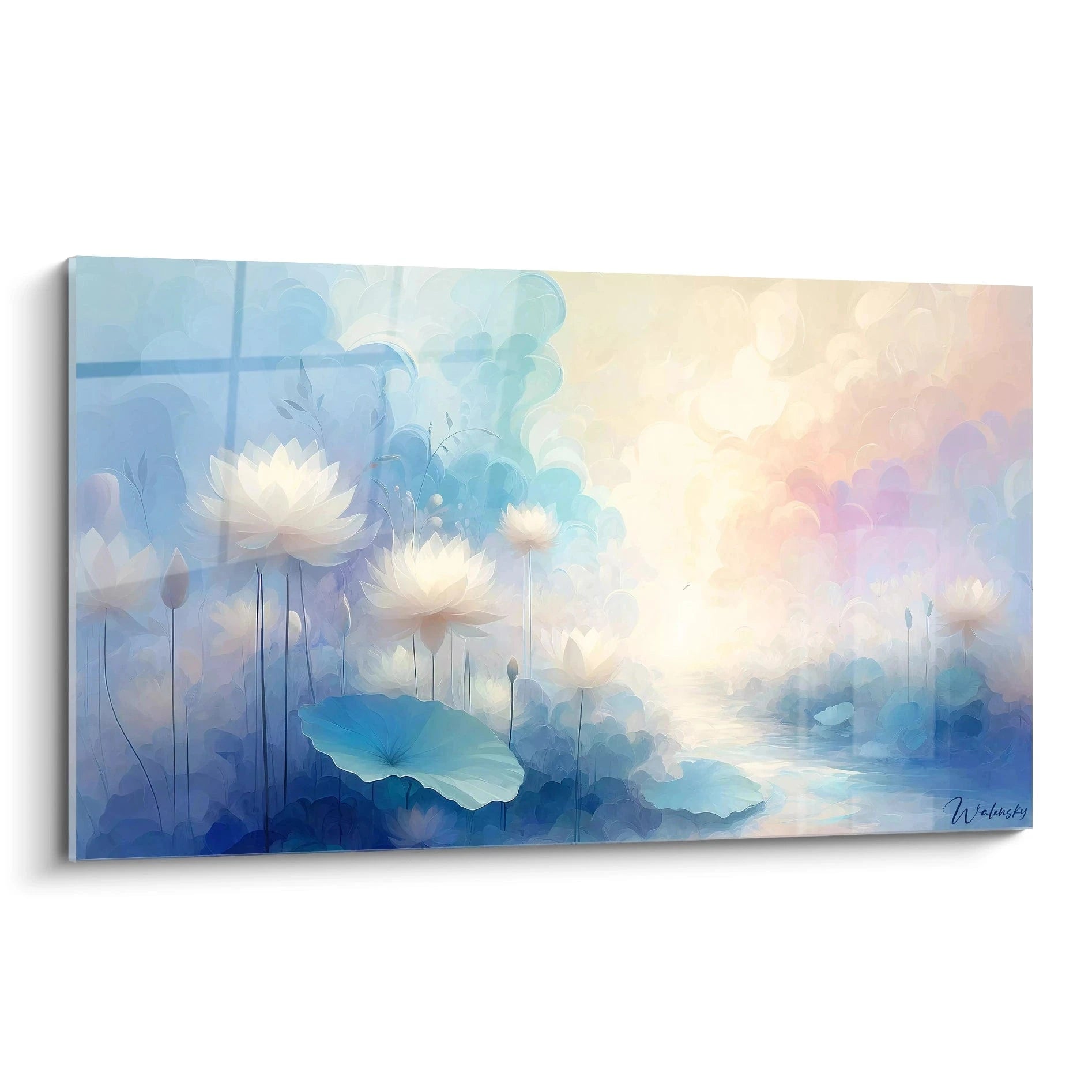
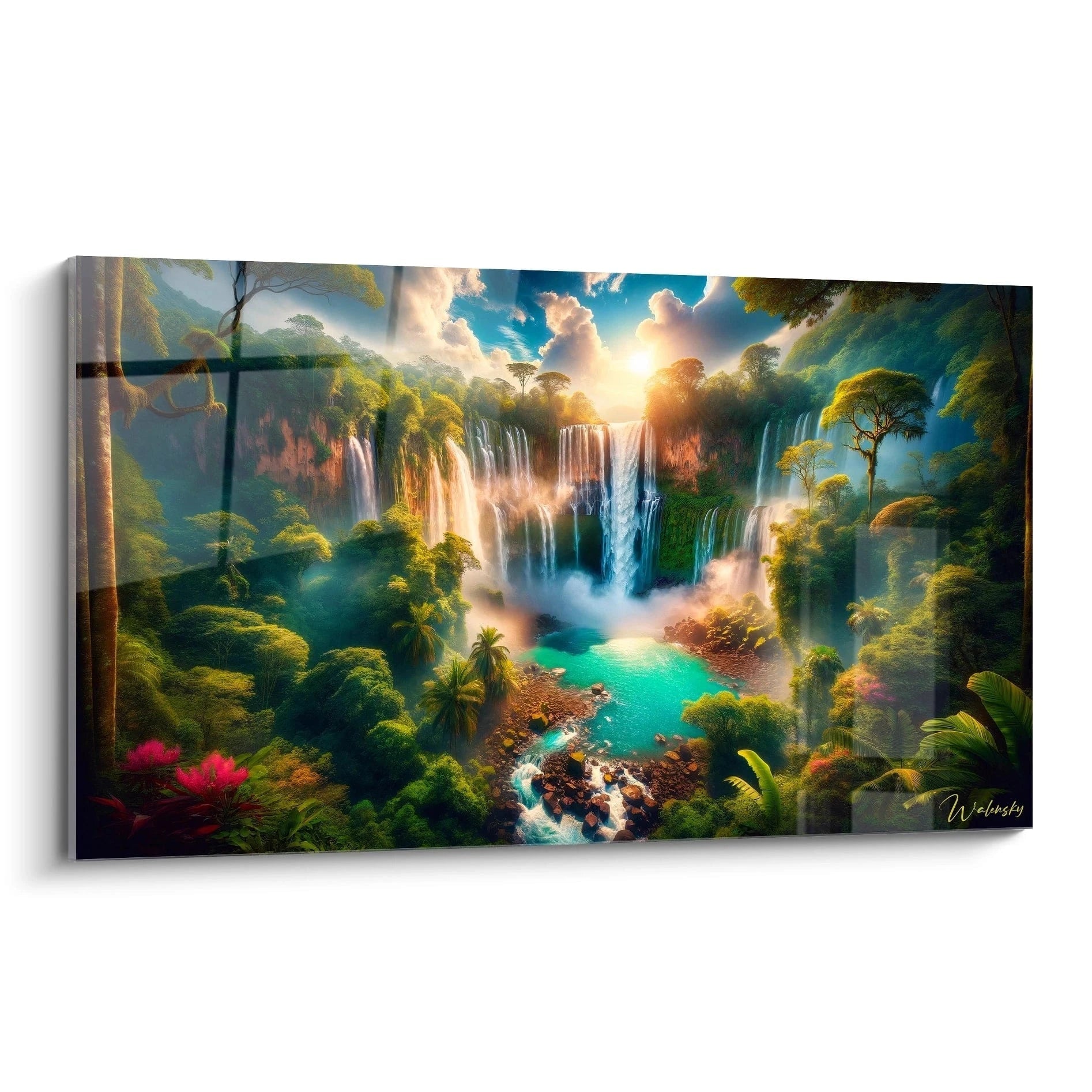
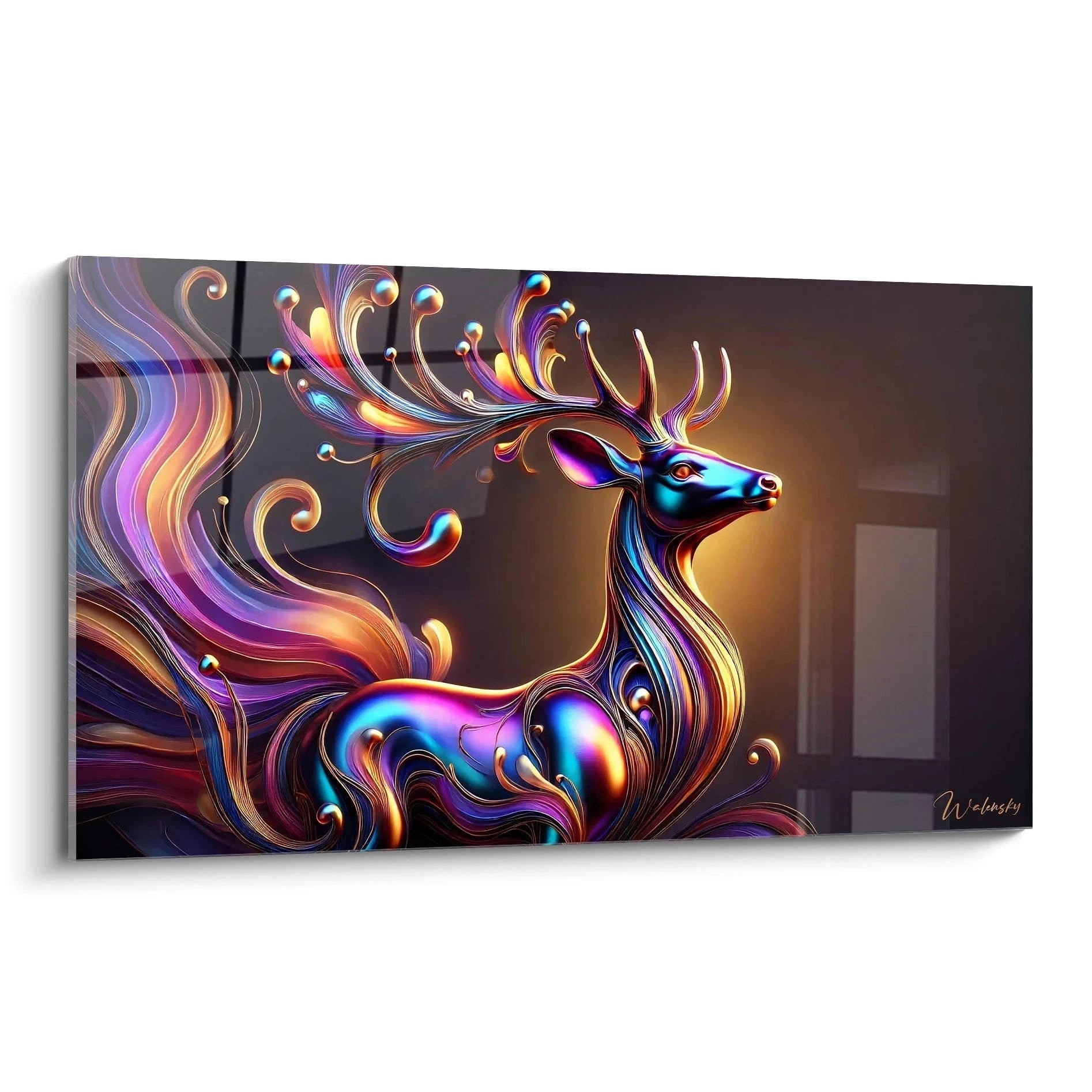
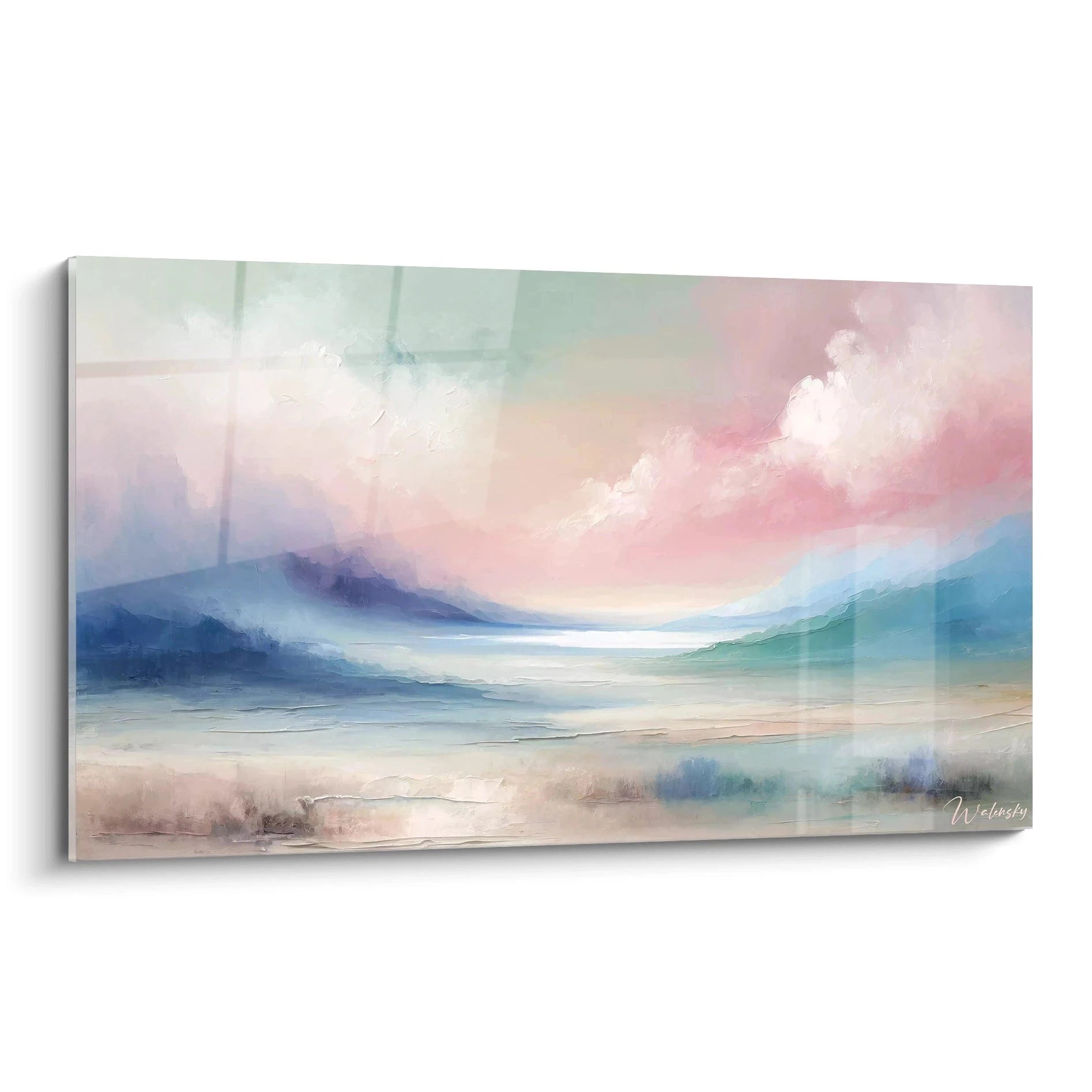


Wall Art for Psychologist Office Nature
Artwork for psychologist's officeNature : transform your therapeutic space into a haven of peace with our artistic collection inspired by soothing natural landscapes. These carefully selected works promote relaxation and emotional well-being for your patients. Perfect for creating a natural therapeutic wall decoration, they evoke forests, mountains and oceans to create a climate of trust. Ideal for designing a psychologist's office with a natural professional and warm atmosphere.
 Eternal Tranquility Wall Art - Tree Nature Edition273,90 €
 Spiral of Life Wall Art - Nature Edition273,90 €
 White Rose Painting No.5 - Nature Edition273,90 €
 Iris Painting No.10 - Nature Edition273,90 €
 Iris Wall Art No. 9 - Nature Edition273,90 €
 Iris Wall Art N°1 - Nature Edition273,90 €
 Weeping Willow Painting No. 1 - Nature Edition273,90 €
 Fir Tree Painting No. 1 - Nature Edition273,90 €
 Monstera Wall Art N°1 - Nature Edition273,90 €
 Lily Wall Art N°2 - Nature Edition273,90 €
 Wisteria Painting No. 2 - Nature Edition273,90 €
 Wisteria Wall Art No. 1 - Nature Edition273,90 €
 Cherry Blossom Wall Art No. 2 - Nature Edition273,90 €
 Ginkgo Leaf Wall Art No. 3 - Nature Edition273,90 €
 Ginkgo Leaf Wall Art No.1 - Nature Edition273,90 €
 Eucalyptus Wall Art No. 1 - Nature Edition273,90 €
 Mushroom Painting No.1 - Nature 2 Edition273,90 €
 Arum Painting N°2 - Nature Edition273,90 €
 Arum Painting N°1 - Nature Edition273,90 €
 Eternal Roots Wall Art - Zen Tree of Life Edition273,90 €
 Landscape wall art N°1 - Landscape edition273,90 €
 Textured Nature Wall Art - Nature Edition273,90 €
 Golden Leaf Wall Art - Nature Edition273,90 €
 Traced Botanic Wall Art - Nature Edition273,90 €
Explore further
In Wall Art for Psychologist Office Nature
-
 Wall Art for Psychologist's Office100
artworks
Wall Art for Psychologist's Office100
artworks
-
 Wall Art for Psychologist Office Watercolor6
artworks
Wall Art for Psychologist Office Watercolor6
artworks
-
 Wall Art for Zen Psychologist's Office24
artworks
Wall Art for Zen Psychologist's Office24
artworks
-
 Minimalist Wall Art for Psychologist's Office17
artworks
Minimalist Wall Art for Psychologist's Office17
artworks
-
 Abstract Wall Art for Psychologist's Office17
artworks
Abstract Wall Art for Psychologist's Office17
artworks
-
 Psychologist Office Wall Art Flower24
artworks
Psychologist Office Wall Art Flower24
artworks
-
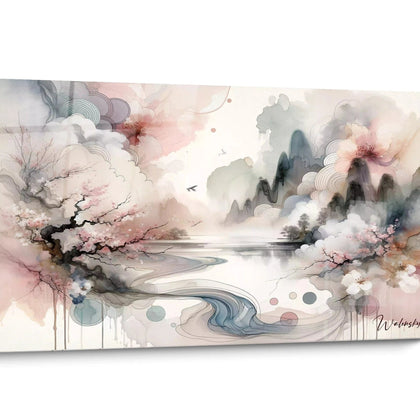 Wall Art for Psychologist Office Mountain7
artworks
Wall Art for Psychologist Office Mountain7
artworks
-
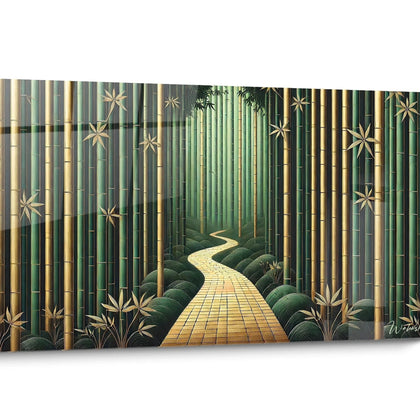 Wall Art for Psychologist Office Bamboo7
artworks
Wall Art for Psychologist Office Bamboo7
artworks
-
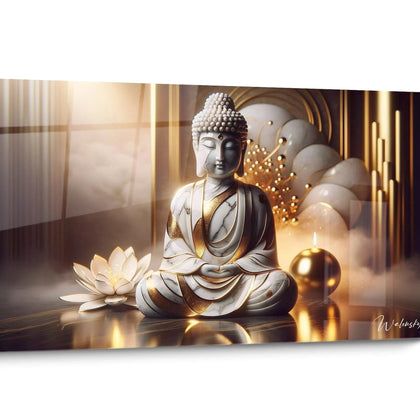 Buddha Wall Art for Psychologist Office9
artworks
Buddha Wall Art for Psychologist Office9
artworks
-
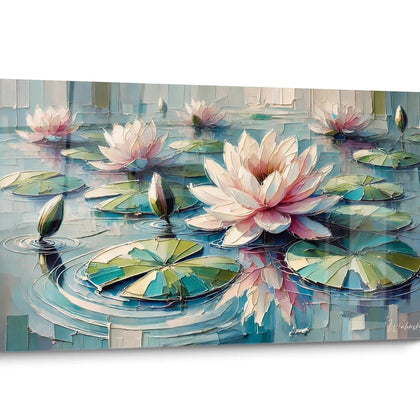 Wall Art for Psychologist's Office Lotus10
artworks
Wall Art for Psychologist's Office Lotus10
artworks


All about Wall Art for Psychologist Office Nature
- Nature Paintings Presentation
- Soothe Anxiety Through Nature
- Therapies and Natural Symbolism
- Optimal Therapeutic Environment
The painting for psychologist's office nature creates a therapeutic environment conducive to emotional openness and a reduction in psychological resistance. Natural representations – lush forests, soothing waterfalls, mountain landscapes, or zen gardens – instinctively activate stress regulation mechanisms in patients upon entering the consultation room. These visuals foster a secure atmosphere that encourages the verbalization of difficult emotions and reduces psychological defenses typically present during initial sessions. Large formats amplify this immersive effect by creating a visual window to outdoor spaces, particularly beneficial for consultations in urban environments where contact with nature remains limited.
Reduction of Anxiety Prior to Psychological Consultation
The waiting period preceding psychotherapy often generates anticipatory anxiety which can compromise the effectiveness of the therapeutic interview. A painting for psychologist's office nature positioned in the waiting room acts as a natural emotional regulator, significantly reducing cortisol levels before the patient even enters the office. Forest scenes with dense greenery activate the parasympathetic nervous system, inducing a measurable physiological relaxation response.
How Do Natural Landscapes Prepare the Mental Space for Therapy?
Representations of meandering rivers and forest paths create a visual metaphor for the therapeutic journey itself: a progressive journey through sometimes uncertain territories. This unconscious symbolism prepares the patient mentally to accept the process of psychological exploration. The large dimensions of the painting amplify this sensation of inner travel, allowing the eye to get lost in the details and thus facilitating a disconnection from immediate concerns.
Soothing Natural Elements for Anxiety Disorders
For patients suffering from generalized anxiety disorder or social phobias, exposure to natural visuals before consultation reduces the reactivity of the limbic system. Scenes featuring water – tranquil lakes, calm oceans – have a particularly beneficial effect on emotional regulation. Unlike geometric compositions that can be found in an abstract painting for psychologist's office, the organic forms of nature require no effort of interpretation and offer immediate cognitive rest.
Smooth Transition to Therapeutic Introspection
Large-scale nature paintings create a psychological transition zone between the outside world and the protected therapeutic space. Patients frequently report that contemplating these visuals facilitates the transition from a state of daily agitation to a mental availability conducive to therapeutic work. Practitioners note a decrease in the time needed to establish the therapeutic alliance when the visual environment naturally promotes relaxation.
Natural Symbolism and Specific Therapeutic Approaches
The choice of a painting for psychologist's office nature is in line with various therapeutic approaches that consciously use the symbolism of natural elements. In Jungian therapy, the archetypes of the forest, mountain, or ocean serve as projective supports allowing the patient to explore their collective unconscious. These large-scale representations become transitional objects facilitating the expression of psychic content that is difficult to verbalize.
What natural landscapes correspond to the different therapeutic phases?
Integrative psychotherapy practitioners strategically select their natural visuals according to the phases of therapeutic work. Scenes of luminous clearings are suitable for opening and discovery phases, while rugged mountain landscapes accompany periods of confronting psychological challenges. Large dimensions allow for the inclusion of multiple symbolic elements in a single composition: a path suggesting the journey, a bridge evoking transition, trees representing rootedness.
Nature and cognitive-behavioral therapies
In CBT approaches, the nature painting for psychologist's office serves as an attentional anchor during mindfulness and rumination management exercises. Therapists regularly invite their patients to focus their attention on a specific element of the natural landscape to interrupt negative cognitive spirals. Compositions with rich details – textured foliage, varied rocks, moving clouds – offer multiple visual anchor points usable during grounding techniques.
Biophilia and reconstruction of the sense of safety
For patients who have experienced complex trauma or suffer from attachment disorders, natural representations reactivate the innate biophilic connection . This reconnection with natural environments contributes to the reconstruction of the sense of inner security. Imposing formats create a protective visual envelope that partially compensates for early environmental failures that contributed to current psychological difficulties.
Optimal configuration of the therapeutic space with natural visuals
Integrating a nature painting for psychologist's office into the spatial architecture of the office requires strategic reflection on lines of sight and relational dynamics. Positioning it behind the therapist allows the patient to visually access the natural element without breaking contact with the practitioner, thus creating a reassuring double presence. This configuration particularly facilitates work with patients presenting difficulties with relational intimacy who need to be able to periodically divert their gaze without interrupting communication.
Where to place a large format nature artwork to maximize its therapeutic effect?
Practices using EMDR therapy or somatic approaches particularly benefit from nature artworks positioned laterally, within the patient's peripheral field of vision. This location allows for gentle visual stimulation that supports the reprocessing process without creating distraction. Large dimensions ensure that the natural element remains perceptible even in peripheral vision, thus maintaining its emotional regulatory effect throughout the session.
Natural light and landscape representations
The interaction between the natural light of the office and the nature artwork considerably amplifies its therapeutic impact. Compositions featuring luminous skies or forest light and shadow play create a visual continuity with the natural lighting variations in the room. This environmental coherence reinforces the authenticity of the therapeutic space and prevents the feeling of artificiality that can occur with visuals disconnected from the actual lighting ambiance.
Complementarity with other sensory elements
The nature painting for a psychologist's office integrates into a multisensory approach to the therapeutic environment. Its association with natural textures – wood, stone, plant fibers – creates an aesthetic coherence that amplifies the psychological benefits. Practitioners report that this environmental harmony reduces patients' defensive vigilance and accelerates the establishment of therapeutic trust, particularly during the crucial early sessions that determine engagement in follow-up.
Is a nature painting suitable for all types of psychotherapy?
Natural representations adapt to the majority of therapeutic approaches, from psychodynamic therapies to humanist approaches, including CBT. Their universal symbolic meaning transcends specific theoretical orientations. Only certain strictly psychoanalytic approaches that prioritize absolute environmental neutrality might prefer entirely blank walls, although many contemporary psychoanalysts now recognize the benefits of a visually soothing environment.
Can patients project negative emotions onto natural landscapes?
Although rare, this possibility does exist and is even a valuable therapeutic material. A patient evoking feelings of oppression in the face of a dense forest reveals important psychic contents that can be explored during a session. The diversity of natural elements – open spaces, mountains, streams – generally allows finding compositions adapted to most sensitivities. Imposing formats offer enough visual richness for each patient to find elements that resonate positively.
How to choose between a forest landscape and a marine landscape for a psychologist's office?
This selection depends on the primary patient population and the frequently encountered issues. Forest landscapes are particularly suitable for anxiety disorders and chronic stress due to their reassuring density. Marine scenes are more appropriate for working on repressed emotions and psychic fluidity, the ocean symbolizing the unconscious in many therapeutic traditions. Sometimes, the ideal is to alternate according to the spaces in the office or to choose mixed compositions including several complementary natural elements.
Further reading
Our articles on this topic
L'art qui suscite l'envie
Maison belge d'art mural grand format
14 jourspour changer d'avis*
Protection Walenskyincluse
Fabriquéen Italie
FormatXXL
Kit de fixationtoujours fourni
* Hors tableaux personnalisés et tailles personnalisées


