


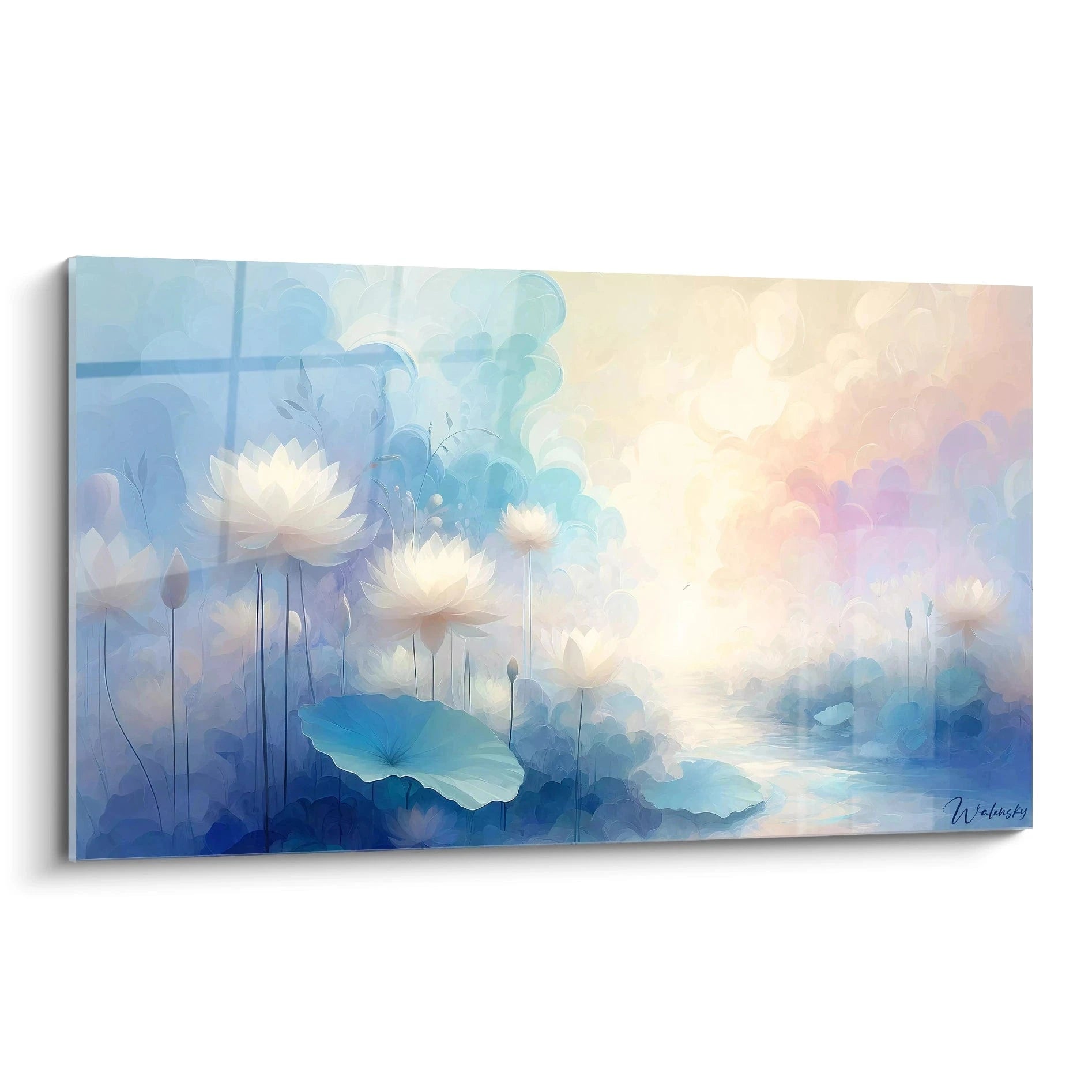
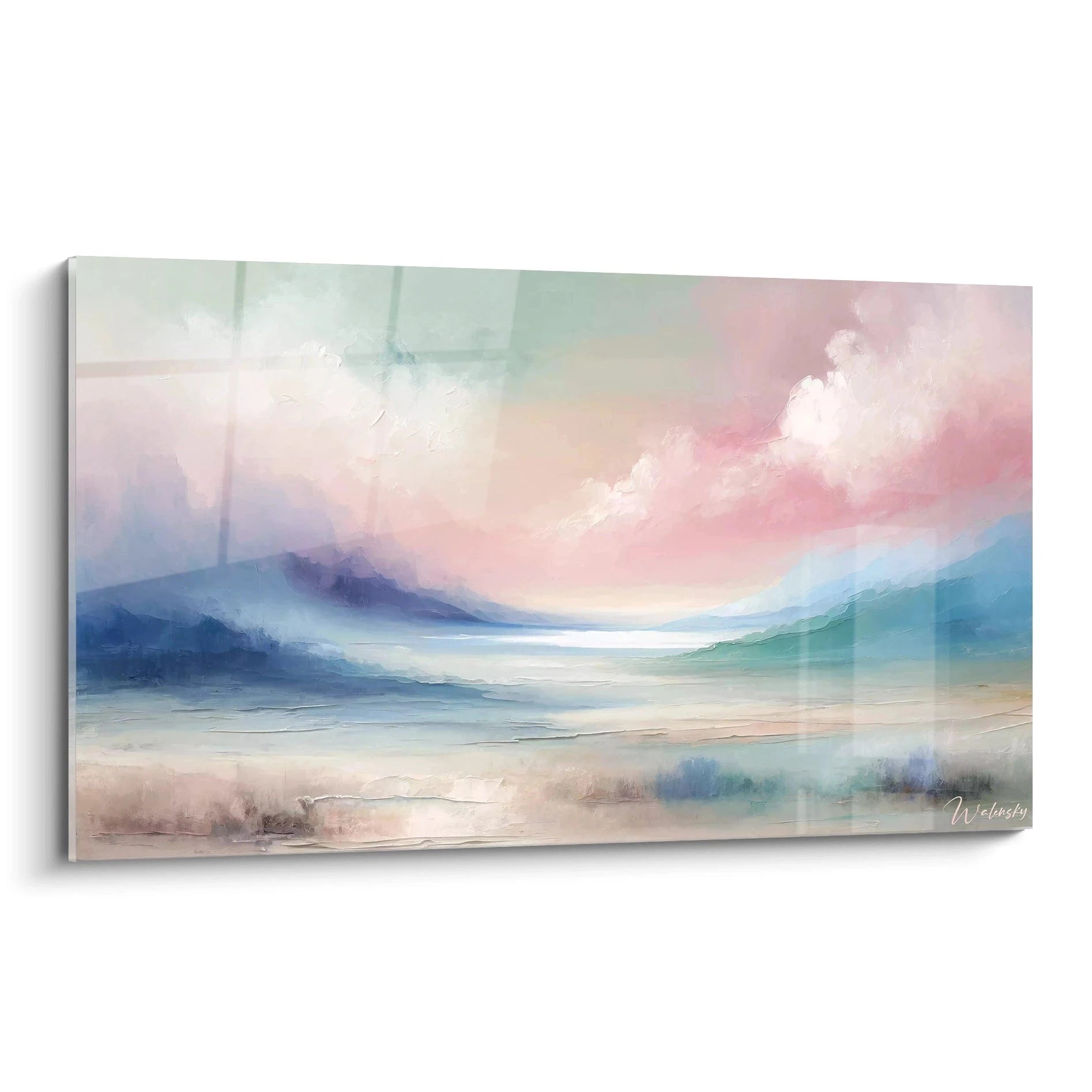


Minimalist Wall Art for Psychologist's Office
Our Painting for Psychologist Office Minimalist collection enhances therapeutic spaces with elegance. Each creation combines softness and simplicity to promote an environment conducive to listening and well-being. These refined works with soothing tones transform your psychologist office decoration into a serene and professional place. Perfect for creating a neutral and reassuring atmosphere, our minimalist paintings for therapists blend harmoniously with any style of decor.
 Painting Inspired by Wanderer Above the Sea of Fog by Caspar David Friedrich No.3 – Tribute to Famous Artist273,90 €
 Terracotta Painting No. 6 - Nature Edition273,90 €
 White Rose Painting No.5 - Nature Edition273,90 €
 Narcissus Wall Art No. 4 - Nature Edition273,90 €
 Weeping Willow Painting No. 1 - Nature Edition273,90 €
 Eucalyptus Wall Art No. 1 - Nature Edition273,90 €
 Arum Painting N°2 - Nature Edition273,90 €
 Arum Painting N°1 - Nature Edition273,90 €
 Sacred Purity Wall Art - Zen Lotus Flower Edition273,90 €
 Mountain Soul Canvas - Mount Fuji Asia Edition273,90 €
 Simplicity Striped Canvas - Zebra Animals Edition273,90 €
 Brilliance of Purity Wall Art - Abstract Flower Edition273,90 €
 Geometric Balance Painting - Abstract Cubism Edition273,90 €
 Traced Botanic Wall Art - Nature Edition273,90 €
 Balance Pastel Wall Art - Zen Edition273,90 €
 Minimalist Harmony Wall Art - Zen Edition273,90 €
 Blue Poetry Wall Art - Zen Edition273,90 €
Explore further
In Minimalist Wall Art for Psychologist's Office
-
 Wall Art for Psychologist's Office100
artworks
Wall Art for Psychologist's Office100
artworks
-
 Wall Art for Psychologist Office Watercolor6
artworks
Wall Art for Psychologist Office Watercolor6
artworks
-
 Wall Art for Zen Psychologist's Office24
artworks
Wall Art for Zen Psychologist's Office24
artworks
-
 Abstract Wall Art for Psychologist's Office17
artworks
Abstract Wall Art for Psychologist's Office17
artworks
-
 Psychologist Office Wall Art Flower24
artworks
Psychologist Office Wall Art Flower24
artworks
-
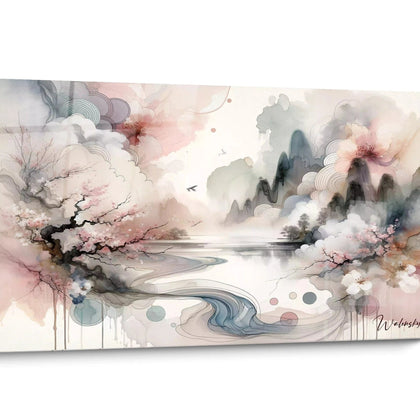 Wall Art for Psychologist Office Mountain7
artworks
Wall Art for Psychologist Office Mountain7
artworks
-
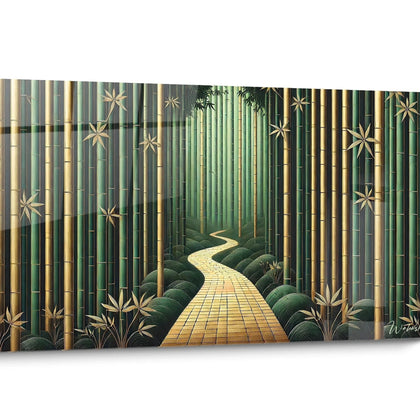 Wall Art for Psychologist Office Bamboo7
artworks
Wall Art for Psychologist Office Bamboo7
artworks
-
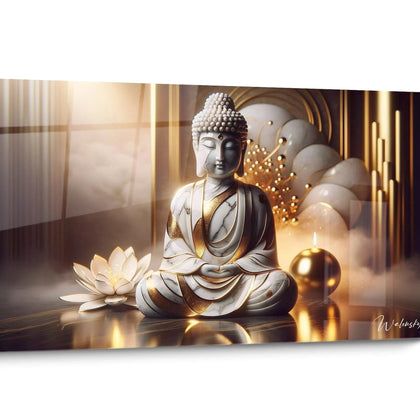 Buddha Wall Art for Psychologist Office9
artworks
Buddha Wall Art for Psychologist Office9
artworks
-
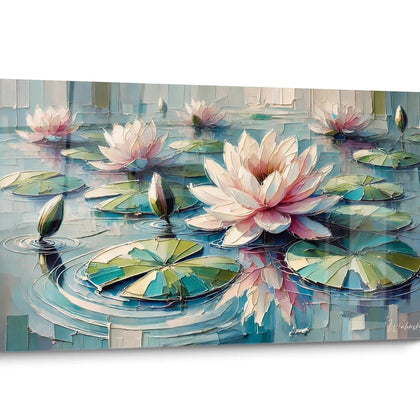 Wall Art for Psychologist's Office Lotus10
artworks
Wall Art for Psychologist's Office Lotus10
artworks
-
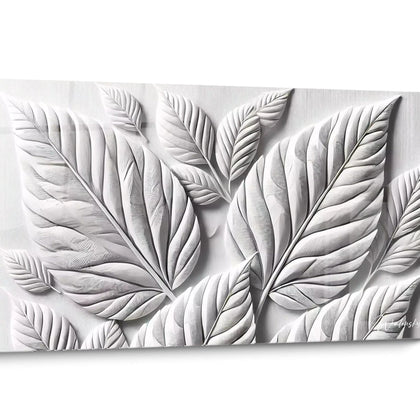 Wall Art for Psychologist Office Nature24
artworks
Wall Art for Psychologist Office Nature24
artworks


All about Minimalist Wall Art for Psychologist's Office
- Presentation Artwork Cabinet Minimalist Psychologist
- Refined Therapeutic Approach
- Clinical Impact of Minimalism
- Strategic Professional Choice
A minimalist psychologist's cabinet artwork creates an atmosphere conducive to introspection and therapeutic concentration. This stripped-down visual approach responds to specific clinical requirements where every decorative element directly influences the quality of the therapeutic relationship. These refined compositions in large dimensions transform consultation spaces into neutral environments favoring emotional expression without excessive visual stimulation.
The Aesthetics of Minimalism at the Service of the Therapeutic Space
In a psychologist's office, choosing a minimalist artwork responds to specific clinical imperatives. Visual purification prevents cognitive overload in patients with anxiety disorders, attentional difficulties, or sensory hypersensitivity. Large compositions with simple lines and restricted palettes create a neutral background that does not interfere with projective processes during sessions.
Why prioritize simple geometric shapes in a consultation room?
Elementary geometric configurations - rectangles, circles, horizontal lines - generate a soothing visual stability. Unlike complex patterns that capture attention, these basic shapes allow the gaze to settle without clinging, facilitating the visual disconnection necessary during emotional exploration. An ochre square on a light beige background or a series of gray vertical lines offer a discreet presence without becoming distracting.
Chromatic reduction as emotional neutrality
Monochromatic or bichromatic palettes in neutral tones - beige, stone gray, off-white, taupe - avoid strong emotional associations. This chromatic neutrality is essential in spaces where patients and therapists build a secure framework. A large-format artwork in subtle shades of sand creates a discreet backdrop, unlike colorful compositions that can evoke uncontrolled emotional responses.
Negative space as visual breathing
Minimalist compositions generously exploit empty space, creating a feeling of calm and openness. For professionals who receive claustrophobic or anxious patients, these depopulated areas provide visual breathing comparable to that sought in the overall spatial arrangement. A large format where 70% of the surface remains unused visually amplifies the available space.
This approach clearly distinguishes itself from abstract compositions for psychologist's offices which use more expressive textures and layers, responding to different therapeutic goals.
Clinical Impact of Refined Compositions on Therapeutic Practice
How does a minimalist visual environment influence sessions?
Research in environmental psychology demonstrates that visual simplicity reduces activation of the visual cortex, freeing cognitive resources for therapeutic work. In a psychologist's office, a large-format minimalist artwork positioned in the patient's peripheral field of vision maintains an aesthetic presence without soliciting focal attention. This configuration is particularly beneficial during cognitive-behavioral therapies requiring concentration and mental presence.
Adaptation to different therapeutic approaches
Practitioners using mindfulness techniques appreciate minimalist compositions for their ability to anchor the gaze without stimulating discursive thought. A large horizontal rectangle with subtle gradients becomes a visual anchor during refocusing exercises. For psychodynamic approaches favoring free association, the absence of visual narrative avoids orienting the flow of thoughts, unlike figurative or symbolic compositions.
EMDR therapists integrating visual stimulation seek neutral backgrounds that do not disrupt guided eye movements. A minimalist painting with uniform tones offers an ideal support, creating visual consistency in the space without creating involuntary fixation points.
Reduction of unintentional projective load
Unlike figurative or symbolic works, minimalist compositions limit spontaneous projections. This characteristic becomes strategic in the initial sessions when the therapeutic framework is established, allowing the patient to develop their own psychic content without being influenced by external visual suggestions. A large, clean format with horizontal lines suggests no predefined narrative.
What dimension should be prioritized for optimal impact without dominance?
Monumental formats (120x80 cm to 180x120 cm) create a significant presence while preserving minimalist discretion. This scale generates a spatial calming effect comparable to observing a clear horizon, a well-documented psychological phenomenon. Positioned behind the therapist or on the adjacent wall, this large format structures the space without creating direct visual confrontation with the patient.
Professional Selection of a Minimalist Painting for Therapeutic Office
Criteria for consistency with professional identity
The choice of a painting for a minimalist psychologist's office subtly communicates the practitioner's therapeutic approach. Professionals oriented towards brief therapies, mindfulness or contemporary integrative approaches find in minimalist aesthetics a reflection of their clinical philosophy: efficiency, clarity, essentiality. A large format in stone and graphite tones evokes rigor and professional serenity.
This visual selection also influences the first impression during initial consultations. A clean environment reassures patients seeking a structured and contemporary approach, differentiating the practitioner from offices with more traditional or eclectic atmospheres.
Compatibility with specific architectural constraints
Ground-floor offices with limited natural light particularly benefit from clear minimalist compositions that amplify the available light. A large-format painting in off-white, linen beige, or pearl gray subtly reflects ambient brightness, compensating for the absence of generous windows. This function becomes strategic in constrained spaces where artificial lighting can create a confined atmosphere.
Aesthetic durability and stability of the therapeutic framework
The timelessness of minimalist compositions guarantees lasting visual consistency, an essential aspect in therapeutic relationships extending over several years. Unlike ephemeral decorative trends, a large, clean painting transcends fashions without requiring renewal, preserving the environmental constancy sought by patients seeking stability.
What minimalist elements should be avoided in a clinical setting?
Some minimalist compositions feature contrasts that are too abrupt (stark black/white) which can generate an inappropriate visual tension. Regular, repetitive patterns risk triggering involuntary visual fixation phenomena in anxious patients. Favor smooth transitions, subtle asymmetries, and low-contrast palettes to maintain the soothing effect sought in a therapeutic environment.
Is a minimalist artwork suitable for all types of therapy practiced in a clinic?
The minimalist psychologist's office artwork is particularly well-suited to cognitive-behavioral therapies, mindfulness, systemic approaches, and brief therapies. For analytical approaches or expressive therapies favoring projective stimulation, more suggestive compositions may be considered according to the practitioner's preferences.
How to integrate a large minimalist format without disrupting the consultation space?
Position the artwork on the wall perpendicular to the patient-therapist axis rather than directly facing the patient. This lateral arrangement allows for a peripheral visual presence that structures the space without creating direct confrontation. For very large formats, placement behind the therapist creates a unified backdrop without visually dominating.
Do monochrome minimalist compositions risk creating a counter-therapeutic coldness?
Warm tones on the neutral spectrum - beiges, sands, moles, light ochres - bring a gentle minimalism without austerity. Combining a large minimalist artwork in warm tones with natural textiles (linen cushion, wool throw) and warm indirect lighting preserves the therapeutic welcome while maintaining the desired visual simplicity.


