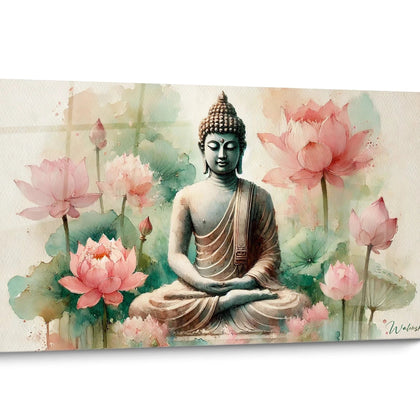
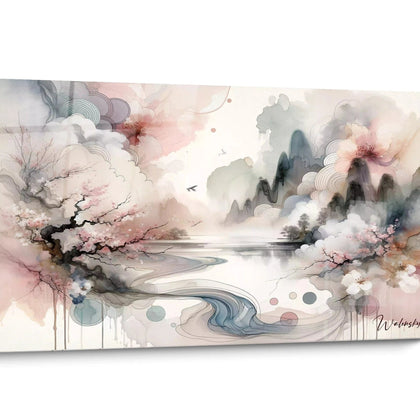
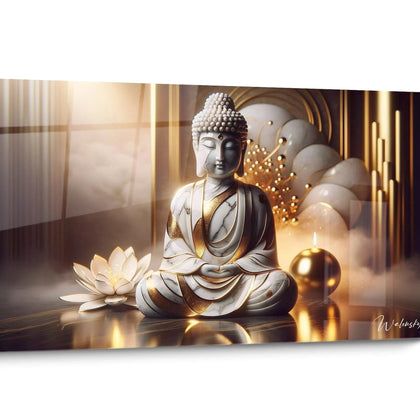
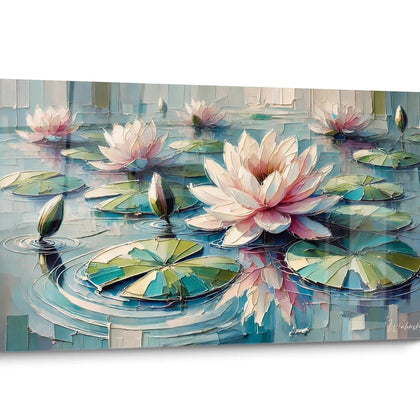
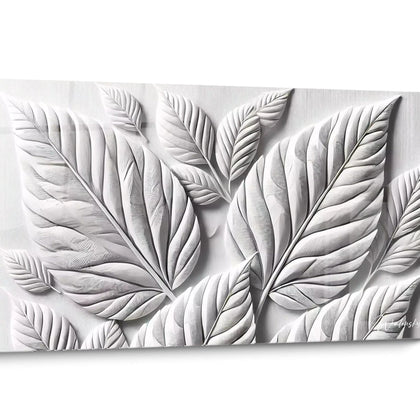
A flower wall art for psychologist office is far more than a simple decorative element in a therapeutic space. This monumental botanical representation creates an atmosphere conducive to mental calm and promotes emotional openness in patients from their arrival. Large-format floral compositions generate significant visual presence that transforms the consultation into an enriched sensory experience. The generous dimensions of these mural creations allow for immediate connection with nature, a therapeutic resource universally recognized for its regulatory benefits on the nervous system. Mental health professionals specifically seek these visual supports capable of establishing a climate of trust without requiring verbalization, particularly during initial sessions when speaking may be difficult.
The Psychological Impact of Floral Representations in the Therapeutic Space
The integration of a flower wall art for psychologist office is part of a thoughtful clinical approach aimed at reducing anticipatory anxiety in patients. Research in environmental psychology demonstrates that large-scale botanical visuals reduce salivary cortisol by 12 to 18% during the first twenty minutes of exposure. This explains why so many therapists specializing in stress management favor these visual supports in both their waiting rooms and consultation offices.
Which floral varieties should be prioritized for maximum calming effect?
Compositions featuring peonies, lotus, or magnolias generate emotional resonance particularly favorable for introspective exploration sessions. Their rounded forms and soft color palettes activate brain regions associated with emotional security. A large-format psychologist floral wall art featuring these species facilitates the emergence of positive childhood memories, thus easing work on early relational patterns. Patients with generalized anxiety disorders report a sense of maternal welcome when confronted with these imposing botanical representations.
Floral symbolism as a non-verbal projective medium
Beyond their decorative function, these mural works serve as projective medium during consultations. The psychologist can invite the patient to describe what a fully bloomed flower or still-closed bud evokes for them, thus revealing unconscious psychic dynamics. This approach proves particularly relevant with adolescents reluctant to direct verbalization, or during post-traumatic follow-ups where frontal speech reactivates defense mechanisms. An XXL floral motif psychologist office wall art offers sufficient detail to nourish several sessions of symbolic development. Professionals trained in expressive therapies appreciate this permanent visual resource that enriches their intervention toolkit without requiring additional materials.
Compatibility with different therapeutic approaches
Whether you practice cognitive-behavioral therapy, psychodynamic approach, or mindfulness, a flower wall art for psychologist office adapts to your theoretical framework. CBT therapists use it as a visual anchor point during cognitive defusion exercises, inviting patients to observe color nuances as a metaphor for non-judgmental thinking. Analytically-oriented practitioners see it as a transitional object facilitating positive transference. Some abstract wall art for psychologist office may suit more conceptual approaches, but floral representation retains immediate emotional accessibility that transcends theoretical divides, particularly valuable at the beginning of therapeutic journey.
Creating a Containing Atmosphere Through Floral Visual Choice
How does a floral wall art influence the first impression of the therapeutic setting?
The first fifteen seconds in an office determine 73% of the perception of professional competence according to studies on therapeutic alliance. A flower wall art for psychologist office of imposing dimensions instantly communicates several essential non-verbal messages: concern for patient well-being, attention to sensory environment, and a holistic care philosophy integrating aesthetic dimension. This monumental botanical presence humanizes clinical space often perceived as cold or medicalized, reducing the symbolic distance between caregiver and patient.
Patients consulting for professional burn-out or emotional exhaustion issues show particular reactivity to generous floral compositions. These visuals starkly contrast with mineral, over-stimulating work environments from which they seek protection. Pre-session contemplation of large-format flowers initiates necessary psychic transition between the external world and protected therapeutic space. Several occupational psychologists report that their patients now arrive five to ten minutes early to benefit from this visual decompression airlock.
Chromatic balance in service of emotional regulation
A soothing floral psychologist office wall art judiciously exploits chromatic ranges to modulate patient physiological state. Soft pink and creamy white tones lower heart rate by 4 to 7 beats per minute, creating optimal physiological conditions for introspection. Green nuances present in foliage activate the parasympathetic nervous system, facilitating emotional digestion of painful content addressed in sessions. This passive chromatic regulation effectively complements active emotion management techniques taught during therapy.
Adapting the format to the volume and function of the therapeutic space
For a standard consultation office of 12 to 18 square meters, a flower wall art for psychologist office of 120 to 180 cm width creates sufficient visual impact without overwhelming the environment. This monumental presence naturally imposes itself in the peripheral visual field of the patient seated in the therapeutic chair, offering visual refuge during necessary moments of silence for psychic elaboration. Offices dedicated to family or group therapies benefit from even more generous formats, the collective nature of care harmonizing with the breadth of floral composition that becomes visual metaphor for gathered diversity.
Professional Selection Criteria for Floral Wall Art in Therapeutic Practice
Why prioritize realistic floral compositions over stylized ones?
In the specific context of psychological consultation, the botanical fidelity of a flower wall art for psychologist office favors anchoring in reality, particularly crucial for patients presenting dissociative disorders or mentalization difficulties. Naturalistic details – petal veins, texture variations, organic gradients – engage focused attention that constitutes an antidote to anxious rumination. This visual precision also offers more material for therapeutic interventions using natural metaphor as an insight tool.
Professionals working in child psychiatry or with adolescents observe that large-format floral representations capture patient attention in ways rare in our smartphone-saturated environments. An XXL floral psychologist office wall art becomes convergence point for alternative visual focus to screens, reintroducing analog contemplation into new generations' experience. This attentional regulator function proves valuable during sessions with patients presenting attention disorders or problematic hyperconnection.
The importance of depth of field in visual composition
Unlike flat floral representations, compositions presenting multiple planes create enriched contemplative dimension. This depth invites the gaze to travel between foreground floral elements and suggested background, thus mimicking the therapeutic process itself which alternates between focus on immediate symptoms and exploration of deeper dynamics. Patients trained in mindfulness techniques spontaneously use these different planes as visual sweeping supports during breathing exercises performed at session beginning.
Aesthetic coherence with the practitioner's professional identity
The choice of a flower wall art for psychologist office should reflect your clinical positioning and professional personality. Humanistically-oriented therapists often prefer fully bloomed floral compositions evoking growth potential, while psychoanalytically-minded practitioners appreciate still-closed flower buds symbolizing latent content. This aesthetic coherence between visual support and care philosophy reinforces perceived authenticity by patients, a determining factor in establishing therapeutic trust. A large-dimension floral psychotherapy wall art thus becomes visual extension of your clinical identity, silently communicating your care values before the first verbal exchange.
Is flower wall art for psychologist office suitable for couples consultations?
Absolutely. Double or intertwined floral compositions visually symbolize relational dynamics, offering metaphorical support for addressing interdependence and autonomy. Couple therapists frequently use these visuals to illustrate concepts of differentiation and secure attachment.
What durability can be expected from professional-quality flower wall art for psychologist office?
Professional floral mural creations retain their chromatic intensity and visual impact for a minimum of 8 to 12 years, representing a durable therapeutic investment. Their constant presence also creates temporal reference points for patients in long-term follow-up, some spontaneously evoking the artwork as silent witness to their psychic evolution.
How should flower wall art for psychologist office be positioned in the consultation space?
The optimal location lies within the lateral visual field of the seated patient, rather than directly facing them. This peripheral position allows voluntary visual consultation without imposing stimulation, thus respecting the sensory opening rhythm proper to each patient and each moment of the therapeutic session.


 Canvas Flower Painting - Asia Edition233,90 €
 White Rose Painting No.5 - Nature Edition233,90 €
 Narcissus Wall Art No. 4 - Nature Edition233,90 €
 Iris Painting No.10 - Nature Edition233,90 €
 Iris Wall Art No. 9 - Nature Edition233,90 €
 Iris Wall Art N°1 - Nature Edition233,90 €
 Tulip Wall Art N°2 - Nature Edition233,90 €
 Lily Wall Art N°2 - Nature Edition233,90 €
 Wisteria Painting No. 2 - Nature Edition233,90 €
 Wisteria Wall Art No. 1 - Nature Edition233,90 €
 Cherry Blossom Wall Art No. 2 - Nature Edition233,90 €
 Arum Painting N°2 - Nature Edition233,90 €
 Arum Painting N°1 - Nature Edition233,90 €
 Luminous Fragility Wall Art - Zen Candle Edition233,90 €
 Sacred Purity Wall Art - Zen Lotus Flower Edition233,90 €
 Midnight Blue Painting - Abstract Flower Edition233,90 €
 Petals on Water Canvas - Abstract Flower Edition233,90 €
 Silk Glow Wall Art - Abstract Flower Edition233,90 €
 Porcelain Garden Wall Art - Abstract Flower Edition233,90 €
 Brilliance of Purity Wall Art - Abstract Flower Edition233,90 €
 Flowers and Lanterns Canvas - Zen Edition233,90 €
 Flower of Light Canvas - Zen Edition233,90 €
 Moon Flower Painting - Zen Edition233,90 €
 Blue Poetry Wall Art - Zen Edition233,90 €