


Wall Art for Psychologist Office Mountain
Our Painting for Psychologist's Office Mountain collection offers artistic works designed to create a serene atmosphere in your therapeutic space. These creations, inspired by alpine landscapes, combine soothing wall art for psychologists and the symbolism of peaks, evoking elevation, stability, and inner journey. Perfect for mountain-themed therapy office decor, these compositions promote relaxation and introspection for your patients while adding a touch of elegance and professionalism to your office.
 Painting Inspired by Wanderer Above the Sea of Fog by Caspar David Friedrich No.3 – Tribute to Famous Artist273,90 €
 Fir Tree Painting No. 1 - Nature Edition273,90 €
 Mountain Soul Canvas - Mount Fuji Asia Edition273,90 €
 Vertiginous Quietude Wall Art - Zen Edition273,90 €
 Forest Balance Canvas - Zen Edition273,90 €
 Minimalist Harmony Wall Art - Zen Edition273,90 €
 River of Dreams Wall Art - Asia Edition273,90 €
Explore further
In Wall Art for Psychologist Office Mountain
-
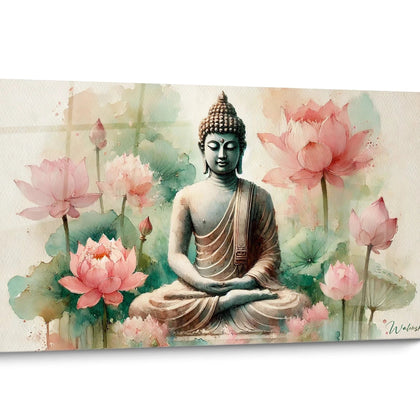 Wall Art for Psychologist's Office100
artworks
Wall Art for Psychologist's Office100
artworks
-
 Wall Art for Psychologist Office Watercolor6
artworks
Wall Art for Psychologist Office Watercolor6
artworks
-
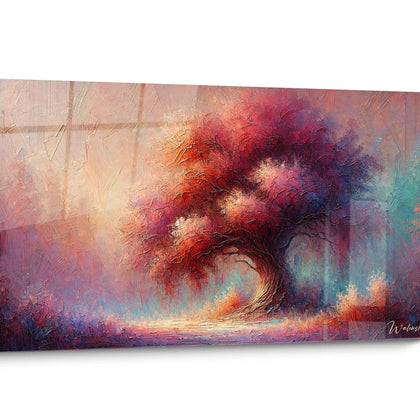 Wall Art for Zen Psychologist's Office24
artworks
Wall Art for Zen Psychologist's Office24
artworks
-
 Minimalist Wall Art for Psychologist's Office17
artworks
Minimalist Wall Art for Psychologist's Office17
artworks
-
 Abstract Wall Art for Psychologist's Office17
artworks
Abstract Wall Art for Psychologist's Office17
artworks
-
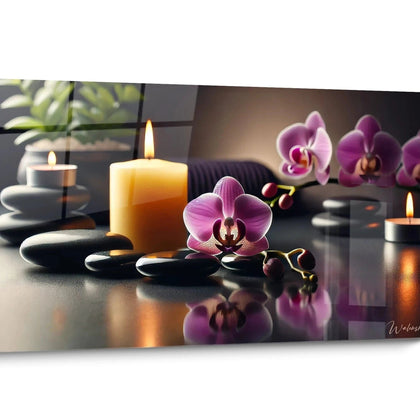 Psychologist Office Wall Art Flower24
artworks
Psychologist Office Wall Art Flower24
artworks
-
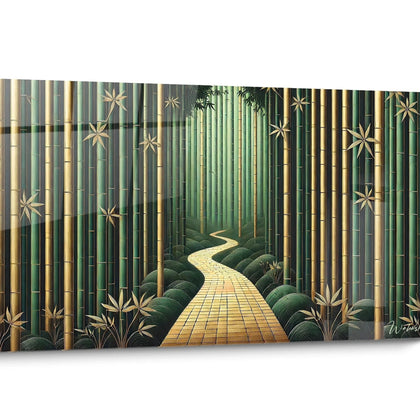 Wall Art for Psychologist Office Bamboo7
artworks
Wall Art for Psychologist Office Bamboo7
artworks
-
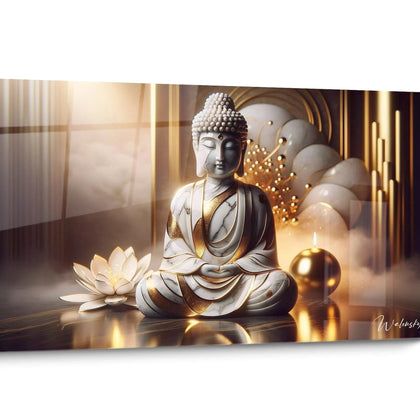 Buddha Wall Art for Psychologist Office9
artworks
Buddha Wall Art for Psychologist Office9
artworks
-
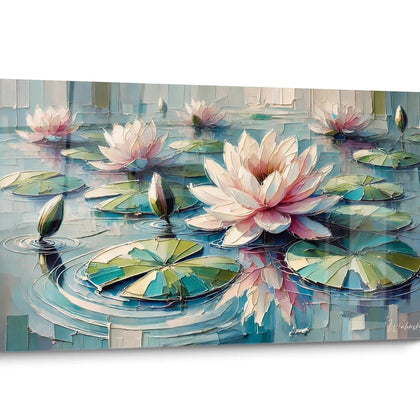 Wall Art for Psychologist's Office Lotus10
artworks
Wall Art for Psychologist's Office Lotus10
artworks
-
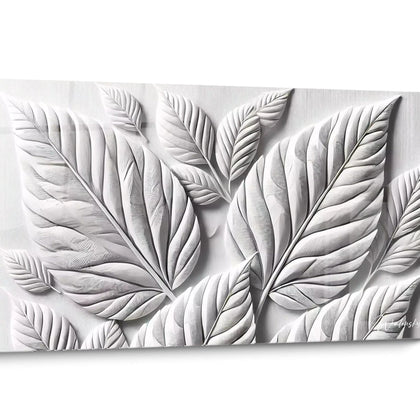 Wall Art for Psychologist Office Nature24
artworks
Wall Art for Psychologist Office Nature24
artworks


All about Wall Art for Psychologist Office Mountain
- Mountain Wall Art Overview
- Alpine Therapeutic Decoration
- Soothing Mountain Atmosphere
- Psychological Symbolism of Peaks
A mountain wall art for psychologist offices transforms the therapeutic environment by creating a visual connection with alpine landscapes and their calming power. These large-format representations of mountain ranges, valleys and snow-capped peaks offer patients visual anchoring during sessions, facilitating emotional expression and mental projection toward natural spaces of tranquility.
The Therapeutic Impact of Alpine Landscapes in the Consultation Space
Integrating a mountain wall art for psychologist offices responds to a precise clinical strategy: offering the patient a neutral yet symbolically charged focal point. Representations of peaks, ridges and alpine panoramas naturally activate mental associations linked to elevation, self-transcendence and expanded perspective, powerful therapeutic metaphors during cognitive or existential psychotherapy sessions.
Why do mountain panoramas facilitate the therapeutic alliance?
Mountain landscape visuals create neutral conversational ground. Unlike urban or complex figurative artworks, alpine landscapes offer compositional simplicity that doesn't impose specific cultural interpretation. The anxious patient finds visual calm in the horizontal lines of valleys, while peak verticals offer depressive profiles symbolism of ascension and perspective. This large-format dimension amplifies the immersion effect without overwhelming the therapeutic dialogue space.
Mountain color palette serving emotional regulation
The natural tones of mountain wall art for psychologist offices — slate gray, snowy whites, deep forest greens, atmospheric blues — constitute a color range recognized for its calming properties in affective neuroscience. These tempered hues avoid visual overstimulation while maintaining sufficient contrast to sustain attention. Patients suffering from hypervigilance or rumination find in these compositions a perceptual balance that promotes attentional recentering.
The visual architecture of terrain as metaphor for therapeutic journey
Mountain topography offers a natural representation of the therapeutic path: progressive ascents, difficult passages, consolidation plateaus, achieved summits. This visual metaphor proves particularly relevant in narrative therapy or solution-focused approaches, where the practitioner can rely on alpine imagery to illustrate therapeutic work stages. For offices specializing in life transition support or change management, these visuals subtly reinforce the therapeutic message.
To vary atmospheres according to consultation spaces, some practitioners combine multiple decorative styles, notably by integrating complementary abstract works in waiting rooms or relaxation spaces, creating visual progression between different office environments.
Creating a Containing Atmosphere with Large-Format Mountain Visuals
How do imposing dimensions strengthen the sense of therapeutic safety?
A mountain wall art for psychologist offices in large format modifies office spatial perception by creating a visual opening that counterbalances the sometimes oppressive intimacy of the therapeutic space. This virtual window onto alpine expanses offers the patient's gaze a non-intrusive escape during moments of intense emotional charge. The visual monumentality also establishes a stable and reassuring presence, a constant reference point in a space dedicated to exploring unstable psychic zones.
The articulation between mountain immersion and necessary therapeutic distance
Large-format alpine representations maintain a delicate balance: they create an enveloping ambiance without becoming overwhelming. Unlike hyperrealistic visuals that can distract, simplified compositions of peaks, ridge lines and distant horizons remain sufficiently stylized to stay in the therapeutic relationship background. This quality is essential in offices practicing EMDR or exposure therapies, where environmental visual control directly impacts patient emotional tolerance.
Mountain seasonal variations for adapting clinical atmosphere
Choosing snowy mountain representations versus summer alpine landscapes isn't psychologically neutral. Winter panoramas with their cool tones and chromatic minimalism suit mindfulness-focused practices and emotional regulation, creating a visually soothing environment. Verdant mountain scenes with alpine vegetation prove more dynamic, suited to behavior-activation therapies or accompanying patients in reconstruction phases.
What depth of field should be prioritized to optimize therapeutic effect?
Compositions with successive planes — rocky foreground, intermediate valley, peak chain at horizon — offer perceptual richness that stimulates mental projection. The patient can mentally "explore" the landscape, a technique used in guided relaxation or Ericksonian hypnosis. These mountain wall art for psychologist offices with deep perspective also facilitate therapeutic visualization exercises, allowing the practitioner to verbally anchor suggestions on different visual elements.
Natural light plays differently on mountain visuals depending on positioning. A location facing the patient, slightly offset from the therapist's direct gaze, allows the consultant to look toward the landscape during reflection moments without completely breaking relational contact.
The Symbolism of Peaks in the Therapeutic Relationship and Professional Design
Mountain archetypes as projection supports in analytical psychotherapy
In depth psychology, the mountain wall art for psychologist offices activates universal archetypes: the mountain as axis mundi, place of spiritual elevation and personal transformation. These symbols function as non-directive projection supports, allowing each patient to project their own meanings according to personal history. The Jungian or transpersonal-oriented therapist can rely on these imageries to explore the symbolic dimensions of patient experience, without imposing rigid interpretation.
The majestic isolation of peaks as individuation metaphor
Representations of solitary peaks or detached mountain ranges resonate particularly with individuation issues, separation or self-assertion. These visuals suit offices specializing in adolescent support, young adults seeking identity, or people traversing major biographical ruptures. The serene monumentality of peaks offers a visual model of stability in isolation, transforming endured solitude into chosen and constructive solitude.
Why do burnout-specialized offices favor alpine visuals?
Practitioners accompanying professional exhaustion observe that mountain wall art for psychologist offices resonates strongly with their patients. Alpine landscapes symbolize distance from urban and professional turmoil, offering visual representation of necessary distancing. Mountain spaces also evoke temporal slowdown, reconnection with natural rhythms, central themes in burnout recovery. These large-format visuals function as subliminal reminder of simplicity and essence values.
Integrating mountain visuals into coherent professional installation approach
Choosing mountain wall art for psychologist offices fits into comprehensive reflection on office visual identity. This alpine theme implicitly communicates about the therapeutic approach: grounding, stability, long-term perspective, overcoming obstacles. For practitioners developing professional communication around resilience, life challenge accompaniment or existential therapies, this visual coherence strengthens their clinical positioning readability for potential patients.
What mountain wall art format suits reduced consultation spaces?
For offices of 12 to 15m², prioritize a horizontal composition with low horizon line that visually enlarges space without crushing it. Panoramic formats create lateral opening that compensates for limited room depth.
Are mountain wall art for psychologist offices suitable for behavioral therapeutic approaches?
Absolutely. CBT can use these visuals as graduated exposure supports for patients suffering from environmental phobias, or as anchoring points during anxiety management exercises. The emotional neutrality of alpine landscapes makes them compatible with all therapeutic orientations.
How to renew the visual impact of long-installed mountain wall art?
Modifying ambient lighting or adding directed accent lighting radically transforms perception of familiar visuals. Also alternating with complementary compositions by season maintains perceptual freshness in the therapeutic environment without destabilizing patients accustomed to them.
Further reading


