


Wall Art for Doctor's Office Nature
Our Painting for doctor's office Nature collection transforms your medical space into a haven of peace. These works, inspired by natural landscapes, soothing forests, and botanical scenes, create a relaxing atmosphere for waiting rooms. Perfect for medical practices, clinics, and health centers, these artistic creations promote patient relaxation. Choose from our paintings nature alternative medicine to humanize your professional environment and create a reassuring setting conducive to well-being.
 Lake Painting No. 1 - Landscape Edition273,90 €
 Narcissus Wall Art No. 4 - Nature Edition273,90 €
 Iris Painting No.10 - Nature Edition273,90 €
 Iris Wall Art No. 9 - Nature Edition273,90 €
 Iris Wall Art N°1 - Nature Edition273,90 €
 Monstera Wall Art N°1 - Nature Edition273,90 €
 Lily Wall Art N°2 - Nature Edition273,90 €
 Wisteria Painting No. 2 - Nature Edition273,90 €
 Wisteria Wall Art No. 1 - Nature Edition273,90 €
 Cherry Blossom Wall Art No. 2 - Nature Edition273,90 €
 Ginkgo Leaf Wall Art No. 3 - Nature Edition273,90 €
 Ginkgo Leaf Wall Art No.1 - Nature Edition273,90 €
 Eucalyptus Wall Art No. 1 - Nature Edition273,90 €
 Mushroom Painting No.1 - Nature 2 Edition273,90 €
 Arum Painting N°2 - Nature Edition273,90 €
 Arum Painting N°1 - Nature Edition273,90 €
 Eternal Roots Wall Art - Zen Tree of Life Edition273,90 €
 Tree of Dreams Wall Art - Zen Tree of Life Edition273,90 €
 Lavender at Twilight Canvas - Lavender Fields Landscape Edition273,90 €
 Landscape wall art N°1 - Landscape edition273,90 €
 The Panda's Garden Painting - Giant Panda Animals Edition273,90 €
 Textured Nature Wall Art - Nature Edition273,90 €
 Golden Leaf Wall Art - Nature Edition273,90 €
 Zen Alley Wall Art - Zen Edition273,90 €
Explore further
In Wall Art for Doctor's Office Nature
-
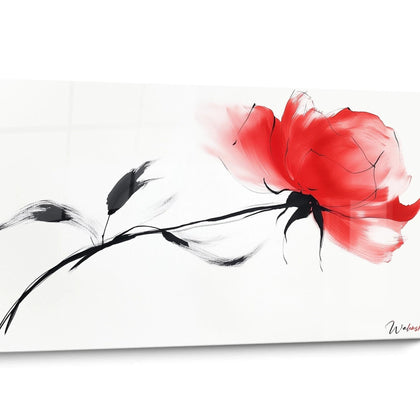 Wall Art for Medical Office100
artworks
Wall Art for Medical Office100
artworks
-
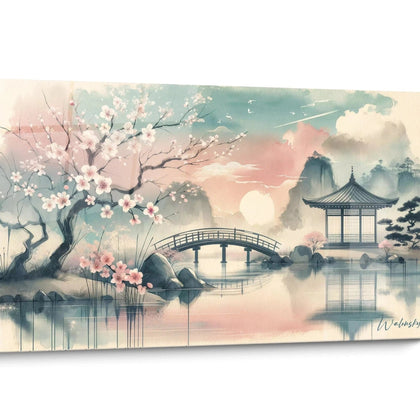 Wall Art for Zen Medical Office24
artworks
Wall Art for Zen Medical Office24
artworks
-
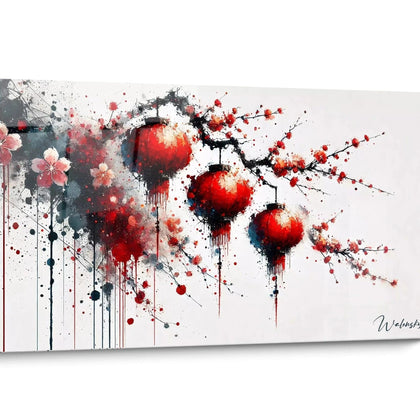 Medical Office Wall Art Watercolor8
artworks
Medical Office Wall Art Watercolor8
artworks
-
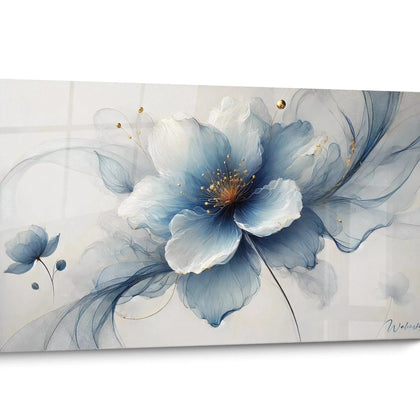 Abstract Wall Art for Medical Office17
artworks
Abstract Wall Art for Medical Office17
artworks
-
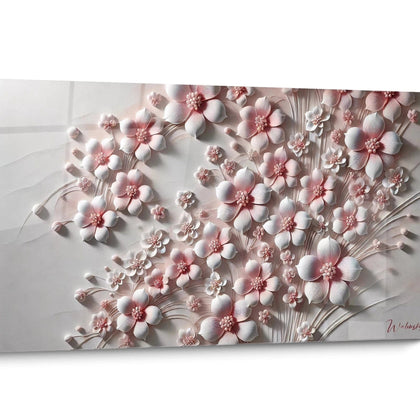 Wall Art for Medical Office Flower24
artworks
Wall Art for Medical Office Flower24
artworks
-
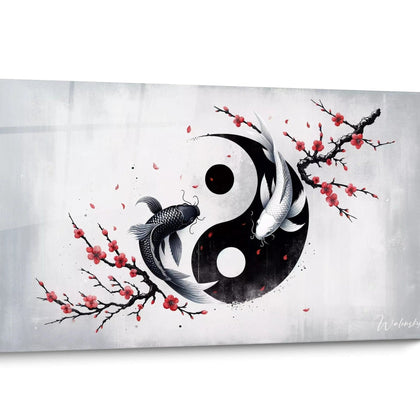 Asian Medical Office Wall Art12
artworks
Asian Medical Office Wall Art12
artworks
-
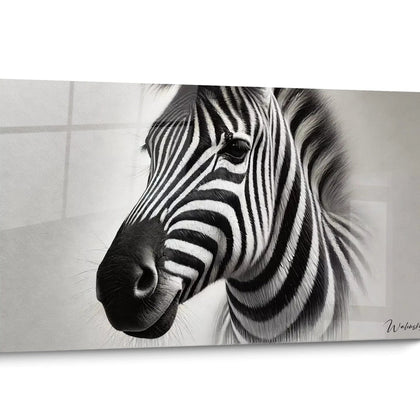 Minimalist Medical Office Wall Art22
artworks
Minimalist Medical Office Wall Art22
artworks
-
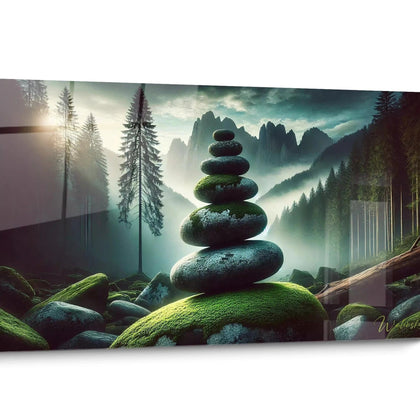 Mountain Wall Art for Medical Practice8
artworks
Mountain Wall Art for Medical Practice8
artworks
-
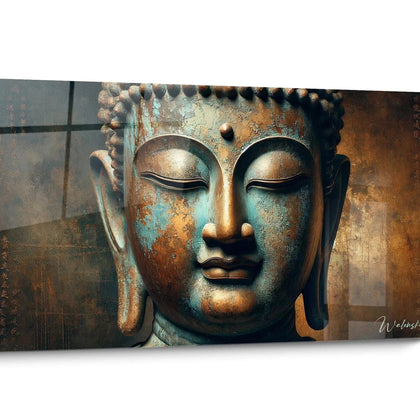 Buddha Wall Art for Medical Office9
artworks
Buddha Wall Art for Medical Office9
artworks
-
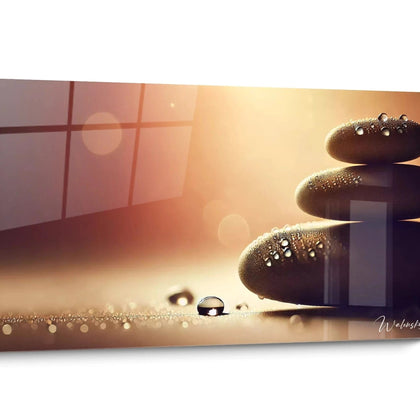 Wall Art for Doctor's Office Gold16
artworks
Wall Art for Doctor's Office Gold16
artworks
All about Wall Art for Doctor's Office Nature
- Nature Wall Art Presentation
- Soothing and Therapeutic Atmosphere
- Naturalism and Patient Expectation
- Choice and Psychological Impact
The paintings for doctor's office Nature transform the medical environment by creating a calming atmosphere thanks to representations of vegetation, landscapes and organic elements. These large-format wall creations integrate lush forests, mountain panoramas, botanical gardens and floral compositions specifically designed for consultation and care spaces. Unlike abstract or geometric compositions, these naturalistic visuals exploit the anxiolytic properties demonstrated by bucolic scenes to reduce patient stress before clinical examination. Vegetal imagery promotes measurable physiological relaxation through decreased heart rate and blood pressure, according to several studies in medical environmental psychology.
The Therapeutic Impact of Natural Visuals in Medical Consultations
The installation of a painting for doctor's office Nature responds to a specific strategy for reducing preoperative and pre-diagnostic anxiety. Forest, marine or countryside representations activate the neurological mechanisms of parasympathetic relaxation, particularly effective in waiting rooms where patients anticipate potentially worrying news. The imposing formats allow for complete visual immersion that diverts attention from immediate medical concerns.
What natural scenes best promote relaxation in a medical environment?
The aquatic panoramas with lakes, rivers or waterfalls generate a calming effect thanks to the mental association with fluidity and soothing movement. Compositions of flowering meadows stimulate positive emotional responses by evoking vitality and renewal. Dense forest scenes create a feeling of protection and intimacy sought during delicate consultations. Detailed botanical gardens offer a visual focal point distracting from anxious ruminations during prolonged waiting times.
Synergy with biophilia principles in healthcare spaces
The integration of massive natural visuals is in line with the documented biophilic approach to improve hospital recovery and reduce pain perception. These representations compensate for the absence of windows in some consultation rooms or examination rooms located in interior areas. Lush vegetal compositions enrich the limited sensory environment of medical structures often minimalist. Combining with indirect lighting optimizes the relaxing effect of green, blue and earthy tones characteristic of natural landscapes.
How do natural paintings reduce perceived waiting time?
Detailed scenes of various biotopes offer visual depth that the eye explores progressively, creating active cognitive distraction. This visual exploration modifies subjective temporal perception by occupying attention processes otherwise monopolized by impatience or apprehension. Patients report perceived waiting times reduced by 20 to 30% in spaces adorned with immersive natural visuals. Changing compositions depending on the viewing angle maintain visual interest during repeated consultations or chronic treatments requiring recurring visits.
Strategic Selection of Nature Paintings According to Medical Specialties
Adapting natural themes to specific clinical contexts
A painting for a medical office Nature should correspond to the emotional particularities of each medical specialty. In pediatrics, compositions of colorful gardens and friendly fauna create a playful environment reducing childhood anxiety related to vaccinations or exams. In oncology, scenes of auroras, autumn forests, or lavender fields evoke serenity and hope without denying the severity of treatments. In cardiology, calm maritime panoramas with extended horizons symbolize the regularity and inner peace beneficial to stressed cardiac patients.
The importance of luminosity in natural medical representations
Scenes bathed in golden natural light stimulate serotonin production in patients exposed daily to artificially illuminated clinical environments. Paintings of luminous undergrowth filtering sunlight through foliage recreate the revitalizing effect of Japanese shinrin-yoku. This painted luminosity compensates for the lack of natural exposure for bedridden or mobility-reduced patients. Compositions favoring clear skies and aquatic reflections maximize this beneficial light stimulation for morale.
Why prioritize monumental formats in examination rooms?
Imposing dimensions transform the austere clinical wall into a virtual window to open spaces, counteracting the claustrophobic effect of some small examination rooms. A panoramic format occupies the patient's entire field of vision while lying on the examination table, creating an exclusive focus on the soothing scene during invasive procedures. This total visual immersion activates the same neurological circuits as being effectively present in a natural environment. Extended horizontal compositions naturally accompany the medical furniture aligned along the walls.
Coordination with hygiene and cleaning protocols
Natural representations on resistant supports tolerate rigorous disinfection protocols without chromatic alteration, unlike living plants prohibited in certain sterile environments. Palettes dominated by soothing greens visually mask variations in cleanliness better than uniform light shades. If you are looking for a different approach, explore abstract compositions for medical offices which offer a complementary contemporary aesthetic. Smooth finishes facilitate daily maintenance essential to strict medical health standards.
Optimizing Patient Experience through Strategic Natural Imagery
Psychology of plant colors in anxiogenic medical contexts
Dominant green tones in a painting for a medical office Nature activate the brain areas associated with rest and recovery, reversing physiological responses to medical stress. Shades of aquatic blue reduce blood pressure and slow metabolism, ideally preparing the patient for precise clinical measurements. Touches of floral warm colors introduce just enough positive stimulation to avoid monotony without causing agitation. This specific color balance transforms the consultation into a less threatening experience.
Creating focal points during unpleasant procedures
Paintings of waterfalls, flocks of birds, or fields swaying in the wind offer dynamic visual elements to focus on during blood draws, injections, or uncomfortable examinations. This visual distraction technique reduces the measurable perception of pain by patient discomfort scales. Complex compositions with multiple planes of depth maintain the cognitive engagement necessary for this effective attentional diversion. Formats positioned precisely within the patient's visual field during the examination maximize this non-pharmacological analgesic effect.
How do nature paintings improve doctor-patient communication?
A soothing visual environment reduces relational anxiety, allowing patients to express their symptoms more completely and precisely. The relaxed atmosphere facilitates delicate questions and discussions about sensitive lifestyle habits. Physicians report more productive consultations in offices integrating soothing natural visuals versus standard sterile clinical spaces. This communication improvement optimizes diagnostic quality and subsequent therapeutic adherence.
Integration into chronic care pathways and regular follow-ups
For patients requiring frequent medical visits, seasonal natural representations create a reassuring familiarity while avoiding fatigue thanks to seasonal variations. Spring blooming scenes inspire renewal and optimism during remission phases. Serene winter landscapes accompany necessary therapeutic rest periods. This conceptual rotation maintains visual interest and psychologically supports prolonged treatment cycles.
What nature painting format is suitable for small medical offices?
For restricted spaces, prioritize vertical compositions of tall forests or waterfalls that exploit wall height without visually cluttering. Narrow rectangular formats integrate between mandatory wall-mounted medical equipment. Scenes with deep perspective create an illusion of space, visually enlarging small rooms.
Are nature paintings suitable for cosmetic dermatology clinics?
Absolutely, compositions of lush gardens and smooth plant skins establish visual associations with skin health and dermal vitality. Representations of dew on petals or regenerated bark subtly evoke cellular renewal processes. These natural metaphors perfectly complement aesthetic goals without appearing commercial.
How to choose between marine and forest landscapes for a medical office ?
Marine environments are suitable for cardiovascular and respiratory specialties due to their associations with fluidity and oxygenation. Forest scenes adapt better to general medicine, pediatrics, and psychiatry practices thanks to their emotional versatility. Also consider the local geography: marine paintings resonate more in coastal regions while forests speak to mountain or rural populations.
L'art qui suscite l'envie
Maison belge d'art mural grand format
14 jourspour changer d'avis*
Protection Walenskyincluse
Fabriquéen Italie
FormatXXL
Kit de fixationtoujours fourni
* Hors tableaux personnalisés et tailles personnalisées


