









Wall Art for Zen Medical Office
Artwork for doctor's office Zen : transform your medical space into a haven of peace. Our collection of soothing art for doctor's office combines professional aesthetics and therapeutic serenity. These carefully selected works create a relaxing atmosphere that reduces patient anxiety and enhances your practice. Soft tones, harmonious compositions, and natural motifs blend perfectly into any medical environment. Ideal for zen waiting room decor, each creation brings calm and well-being.
 Wall Art In the Silence of the Reeds - Japanese Asia Edition273,90 €
 Koi Dance Wall Art - Asia Edition273,90 €
 Ginkgo Leaf Wall Art No. 3 - Nature Edition273,90 €
 Ginkgo Leaf Wall Art No.1 - Nature Edition273,90 €
 Arum Painting N°2 - Nature Edition273,90 €
 Arum Painting N°1 - Nature Edition273,90 €
 Organic Fortress Wall Art - Zen Bamboo Edition273,90 €
 Ephemeral Stability Wall Art - Zen Feng Shui Edition273,90 €
 Spiritual Harmony Artwork - Zen Buddha Edition273,90 €
 Natural Harmony Canvas - Diverse Zen Edition273,90 €
 Azure Mist Wall Art - Abstract Seascape Edition273,90 €
 Zen Alley Wall Art - Zen Edition273,90 €
 Balance Pastel Wall Art - Zen Edition273,90 €
 Flowers and Lanterns Canvas - Zen Edition273,90 €
 Flower of Light Canvas - Zen Edition273,90 €
 Forest Balance Canvas - Zen Edition273,90 €
 Floral Softness Artwork - Zen Edition273,90 €
 Minimalist Harmony Wall Art - Zen Edition273,90 €
 Moon Flower Painting - Zen Edition273,90 €
 Inner Awakening Wall Art - Zen Edition273,90 €
 Balance Wall Art - Zen Edition273,90 €
 Calm Turquoise Wall Art - Zen Edition273,90 €
 Perfect Balance Artwork - Asia Edition273,90 €
 Spring Softness Wall Art - Asia Edition273,90 €
Explore further
In Wall Art for Zen Medical Office
-
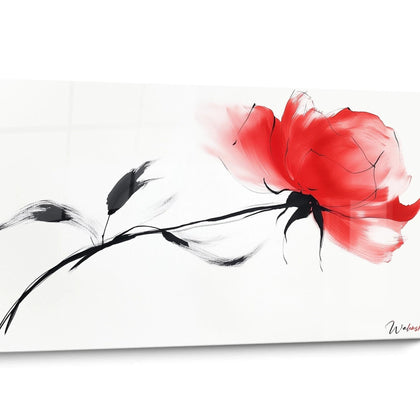 Wall Art for Medical Office100
artworks
Wall Art for Medical Office100
artworks
-
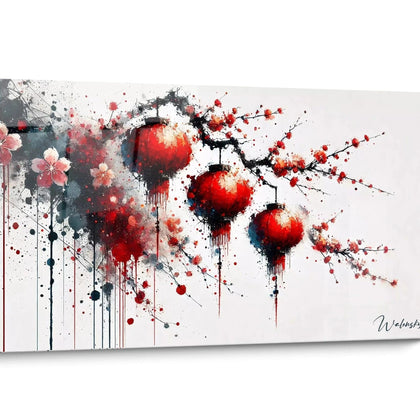 Medical Office Wall Art Watercolor8
artworks
Medical Office Wall Art Watercolor8
artworks
-
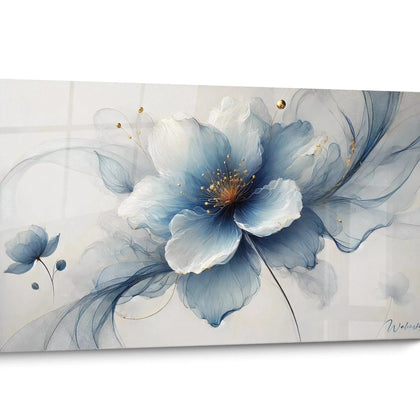 Abstract Wall Art for Medical Office17
artworks
Abstract Wall Art for Medical Office17
artworks
-
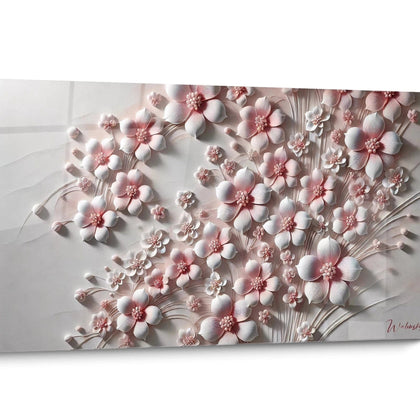 Wall Art for Medical Office Flower24
artworks
Wall Art for Medical Office Flower24
artworks
-
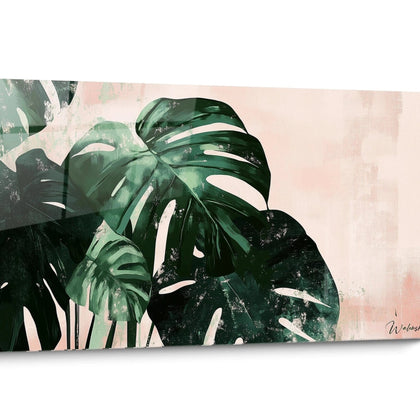 Wall Art for Doctor's Office Nature24
artworks
Wall Art for Doctor's Office Nature24
artworks
-
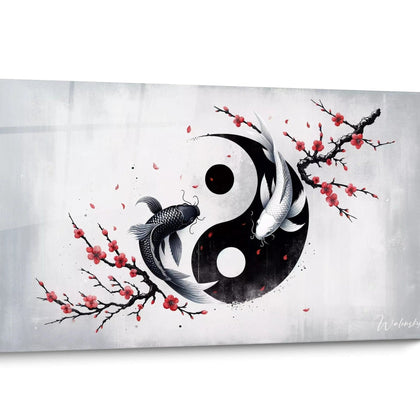 Asian Medical Office Wall Art12
artworks
Asian Medical Office Wall Art12
artworks
-
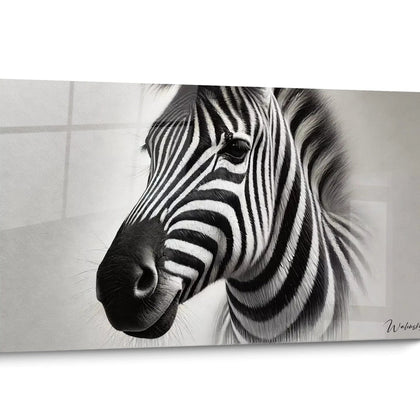 Minimalist Medical Office Wall Art22
artworks
Minimalist Medical Office Wall Art22
artworks
-
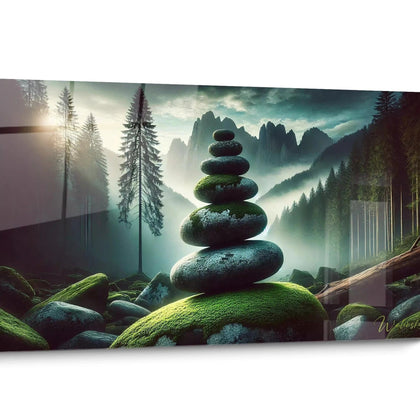 Mountain Wall Art for Medical Practice8
artworks
Mountain Wall Art for Medical Practice8
artworks
-
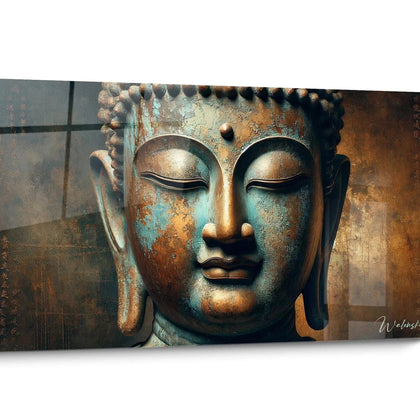 Buddha Wall Art for Medical Office9
artworks
Buddha Wall Art for Medical Office9
artworks
-
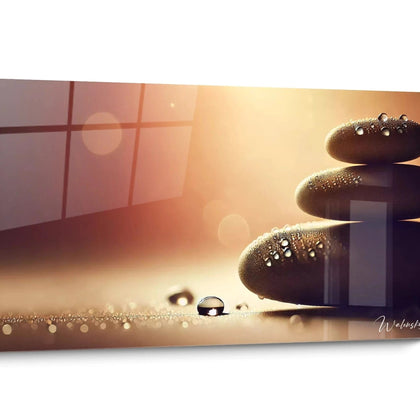 Wall Art for Doctor's Office Gold16
artworks
Wall Art for Doctor's Office Gold16
artworks
All about Wall Art for Zen Medical Office
- Zen Wall Art Presentation
- Zen Wall Art for Medical Offices
- Creating Calming Medical Spaces
- Visual Impact in Consultation Rooms
The zen wall art for medical office represents much more than a simple decorative element in your consultation space. It constitutes a genuine therapeutic tool that actively participates in reducing patient stress and anxiety from the moment they arrive. In a medical environment where emotions can be intense, the integration of calming visuals inspired by zen philosophy radically transforms the atmosphere of your office. These large-scale wall artworks create visual anchoring points that allow patients to mentally refocus before their consultation, thus facilitating a more serene dialogue with the practitioner. Investment in zen wall art for your medical office demonstrates your commitment to a holistic approach to well-being, where the physical environment actively supports the healing process.
Zen Art in Service of the Therapeutic Relationship
In contemporary medical practice, zen wall art for medical offices has become a strategic element for establishing immediate trust. Representations of Japanese gardens, bamboo, or mineral compositions create a contemplative atmosphere that profoundly modifies the physiology of anxious patients. When a stressed patient enters your waiting room or consultation office, their autonomic nervous system is on alert. Large-format zen visuals offer natural support for emotional regulation, decreasing heart rate and promoting deeper breathing before the medical examination even begins.
How do zen patterns reduce preoperative anxiety?
Studies in environmental psychology demonstrate that pared-down visual compositions, characteristic of zen wall art for medical offices, significantly decrease stress markers. Patients awaiting examination results or surgical intervention particularly benefit from these calming visual supports. Soft color palettes—natural beiges, delicate greens, stone grays—activate brain areas associated with serenity. A large-format zen wall artwork placed facing the examination chair allows the patient to focus attention on harmonious elements rather than their apprehension, thus facilitating stressful medical procedures such as blood draws or complex diagnoses.
Sensory integration in healing spaces
The choice of zen wall art for a medical office is part of a comprehensive approach to optimizing the sensory environment of the therapeutic space. Unlike more dynamic abstract compositions, zen visuals prioritize natural symmetry and organic forms that resonate with our deep biology. Medical specialists in geriatrics, pediatrics, or oncology observe that these representations reduce agitation behaviors and promote cooperation during examinations. Monumental formats create visual immersion that effectively diverts attention from potentially anxiety-inducing medical equipment, radically transforming the perception of the consultation space.
Which zen visual elements should you prioritize for different medical specialties?
Selection of zen wall art for a medical office should adapt to the specifics of your practice. Cardiologists favor fluid aquatic representations evoking harmonious circulation, while neurologists opt for zen geometric compositions suggesting neurological balance. Physiotherapists frequently choose visuals of stacked stones symbolizing regained stability, resonating with rehabilitation objectives. For general medicine offices welcoming diverse patients, universal zen nature scenes—bamboo forests, moss gardens, water reflections—offer visual language accessible to all ages and cultures, creating neutral ground conducive to therapeutic alliance.
Designing a Calming Patient Journey Through Visual Design
Arranging a medical office with large-format zen wall artworks responds to a precise strategy for managing the patient's emotional journey. From the waiting room itself, a monumental zen visual immediately captures attention, interrupting the rumination-anxiety cycle characteristic of patients apprehending their consultation. This first visual encounter establishes an implicit psychological contract: here, care comes with gentleness. Practitioners observe a notable decrease in complaints about waiting time when large-format zen wall art occupies the main focal point, offering a contemplation point that temporarily suspends health concerns.
Optimizing waiting areas in specialized medicine
In specialized medicine offices where patients return regularly—dialysis, chemotherapy, chronic disease monitoring—zen wall art for medical offices becomes a reassuring familiar landmark. These patients develop a personal relationship with the artwork, discovering new details with each visit, transforming medical obligation into contemplative ritual. XXL formats allow appreciation at different distances: from the entrance door, the harmonious whole captures attention; from a seated waiting position, compositional subtleties progressively reveal themselves. This visual depth constructively occupies the mind, reducing the need for personal screens and promoting a receptive mental state before consultation.
Which zen compositions work in small consultation rooms?
Paradoxically, large-format zen wall artworks prove particularly effective in restricted consultation spaces typical of urban medical centers. A panoramic zen visual creates an illusion of spatial openness, counteracting the sensation of anxiety-inducing confinement. Representations of zen forest paths generate perspective that visually enlarges the room, while horizontal mineral compositions optically lower the ceiling, creating a protective cocoon. Doctors practicing in individual offices report that these monumental zen wall artworks compensate for the absence of windows, a frequent architectural problem that increases environmental stress for claustrophobic or anxious patients.
Visual coherence between waiting room and consultation space
An advanced strategy involves deploying multiple zen wall artworks for medical offices forming a thematic continuity across different spaces. This approach creates a visual thread that accompanies the patient in their spatial progression, from reception to examination to the payment area. Offices grouped in a medical center use coordinated zen visual series to unify visual identity while allowing each practitioner to express their specificity. Coherent color palettes—dominated by calming greens or natural beiges—unconsciously reinforce the perceived professionalism of the medical structure, a determining factor in patient satisfaction and therapeutic compliance.
Environmental Psychology Applied to Healing Spaces
Zen wall art for medical offices relies on decades of environmental psychology research demonstrating the impact of natural visuals on medical recovery. Pioneer Scandinavian hospitals established that patients exposed to zen nature representations present reduced hospitalization durations and lower analgesic consumption. These principles apply perfectly to ambulatory medicine offices where large-format zen wall art becomes a silent therapeutic partner. Pared-down compositions activate the parasympathetic nervous system, responsible for relaxation, creating optimal physiological conditions for medical examination and exchange of sensitive information.
The influence of zen visuals on doctor-patient communication
A little-known aspect of zen wall art for medical offices concerns its impact on therapeutic communication quality. When the patient has a calming visual focal point during difficult announcements—chronic disease diagnosis, unfavorable results—they can regulate their emotions more effectively. Psychiatrists and psychologists strategically use these visuals as supports for emotional regulation, explicitly inviting patients to focus their gaze on the zen artwork during moments of distress. This simple yet powerful technique facilitates navigating difficult emotions without overflow, enabling subsequent return to constructive dialogue about therapeutic options.
How should you position zen wall art to maximize its therapeutic effectiveness?
Strategic placement of zen wall art for medical offices largely determines its effectiveness. The optimal location sits within the patient's natural field of vision when seated, slightly above the visual horizon line, thus avoiding neck tension from prolonged contemplation. Wise practitioners avoid positioning the artwork directly behind them, which would force the patient to constantly alternate their gaze between the doctor and the artwork. The ideal configuration places the zen visual on a side wall, accessible to peripheral vision during consultation, allowing the patient to visually retreat there during uncomfortable examination moments without breaking contact with the practitioner.
Long-term benefits to medical reputation
Beyond immediate therapeutic advantages, investment in zen wall art for medical offices positively influences professional reputation long-term. Patients spontaneously mention the calming atmosphere in online reviews, a decisive factor for new patients seeking a practitioner. This qualitative differentiation becomes particularly strategic in areas with high medical density where office atmosphere constitutes a selection criterion as important as technical skills. Doctors who have integrated these zen elements report improved satisfaction scores, reduced missed appointments, and increased patient loyalty, demonstrating that therapeutic visual environment represents a worthwhile investment across multiple dimensions.
Is zen wall art for medical offices suitable for all medical specialties?
Absolutely. Whether you practice in general medicine, pediatrics, gynecology, or psychiatry, zen compositions adapt to all therapeutic contexts. Their cultural neutrality and emotional universality make them safe choices for any diverse patient base, offering common calming ground independent of individual histories.
What zen wall art size should you choose for a 20m² medical office?
For a standard 20m² consultation space, opt for formats between 120x80cm and 150x100cm that create significant visual impact without overwhelming the space. Generous dimensions are essential for generating the sought-after immersive effect, transforming the wall into a contemplative window toward a calming zen universe.
Does zen wall art for medical offices require special maintenance?
Professional-quality zen wall artworks require minimal maintenance. A monthly dusting with a microfiber cloth generally suffices. Avoid direct sun exposure to preserve the saturation of calming colors over time, thus guaranteeing lasting therapeutic effectiveness of your visual investment.
Further reading


