


Asian Medical Office Wall Art
The Asian Medical Office Wall Art brings serenity and harmony to your professional space. This sublime collection combines traditional Oriental art with the needs of modern medical environments. Zen bamboos, blooming cherry blossoms, soothing landscapes and inspiring calligraphies create a relaxing atmosphere for waiting rooms. Ideal for healthcare office wall decoration, these artworks reassure your patients and promote their well-being from the moment they arrive.
 Wall Art In the Silence of the Reeds - Japanese Asia Edition233,90 €
 Canvas Flower Painting - Asia Edition233,90 €
 Koi Dance Wall Art - Asia Edition233,90 €
 High Perch Wall Art - Asia Edition233,90 €
 Under the Leaves Canvas, a Poetry - Zen Koi Edition233,90 €
 Asian wall art No. 1 - Asia Edition233,90 €
 River of Dreams Wall Art - Asia Edition233,90 €
 Petals Poetry Wall Art - Asia Edition233,90 €
 Flower Garden Wall Art - Asia Edition233,90 €
 Perfect Balance Artwork - Asia Edition233,90 €
 Spring Softness Wall Art - Asia Edition233,90 €
 Mist and Cherry Blossoms Wall Art - Asia Edition233,90 €
Explore further
In Asian Medical Office Wall Art
-
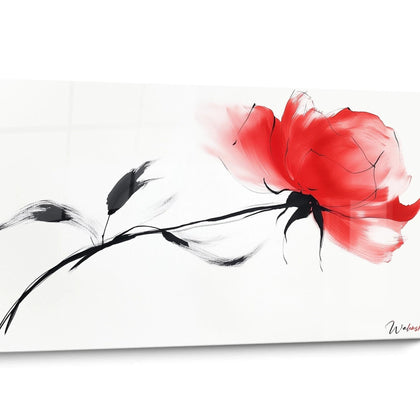 Wall Art for Medical Office100
artworks
Wall Art for Medical Office100
artworks
-
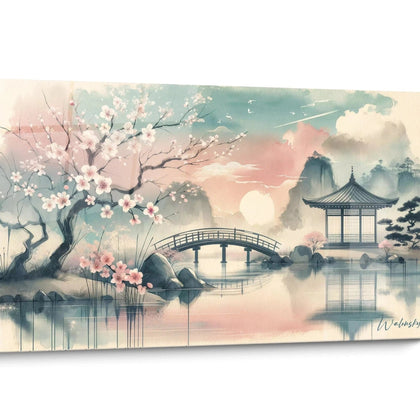 Wall Art for Zen Medical Office24
artworks
Wall Art for Zen Medical Office24
artworks
-
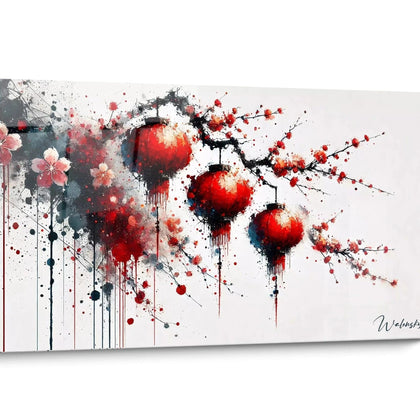 Medical Office Wall Art Watercolor8
artworks
Medical Office Wall Art Watercolor8
artworks
-
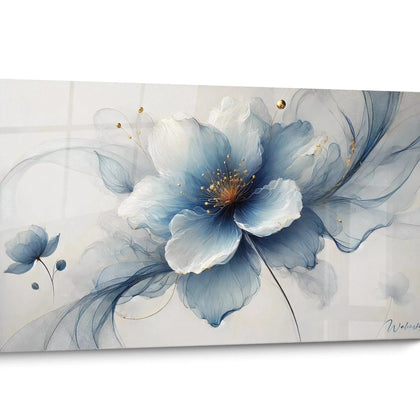 Abstract Wall Art for Medical Office17
artworks
Abstract Wall Art for Medical Office17
artworks
-
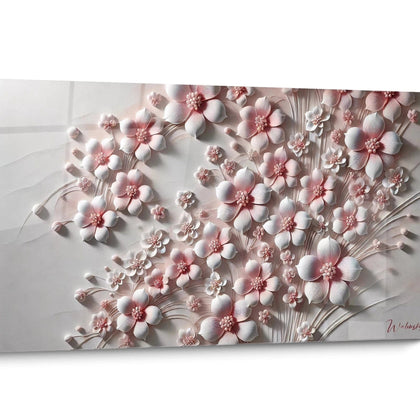 Wall Art for Medical Office Flower24
artworks
Wall Art for Medical Office Flower24
artworks
-
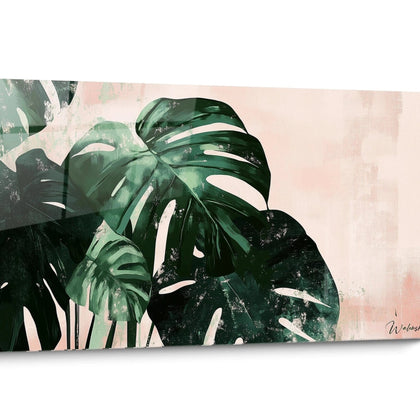 Wall Art for Doctor's Office Nature24
artworks
Wall Art for Doctor's Office Nature24
artworks
-
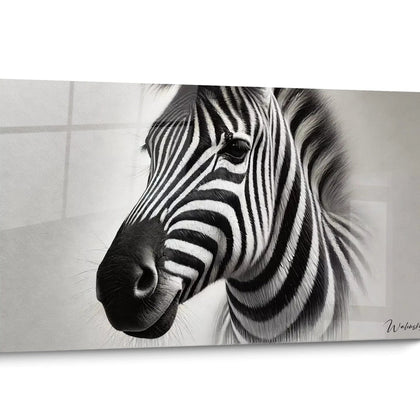 Minimalist Medical Office Wall Art22
artworks
Minimalist Medical Office Wall Art22
artworks
-
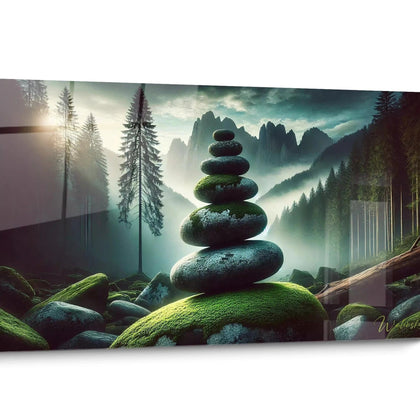 Mountain Wall Art for Medical Practice8
artworks
Mountain Wall Art for Medical Practice8
artworks
-
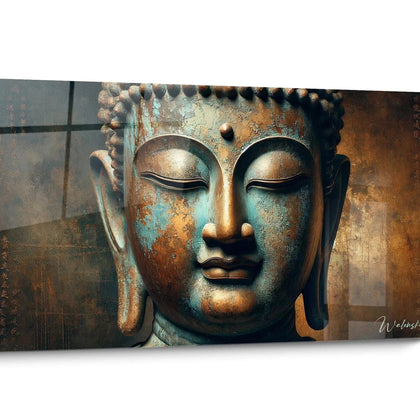 Buddha Wall Art for Medical Office9
artworks
Buddha Wall Art for Medical Office9
artworks
-
 Wall Art for Doctor's Office Gold16
artworks
Wall Art for Doctor's Office Gold16
artworks
All about Asian Medical Office Wall Art
- Asian Wall Art for Medical Offices
- Oriental Medical Symbolism
- Patient Stress Relief
- Professional Zen Atmosphere
Wall art for Asian medical offices represents a decorative approach deeply rooted in Oriental philosophies of care and harmony. These large-scale mural creations transform medical environments by integrating visual representations inspired by Japanese, Chinese, Korean, or Vietnamese culture. Whether featuring zen mountain landscapes, bamboo gardens, cherry blossom compositions, or authentic Asian calligraphy, each visual fosters a climate conducive to physical and mental well-being. For practitioners wishing to enrich their decoration with other complementary visual approaches, exploring options for abstract medical office wall art can offer interesting decorative diversity.
The Influence of Asian Traditional Medicine in the Healing Environment
Wall art for Asian medical offices creates a visual bridge between Western therapeutic approaches and ancient Oriental health philosophies. Compositions representing elements such as yin and yang, the five elements (wood, fire, earth, metal, water), or energetic meridians subtly remind viewers of the foundations of acupuncture and Chinese medicine. This cultural connection is particularly relevant for practitioners using integrative approaches or welcoming patients receptive to complementary medicine.
How do Asian symbols influence the perception of a medical office?
Oriental iconography conveys messages of longevity, balance, and vitality that resonate deeply with the medical mission. An imposing format depicting Japanese cranes symbolizes longevity, while lotus flowers evoke rebirth and purification. Bamboo compositions embody resilience and flexibility—essential qualities in the healing journey. These cultural references unconsciously enrich the patient experience by creating positive associations with health.
Adaptation to Specialized Oriental Medical Practices
For acupuncture, traditional Chinese medicine, or shiatsu offices, wall art for Asian medical spaces reinforces the aesthetic and conceptual coherence of the environment. Representations of stylized acupuncture points, energy flows, or contemporary zen gardens visually anchor the legitimacy of these practices. These large-scale visuals function as subtle educational tools, familiarizing patients with energetic concepts while preserving a professional atmosphere.
Which Asian philosophies are relevant in a medical context?
Japanese wabi-sabi, celebrating the beauty of imperfection, resonates particularly with acceptance of non-linear healing processes. The Chinese concept of qi (vital energy) materializes visually through fluid and dynamic compositions. The Japanese philosophy of ma (empty space) translates into minimalist compositions promoting mental clarity—an asset in medical environments often charged with anxiety.
Stress Reduction Before Consultation Through Oriental Aesthetics
Medical waiting rooms frequently generate high levels of anticipatory anxiety. Large-scale wall art for Asian medical offices serves as a soothing focal point, diverting attention from health concerns. Scenes of Japanese zen gardens, with their balanced compositions of rocks, raked sand, and sparse vegetation, induce meditative contemplation that measurably reduces waiting patients' heart rate and blood pressure.
Why do Asian landscapes promote medical relaxation?
Representations of misty Chinese mountains or temples in mist create visual depth inviting mental travel—a psychological escape mechanism particularly effective before a stressful consultation. These large-format panoramas establish extended spatial perspective contrasting with the confinement often felt in medical spaces. Cherry blossom compositions evoke ephemeral beauty and seasonal renewal, offering philosophical perspective to patients facing difficult diagnoses.
The Impact of Traditional Asian Colors on Emotional States
Oriental color palettes favor specific hues with documented psychological effects. Cerulean blues from Chinese porcelain lower blood pressure and slow metabolism, creating a state of physiological calm. Jade greens evoke restorative nature while symbolizing health in Chinese tradition. Touches of vermillion red, used sparingly, stimulate vital energy without causing agitation—a delicate balance particularly suited to healing environments.
How do repetitive Asian patterns influence the perception of waiting time?
Japanese ornamental compositions (seigaiha, asanoha, kikko) create hypnotic visual rhythms that subjectively alter temporal perception. These organic geometric patterns, presented in large format, capture attention without overwhelming it, making waiting less arduous. Compositions of stylized waves evoke natural cycles and fluidity—reassuring concepts in medical contexts often perceived as rigid and procedural.
Building a Distinctive Professional Identity Through Oriental Art
In a standardized medical sector, large-scale wall art for Asian medical offices establishes a memorable visual signature differentiating the practitioner. This aesthetic personalization communicates specific professional values: holistic approach, intercultural sensitivity, openness to complementary therapeutic traditions. Patients actively seeking these characteristics immediately identify these visual signals as indicators of compatibility with their healthcare expectations.
Strategic Positioning of Oriental Compositions in Medical Spaces
The optimal placement of large-format Asian visuals varies according to therapeutic objectives. In consultation rooms, a composition behind the practitioner establishes an authoritative backdrop tinged with ancient wisdom, subtly reinforcing credibility. In treatment areas (examination rooms, treatment zones), a visual facing the patient offers a fixation point during uncomfortable procedures, functioning as a visual anchor reducing pain perception.
What is the ideal dimension to maximize therapeutic impact?
Monumental formats (minimum 120x80 cm) create an immersive presence qualitatively transforming the environment rather than simply decorating it. These dimensions allow appreciation of subtle details—bamboo leaf veins, rice paper texture, atmospheric gradations in mountain landscapes—inviting prolonged observation with meditative benefits. This visual scale also communicates investment in patient experience, signaling that the practitioner values the healing environment beyond its strict medical functionality.
How to harmonize multiple Asian decorative elements without visual overload?
The Japanese principle of ma (spatial interval) guides balanced arrangement. A monumental Asian visual functions as a unique centerpiece around which discrete complementary elements organize themselves: ceramic plant holders, understated shoji screens, minimalist ikebana floral arrangements. This curatorial approach prevents thematic saturation while maintaining sophisticated Oriental aesthetic coherence.
Frequently Asked Questions About Wall Art for Asian Medical Offices
Is wall art for Asian medical offices suitable for all medical specialties?
These creations particularly adapt to specialties valuing holistic patient approach: general medicine, psychiatry, geriatrics, integrative medicine, supportive oncology. Disciplines where the therapeutic relationship and stress reduction constitute central components benefit maximally from this calming and philosophically rich aesthetic.
Could Asian representations be perceived as cultural appropriation in a Western office?
When selected with cultural sensitivity and authentic respect for represented traditions, these works testify to appreciated intercultural openness. Prioritizing compositions evoking universal concepts (nature, balance, serenity) rather than specific religious symbols minimizes misunderstanding while preserving Oriental aesthetic essence.
What renewal frequency should be recommended to maintain the visual impact of wall art for Asian medical offices?
Unlike ephemeral decorative trends, traditional Asian aesthetics possess conceptual timelessness allowing prolonged presence without perceived obsolescence. Renewal every 3-5 years suffices, favoring seasonal rotation (spring cherry blossoms, summer bamboo, autumn maples, winter landscapes) to maintain visual freshness while preserving overall thematic coherence.


