

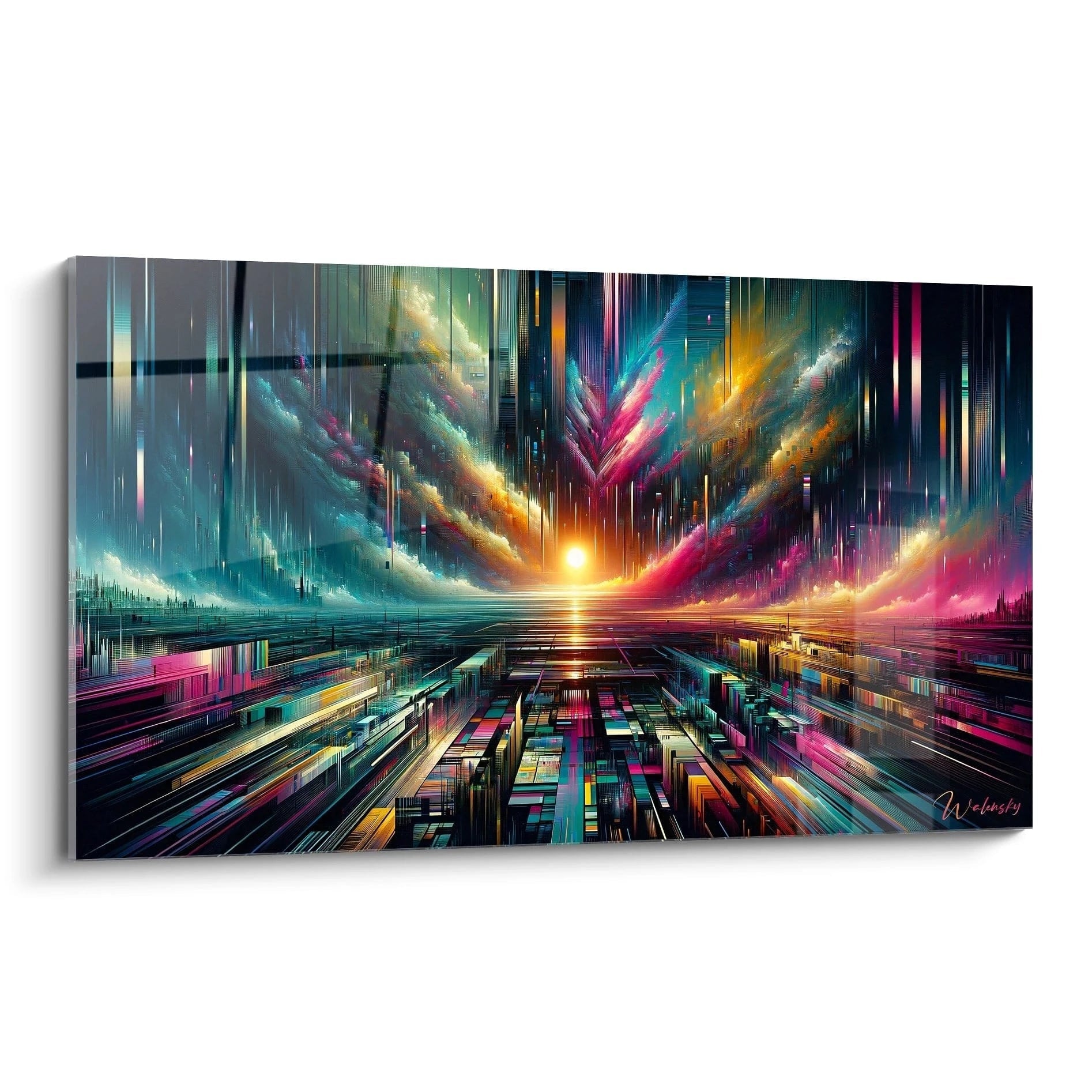
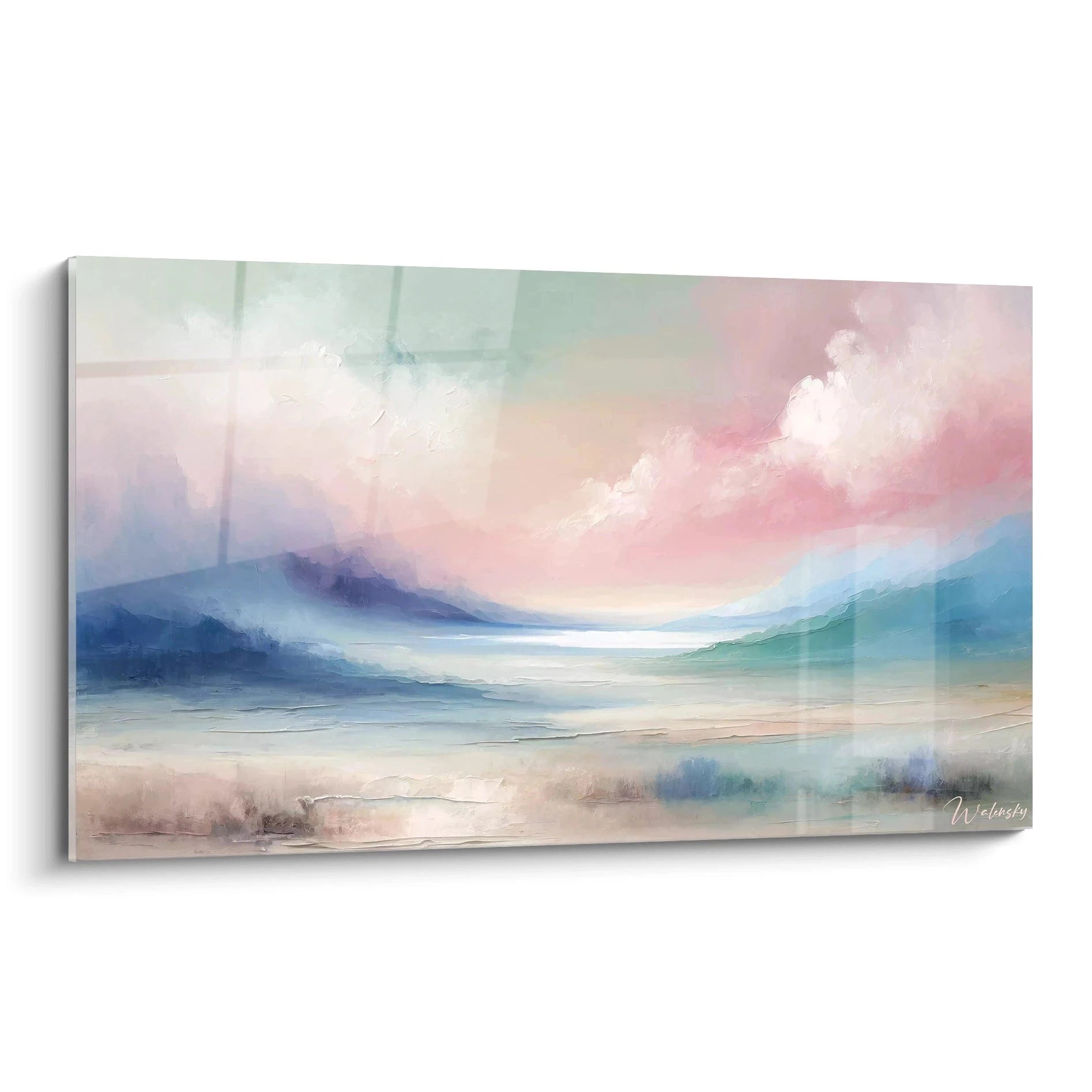


Minimalist Medical Office Wall Art
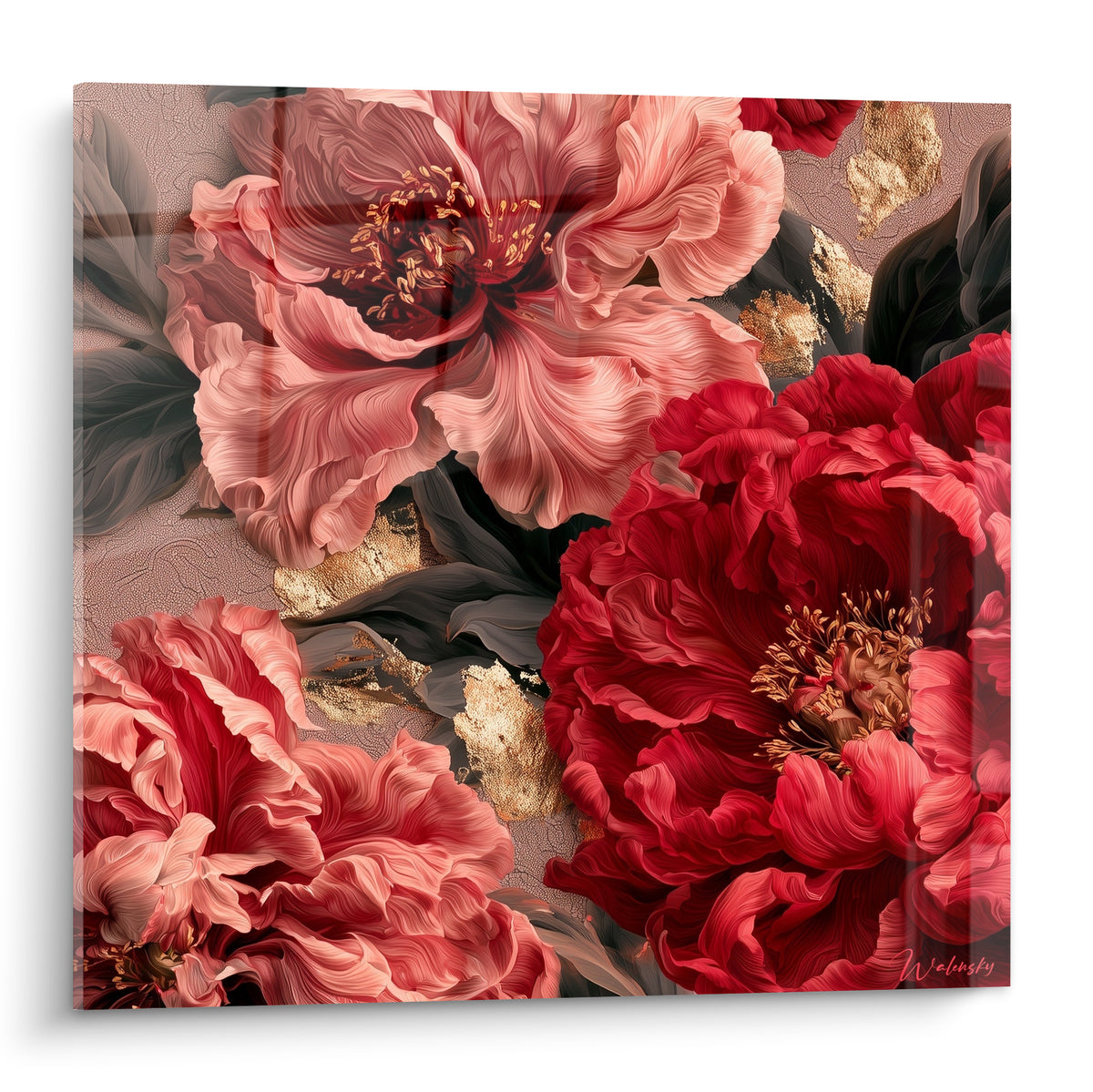
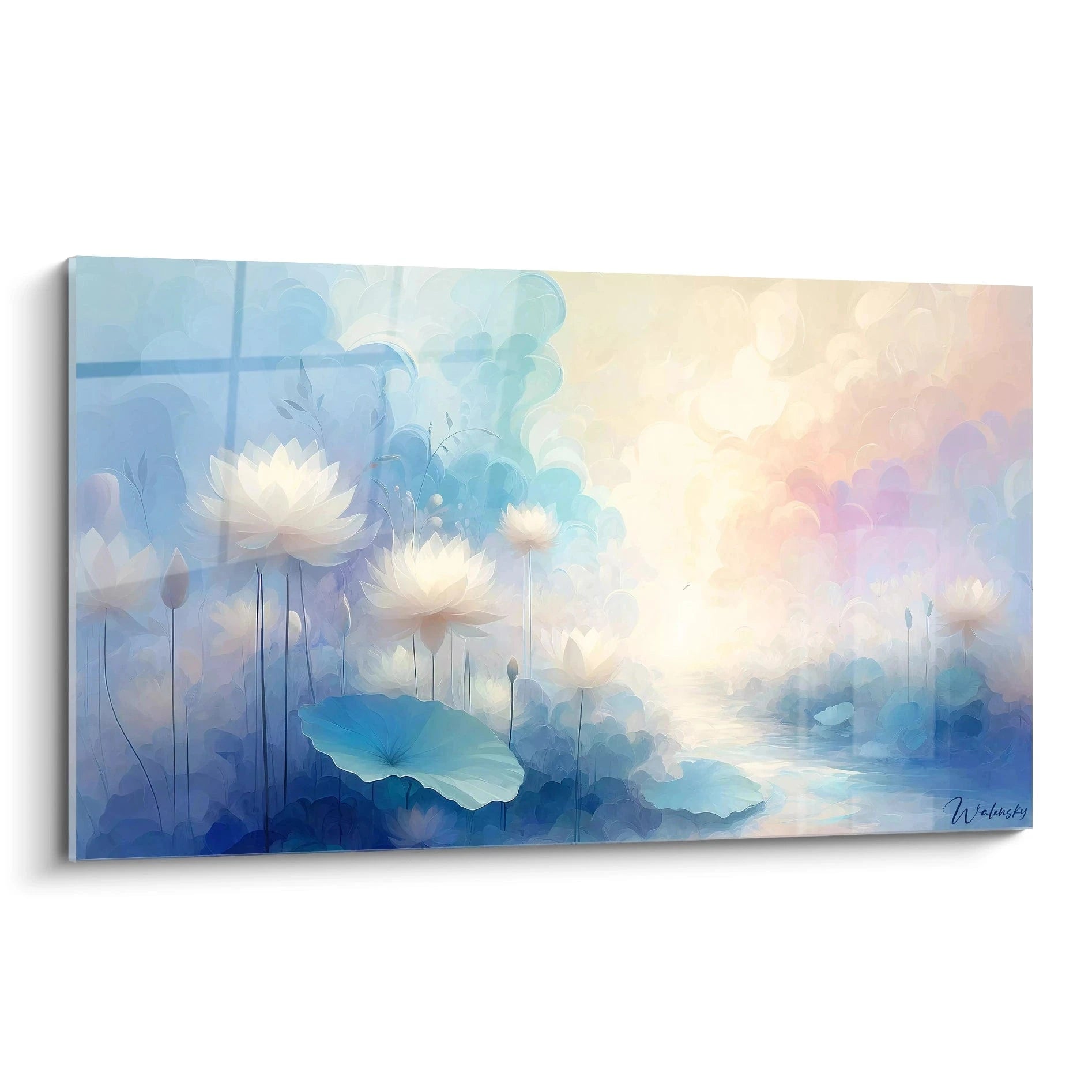
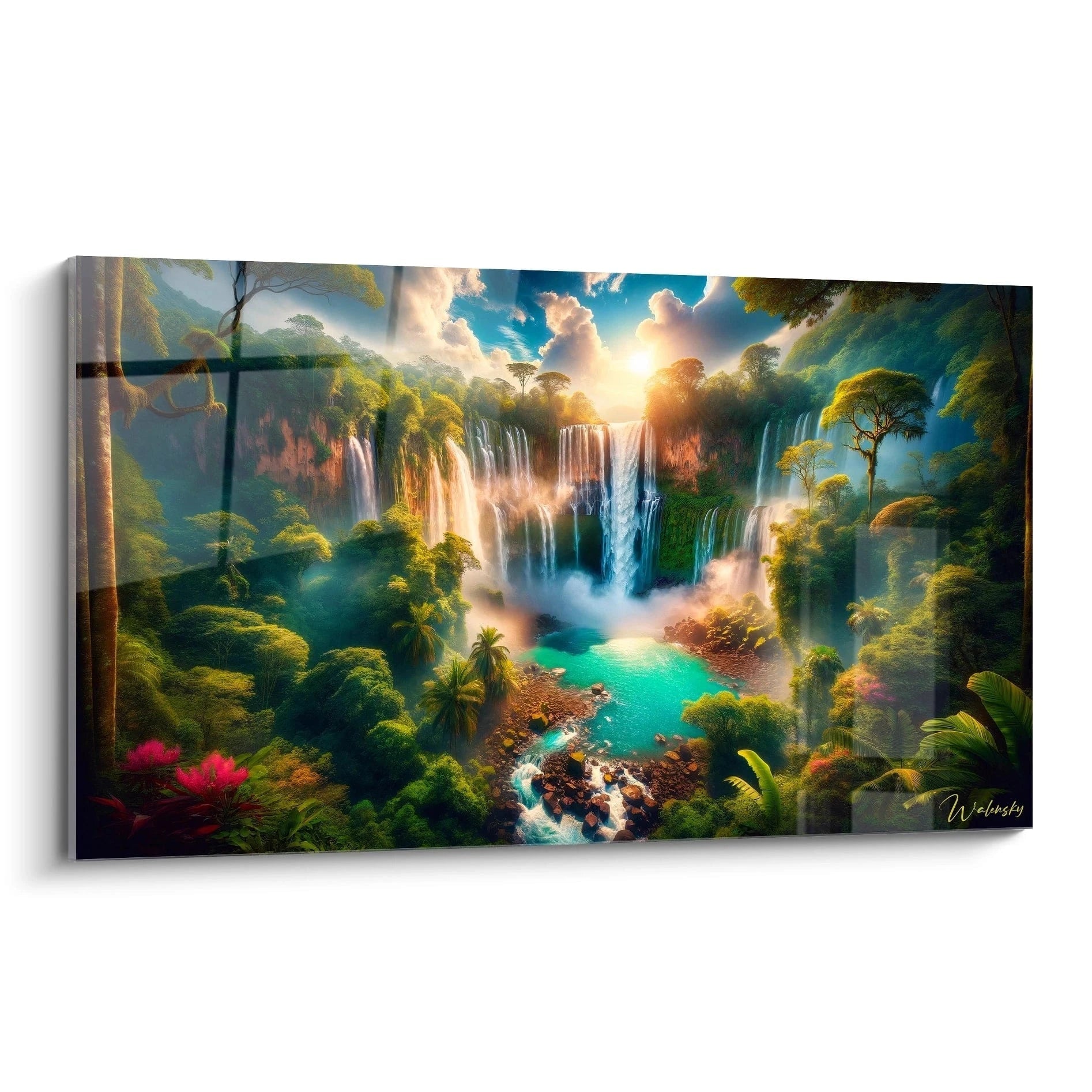
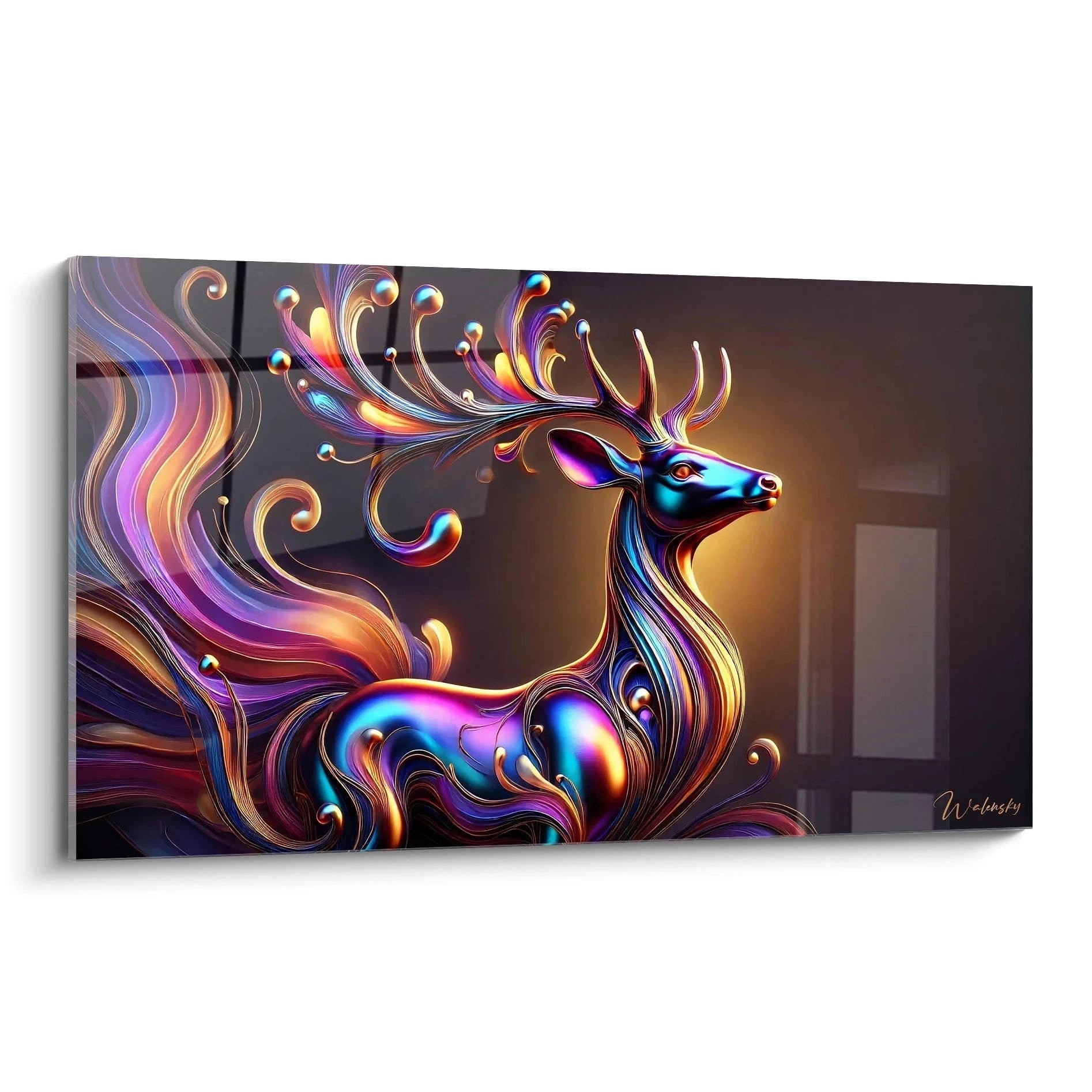
The Painting for doctor's office Minimalist transforms your medical space into a place of serenity and well-being. This collection favors clean compositions with soft lines, ideal for soothing patients and creating a reassuring atmosphere. Perfectly suited for modern doctor's offices, each work combines sobriety and elegance for a harmonious professional environment. Neutral tones and simple shapes promote relaxation and concentration. Discover our selection of medical minimalist art.
 Painting Inspired by Wanderer Above the Sea of Fog by Caspar David Friedrich No.3 – Tribute to Famous Artist273,90 €
 Terracotta Painting No. 6 - Nature Edition273,90 €
 White Rose Painting No.5 - Nature Edition273,90 €
 Narcissus Wall Art No. 4 - Nature Edition273,90 €
 Weeping Willow Painting No. 1 - Nature Edition273,90 €
 Ginkgo Leaf Wall Art No. 3 - Nature Edition273,90 €
 Ginkgo Leaf Wall Art No.1 - Nature Edition273,90 €
 Eucalyptus Wall Art No. 1 - Nature Edition273,90 €
 Arum Painting N°2 - Nature Edition273,90 €
 Arum Painting N°1 - Nature Edition273,90 €
 Sacred Purity Wall Art - Zen Lotus Flower Edition273,90 €
 Inner Journey Painting - Feng Shui Zen Edition273,90 €
 Ephemeral Stability Wall Art - Zen Feng Shui Edition273,90 €
 The Path of Awakening Wall Art - Diverse Zen Edition273,90 €
 Natural Harmony Canvas - Diverse Zen Edition273,90 €
 Simplicity Striped Canvas - Zebra Animals Edition273,90 €
 Brilliance of Purity Wall Art - Abstract Flower Edition273,90 €
 Geometric Balance Painting - Abstract Cubism Edition273,90 €
 Traced Botanic Wall Art - Nature Edition273,90 €
 Balance Pastel Wall Art - Zen Edition273,90 €
 Minimalist Harmony Wall Art - Zen Edition273,90 €
 Petals Poetry Wall Art - Asia Edition273,90 €
Explore further
In Minimalist Medical Office Wall Art
-
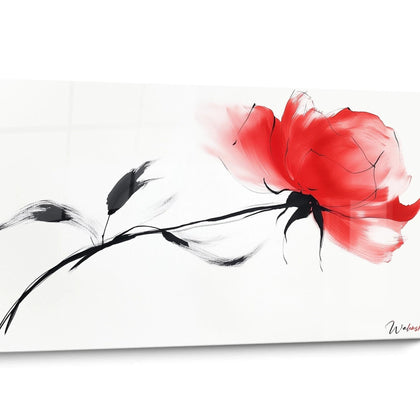 Wall Art for Medical Office100
artworks
Wall Art for Medical Office100
artworks
-
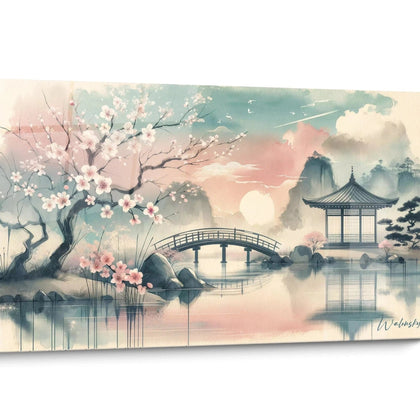 Wall Art for Zen Medical Office24
artworks
Wall Art for Zen Medical Office24
artworks
-
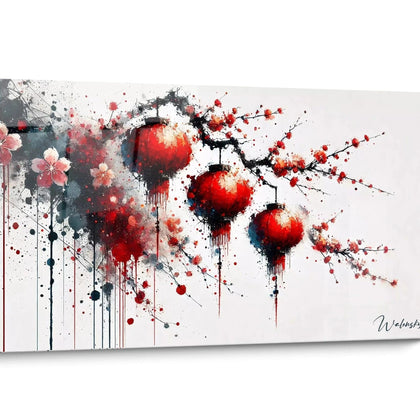 Medical Office Wall Art Watercolor8
artworks
Medical Office Wall Art Watercolor8
artworks
-
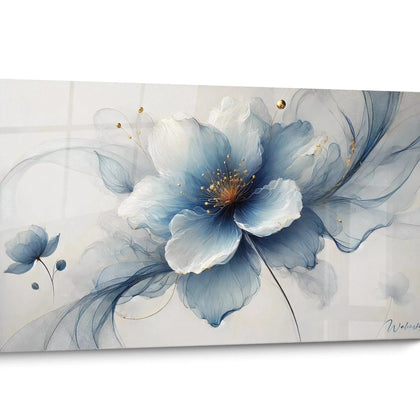 Abstract Wall Art for Medical Office17
artworks
Abstract Wall Art for Medical Office17
artworks
-
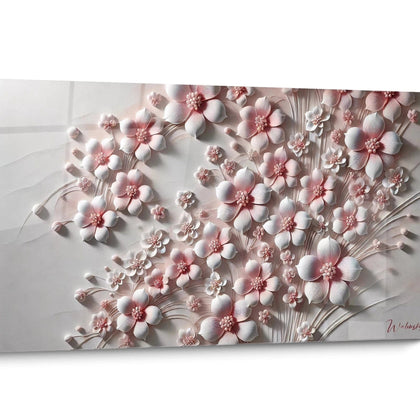 Wall Art for Medical Office Flower24
artworks
Wall Art for Medical Office Flower24
artworks
-
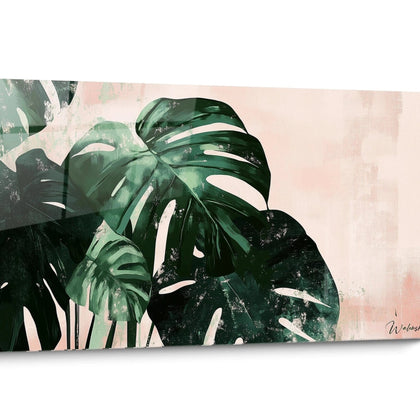 Wall Art for Doctor's Office Nature24
artworks
Wall Art for Doctor's Office Nature24
artworks
-
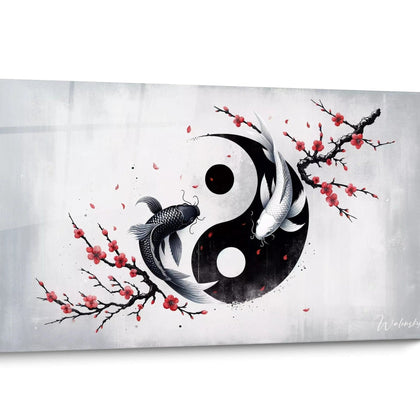 Asian Medical Office Wall Art12
artworks
Asian Medical Office Wall Art12
artworks
-
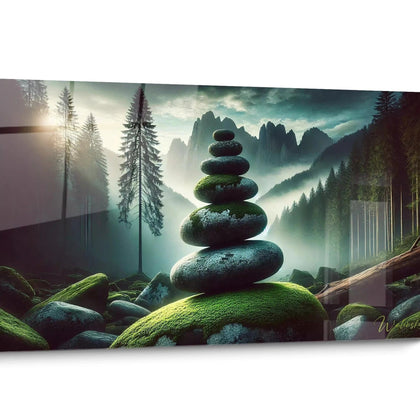 Mountain Wall Art for Medical Practice8
artworks
Mountain Wall Art for Medical Practice8
artworks
-
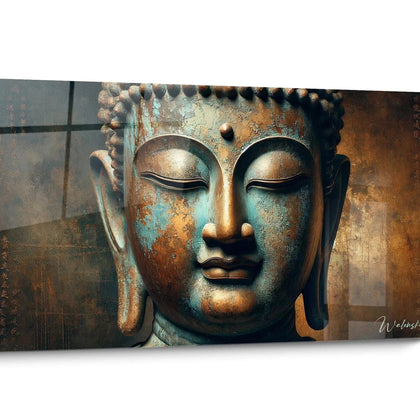 Buddha Wall Art for Medical Office9
artworks
Buddha Wall Art for Medical Office9
artworks
-
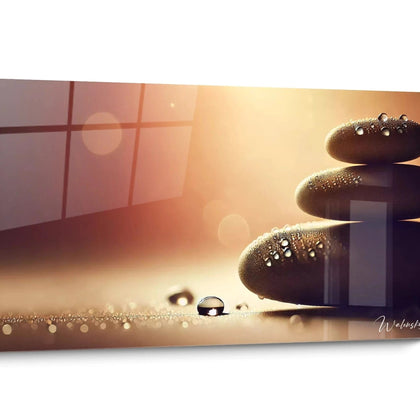 Wall Art for Doctor's Office Gold16
artworks
Wall Art for Doctor's Office Gold16
artworks
All about Minimalist Medical Office Wall Art
- Minimalist Paintings Presentation
- Streamlined Aesthetics
- Therapeutic Impact
- Professional Choices
The contemporary medical environment favors decoration that promotes concentration and serenity. A painting for a doctor's office with a minimalist style perfectly meets these requirements by creating a soothing atmosphere without excessive visual distraction. This decorative approach is part of a professional approach where every element contributes to the psychological comfort of patients during their consultation.
Minimalist Art Serving the Medical Environment
Why prioritize visual simplicity in a consultation space?
A painting for a doctor's office with a minimalist style is characterized by a visual economy that radically transforms the atmosphere of the consultation. Unlike overloaded compositions, this refined approach mainly uses essential geometric shapes, pure lines, and a restricted color palette. This deliberate sobriety allows anxious patients to focus their gaze on a soothing surface that does not excessively stimulate their already stressed nervous system.
Medical spaces particularly benefit from monochromatic or bichromatic compositions that avoid any cognitive overload. A beige natural flat accompanied by a charcoal horizontal line, for example, creates a discreet focal point that guides the eye without capturing it aggressively. This aesthetic restraint favors the reduction of preoperative stress in patients awaiting surgery or a diagnosis.
The integration of simple geometric shapes in medical decoration
Perfect circles, aligned rectangles, and vertical lines constitute the preferred visual vocabulary for a painting for a minimalist doctor's office. These fundamental graphic elements unconsciously communicate notions of order, stability, and technical mastery - essential values in the medical world. A large format representing three concentric circles in a gradient of gray conveys a sense of scientific precision while maintaining visual softness.
The use of generous negative spaces amplifies the desired sense of calm. In an orthopedic waiting room or a dermatologist's consultation room, a visual composed of 70% of off-white empty space with a single horizontal pale blue band provides a feeling of breathing space. This visual breathing contrasts favorably with the informational density that patients receive during their medical visit.
Neutral color palettes adapted to care environments
Sand, stone, ivory, and graphite tones naturally dominate minimalist compositions intended for medical practices. These earthy nuances possess an emotional neutrality that is suitable for spaces where patients experience different psychological states. A large-format painting in greige tones with anthracite linear accents harmonizes with standard medical furniture while adding a touch of contemporary refinement.
For practitioners wishing to introduce a touch of color without breaking the minimalist balance, desaturated blues and sage greens offer relevant alternatives. These shades evoke medical confidence and natural balance, respectively, subtly reinforcing the message of professional competence. An abstract composition with a large off-white area crossed by a discreet touch of olive green may be enough to humanize a clinical space without compromising its sobriety.
Psychological Impact of Minimalist Compositions in a Medical Setting
How does visual reduction influence patients' anxiety levels?
Research in environmental psychology demonstrates that simplified visual compositions reduce cognitive load in medical settings. A minimalist painting for a doctor's office functions as a stable visual anchor during moments of anxiety. When a patient focuses on a clean surface featuring only two overlapping pearl gray rectangles, their mind has a point of rest that facilitates natural emotional regulation.
This anchoring function is particularly valuable in specialties generating anticipatory stress: oncology, surgery, neurology. The absence of narrative or figurative details prevents the anxious mental projections that more explicit representations could trigger. A large monochrome beige visual with a single gentle curve offers a benevolent neutrality that accompanies without imposing, soothes without infantilizing.
Spatial organization and the perception of professionalism
A minimalist painting for a doctor's office instantly communicates values of rigor, organization, and mastery - attributes that patients subconsciously seek in their practitioner. Structured compositions with precise alignments and calculated proportions visually convey the scientific methodology that underlies modern medical practice. This aesthetic consistency between the environment and the activity reinforces the patient's confidence in the professional's competence.
In cosmetic surgery or plastic surgery clinics, where visual appreciation is at the heart of the activity, choosing minimalist decor paradoxically demonstrates a refined aesthetic sensibility. A set of three large formats arranged in a triptych, each presenting a subtle tonal variation around pearl gray, testifies to an attention to detail that reassures about the precision expected in medical procedures.
Complementarity with visual disinfection protocols
The smooth surfaces and textureless compositions of minimalist creations mentally facilitate association with strict hygiene protocols in medical environments. A painting with uniform blocks evokes subconsciously cleanliness, controlled sterility, and the absence of contamination - central concerns for patients frequenting a medical clinic. This visual congruence between decor and health standards reinforces the feeling of safety.
Unlike textured works that can suggest the accumulation of dust or particles, minimalist compositions with seemingly smooth surfaces blend harmoniously into this aesthetic of medical purity. For practitioners working in allergology or pneumology, where air quality is a major concern, this aesthetic consistency is not insignificant and contributes to nonverbal communication of professional seriousness.
If you are looking for an elegant alternative, abstract compositions for a doctor's office also offer sophisticated solutions adapted to care environments while offering a different visual richness.
Strategic Selection to Optimize the Therapeutic Environment
What dimensional criteria should be prioritized to maximize the soothing impact?
Generous formats naturally impose themselves in medical clinics where patients have extended observation times. A minimalist painting for a doctor's office of large dimension creates a sufficient visual presence to fulfill its role as an anchor without requiring multiplication of decorative elements. In a cardiology examination room or an endocrinology consultation office, an XXL format presenting a simple vertical gradient from white to stone gray occupies the visual field in a soothing manner.
The proportion between occupied surface and empty space constitutes a crucial parameter. Compositions where graphic elements occupy only 20 to 30% of the total surface maximize the visual breathing effect sought in medical environments. A large horizontal rectangle with a single fine diagonal line in charcoal on an ivory background provides this amplitude that beneficially contrasts with the technical density of the surrounding medical equipment.
Adaptation to different medical specialties
Specialties requiring concentration and technical precision particularly benefit from stabilizing horizontal compositions. In ophthalmology or dentistry, where the patient's gaze remains fixed during the procedure, a minimalist painting for a doctor's office with parallel horizontal lines facilitates a soothing eye fixation. These compositions contribute to reducing agitation during delicate procedures requiring patient immobility.
For psychiatry or psychotherapy practices, compositions featuring soft organic shapes - subtle curves, elongated ovals - introduce a discreet humanity without compromising the minimalist sobriety. A large format presenting two asymmetrical curves in natural beige on a light white background offers enough visual softness to accompany therapeutic processes while maintaining the necessary emotional neutrality.
Investing in lasting aesthetic appeal
Unlike ephemeral decorative trends, minimalism transcends fleeting fashions thanks to its fundamental timelessness. A minimalist painting for a doctor's office constitutes a lasting investment that will accompany the evolution of the practice over several decades without requiring frequent renewal. This aesthetic stability presents a not negligible economic advantage for practitioners concerned with optimizing their fit-out expenses.
The versatility of refined compositions also allows adaptation to potential changes in furniture or wall colors without creating visual dissonance. A large format with universally neutral tones - stone, sand, graphite - harmonizes as well with a warm wood arrangement as with contemporary metal furniture, offering a valuable integration flexibility in evolving professional spaces.
What size of painting for a minimalist doctor's office is suitable for waiting rooms?
Waiting rooms require XXL formats that remain visible from different points of view and distances. A painting 120 to 180 cm wide creates a sufficient visual presence to fulfill its role as a soothing anchor even in spaces accommodating multiple patients simultaneously.
How does a minimalist painting for a doctor's office influence the perceived duration of waiting?
Minimalist compositions reduce excessive visual stimulation that accentuates the subjective perception of the passage of time. A clean visual offers a mental resting point that facilitates the natural meditative state, making waiting less anxious and subjectively shorter for stressed patients.
Is a minimalist painting for a doctor's office suitable for pediatric specialties?
Although counterintuitive, minimalism also works in pediatrics when it incorporates simple geometric shapes and desaturated primary colors. A large pale yellow circle on a light white background offers enough simplicity to capture the attention of children without generating overstimulation, particularly suitable for consultations requiring calm and cooperation.
L'art qui suscite l'envie
Maison belge d'art mural grand format
14 jourspour changer d'avis*
Protection Walenskyincluse
Fabriquéen Italie
FormatXXL
Kit de fixationtoujours fourni
* Hors tableaux personnalisés et tailles personnalisées


