


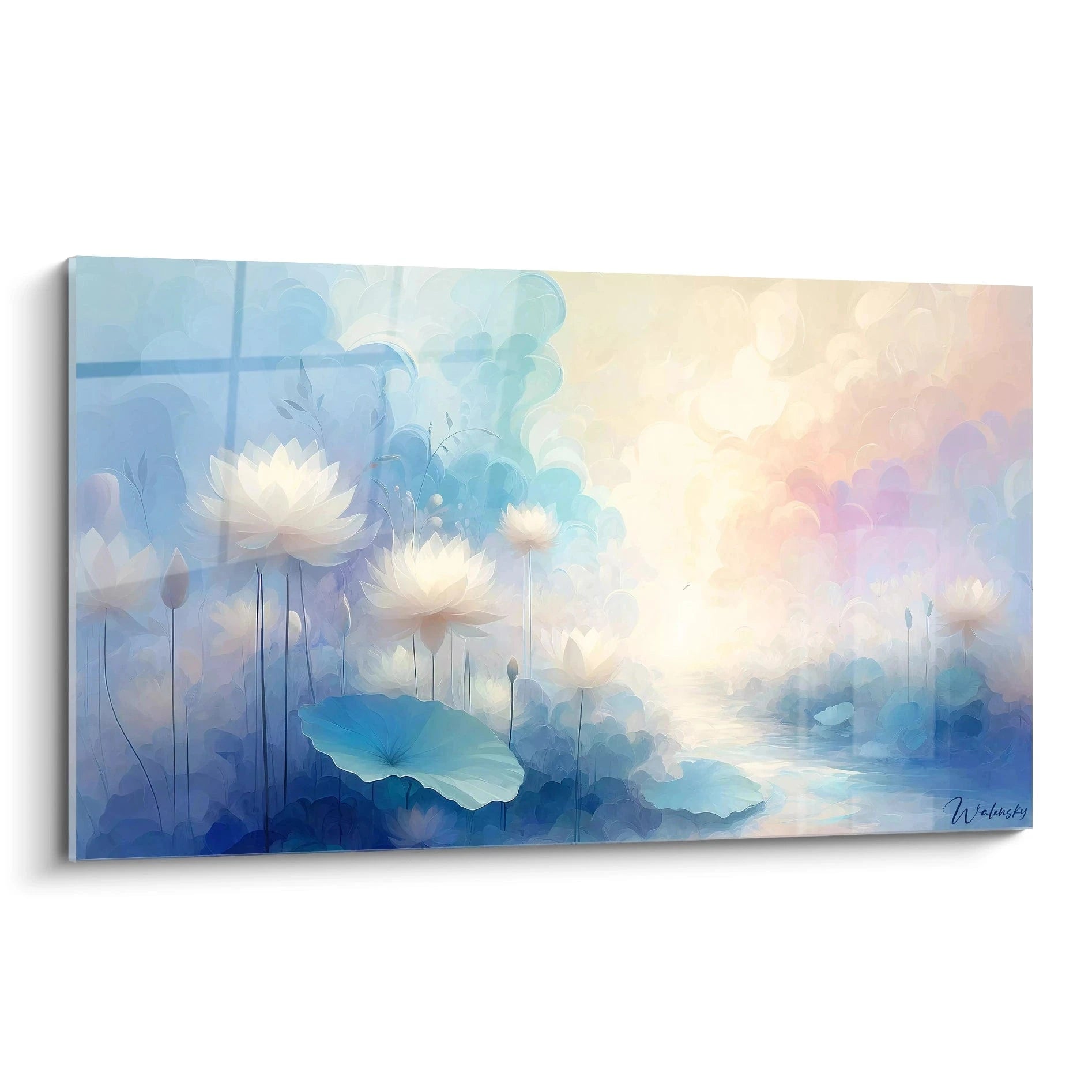
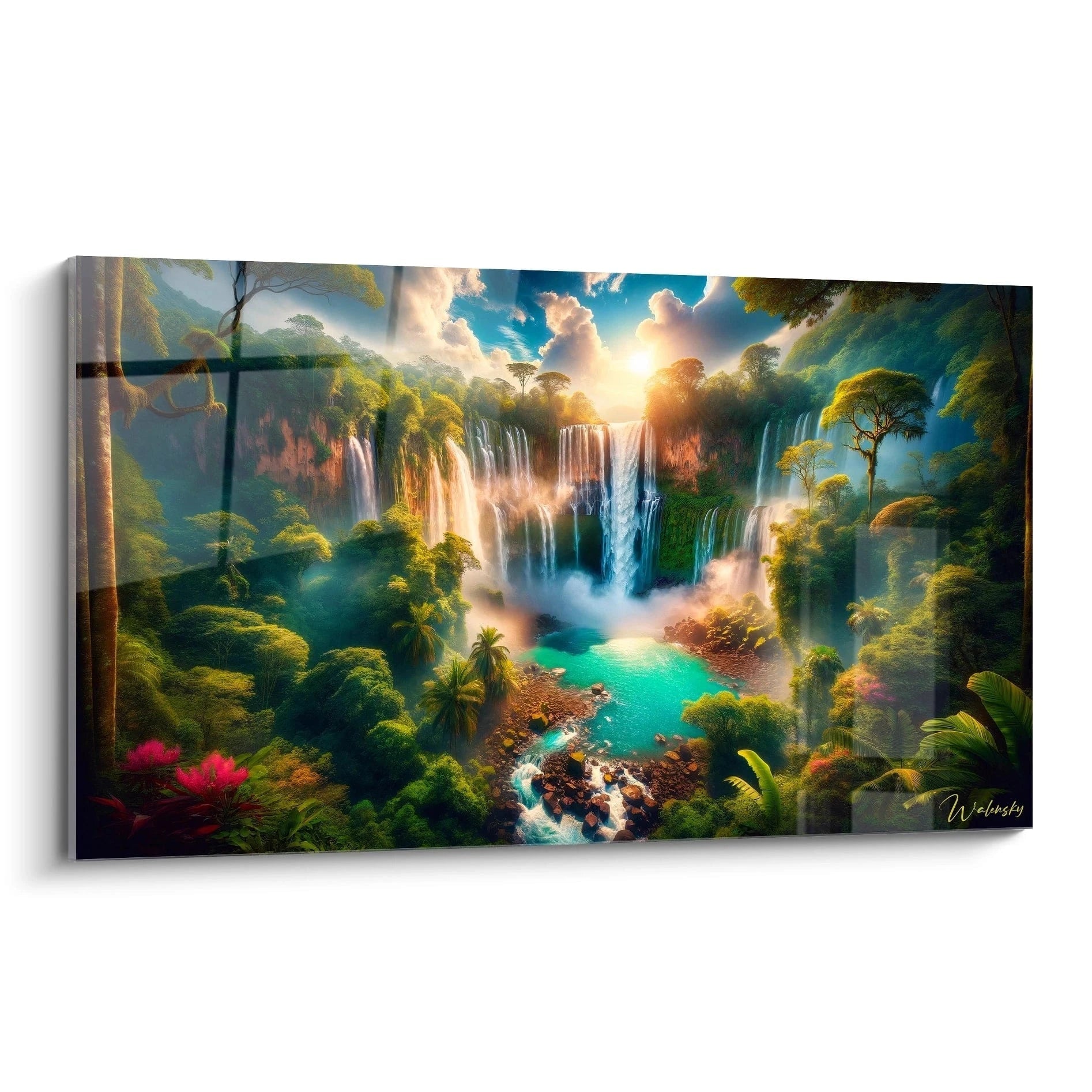
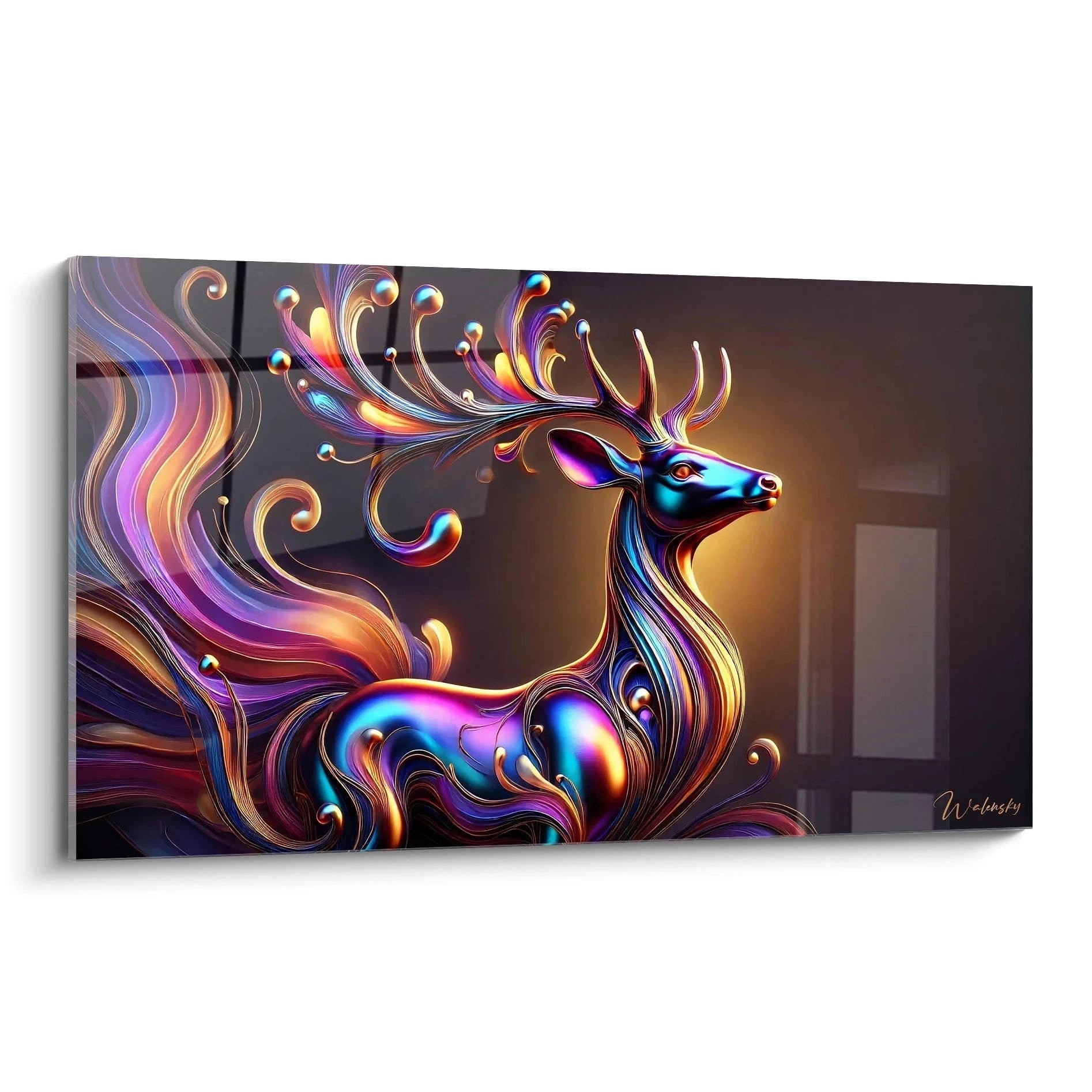
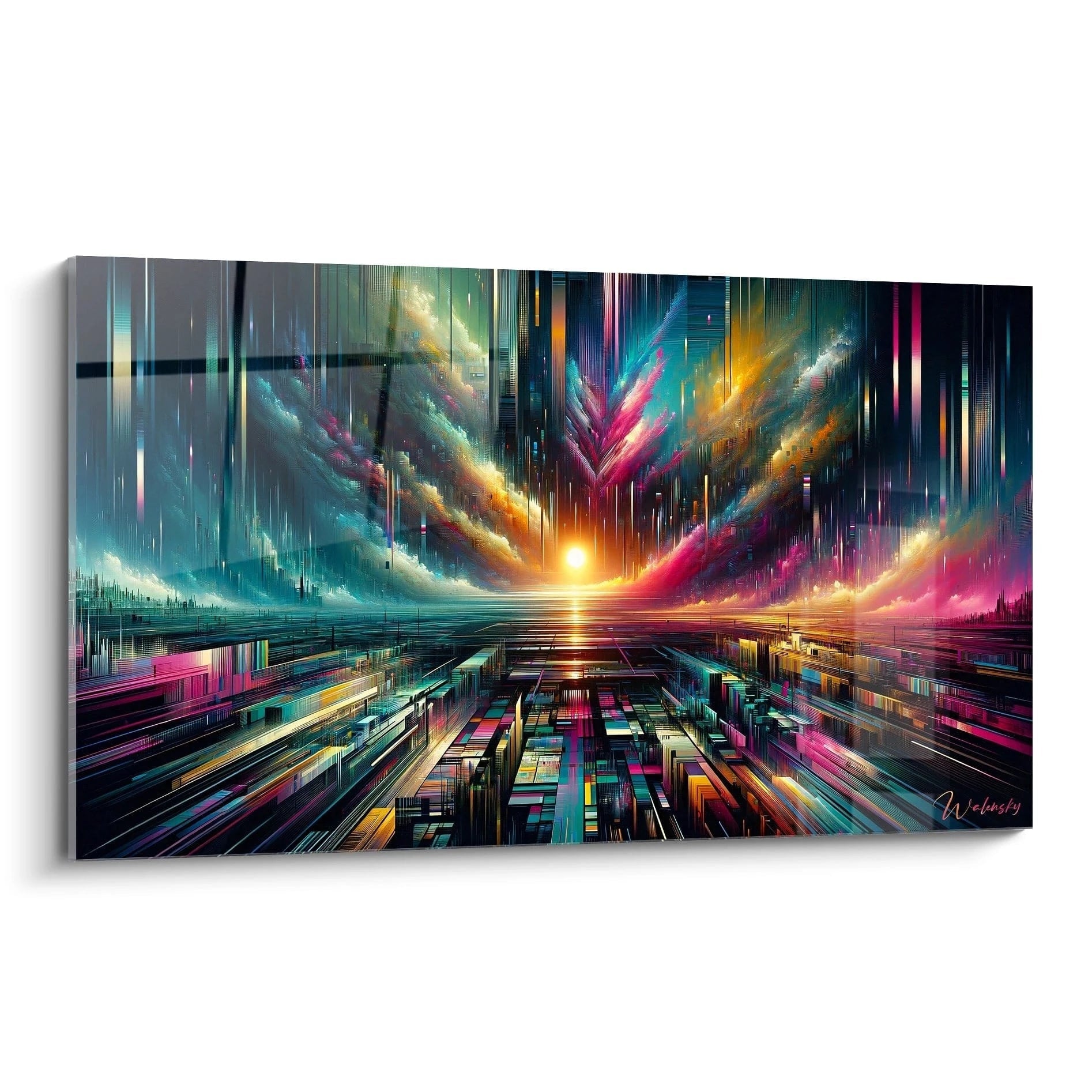
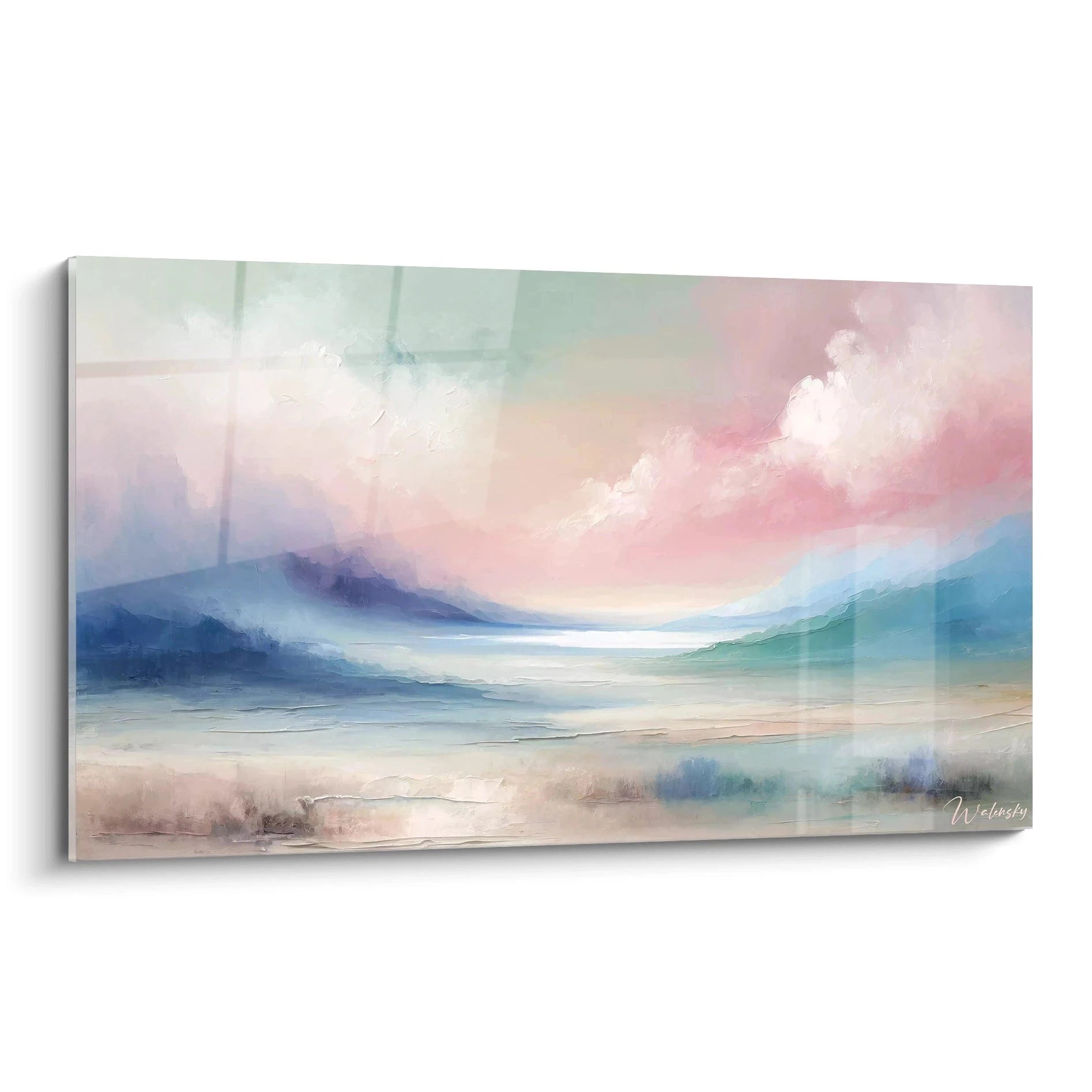


Medical Office Wall Art Watercolor
Our Artwork for Doctor's Office Watercolor collection enhances your medical space with delicate and soothing works. These creations with soft tones promote patient relaxation and create a relaxing atmosphere in the doctor's office. Perfect for waiting rooms, consultation offices, or treatment areas, these artistic compositions combine refined aesthetics and professional healthcare decor. Transform your medical environment into a haven of peace with these inspiring works.
 Wall Art In the Silence of the Reeds - Japanese Asia Edition273,90 €
 Fir Tree Painting No. 1 - Nature Edition273,90 €
 Painting Inspired by Spring by Jean-François Millet No. 2 – Tribute to a Renowned Artist273,90 €
 Spiritual Harmony Artwork - Zen Buddha Edition273,90 €
 Zen Moment Wall Art - Giant Panda Animals Edition273,90 €
 Flowers and Lanterns Canvas - Zen Edition273,90 €
 River of Dreams Wall Art - Asia Edition273,90 €
 Mist and Cherry Blossoms Wall Art - Asia Edition273,90 €
Explore further
In Medical Office Wall Art Watercolor
-
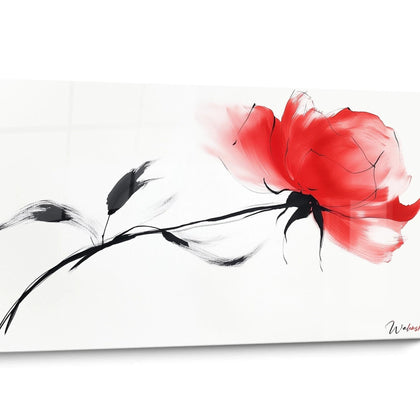 Wall Art for Medical Office100
artworks
Wall Art for Medical Office100
artworks
-
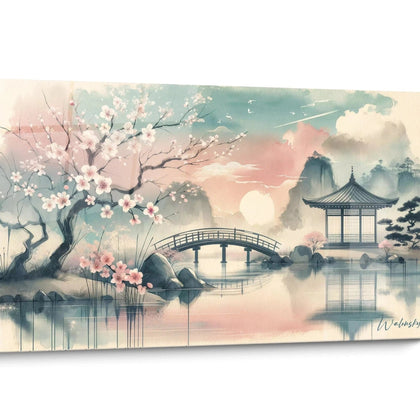 Wall Art for Zen Medical Office24
artworks
Wall Art for Zen Medical Office24
artworks
-
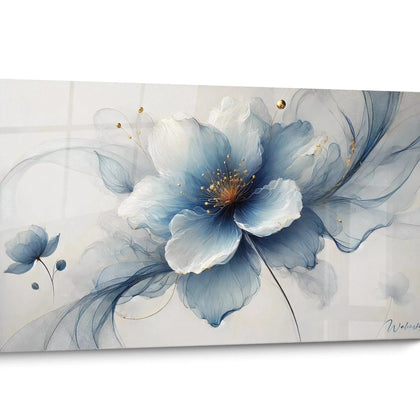 Abstract Wall Art for Medical Office17
artworks
Abstract Wall Art for Medical Office17
artworks
-
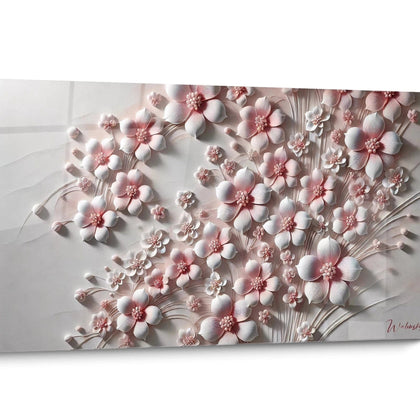 Wall Art for Medical Office Flower24
artworks
Wall Art for Medical Office Flower24
artworks
-
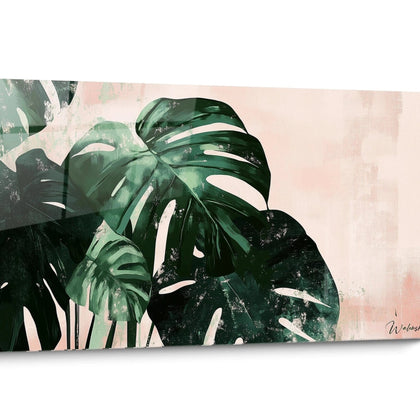 Wall Art for Doctor's Office Nature24
artworks
Wall Art for Doctor's Office Nature24
artworks
-
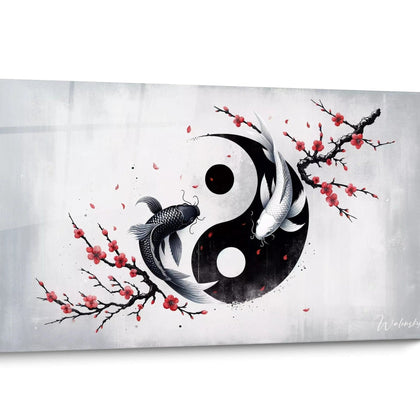 Asian Medical Office Wall Art12
artworks
Asian Medical Office Wall Art12
artworks
-
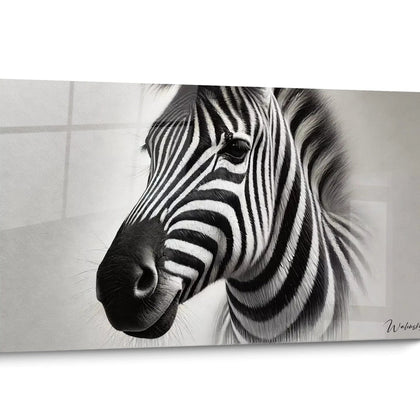 Minimalist Medical Office Wall Art22
artworks
Minimalist Medical Office Wall Art22
artworks
-
 Mountain Wall Art for Medical Practice8
artworks
Mountain Wall Art for Medical Practice8
artworks
-
 Buddha Wall Art for Medical Office9
artworks
Buddha Wall Art for Medical Office9
artworks
-
 Wall Art for Doctor's Office Gold16
artworks
Wall Art for Doctor's Office Gold16
artworks
All about Medical Office Wall Art Watercolor
- Presentation Watercolor Painting
- Alleviating Medical Anxiety
- Symbolism of Water in Medicine
- Adaptation to Specialties
Paintings for medical office watercolor transform the clinical environment by creating a soothing atmosphere from the moment the patient enters the consultation room. These large-format wall art pieces leverage the unique visual properties of the watercolor technique to reduce perceived blood pressure and promote a state of relaxation prior to medical examination. The characteristic fluidity of diluted pigments generates a gentle movement effect that naturally slows down the visual heart rate, particularly beneficial in prolonged waiting areas. The use of transparent shades and subtle gradients avoids sensory overload often found in medical environments saturated with visual information. These large-scale wall compositions create essential visual breathing space in offices where functional architecture dominates, offering a non-medical focal point that diverts attention from anxiety-inducing clinical equipment.
Pre-Consultation Anxiety Reduction Through Therapeutic Watercolor
Installing a painting for physician's office watercolor is a proven strategy to reduce patients' anticipatory stress before clinical examination. Environmental psychology research demonstrates that watercolor compositions activate brain areas associated with relaxation, particularly through organic chromatic transitions that mimic natural phenomena. In cardiovascular examination rooms, these wall artworks play a measurable role in stabilizing vital signs prior to blood pressure measurement.
How Does Watercolor Influence the Perception of Waiting Time?
Large-scale watercolor motifs create a distinct visual temporality that alters the subjective perception of the waiting time before consultation. Translucent overlays and zones of color fusion offer a contemplative depth where the eye can wander, significantly reducing perceived impatience. Pediatric clinics particularly use these compositions to calm anxious children, as diffuse forms are less intimidating than precise figurative representations. The absence of rigid outlines in these wall art pieces prevents stressful visual fixation, favoring instead a smooth eye scanning.
Therapeutic Integration in Care Pathways
For practitioners specializing in chronic pain management, the painting for medical office watercolor becomes a complementary tool in cognitive distraction protocols. Patients suffering from fibromyalgia or chronic migraines report a decrease in pain intensity when focusing their attention on soothing color transitions. These large-format wall installations function as visual anchors during guided breathing exercises, the suggested watery movements naturally accompanying the breathing rhythm. Unlike paintings for medical office abstract with geometric compositions, watercolor offers an organic abstraction that facilitates mental projection without generating cognitive tension.
Optimal Visual Fixation Zones
Strategic positioning facing the examination chair allows the patient to maintain their gaze on the watercolor nuances during minor invasive procedures. Dermatologists performing cryotherapy observe a reduction in anxious manifestations when their patients can visually immerse themselves in these fluid compositions. The imposing dimension of these wall art pieces ensures coverage of the peripheral visual field, creating an immersive environment that mentally isolates from the medical act in progress.
Hydric Symbolism and Therapeutic Confidence
The painting for a doctor's office, watercolor, subconsciously exploits the universal association between water and healing processes, rooted in all medical cultures. This symbolic resonance subtly reinforces therapeutic confidence even before verbal interaction with the practitioner. The dominant blue and azure tones in these compositions activate visual receptors associated with safety and emotional stability, particularly crucial in anxiety-inducing specialties such as oncology or surgery.
Evocation of Purifying Properties in a Medical Setting
The aquatic imagery suggested by the watercolor technique establishes an unconscious connection with notions of asepsis and cellular renewal. In regenerative medicine or immunology clinics, these large-format wall representations reinforce detoxification and physiological restoration messages. Chemotherapy patients find particular comfort in these fluid evocations that metaphorize the ongoing regeneration process. The transparency characteristic of watercolor literally visualizes diagnostic clarity and the purity of the medical approach.
Why does watercolor work better than other techniques for hydration specialties?
Nephrologists and nutritionists specializing in fluid balance find in the painting for a doctor's office, watercolor, an implicit pedagogical support reinforcing their therapeutic recommendations. Saturation gradients visually recall the importance of fluid flows in bodily homeostasis. These wall installations create an environment consistent with the health messages conveyed, unlike works with dry techniques that generate subtle cognitive dissonance. Dialysis rooms particularly adopt these compositions for their ability to evoke circulation and filtration without explicit, anxiety-inducing medical representation.
Harmony with Gentle Medicine Protocols
Practitioners integrating homeopathy or naturopathy prefer these wall artworks whose technique itself embodies progressive dilution, a founding principle of their therapeutic approaches. The chromatic fluidity resonates with holistic medical philosophies centered on energy circulation and humor balance. The generous dimensions of these paintings create a presence imposing enough to structure the space without imposing rigidity contradictory to therapeutic flexibility.
Watercolor Personalization According to Medical Specialties
Adapting the painting for a doctor's office, watercolor, to different medical specialties maximizes its psychological impact and environmental consistency. Each medical discipline benefits from chromatic palettes and compositions specific to its therapeutic objectives. Cardiologists favor fluid rhythms evoking harmonious blood circulation, while pulmonologists choose airy compositions suggesting respiratory lightness.
Chromatic Adaptation to Treated Pathologies
In oncology, soft pink hues and soothing purples dominate these wall artworks for their ability to reduce the perceived aggressiveness of the medical environment. Watercolor compositions integrating warm tones subtly stimulate the immune system by activating positive emotional centers. In psychiatry and neurology, deep blues and emerald greens promote mood stabilization and reduction of hypervigilance states characteristic of anxiety disorders. These large-format installations function as visual regulators of neurovegetative activation.
What watercolor compositions are suitable for sports medicine clinics?
Sports medicine professionals select paintings for medical offices, watercolor techniques with ascending dynamics and suggested movements, symbolizing performance and optimal recovery. Energetic gradients from yellow to orange stimulate motivation while maintaining a professional atmosphere. These large-scale wall art pieces visually accompany discussions on fluid gestures and the importance of hydration in athletic performance. The watercolor technique allows suggesting body movement without resorting to anatomical representations that could generate negative projections in injured athletes.
Specific pediatric and geriatric zones
In pediatrics, watercolor compositions with organic shapes and vibrant colors create a reassuring environment without excessive infantilization. Geriatrics favors moderate contrasts facilitating visual perception while avoiding cognitive overstimulation. These wall installations respect the sensory specificities of each population while maintaining a professional aesthetic quality that values medical expertise.
FAQ: Frequently Asked Questions about watercolor paintings for medical offices
Is a watercolor painting for a medical office suitable for small consultation rooms?
The generous dimensions of these wall art pieces are specifically designed to create a visual opening in confined spaces, perceptually enlarging small examination rooms thanks to the atmospheric perspectives characteristic of the watercolor technique.
How to maintain a watercolor painting for a medical office in a healthcare environment?
The protected surfaces of these large-format wall installations resist standard hospital cleaning protocols, their finish allowing regular wiping without pigment alteration while respecting strict medical hygiene standards.
Can a watercolor painting for a medical office be integrated into a quality certification approach?
The documented improvement of the patient experience through these visual arrangements directly contributes to the satisfaction indicators evaluated in the certification processes of healthcare facilities, particularly the environmental criteria of the care pathway.
L'art qui suscite l'envie
Maison belge d'art mural grand format
14 jourspour changer d'avis*
Protection Walenskyincluse
Fabriquéen Italie
FormatXXL
Kit de fixationtoujours fourni
* Hors tableaux personnalisés et tailles personnalisées


