


Mountain Wall Art for Medical Practice
Painting for doctor's office Mountain : enhance your medical space with works inspired by alpine peaks. This collection offers soothing mountain landscapes specifically designed to create a serene atmosphere in waiting rooms and medical offices. Natural panoramas and harmonious tones promote patient relaxation. Each painting medical nature mountain transforms your professional environment into a haven of peace, combining professionalism and visual well-being.
 Painting Inspired by Wanderer Above the Sea of Fog by Caspar David Friedrich No.3 – Tribute to Famous Artist273,90 €
 Fir Tree Painting No. 1 - Nature Edition273,90 €
 Mountain Soul Canvas - Mount Fuji Asia Edition273,90 €
 Vertiginous Quietude Wall Art - Zen Edition273,90 €
 Forest Balance Canvas - Zen Edition273,90 €
 Minimalist Harmony Wall Art - Zen Edition273,90 €
 River of Dreams Wall Art - Asia Edition273,90 €
 Mist and Cherry Blossoms Wall Art - Asia Edition273,90 €
Explore further
In Mountain Wall Art for Medical Practice
-
 Wall Art for Medical Office100
artworks
Wall Art for Medical Office100
artworks
-
 Wall Art for Zen Medical Office24
artworks
Wall Art for Zen Medical Office24
artworks
-
 Medical Office Wall Art Watercolor8
artworks
Medical Office Wall Art Watercolor8
artworks
-
 Abstract Wall Art for Medical Office17
artworks
Abstract Wall Art for Medical Office17
artworks
-
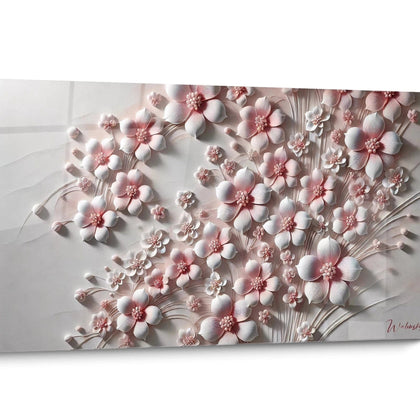 Wall Art for Medical Office Flower24
artworks
Wall Art for Medical Office Flower24
artworks
-
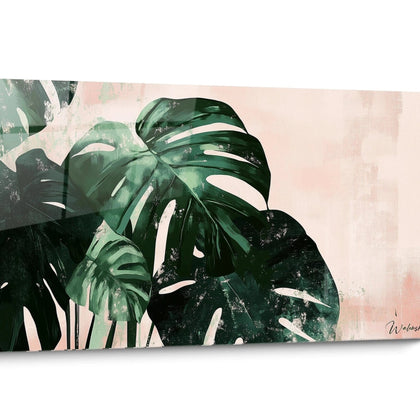 Wall Art for Doctor's Office Nature24
artworks
Wall Art for Doctor's Office Nature24
artworks
-
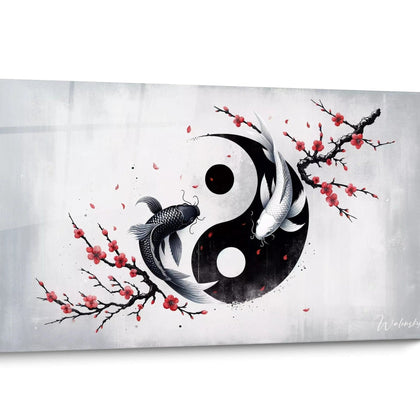 Asian Medical Office Wall Art12
artworks
Asian Medical Office Wall Art12
artworks
-
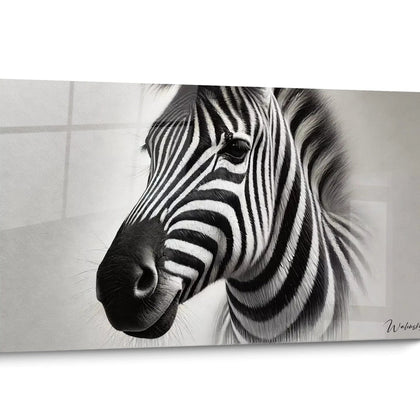 Minimalist Medical Office Wall Art22
artworks
Minimalist Medical Office Wall Art22
artworks
-
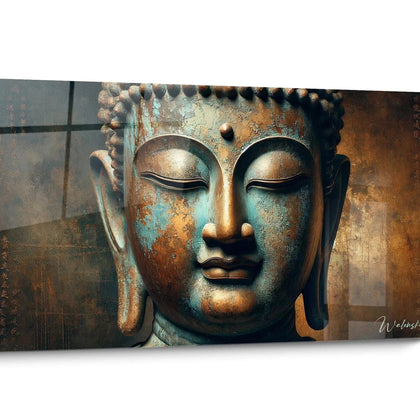 Buddha Wall Art for Medical Office9
artworks
Buddha Wall Art for Medical Office9
artworks
-
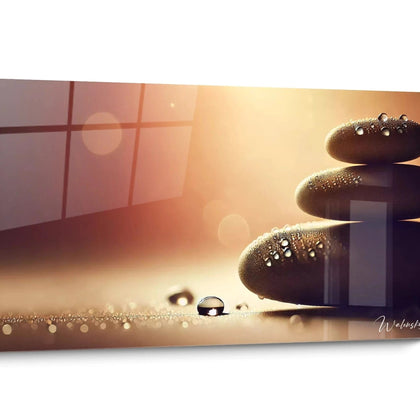 Wall Art for Doctor's Office Gold16
artworks
Wall Art for Doctor's Office Gold16
artworks
All about Mountain Wall Art for Medical Practice
- Mountain Doctor Artwork Presentation
- Alpine Medical Office Ambiance
- Mountain Medical Decoration
- Therapeutic Peak Atmosphere
The artwork for mountain doctor office transforms the medical environment by creating an immediate connection with alpine landscapes and their soothing properties. These large-scale visual compositions capture the essence of snow-capped peaks, verdant valleys, and high-altitude panoramas to meet the specific needs of practitioners working in mountainous areas or wishing to recreate this beneficial atmosphere. Each selected visual contributes to the therapeutic identity of the space while reflecting the geographic and cultural environment of alpine regions.
The Physiological Impact of Alpine Panoramas in Medical Environments
Integrating an artwork for mountain doctor office responds to a documented therapeutic strategy concerning the effect of natural landscapes on reducing cardiovascular stress. Compositions representing mountain massifs trigger a measurable decrease in heart rate among patients awaiting consultation, particularly in cardiac and pneumological disciplines where preoperative anxiety reaches significant levels.
How do alpine visuals reduce pre-consultation anxiety?
Representations of snow-capped ridges and coniferous forests activate neurological circuits associated with attentional recovery. In a general medicine office located in a ski resort or mountain village, this visual coherence between exterior environment and interior decoration reinforces the sense of territorial security among local patients. Monumental formats amplify this physiological response by creating a virtual window to the outside.
Chromatic specificities of mountain landscapes for medical spaces
The palette dominated by deep altitude blues, immaculate whites, and alpine meadow greens possesses regulatory properties on the autonomic nervous system. A large-format mountain doctor artwork prioritizes these cool tones that contrast with the warm artificial hues of medical equipment, creating a favorable chromatic balance for the practitioner's diagnostic concentration and patient relaxation.
What formats should be prioritized to maximize alpine immersion effect?
Panoramic dimensions exceeding 150 cm in width reproduce the visual experience of high-altitude viewpoints, particularly effective in waiting areas where perceived time extends. This architectural scale transforms the medical wall into a virtual extension of mountain territory, a technique particularly valued in sports medicine and functional rehabilitation offices where environmental motivation plays a documented role in therapeutic compliance.
Territorial Coherence and Alpine Medical Identity
For practitioners working in the Alps, Pyrenees, or other mountain ranges, the artwork for mountain doctor office establishes identity continuity between medical practice and patients' living environment. This geographic anchoring goes beyond simple decoration to become a marker of understanding specific pathologies in mountain populations: winter sports accidents, cardiovascular adaptations to altitude, or seasonal disorders linked to winter isolation.
The importance of geographic realism in mountain representations
Authentic compositions of identifiable peaks strengthen professional credibility with demanding mountain patients. A visually recognizable local massif functions as a community belonging signal, a crucial element in rural mountain areas where the doctor-patient relationship is part of an extended social continuity. Imposing formats allow for distinguishing topographic details that authenticate the representation.
Seasonal differentiation of alpine atmospheres in medical offices
The choice between lush summer landscapes and snow-covered winter panoramas directly influences temporal perception of the medical space. Mountain doctor winter artworks suit sports traumatology offices particularly well, while flowering alpine meadow compositions adapt better to holistic medicine and naturopathy practices. For a complementary visual alternative, some practitioners combine these naturalistic visuals with an artwork for abstract doctor office inspired by mountain geological formations.
Which mountain specificities to emphasize depending on medical specialty?
A high-altitude pulmonologist will prioritize representations of pure air and clear peaks symbolizing respiratory quality, while a rheumatologist will opt for compositions of trails and hikers evoking joint mobility. This thematic personalization of mountain doctor artwork transforms decoration into a non-verbal extension of therapeutic discourse, particularly effective with uncommunicative patients or anxious children.
Visual Architecture and Therapeutic Functionality of Peaks
Installing an artwork for mountain doctor office in consultation areas meets specific ergonomic criteria for contemporary medical environments. Vertical compositions of rock faces suit the restricted spaces typical of mountain offices set in historic alpine buildings, while panoramic horizontal formats exploit available walls in modern medical structures on the outskirts of resorts.
Strategic positioning of mountain visuals according to patient flow
Placement facing the waiting area transforms anticipatory anxiety into meditative contemplation of alpine relief. This visual strategy diverts attention from time indicators and reduces impatience behaviors documented in patient experience studies. Monumental dimensions capture peripheral vision even during consultation, maintaining continuous calming ambiance.
How to integrate medical regulatory constraints with alpine compositions?
Hospital hygiene standards impose smooth, cleanable surfaces, a criterion satisfied by professional large-format supports resistant to disinfectants. A professional mountain doctor artwork avoids reliefs and textures accumulating dust and allergens, while preserving the visual depth necessary for immersion effect. Matte finishes reduce reflections under intense medical lighting, preserving the readability of alpine atmospheric nuances.
Evolution of mountain visual impact over extended practice duration
Unlike generic decorative patterns that generate rapid visual habituation, mountain landscape compositions offer a wealth of details allowing continuous rediscovery. Practitioners established for decades report that alpine visuals maintain their soothing effectiveness without requiring rotation, as the natural light variability in the office constantly modifies the perception of represented reliefs and shadows.
Which mountain elements should be avoided in a professional medical context?
Representations of extreme activities or violent weather conditions contradict the soothing objective and may generate anxiety in patients with phobias or traumatic mountain experiences. Mountain doctor medical artwork prioritizes contemplative compositions of majestic peaks, serene high-altitude lakes, or larch forests, excluding dramatic avalanche or technical mountaineering scenes that would activate stress responses rather than relaxation.
Is mountain doctor artwork suitable for urban practitioners?
Absolutely, alpine visuals work particularly well in dense urban environments where they create mental escape toward preserved natural spaces. City patients appreciate this virtual window onto landscapes they frequent during vacations, establishing a positive association between medical care and vacation wellness.
What's the difference between standard mountain artwork and a medical office model?
Professional medical versions prioritize calming compositions with balanced tones, avoiding violent contrasts or anxiety-inducing subjects. Dimensions adapted to medical walls and finishes compliant with hygiene standards also distinguish these specialized references from standard residential decorative productions.
How to choose between alpine landscape and abstract composition for your medical office?
The choice depends on your patient demographic and specialty: naturalistic mountain landscapes reassure rural and senior populations attached to territory, while geometric abstractions appeal to young urban clientele. Many practitioners combine both approaches in different rooms to optimize impact according to the office's functional zones.


