









Wall Art for Medical Office Flower
Our Painting for doctor's office Flower collection transforms your medical space into a haven of serenity. These delicate floral works create a soothing atmosphere for waiting rooms, reducing patient stress. Each floral composition has been designed to combine professionalism and softness, offering a soothing and elegant medical decor. Perfect for medical offices, clinics, and care spaces, these floral creations bring harmony and well-being while enhancing your professional environment.
 Canvas Flower Painting - Asia Edition273,90 €
 White Rose Painting No.5 - Nature Edition273,90 €
 Narcissus Wall Art No. 4 - Nature Edition273,90 €
 Iris Painting No.10 - Nature Edition273,90 €
 Iris Wall Art No. 9 - Nature Edition273,90 €
 Iris Wall Art N°1 - Nature Edition273,90 €
 Wisteria Painting No. 2 - Nature Edition273,90 €
 Wisteria Wall Art No. 1 - Nature Edition273,90 €
 Cherry Blossom Wall Art No. 2 - Nature Edition273,90 €
 Arum Painting N°2 - Nature Edition273,90 €
 Arum Painting N°1 - Nature Edition273,90 €
 Luminous Fragility Wall Art - Zen Candle Edition273,90 €
 Sacred Purity Wall Art - Zen Lotus Flower Edition273,90 €
 Midnight Blue Painting - Abstract Flower Edition273,90 €
 Petals on Water Canvas - Abstract Flower Edition273,90 €
 Silk Glow Wall Art - Abstract Flower Edition273,90 €
 Porcelain Garden Wall Art - Abstract Flower Edition273,90 €
 Brilliance of Purity Wall Art - Abstract Flower Edition273,90 €
 Flowers and Lanterns Canvas - Zen Edition273,90 €
 Flower of Light Canvas - Zen Edition273,90 €
 Moon Flower Painting - Zen Edition273,90 €
 Blue Poetry Wall Art - Zen Edition273,90 €
 Petals Poetry Wall Art - Asia Edition273,90 €
 Lily Wall Art N°2 - Nature Edition273,90 €
Explore further
In Wall Art for Medical Office Flower
-
 Wall Art for Medical Office100
artworks
Wall Art for Medical Office100
artworks
-
 Wall Art for Zen Medical Office24
artworks
Wall Art for Zen Medical Office24
artworks
-
 Medical Office Wall Art Watercolor8
artworks
Medical Office Wall Art Watercolor8
artworks
-
 Abstract Wall Art for Medical Office17
artworks
Abstract Wall Art for Medical Office17
artworks
-
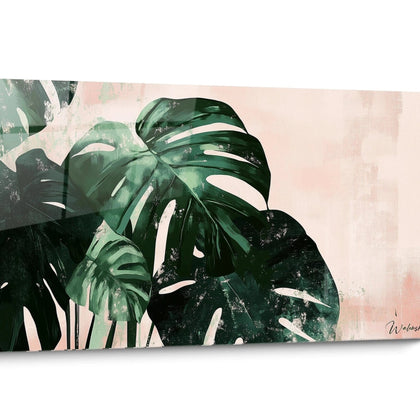 Wall Art for Doctor's Office Nature24
artworks
Wall Art for Doctor's Office Nature24
artworks
-
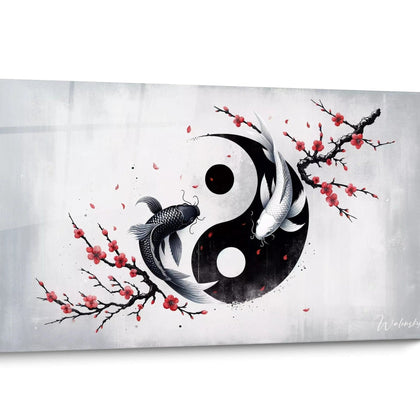 Asian Medical Office Wall Art12
artworks
Asian Medical Office Wall Art12
artworks
-
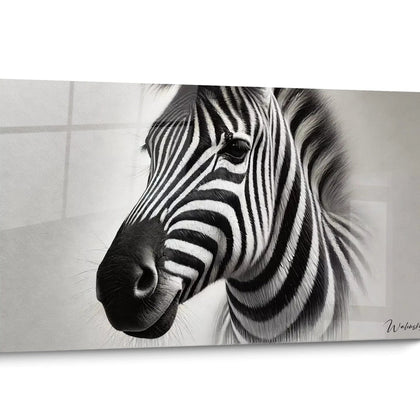 Minimalist Medical Office Wall Art22
artworks
Minimalist Medical Office Wall Art22
artworks
-
 Mountain Wall Art for Medical Practice8
artworks
Mountain Wall Art for Medical Practice8
artworks
-
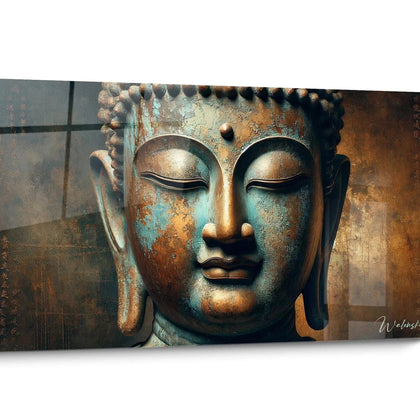 Buddha Wall Art for Medical Office9
artworks
Buddha Wall Art for Medical Office9
artworks
-
 Wall Art for Doctor's Office Gold16
artworks
Wall Art for Doctor's Office Gold16
artworks
All about Wall Art for Medical Office Flower
- Medical Office Flower Wall Art Presentation
- Soothing Floral Decoration
- Visual Therapeutic Impact
- Medical Professional Choice
A flower wall art for medical office instantly transforms clinical atmosphere into a reassuring space. These large-scale floral artworks capture attention and divert focus from medical anxiety, creating an environment conducive to patient psychological well-being. The depicted plant presence actively participates in reducing preoperative stress and supports the therapeutic relationship between practitioner and patient.
Floral Ambiance Serving the Healthcare Professional-Patient Relationship
In a medical environment, the flower wall art for medical office plays a fundamental role in reducing pre-consultation anxiety. Large-scale botanical representations displayed in waiting areas and care spaces modify patient perception of time, making waiting less burdensome. Floral compositions with soft hues create a soothing visual anchor that contrasts with the cold neutrality of medical equipment.
How do floral motifs influence the behavior of anxious patients?
Environmental psychology research demonstrates that monumental plant representations significantly reduce blood pressure and heart rate in patients awaiting consultation. An imposing floral artwork naturally captures wandering eyes, offering an alternative point of focus to anxiety-inducing thoughts. Stylized petals, generous corollas, and detailed botanical compositions engage contemplative attention, activating brain areas associated with relaxation.
Chromatic integration in specialized consultation spaces
For a cardiology office, shades of blue and lavender flowers evoke cardiovascular calm. In pediatrics, vibrant and dynamic floral representations positively stimulate children's imagination while reassuring parents. Dermatology offices favor floral compositions with light tones reflecting purity and hygiene. A substantial wall artwork becomes a tool of non-verbal communication, transmitting the practitioner's professional values without explicit discourse.
Complementarity with other medical decorative styles
If some practitioners seek a more conceptual ambiance, they can explore options of an abstract wall art for medical office offering a different visual approach. Nevertheless, floral motifs retain a distinct advantage: their symbolic universality transcends cultural and generational barriers. A monumental orchid speaks equally to an elderly patient and a young adult, creating common visual ground in contexts of diversity.
Which dimension to prioritize for maximum soothing effect?
Monumental formats of 120 to 200 cm create complete visual immersion that truly transforms medical space. These large dimensions allow detailed viewing even at distance, offering patients prolonged visual exploration during waiting. The imposing scale of a giant floral composition also evokes natural generosity and vitality, subliminal messages particularly relevant in health and healing contexts.
Psychosensory Properties of Botanical Representations in Medical Settings
The flower wall art for medical office acts as a biophilic catalyst, responding to the innate human need for connection with nature. In hermetic medical environments, often devoid of windows or living vegetation, these large-scale floral representations compensate for natural deficit. This visual substitution triggers measurable physiological responses: slowed breathing, muscle relaxation, and endorphin release.
Floral architecture and perception of waiting time
Complex floral compositions offer visual richness that actively engages patient attention. Unlike neutral wall surfaces that amplify perception of passing time, a monumental floral artwork creates micro-moments of contemplation that psychologically fragment waiting duration. Botanical details—veins, color gradients, petal layering—invite progressive observation that positively structures temporal experience.
Which floral types correspond to different medical specialties?
In gynecology-obstetrics, representations of blooming peonies or delicate roses evoke femininity and maternal tenderness. For general medicine offices welcoming diverse patient populations, sunflower or cosmos compositions create a convivial and optimistic ambiance. Oncology practitioners often opt for resilient floral representations such as poppies or lotus flowers, symbolizing rebirth and hope without sentimentality.
Positioning strategies to optimize therapeutic impact
The placement of floral artwork in the patient journey determines its psychological effectiveness. Positioned facing the waiting room entrance, it visually welcomes and immediately establishes a reassuring climate. In the consultation office, placed in the patient's field of vision while seated, it offers a focal point during potentially stressful medical explanations. Horizontal panoramic formats particularly suit longitudinal corridor walls, creating a soothing visual continuity during movement.
Visual durability and sustained interest renewal
A flower wall art for medical office of museum quality maintains its attraction power even after hundreds of viewings. Multi-layered floral compositions progressively reveal their subtleties: a regular patient will discover new details on each visit, preserving visual experience freshness. This perceptual depth justifies investment in large-format artworks with high visual definition, true passive therapeutic infrastructures.
Professional Selection Criteria for Demanding Medical Environments
Choosing a flower wall art for medical office responds to professional imperatives specific to the health sector. Beyond aesthetics, practitioners favor artworks reflecting scientific rigor while humanizing clinical space. Botanical representations offer this rare balance: naturalistic precision evoking medical approach and organic softness counterbalancing care technicality.
Compatibility with hygiene and maintenance standards
Medical environments impose strict maintenance constraints. Large decorative wall surfaces must withstand regular cleaning protocols without visual degradation. Floral representations on supports resistant to standard disinfectants constitute a pragmatic choice for medical offices, combining sanitary requirement with decorative ambition. Relief-free formats facilitate systematic dusting, an essential criterion in spaces welcoming immunocompromised patients.
How does floral wall art reinforce patient confidence in the practitioner?
Investment in quality floral wall decoration implicitly signals attention to overall patient well-being. This environmental consideration demonstrates a holistic health approach transcending simple organic repair. Patients intuitively interpret these decorative choices as reflecting attentive medical practice, thus strengthening therapeutic trust relationship before consultation even begins.
Adaptation to evolving regulations in medical spaces
Accessibility standards impose optimal visual legibility for all patients, including those with visual impairments. Floral compositions with marked contrasts and generous forms naturally meet these inclusion requirements. Monumental dimensions guarantee clear perception even at distance or with reduced visual acuity, transforming regulatory accessibility into shared aesthetic experience.
Durable investment and heritage value enhancement of the office
A large-scale floral artwork constitutes a durable asset that enhances professional image long-term. Unlike ephemeral decorative elements, these artworks retain aesthetic relevance and psychological effectiveness for decades. For offices in transition or multi-practitioner medical structures, they represent a visual continuity element preserving venue identity despite personnel changes.
FAQ
What style of flower wall art for medical office suits elderly patients?
Classic floral representations with peonies, heritage roses, or hydrangeas create nostalgic soothing resonance. Imposing formats facilitate perception for patients with advanced presbyopia, while soft palettes prevent visual fatigue.
Can flower wall art for medical office suit multiple specialties simultaneously?
Universal floral compositions such as lavender fields or mixed gardens transcend medical specialties. Their thematic neutrality allows adaptation to different therapeutic contexts throughout professional evolution.
How to integrate flower wall art for medical office into existing décor?
Monumental floral artworks function as dominant focal points that visually restructure entire space. Rather than adapting them to existing décor, consider them as new chromatic references around which to progressively harmonize other elements.
Further reading


