

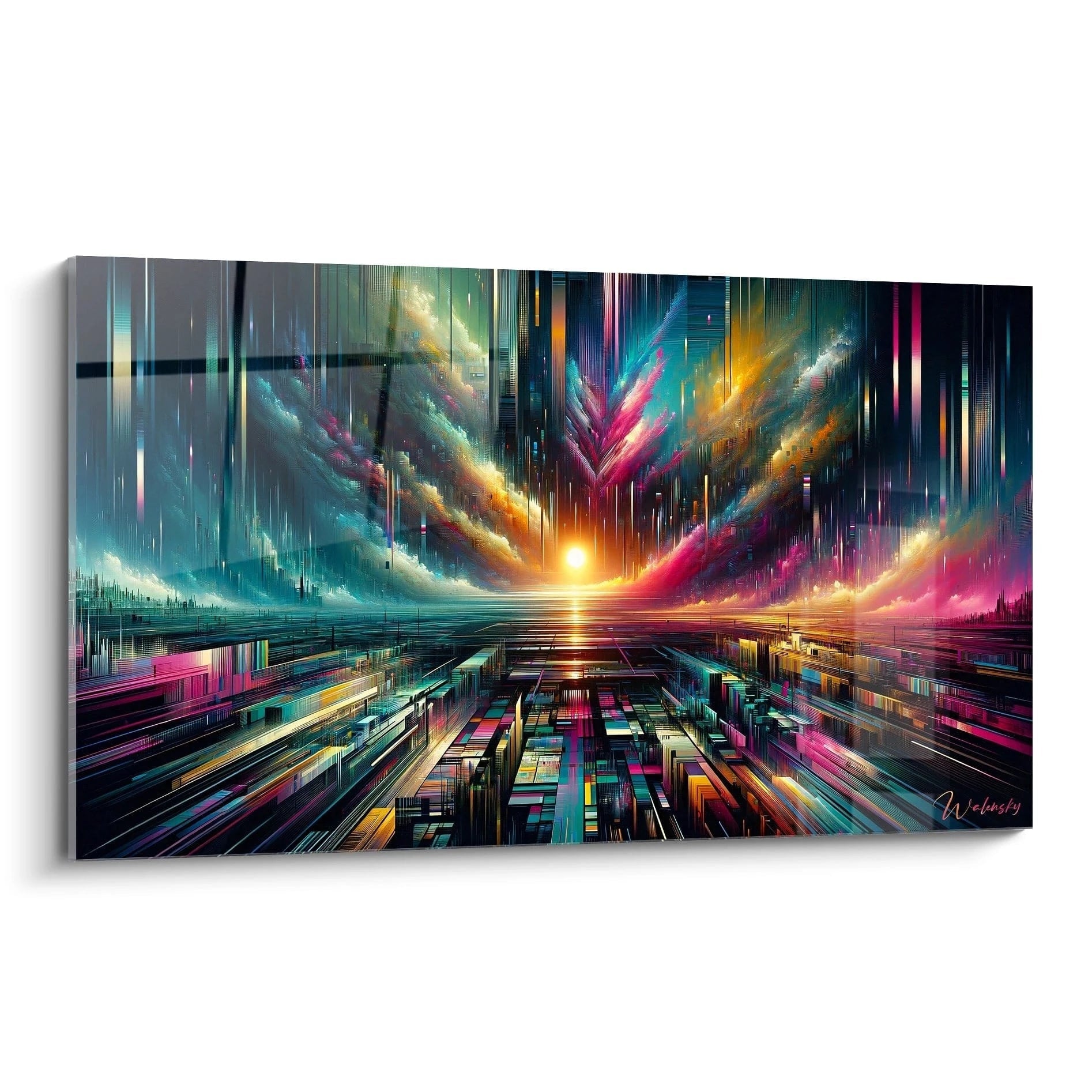
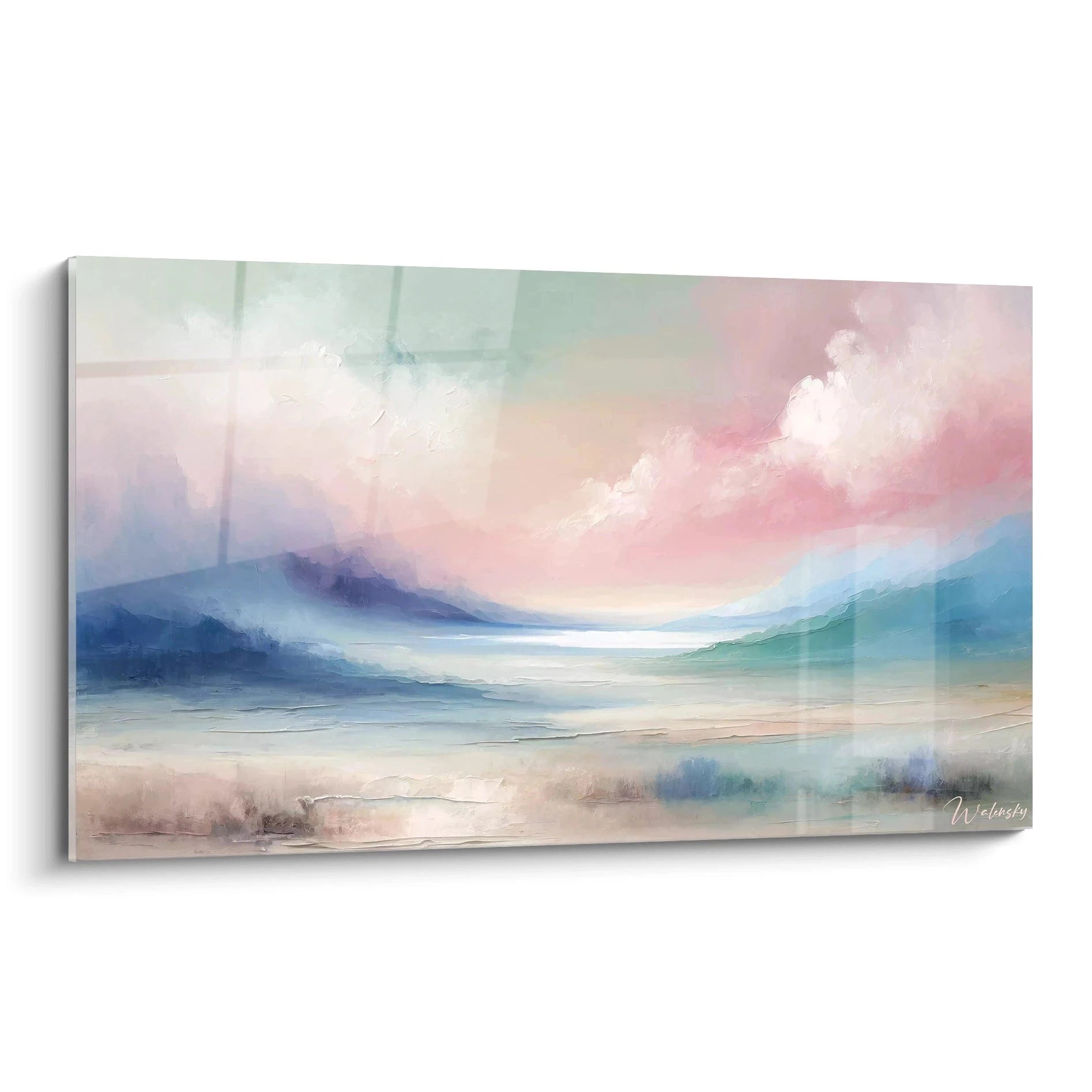


Buddha Wall Art for Medical Office
Our Painting for doctor's office Buddha collection transforms your medical space into a haven of peace. These zen works embody serenity and well-being, essential for soothing your patients. Each wall decoration Buddha for doctor's office radiates a positive and harmonious energy. Perfect for doctors, therapists and healthcare professionals seeking a soothing medical office atmosphere. These spiritual creations invite relaxation and contemplation in your waiting room or office.
 Marbled Peace Wall Art - Zen Edition273,90 €
 Spiritual Harmony Artwork - Zen Buddha Edition273,90 €
 Indigo Wisdom Wall Art - Zen Edition273,90 €
 Deep Peace Wall Art - Zen Edition273,90 €
 Fluid Peace Painting - Zen Edition273,90 €
 Peaceful Meditation Painting - Zen Edition273,90 €
 Starry Night Wall Art - Zen Edition273,90 €
 Inner Awakening Wall Art - Zen Edition273,90 €
 Calm Turquoise Wall Art - Zen Edition273,90 €
Explore further
In Buddha Wall Art for Medical Office
-
 Wall Art for Medical Office100
artworks
Wall Art for Medical Office100
artworks
-
 Wall Art for Zen Medical Office24
artworks
Wall Art for Zen Medical Office24
artworks
-
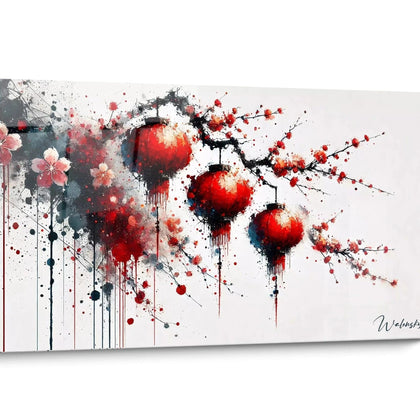 Medical Office Wall Art Watercolor8
artworks
Medical Office Wall Art Watercolor8
artworks
-
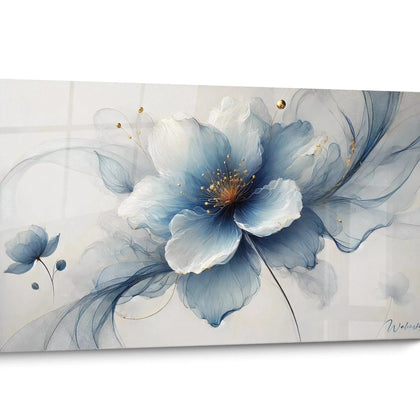 Abstract Wall Art for Medical Office17
artworks
Abstract Wall Art for Medical Office17
artworks
-
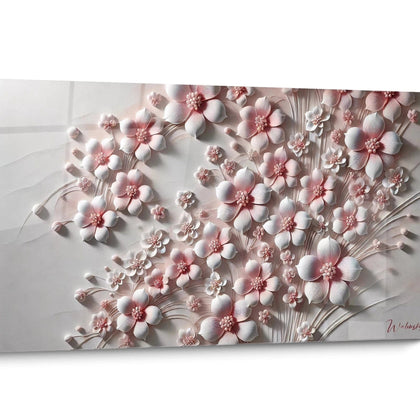 Wall Art for Medical Office Flower24
artworks
Wall Art for Medical Office Flower24
artworks
-
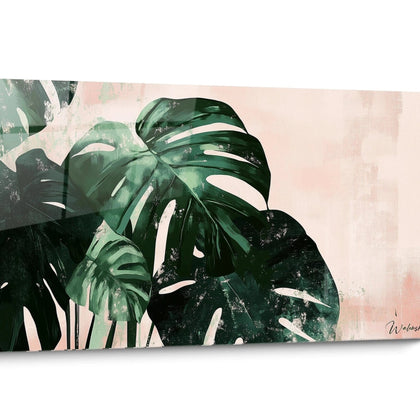 Wall Art for Doctor's Office Nature24
artworks
Wall Art for Doctor's Office Nature24
artworks
-
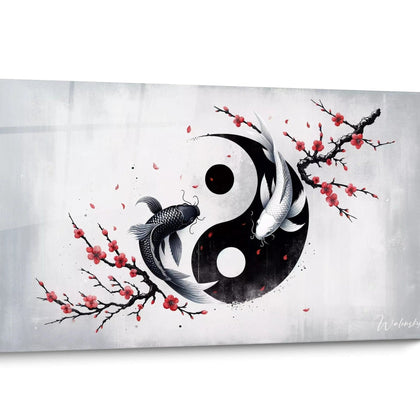 Asian Medical Office Wall Art12
artworks
Asian Medical Office Wall Art12
artworks
-
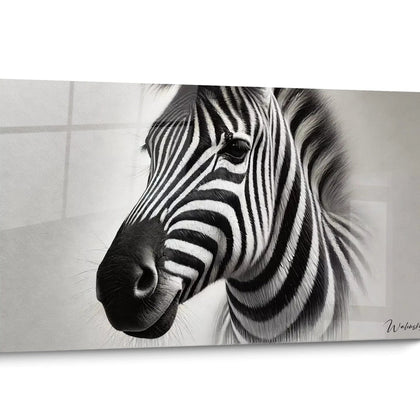 Minimalist Medical Office Wall Art22
artworks
Minimalist Medical Office Wall Art22
artworks
-
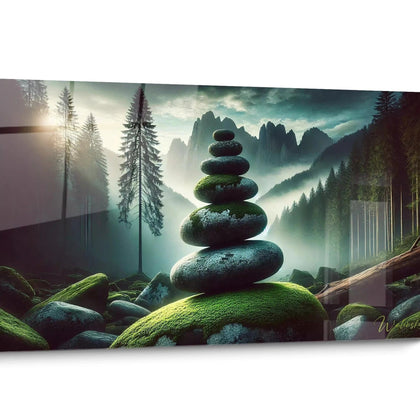 Mountain Wall Art for Medical Practice8
artworks
Mountain Wall Art for Medical Practice8
artworks
-
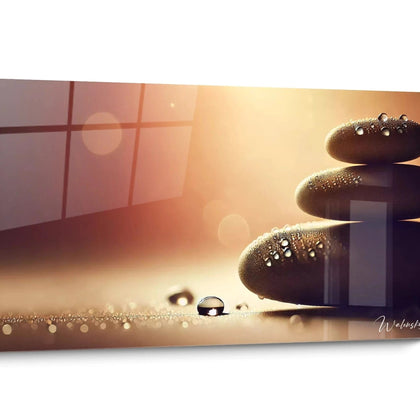 Wall Art for Doctor's Office Gold16
artworks
Wall Art for Doctor's Office Gold16
artworks
All about Buddha Wall Art for Medical Office
- Presentation Painting Buddha Medical Office
- Therapeutic Impact
- Medical Spiritual Aesthetics
- Serenity Arrangement
The painting for medical office Buddha represents an innovative decorative solution that combines Eastern philosophy and modern medical environments. This artistic representation of the Buddha in a large format transforms waiting rooms and medical offices into spaces for emotional replenishment, meeting the growing needs of healthcare professionals seeking to alleviate pre-consultation anxiety in their patients. The Buddhist iconography, with its universal symbolism of inner peace and detachment, offers a visual counterpoint to medical apprehensions, creating an atmosphere conducive to psychosomatic relaxation before the clinical examination.
The Psychological Influence of the Buddha in a Medical Setting
The integration of a painting for medical office Buddha is based on validated principles of environmental psychology applied to care spaces. Research demonstrates that the presence of soothing spiritual symbols significantly reduces physiological markers of stress in patients awaiting consultation. The meditative posture of the Buddha, generally represented in a large format with characteristic mudras, triggers an unconscious parasympathetic response in the observer, favoring the decrease in heart rate and blood pressure before the medical examination.
How does the Buddha reduce pre-consultation anxiety?
The visual representation of the Buddha activates the neural circuits associated with contemplation and inner calm. Patients facing medical waiting times, a source of activation of the sympathetic nervous system, benefit from a visual anchor towards serenity. The predominantly golden, ochre and deep blue tones used in these large-scale mural compositions stimulate the cortical areas linked to relaxation, creating an optimal psychological preparation for the therapeutic encounter.
Synergies between Buddhist iconography and gentle medical practices
General practitioners, osteopaths and practitioners of integrative medicine particularly favor this wall decoration for its alignment with holistic health approaches. The imagery of the Buddha implicitly communicates the values of listening, compassion and presence that characterize patient-centered consultations. This visual consistency between the decorative environment and the philosophy of care strengthens therapeutic trust and facilitates the doctor-patient alliance from the first moments of the visit.
The imposing dimensions of these mural representations – generally over 120 cm – amplify their soothing presence in the waiting area, creating an immediately perceptible meditative focal point upon entering the office.
Healing Symbolism and Medical Interior Architecture
Choosing a painting for a medical office Buddha transcends simple decoration to become part of a therapeutic architecture approach. Contemporary medical offices now integrate the principles of biophilic design and neuro-architecture, where every visual element actively contributes to the healing process. The figure of the historical Buddha, associated with enlightenment and transcendence of suffering, resonates powerfully with the medical mission of relieving physical and psychological ailments.
What color palette optimizes the soothing effect of the Buddha?
Representations murales for medical environments prioritize earthy tones associated with the root chakra to emotionally stabilize, combined with celestial blues that foster therapeutic communication. Gold accents present in traditional Buddhist iconography add a dimension of secular sacredness particularly suited to multicultural care spaces. This specific color palette clearly distinguishes itself from abstract paintings for doctors' offices due to its universally recognized symbolic charge and its anchoring in a millennial tradition of contemplative wisdom.
Integration with Contemporary Medical Equipment
The refined aesthetics of modern Buddhist representations harmonize remarkably with the functional clinical environment. Unlike overloaded compositions, the iconographic simplicity of the Buddha in large format creates a soothing contrast with the technicality of medical equipment. This visual juxtaposition between spiritual humanity and medical science materializes the biopsychosocial approach to health, reminding us that the patient is a global entity rather than a set of symptoms to be treated.
Stress management clinics, oncology, or chronic disease support specialists find in this iconography a silent but powerful ally to humanize care pathways often perceived as dehumanizing.
Spatial Configuration and Strategic Positioning
The placement of a Buddha painting for a doctor's office obeys precise ergonomic and psychological considerations to maximize its indirect therapeutic impact. The Buddha’s gaze – generally slightly lowered in a sign of contemplative benevolence – should be oriented towards the main waiting areas where patients spend most of their time before consultation. This orientation creates a soothing presence effect without direct visual confrontation, respecting the necessary proxemic distances for the psychological comfort of anxious individuals.
Which spaces in the clinic benefit most from this decoration?
Waiting rooms are the priority location for these large-scale mural compositions, as they welcome patients at a time of maximum vulnerability preceding the consultation. Installation in the corridors leading to the examination rooms also creates a progressive emotional transition path. Some practitioners strategically position these representations within the patient's line of sight from the examination chair, offering a soothing focal point during medical procedures that generate discomfort.
Association with Therapeutic Vegetation
Buddhist iconography naturally dialogues with living plant elements frequently present in modern medical spaces. The complementarity between the mineral serenity of the depicted Buddha and the organic vitality of plants reinforces the holistic healing ambiance. Ficus, bamboo, and orchids traditionally associated with Asian aesthetics amplify the thematic coherence without falling into decorative pastiche.
Ambient Lighting and Artwork Enhancement
Large-format Buddhist mural compositions require soft, indirect lighting that avoids disturbing reflections while enhancing the characteristic golden nuances. Warm color temperatures (2700-3000K) reinforce the contemplative atmosphere and harmonize with the functional medical lighting requirements of the rest of the clinic.
Is a Buddha painting for a doctor’s office suitable for all types of medical practices?
This wall art is particularly well-suited for general medicine, integrative medicine, psychiatry, clinical psychology, oncology, and any specialty where the psycho-emotional dimension of care is central. Its universal symbolic meaning transcends religious affiliations while respecting the secularism of public medical spaces, the figure of Buddha being perceived more as a philosophical icon than strictly religious in the contemporary Western context.
What size should be prioritized for optimal impact in a waiting room?
Formats larger than 120x80 cm offer sufficient visual presence to structure the space without cluttering it, panoramic compositions exceeding 150 cm creating a true immersive meditative landscape particularly effective in spacious waiting rooms accommodating multiple patients simultaneously.
How to maintain a Buddha painting for a doctor's office sustainably?
High-resolution modern supports are perfectly resistant to the constraints of medical environments, requiring only regular dusting with a dry microfiber cloth. Positioning them away from areas of intense traffic and out of reach of projections preserves their aesthetic integrity in the long term, constituting a lasting therapeutic decorative investment for the practice.
Further reading
Our articles on this topic
L'art qui suscite l'envie
Maison belge d'art mural grand format
14 jourspour changer d'avis*
Protection Walenskyincluse
Fabriquéen Italie
FormatXXL
Kit de fixationtoujours fourni
* Hors tableaux personnalisés et tailles personnalisées


