


Collection · 179
artworks
Iris Flower Wall Art
by
The flower wall art of Iris embodies majesty and mystery. With its deep hues and artistic design, it brings a touch of sophistication to your interior. This flower, a symbol of wisdom and creativity, enhances your space with vibrant and expressive energy. Ideal for an office or living room, it offers captivating and refined floral decoration.
 Purple and Violet Iris Painting with Orange Barbed - Multicolored Flower Mass - Iris Edition273,90 €
 Iris Ivory and Peach Painting with Flowing Petals - Fan Trio - Iris Edition273,90 €
 Iris Painting Ivory and Deep Purple with Closed Bud - Pale Green Tapered Leaves - Iris Edition273,90 €
 Iris White and Night Purple Petals Painting - Silent Elegance - Iris Edition273,90 €
 Iris Ivory and Purple Painting with Crinkled Petals - Cracked Textured Background - Iris Edition273,90 €
 Iris White and Navy Blue Painting with Copper Buttons - Striped Grey Background - Iris Edition273,90 €
 Iris Purple and Pink Painting at Sunset - Twilight Glow - Iris Edition273,90 €
 Purple and Midnight Blue Iris Painting Under Gridded Windows - Velvety Closed Bud - Iris Edition273,90 €
 Blue and White Bouquet in Vase Painting - Morning Freshness - Iris Edition273,90 €
 Painting of Purple and White Bouquet in Glass Vase - Blurred Country Composition - Iris Edition273,90 €
 Blue and White Iris Painting with Tight Repeating Pattern - Dense Intertwined Stems - Iris Edition273,90 €
 White Iris Painting with Gold Background and Engraved Patterns - Folded Violet Bud - Iris Edition273,90 €
 White Iris Painting with Golden Branches - Pearly Bloom - Iris Edition273,90 €
 Blue Flowers and Bright Yellow Background Painting - Summer Bloom - Iris Edition273,90 €
 Pink and Coral Iris Painting Dissolving into Smoke - Evanescent Petals - Iris Edition273,90 €
 Blue and Black Flower Painting with Crinkled Petals - Golden Hairy Barb - Iris Edition273,90 €
 Purple Iris Painting with Sage Green Leaves - Floral Grace - Iris Edition273,90 €
 Pink and Grey Iris Artwork with Backlit Petals - Tall Upright Leaves - Iris Edition273,90 €
 Pink and Grey Flower with Copper Beard - Open Petals - Iris Edition273,90 €
 Iris Blue Lavender and Gray Painting on Checked Background - Veined Orange Barbe - Iris Edition273,90 €
 Iris Peach and Mauve Painting with Crinkled Petals - Closed Purple Buds - Iris Edition273,90 €
 Iris Cream and Purple Painting with Unfurled Petals - Tight Purple Buds - Iris Edition273,90 €
 Purple and Lavender Iris Painting with Gold Stained Glass Outline - Cream Marbled Background - Iris Edition273,90 €
 Purple and Lavender Iris Painting with Overlapping Petals - Ivory Flower Trio - Iris Edition273,90 €
Explore further
In Iris Flower Wall Art


In the same family
Also explore the theme Nature
-
 View all5000
artworks
View all5000
artworks
-
 Aloe vera94
artworks
Aloe vera94
artworks
-
 Tree64
artworks
Tree64
artworks
-
 Tree of Life50
artworks
Tree of Life50
artworks
-
 Azalea106
artworks
Azalea106
artworks
-
 Bamboo241
artworks
Bamboo241
artworks
-
 Nature's Beauties372
artworks
Nature's Beauties372
artworks
-
 Cornflower133
artworks
Cornflower133
artworks
-
 Cactus81
artworks
Cactus81
artworks
-
 Camellia197
artworks
Camellia197
artworks
-
 Chrysanthemum225
artworks
Chrysanthemum225
artworks
-
 Poppy341
artworks
Poppy341
artworks
-
 Dahlia161
artworks
Dahlia161
artworks
-
 Eucalyptus119
artworks
Eucalyptus119
artworks
-
 Banana Leaf72
artworks
Banana Leaf72
artworks
-
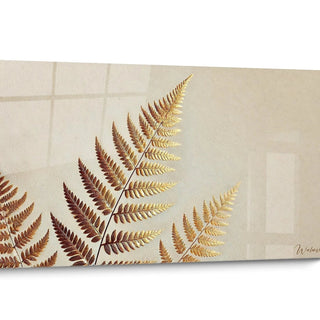 Golden Leaf2
artworks
Golden Leaf2
artworks
-
 Flower276
artworks
Flower276
artworks
-
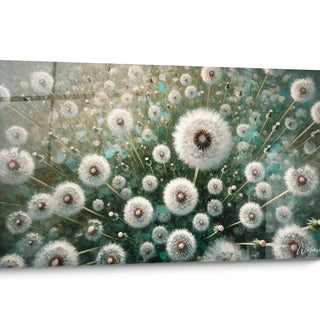 Wildflowers5
artworks
Wildflowers5
artworks
-
 Pebbles9
artworks
Pebbles9
artworks
-
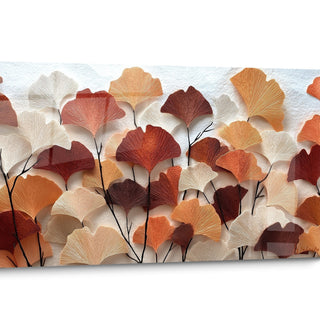 Ginkgo71
artworks
Ginkgo71
artworks
-
 Glycine217
artworks
Glycine217
artworks
-
 Hydrangea140
artworks
Hydrangea140
artworks
-
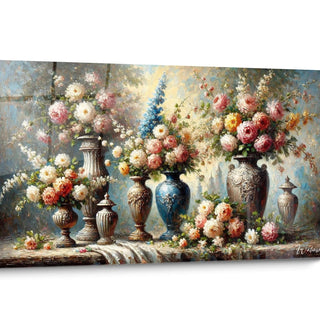 Garden18
artworks
Garden18
artworks
-
 Daffodil163
artworks
Daffodil163
artworks
-
 Lavender135
artworks
Lavender135
artworks
-
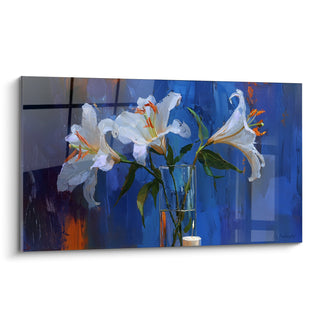 Lily135
artworks
Lily135
artworks
-
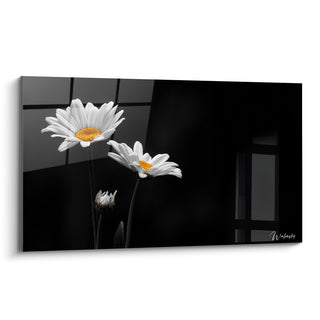 Daisy156
artworks
Daisy156
artworks
-
 Monstera8
artworks
Monstera8
artworks
-
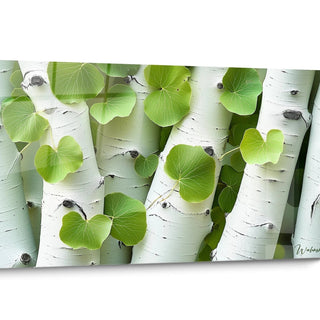 Other Nature80
artworks
Other Nature80
artworks
-
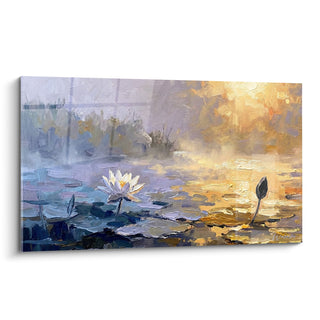 Water Lily105
artworks
Water Lily105
artworks
-
 Olivier321
artworks
Olivier321
artworks
-
 Orchid87
artworks
Orchid87
artworks
-
 Palm Tree375
artworks
Palm Tree375
artworks
-
 Peony168
artworks
Peony168
artworks
-
 Roses14
artworks
Roses14
artworks
-
 Terracotta436
artworks
Terracotta436
artworks
-
 Sunflower152
artworks
Sunflower152
artworks
-
 Tulip542
artworks
Tulip542
artworks


All about Iris Flower Wall Art
- Presentation Iris flower paintings overview
- Iris flower paintings chromatic symbolism
- Iris flower paintings Impressionist influence
- Iris flower paintings Interior design
Iris flower paintings - Botanical elegance for your interior
Iris flower paintings represent a perfect fusion between botanical art and contemporary artistic expression. These pictorial representations capture the delicate and majestic essence of the iris, an emblematic flower with characteristic petals and enchanting colors.
Irises, with their distinctive silhouette and varied color palette ranging from deep violet to immaculate white, have been a favorite subject for artists for centuries. Their unique structure, composed of three upright and three drooping petals, offers a fascinating natural geometry that contemporary nature paintings particularly highlight.
Iris flower paintings distinguish themselves through their ability to create an atmosphere that is both sophisticated and calming in living spaces. Unlike more common floral representations such as roses or sunflowers, the iris brings an architectural dimension and symbolic depth inherited from its rich cultural heritage.
These large-format pictorial works allow appreciation of the subtle details of iridescent petals, the delicate nuances of tints, and the natural grace of this royal flower. Iris paintings often capture these flowers in different contexts: in lush bouquets, isolated specimens revealing their structure, or in their natural environment near water.
The popularity of iris paintings among art lovers and interior decorators is explained by their aesthetic versatility and their ability to harmonize with different decoration styles, from classical to contemporary. These works bring a touch of botanical refinement and striking visual presence to any space.
To discover the multiple facets of these artistic creations inspired by this emblematic flower, explore our thematic tabs that will reveal the chromatic symbolism, impressionist influence, and interior design secrets related to iris flower paintings.
Chromatic symbolism of iris flower paintings
Iris flower paintings distinguish themselves through their exceptional chromatic richness, offering a unique visual exploration of the nuances and symbolic meanings associated with this emblematic flower. Unlike other floral representations, the iris presents an extraordinarily diverse natural palette that stimulates artistic imagination.
Why do irises offer such a particular color palette to artists?
The particularity of iris paintings lies in their ability to capture the full range of colors that this flower can naturally present. From deep violet to brilliant yellow, passing through celestial blue and pearlescent white, the iris is one of the rare flowers presenting such chromatic diversity. This characteristic allows artists to create works where color becomes not only an aesthetic element but also a narrative one.
Violet irises, particularly prized in pictorial representations, evoke wisdom, royalty, and spiritual inspiration. Paintings highlighting this tint bring meditative depth and aristocratic elegance to living spaces. The intensity of violet, varying from delicate lavender to majestic purple, offers a powerful visual presence that immediately captures the eye.
Blue irises, less common in nature but captivating in large artistic formats, symbolize serenity, fidelity, and infinity. These representations create a soothing atmosphere ideal for relaxation spaces such as bedrooms or living rooms dedicated to rest. The particular luminosity of iris blues, almost iridescent, brings an ethereal quality to iris flower paintings.
How do artists exploit the natural iridescence effects of irises?
The natural iridescence of iris petals, this optical phenomenon creating changing reflections depending on the viewing angle, constitutes a fascinating technical challenge for artists. Modern iris paintings often use innovative pictorial techniques such as superimposed glazes or metallic pigments to reproduce this unique effect. These large-format works then take on a dynamic dimension, subtly changing appearance depending on ambient light and the observer's position.
Artistic creations centered on yellow or orange irises introduce solar energy and dazzling vitality into environments. These iris flower paintings with warm tonalities symbolize passion, creativity, and abundance. They prove particularly effective in energizing neutral or minimalist spaces, bringing a warm focal point without overloading the overall visual balance.
Representations of white irises, for their part, embody purity, elegance, and refined simplicity. These monochromatic or white-dominated paintings create a timeless sophistication effect that blends harmoniously into contemporary streamlined decor. The subtlety of white and cream nuances invites attentive contemplation of textural details and delicate shadow play.
Bicolor or variegated iris paintings offer additional visual complexity, often representing duality and harmonic contrast. These works, particularly appreciated by discerning collectors, introduce a more elaborate narrative dimension and allow for bold chromatic associations with surrounding decorative elements.
One of the most fascinating aspects of iris flower paintings lies in their ability to capture subtle chromatic transitions between different parts of the flower. Contemporary artists exploit this characteristic to create works with complex gradations, offering a visual experience that rewards prolonged and attentive observation.
In large formats, these chromatic explorations take on an immersive dimension, transforming a simple decorative element into a genuine artistic statement. Large iris paintings allow appreciation of petal microstructure and tonal variations that might go unnoticed in more modest representations.
Works featuring irises throughout the seasons illustrate the natural chromatic variations of these flowers, offering visual meditation on the passage of time and natural cycles. These seasonal iris flower paintings can constitute powerful thematic sets when presented in series within the same space.
For contemporary living spaces where light plays a preponderant role, iris paintings with reflective or metallic tonalities create a fascinating dialogue with ambient lighting, producing visual effects that evolve throughout the day and seasons.
Impressionist influence in iris flower paintings
The impressionist heritage constitutes a fundamental dimension in appreciating contemporary iris flower paintings. This historical influence considerably enriches the perception and artistic value of these modern works, creating a fascinating dialogue between pictorial tradition and contemporary expression.
How did Van Gogh revolutionize the representation of irises in art?
Vincent Van Gogh's impact on iris paintings aesthetics remains immeasurable. His celebrated series of irises, painted during his stay at the Saint-Rémy-de-Provence asylum, radically transformed the artistic approach to this flower. Contemporary iris flower paintings directly inherit his revolutionary technique characterized by expressive brushstrokes and striking chromatic intensity. Current large-format works frequently draw inspiration from this pictorial energy to create dynamic representations where the flower appears almost animated with its own life.
Van Gogh's irises, with their thickly applied paint and emotional expressivity, established a new paradigm in floral representation, moving away from academic conventions to privilege emotional impact. Modern iris flower paintings exploit this approach using contemporary techniques to amplify this sensation of movement and direct emotion.
Claude Monet, another emblematic figure of impressionism, immortalized irises in his Giverny garden, creating works where natural light transforms the perception of flower colors. His influence manifests in contemporary iris paintings through attention paid to luminous variations and atmospheric reflections that modify petal appearance depending on the time of day.
What impressionist techniques are found in modern iris paintings?
The pointillist technique, developed by Georges Seurat and Paul Signac, finds particular resonance in certain contemporary iris flower paintings that decompose colors into juxtaposed dots to create striking vibratory effects. This approach, particularly effective for capturing the natural iridescence of iris petals, allows creation of works whose perception subtly changes depending on viewing distance.
The impressionist use of natural light, fundamental in Monet's representations, inspires contemporary artists who create series of iris paintings representing the same floral composition at different times of day. These luminous variations bring a fascinating temporal dimension and transform a simple decorative object into a conceptual exploration of time and perception.
Impressionists favored plein air painting to capture the fleeting essence of natural phenomena. This approach influences modern iris flower paintings that often represent these flowers in their natural environment, surrounded by other vegetation and bathed in authentic light. This ecological contextualization adds a narrative and immersive dimension to works.
The "wet-on-wet" painting technique, frequently employed by impressionists to create smooth transitions between colors, is found in contemporary iris paintings seeking to reproduce the delicacy of natural gradations observable on petals. This technical approach allows creation of works with fluid and harmonious chromatic boundaries.
Backlighting effects, masterfully exploited by impressionists to dramatize their compositions, inspire many modern iris flower paintings where petal translucency is enhanced by backlighting. This technique creates works of particular luminosity, almost transcendent, ideal for spaces seeking a contemplative atmosphere.
Large iris paintings also draw inspiration from the immersive approach of Monet's large water lily panels, creating enveloping visual environments rather than simple decorative objects. These monumental works transform the spatial experience of the places they inhabit, creating an atmosphere infused with floral presence.
The legacy of Berthe Morisot and Mary Cassatt, impressionists who frequently represented intimate scenes including floral elements, influences iris flower paintings that integrate these flowers into contemporary domestic contexts. This approach creates relatable works that resonate with observers' daily experience.
Degas's fragmentary and unconventional framing approach, characteristic of his work, inspires the audacious compositions of certain contemporary iris paintings that present partial views or unexpected perspectives on these flowers. These innovative framings create stimulating visual tension and a resolutely modern aesthetic despite their impressionist roots.
For enlightened collectors and art lovers, this historical dimension adds significant conceptual depth and cultural value to iris flower paintings, inscribing them in a prestigious artistic continuity while celebrating contemporary innovation.
Interior design with iris flower paintings
Iris flower paintings possess a remarkable ability to transform the atmosphere of interior spaces through their distinctive visual presence and unique emotional charge. Their integration into an interior design project requires a thorough understanding of their aesthetic particularities and spatial impact.
How do iris paintings influence the perception of architectural volumes?
Large-format iris paintings exercise considerable influence on the spatial perception of rooms where they are installed. Their vertical orientation, inspired by the natural growth of the flower, creates an elevating effect that visually accentuates ceiling height. This characteristic makes them particularly judicious choices for spaces with compact proportions requiring an impression of vertical amplitude.
Unlike more common floral representations, iris flower paintings present an architectural botanical structure that establishes a fascinating dialogue with the constructive lines of the surrounding space. The distinctive geometry of irises, with their upright petals in flame-like form and gracefully curved drooping segments, creates visual guidelines that can either reinforce or counterbalance existing structural elements.
Horizontal panoramic compositions of irises, particularly effective above sofas or elongated consoles, create a sensation of lateral space expansion. These iris flower paintings in extended format function as virtual windows opening onto floral landscapes, visually dilating the physical limits of the room.
The presence of a monumental iris painting in a minimalist space creates a powerful focal point that visually anchors the entire design. This approach, inspired by Japanese wabi-sabi principles, privileges a single impactful element rather than a multitude of decorative objects, generating an atmosphere that is both serene and visually stimulating.
What spaces particularly benefit from the presence of iris paintings?
Transition spaces such as vestibules and hallways are remarkably transformed with iris flower paintings installation. These zones, often neglected in design projects, acquire their own aesthetic identity and become visual experiences rather than simple functional passages. The natural verticality of irises subtly guides movement through these spaces.
Wellness environments such as meditation rooms or domestic spa spaces particularly benefit from the presence of iris paintings in soothing tints. The iris, historically associated with the Greek goddess of the rainbow and messenger of the gods, brings a contemplative and transcendent dimension perfectly aligned with the regenerative function of these spaces.
In contemporary home offices, iris flower paintings with stimulating colors such as royal violet or electric blue create an environment conducive to creativity and concentration. The organized yet organic structure of the iris symbolically reflects the balance between discipline and inspiration necessary for productive intellectual work.
Reception spaces benefit from the strategic installation of iris paintings to create natural conversation zones. These works, sufficiently intriguing to spur exchange without visually dominating the space, become catalysts for social interaction while affirming the aesthetic refinement of hosts.
How to harmonize iris paintings with different decorative styles?
In Scandinavian-style interiors, characterized by neutral palette and natural materials, iris flower paintings introduce an element of controlled color that enriches the space without compromising its minimalist coherence. Representations of irises in pastel or powdered tones integrate particularly harmoniously into these streamlined environments.
Art Deco decor styles, with their assertive geometric lines and luxurious finishes, ideally welcome iris paintings with structured compositions and bold colors. The natural sophistication of this flower resonates with the formal elegance characteristic of this historical aesthetic.
For bohemian or eclectic interiors, iris flower paintings with mixed techniques or abstract interpretations add an artistic dimension that enriches the visual complexity sought in these styles. These works can serve as a chromatic bridge between seemingly disparate decorative elements.
In converted industrial spaces, characterized by raw materials and generous volumes, very large-format iris paintings create a striking contrast between floral delicacy and architectural robustness. This juxtaposition generates sophisticated aesthetic tension particularly appreciated in contemporary design.
FAQ on iris flower paintings
What is the ideal size for an iris flower painting in a standard living room?
For a living room with standard dimensions (approximately 20-25 m²), favor a medium to large iris flower painting (80-120 cm in its greatest dimension). This proportion allows the work to exercise significant visual presence without overwhelming the space. In larger living rooms, monumental formats (150 cm and above) create spectacular impact particularly effective on main walls.
Do iris flower paintings require specific lighting to reveal all their beauty?
Iris paintings considerably benefit from dedicated directional lighting, ideally with spots at neutral color temperature (3500-4000K). This targeted illumination highlights iridescence effects and subtle chromatic variations characteristic of these works. For paintings with glossy or metallic finishes, favor oblique lighting that minimizes parasitic reflections.
How to harmoniously integrate multiple iris flower paintings in the same space?
To create a coherent set with multiple iris paintings, adopt either the thematic series principle (same colors but varied formats), or that of chromatic progression (different iris colors following harmonious gradation). Maintain a distance of at least 15-20 cm between each work and align them according to a common axis (horizontal or vertical) to preserve the visual harmony of the ensemble while maximizing the impact of each painting.
Further reading
Our articles on this topic
- Iris flower painting: symbolism and best placement for a zen living room
- Purple Iris: Which Symbolism for Which Room in Your Home?
- Iris flower painting for botanists: the scientifically accurate gift guide
- Abstract iris painting for a home office: the color and video call guide
- Purple iris painting: which colours to pair in a modern living room
- Van Gogh Iris painting: the ideal reproduction for a calming bedroom
Walensky
L'art qui suscite l'envie
Maison belge d'art mural grand format
14 jourspour changer d'avis*
Protection Walenskyincluse
Fabriquéen Italie
FormatXXL
Kit de fixationtoujours fourni
* Hors tableaux personnalisés et tailles personnalisées


