


Peony Wall Art
The Peony Wall Art is a tribute to the splendor of opulent flowers. With its vibrant hues and delicate petals, it brings a luxurious and refined touch to your décor. A symbol of prosperity and romance, this majestic flower graces your walls with an elegant and sophisticated atmosphere. A perfect choice for an interior with chic and natural spirit.
 Paeony Red and Grey with Twisted Black Branches Painting - Ornamental Floral Pattern - Peony Edition273,90 €
 Red and Pink Peonies Painting with Golden Highlights - Velvety Hearts - Peony Edition273,90 €
 Dark Red and Brown Peonies Painting on Deep Black Background - Tight Round Buds - Peony Edition273,90 €
 Peony Painting with Red Burgundy and Lemon Yellow Mixed - Lemon Slices - Peony Edition273,90 €
 Pink and Navy Blue Peonies Painting with Beige Leaves - Dense, Compact Bouquet - Peony Edition273,90 €
 Red and Ivory Roses with Dense Foliage - Tangled Lush Bushes - Peony Edition273,90 €
 Peony Painting in Pale Pink and Cherry Red with Thorny Stems - Buds in a Tight Cluster - Peony Edition273,90 €
 Pink and Pale Blue Peony Painting - Single Stem on Branch - Blurred Foliage Background - Peony Edition273,90 €
 Pink and Deep Green Peony Painting Close-up - Vibrant Orange Stamens - Peony Edition273,90 €
 Paeony Coral and Navy Blue Painting with Filamentous Stamens - Splashes of Gold Ink - Paeony Edition273,90 €
 Pink and Burgundy Peony Painting with Ivory Background - Deep Garnet Heart - Peony Edition273,90 €
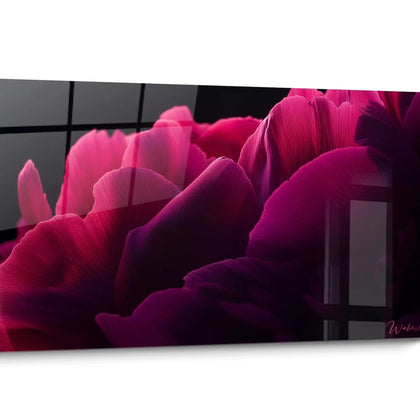
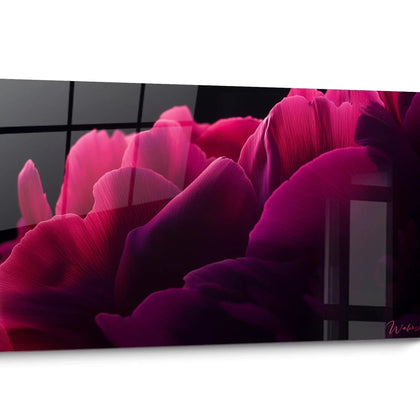
 Pink and Fuchsia Peonies on Black Background - Mirror Reflection - Peony Edition273,90 €
 Pink Peonies and Plum Tree Painting on Dark Brown Background - Compact Lush Bouquet - Peony Edition273,90 €
 Peony Painting Coral and Red in a Large Tightly Packed Bouquet - Crinkled Petal Overlap - Peony Edition273,90 €
 Peony Painting in Royal Blue and Ivory - Bird's Eye View of a Compact, Tightly Packed Bouquet - Peony Edition273,90 €
 Peony Painting in Navy Blue and Ivory with Crinkled Petals - Bouquet on Glass Surface - Peony Edition273,90 €
 Pink Peonies and Golden Hearts Painting - Spring Bloom - Peony Edition273,90 €
 Pink and White Peonies Painting with Petrol Blue Leaves - Velvety Petals Tightly Packed - Peony Edition273,90 €
 Pink and Peach Peonies Bouquet Painting - Blooming Bouquet - Peony Edition273,90 €
 Painting of Burgundy Red and Cream White Peonies in a Tight Cluster - Heart of Orange Stamens - Peony Edition273,90 €
 Pink and Burgundy Peonies Painting with Gilded Leaves - Scaled Pistachio Green Background - Peony Edition273,90 €
 Coral and Navy Peonies Painting with Light White Flowers - Amber Plate Shards - Peony Edition273,90 €
 Pivoines ivory and gold with sculpted leaves - Trompe l'oeil reliefs - Pivoine Edition273,90 €
 Peony Painting Coral and Ivory with Petrol Blue Leaves - Brown Checkered Background - Peony Edition273,90 €
Explore further
In Peony Wall Art

In the same family
Also explore the theme Nature
-
 View all5000
artworks
View all5000
artworks
-
 Aloe vera94
artworks
Aloe vera94
artworks
-
 Tree64
artworks
Tree64
artworks
-
 Tree of Life50
artworks
Tree of Life50
artworks
-
 Azalea106
artworks
Azalea106
artworks
-
 Bamboo241
artworks
Bamboo241
artworks
-
 Nature's Beauties372
artworks
Nature's Beauties372
artworks
-
 Cornflower133
artworks
Cornflower133
artworks
-
 Cactus81
artworks
Cactus81
artworks
-
 Camellia197
artworks
Camellia197
artworks
-
 Chrysanthemum225
artworks
Chrysanthemum225
artworks
-
 Poppy341
artworks
Poppy341
artworks
-
 Dahlia161
artworks
Dahlia161
artworks
-
 Eucalyptus119
artworks
Eucalyptus119
artworks
-
 Banana Leaf72
artworks
Banana Leaf72
artworks
-
 Golden Leaf2
artworks
Golden Leaf2
artworks
-
 Flower276
artworks
Flower276
artworks
-
 Iris Flower179
artworks
Iris Flower179
artworks
-
 Wildflowers5
artworks
Wildflowers5
artworks
-
 Pebbles9
artworks
Pebbles9
artworks
-
 Ginkgo71
artworks
Ginkgo71
artworks
-
 Glycine217
artworks
Glycine217
artworks
-
 Hydrangea140
artworks
Hydrangea140
artworks
-
 Garden18
artworks
Garden18
artworks
-
 Daffodil163
artworks
Daffodil163
artworks
-
 Lavender135
artworks
Lavender135
artworks
-
 Lily135
artworks
Lily135
artworks
-
 Daisy156
artworks
Daisy156
artworks
-
 Monstera8
artworks
Monstera8
artworks
-
 Other Nature80
artworks
Other Nature80
artworks
-
 Water Lily105
artworks
Water Lily105
artworks
-
 Olivier321
artworks
Olivier321
artworks
-
 Orchid87
artworks
Orchid87
artworks
-
 Palm Tree375
artworks
Palm Tree375
artworks
-
 Roses14
artworks
Roses14
artworks
-
 Terracotta436
artworks
Terracotta436
artworks
-
 Sunflower152
artworks
Sunflower152
artworks
-
 Tulip542
artworks
Tulip542
artworks


All about Peony Wall Art
- Peony Paintings Presentation
- Peony Paintings Floral Symbolism
- Peony Paintings Zen Atmosphere
- Peony Paintings Seasonal Decoration
Peony paintings represent the very essence of floral elegance transposed into wall art. Symbols of wealth and prosperity in Asian culture, these artistic representations bring a touch of refinement and delicacy to any interior. Peonies, with their abundant petals and varied hues ranging from pure white to deep red, offer a striking visual presence when immortalized in a mural artwork.
These artistic creations distinguish themselves by their ability to capture the ephemeral splendor of the peony flower while conferring upon it a permanent decorative quality. The nature paintings representing peonies combine floral majesty with a unique emotional depth, transforming any space into a sanctuary of natural beauty.
The variety of artistic styles available allows these paintings to be adapted to different interior types, whether a minimalist Japanese interpretation, a detailed realistic representation, or a contemporary abstract vision. This versatility makes peony paintings a cherished choice for floral art enthusiasts and interior designers seeking an elegant masterpiece.
Exploring our different sections will allow you to discover the multiple facets of peony paintings, from their profound cultural symbolism to their impact on a room's atmosphere, through their perfect integration into thoughtful seasonal decoration.
Peony Paintings and Their Powerful Cultural Symbolism
Peony paintings transcend simple floral representation to embody a rich and ancient symbolic language. When you integrate these artworks into your living space, you are adding not merely a decorative element, but inviting a presence laden with profound meanings.
What is the ancestral significance of peonies in wall art?
In Chinese tradition, the peony is considered the "queen of flowers" and symbolizes wealth, honor, and high social status. A peony painting hung in a living room or main entrance immediately conveys these values of prosperity and abundance. Unlike other floral representations that may evoke fragility or simplicity, the peony communicates an imposing and noble presence.
This flower is also associated with femininity, beauty, and romance in many cultures. In traditional Chinese medicine, the peony is recognized for its healing properties, adding a dimension of well-being and healing to its artistic representation. A peony painting in a bedroom or relaxation space can thus create an atmosphere conducive to regeneration and rest.
The specific chromatic evolution of peony representations
Artists dedicated to representing peonies explore a particular palette that evolves with seasons and trends. Peony hues – from nacre white to deep red, passing through delicate pinks and vibrant corals – offer unique chromatic richness in the universe of floral paintings.
This color diversity allows peony paintings to adapt to different color schemes in interior design. An artwork depicting white peonies brings a touch of purity and discreet elegance, while a red peony painting creates a dramatic and passionate focal point.
Contemporary artists also explore monochromatic interpretations or striking contrasts that highlight the complex structure of the flower. These modern approaches allow peony paintings to harmoniously integrate into minimalist or industrial interiors, proving their exceptional versatility.
How peony paintings influence a room's energy according to Feng Shui
In Feng Shui practice, wall art is never inconsequential and directly influences energy circulation in a space. Peony paintings occupy a privileged place in this design philosophy, as they are considered particularly powerful chi (vital energy) activators.
Placed in the southeast sector of a home, a peony painting stimulates financial prosperity and abundance. In the east zone, it strengthens family bonds and health. These positioning principles specific to peony representations do not apply to other floral motifs, which possess their own energetic attributions.
The dominant colors of the peony painting also influence its energetic impact: artworks in red and pink hues stimulate passion and creativity, while white and yellow variations encourage mental clarity and relational harmony.
The unique artistic compositions of peony paintings
The particular structure of the peony, with its numerous and overlapping petals, inspires specific artistic compositions. Artists often exploit the voluminous texture and complex architecture of this flower to create works with strong visual depth.
Close-ups of a peony flower reveal an almost labyrinthine universe of intertwined petals, offering a meditative visual experience. These macro paintings reveal imperceptible details and transform the flower into a fascinating abstract landscape.
Other artists choose to capture the ephemeral moment of peony blooming, that delicate transition from closed bud to full flower. These peony paintings celebrate temporality and invite contemplation of change and personal transformation – a philosophical dimension rarely present in other floral representations.
Compositions including cut peonies in precious vases constitute a particular sub-genre that evokes the tradition of Dutch still life while integrating Asian symbolism. These peony paintings create a unique intercultural bridge in the world of decorative art.
Peony Paintings for a Zen and Soothing Atmosphere
The integration of a peony painting in a living space transcends simple decoration to become a complete sensory experience. These artworks possess a unique meditative quality that transforms a room's atmosphere, creating a sanctuary of tranquility at the heart of the home.
How peony paintings influence breathing and heart rate
Studies in environmental psychology have demonstrated that contemplating floral images, particularly those representing peonies, can induce a slowing of respiratory rate. The unique concentric structure of the peony, with its petals unfolding in perfect circles from the flower's center, naturally guides the eye in a soothing circular movement.
This rhythmic visual observation favors deeper and more regular breathing, similar to effects sought in meditation practices. Peony paintings, through their specific composition, thus become tools for passive relaxation, acting on the parasympathetic nervous system to induce a state of calm.
This characteristic distinctly sets peony paintings apart from other floral representations with more linear or chaotic structures that do not possess this hypnotic concentric quality.
The impact of peony tones on the circadian cycle
The specific chromatic palettes of peony paintings – dominated by tender pinks, luminous whites, and deep reds – interact in a particular way with our visual perception and biological clock. The rosy hues characteristic of peonies activate specific receptors in the retina that are linked to serotonin production, the neurotransmitter associated with well-being.
A peony painting placed in a bedroom can thus contribute to natural regulation of the sleep-wake cycle, particularly when exposed to morning light. The soft yet vibrant tones of peonies progressively stimulate wakefulness, unlike floral representations with more vivid colors that might disrupt the soothing atmosphere necessary for a rest space.
The deep tones of certain peonies, such as deep burgundy or intense purple, create an atmosphere conducive to decompression at day's end, facilitating the transition to rest.
The acoustic resonance of spaces adorned with peony paintings
A rarely discussed phenomenon concerns the influence of decorative elements on a space's acoustic properties. Large peony paintings, particularly those depicting dense floral compositions, contribute to partial absorption of sound waves in a room, thus reducing reverberation and creating a more muted sonic environment.
This characteristic makes large peony paintings particularly judicious choices for meditation spaces, reading corners, or home offices where acoustic quality plays an important role in overall comfort. The enveloping visual presence of these artworks also creates a psychological impression of sound insulation, reinforcing the sensation of a protective cocoon.
This subtle acoustic benefit is specific to peony representations due to their visual density and complex structure, whereas other more refined or geometric motifs would not produce the same effect.
Peony paintings as seasonal contemplative portals
The peony, an ephemeral flower par excellence whose spectacular yet brief blooming marks the spring transition, possesses a unique temporal dimension when immortalized in a painting. These artworks become "permanent seasonal portals" that allow maintaining a connection with spring energy throughout the year.
During winter months, a peony painting acts as a vibrant reminder of nature's cyclical rebirth, bringing an element of hope and vitality in the darkest periods. This specific psychological function makes it a therapeutic tool against seasonal affective disorders, offering a symbolic "exposure" to spring energy even at the heart of winter.
Peony paintings are particularly effective in this function due to the profound association of this flower with rebirth and vitality in many cultural traditions, a symbolism that other floral representations do not carry as intensely.
The integration of peony paintings in mindfulness practices
Practitioners of mindfulness and meditation increasingly discover the usefulness of peony paintings as focal points for their concentration exercises. The structural complexity of the peony, with its numerous layers of petals and natural yet organic symmetry, makes it an ideal subject for contemplation.
A peony painting can serve as a visual yantra (meditation support) by offering sufficient detail to maintain attention without overwhelming it. Therapists specialized in art therapy specifically recommend peony representations for centering exercises, as their in-depth observation facilitates entry into a state of modified consciousness conducive to deep relaxation.
These meditative qualities are amplified in traditional Asian-style peony paintings, which often integrate important negative spaces (unpainted areas) allowing the eye – and mind – to "breathe" between moments of intense observation.
Peony Paintings for Harmonious Seasonal Decoration
The integration of peony paintings into a seasonal decorative scheme offers a sophisticated and dynamic approach to interior design. These artworks possess a remarkable ability to evolve visually across seasons, creating permanent dialogue with the external environment.
How peony paintings transform their appearance according to seasonal lighting
Natural luminosity varies considerably throughout the year, altering our perception of colors and textures. Peony paintings possess a fascinating particularity: their rosy, red, or white hues react in a unique way to different seasonal light qualities.
During summer months, when light is more direct and intense, pigments in representations of pink and red peonies reveal coral and orange undertones usually imperceptible. In autumn, these same paintings develop a visual warmth that echoes the ambered hues of the surrounding season.
Winter, with its cold and diffuse light, highlights bluish and mauve nuances in the shadows of peony petals, creating perfect harmony with the winter atmosphere without losing their vital essence. This subtle yet perceptible chromatic metamorphosis is specific to peony representations due to the natural complexity of this flower's pigments.
Peony paintings as decorative anchor points facing seasonal changes
In an approach to evolving decoration that adapts to seasons, peony paintings can serve as constant elements around which secondary decorative accessories can be modified. This decorative strategy, known as "visual anchor point", allows maintaining aesthetic coherence while embracing change.
A large peony painting in a living room can be accompanied by pillows and throws in cool tones during summer, then surrounded by accessories in warm colors and richer textures as autumn approaches. This exceptional adaptability is linked to the inherent chromatic richness of peony representations, which naturally contain a complete palette ranging from cool hues to warm tones.
This seasonal versatility is particularly pronounced with peony paintings due to the nature of this flower which, in its life cycle, passes through a remarkable color evolution, from pale bud to brilliant flower then to faded petal in sepia tones – a complete cycle that resonates with the passage of seasons.
The symbolism of peony paintings in the energetic renewal of the home
In many traditions, notably Asian ones, the placement and rotation of artworks are considered essential practices for maintaining vibrant energy in the habitat. Peony paintings occupy a privileged place in this philosophy due to their particular symbolism of renewal and abundance.
Repositioning a peony painting when seasons change – for example, moving it from a common space to a more intimate space as winter approaches – allows one to "reactivate" its energetic influence. This practice is particularly significant with peony representations which are traditionally associated with transitions and new beginnings.
Some intuitive decoration specialists recommend slightly modifying the tilt of peony paintings at solstices and equinoxes, allowing light to strike them differently and symbolizing the home's alignment with the great natural cycles. This subtle ritual practice contributes to heightened awareness of seasonal rhythms within the domestic space.
Peony paintings and their complementarity with seasonal natural elements
The art of harmoniously integrating seasonal natural elements into decoration finds a perfect ally in peony paintings. Their strong yet balanced visual presence creates an elegant dialogue with floral arrangements, branches, or plant elements that can vary throughout the seasons.
In spring, place cherry blossom branches near a peony painting to create a floral symphony celebrating rebirth energy. In summer, tall grasses and ornamental grasses complement the complex structure of represented peonies. Autumn calls for berries and branch foliage in reddish tones that echo the deep hues of certain peonies.
Winter, bare branches or compositions of white and silvered elements create a striking contrast with the painting's visual richness, symbolizing nature's rest before a new flowering cycle. This seasonal decorative choreography is particularly effective with peony paintings due to their symbolic position at the border between wild nature and cultivated beauty.
Which spaces to favor for peony paintings according to seasons?
The seasonal migration of peony paintings within the habitat itself represents a sophisticated approach to dynamic decoration. Each season calls for optimal positioning that maximizes the visual and emotional impact of these artworks.
In spring and summer, favor spaces traversed by natural light such as entrances, bright corridors, or areas near east-facing windows. These locations allow peony paintings to capture and reflect increasing luminosity, amplifying their energizing presence.
As autumn approaches, move these artworks to communal living spaces such as the living room or dining room, where their visual warmth will counterbalance the decrease in natural light. During winter months, integrate peony paintings into rest and regeneration spaces such as bedrooms or reading corners, where they will act as subliminal reminders of spring's inevitable return.
FAQ about peony paintings
What is the best height for hanging a peony painting in a living room?
For a large peony painting, favor hanging at eye level, approximately 160 cm from the floor to the center of the artwork. This optimal height allows you to appreciate all the complex details of the petals and the richness of hues. For spaces with high ceilings, you can go up to 170 cm to maintain visual balance with the architecture.
Can peony paintings be displayed in humid rooms like the bathroom?
Peony paintings can indeed transform a bathroom's atmosphere, but require particular precautions. Opt for artworks with humidity protection or hermetic framing. The regeneration symbolism of peonies harmonizes perfectly with the space dedicated to personal care, creating a luxurious spa atmosphere.
How to pair a peony painting with contemporary industrial style?
To create a striking contrast in an industrial interior, choose a peony painting with vibrant colors and dynamic composition. The opposition between the organic softness of the flower and the rawness of materials like metal and concrete creates sophisticated visual tension. Frame the artwork in a minimalist matte black metal frame to maintain coherence with industrial aesthetics while celebrating the natural beauty of peonies.


