


Rose Painting
A rose painting embodies floral delicacy and elegance. Its subtle nuances, from powder pink to deep red, evoke love and passion. Perfect for romantic and soothing decoration, it enhances your walls with refinement and poetry. Ideal for a bedroom or living room, it creates a soft and sophisticated atmosphere, reflecting the timeless beauty of this iconic flower.
 Red Roses Painting - Stylized Bouquet - Art Deco Edition228,90 €
 Red Roses Wall Art - Elegant Art Deco Bouquet - Art Deco Edition228,90 €
 Red Roses Wall Art - Floral Elegance - Art Deco Edition273,90 €
 Red Roses Painting - Floral Elegance Art Deco - Art Deco Edition273,90 €
 Pink Rose with Water Drops - Delicate Emotion - Black and White Landscape Edition273,90 €
 Rose Wall Art No. 9 - Nature Edition273,90 €
 Rose Wall Art No. 8 - Nature Edition273,90 €
 Rose Wall Art No. 7 - Nature Edition273,90 €
 Rose Artwork No. 6 - Nature Edition273,90 €
 White Rose Painting No.5 - Nature Edition273,90 €
 White Rose Painting No.4 - Nature Edition273,90 €
 Rose Wall Art No. 3 - Nature Edition273,90 €
 Rose Wall Art No. 2 - Nature Edition273,90 €
 Pink Flower No.1 - Nature Edition273,90 €
Explore further
In Rose Painting


In the same family
Also explore the theme Nature
-
 View all5000
artworks
View all5000
artworks
-
 Aloe vera94
artworks
Aloe vera94
artworks
-
 Tree64
artworks
Tree64
artworks
-
 Tree of Life50
artworks
Tree of Life50
artworks
-
 Azalea106
artworks
Azalea106
artworks
-
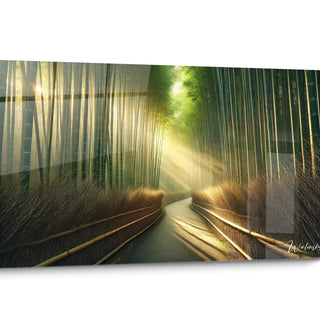 Bamboo241
artworks
Bamboo241
artworks
-
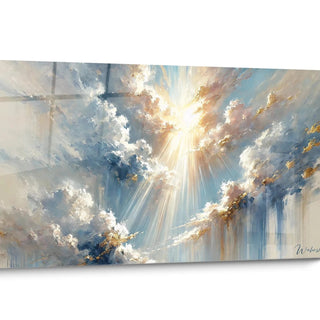 Nature's Beauties372
artworks
Nature's Beauties372
artworks
-
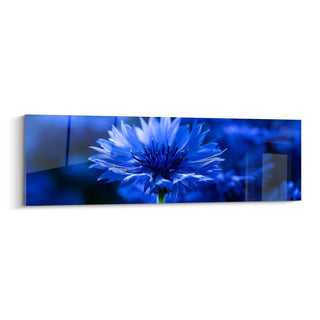 Cornflower133
artworks
Cornflower133
artworks
-
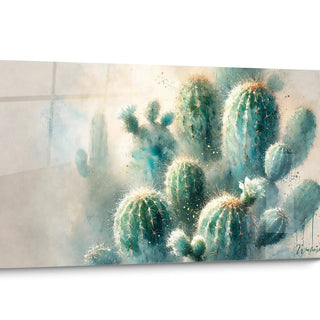 Cactus81
artworks
Cactus81
artworks
-
 Camellia197
artworks
Camellia197
artworks
-
 Chrysanthemum225
artworks
Chrysanthemum225
artworks
-
 Poppy341
artworks
Poppy341
artworks
-
 Dahlia161
artworks
Dahlia161
artworks
-
 Eucalyptus119
artworks
Eucalyptus119
artworks
-
 Banana Leaf72
artworks
Banana Leaf72
artworks
-
 Golden Leaf2
artworks
Golden Leaf2
artworks
-
 Flower276
artworks
Flower276
artworks
-
 Iris Flower179
artworks
Iris Flower179
artworks
-
 Wildflowers5
artworks
Wildflowers5
artworks
-
 Pebbles9
artworks
Pebbles9
artworks
-
 Ginkgo71
artworks
Ginkgo71
artworks
-
 Glycine217
artworks
Glycine217
artworks
-
 Hydrangea140
artworks
Hydrangea140
artworks
-
 Garden18
artworks
Garden18
artworks
-
 Daffodil163
artworks
Daffodil163
artworks
-
 Lavender135
artworks
Lavender135
artworks
-
 Lily135
artworks
Lily135
artworks
-
 Daisy156
artworks
Daisy156
artworks
-
 Monstera8
artworks
Monstera8
artworks
-
 Other Nature80
artworks
Other Nature80
artworks
-
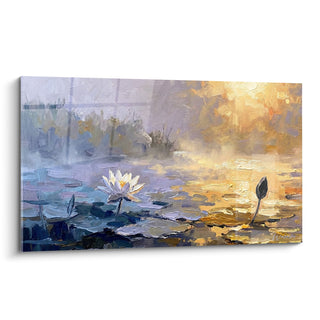 Water Lily105
artworks
Water Lily105
artworks
-
 Olivier321
artworks
Olivier321
artworks
-
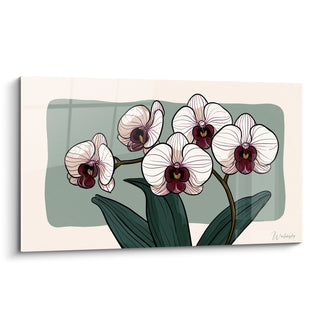 Orchid87
artworks
Orchid87
artworks
-
 Palm Tree375
artworks
Palm Tree375
artworks
-
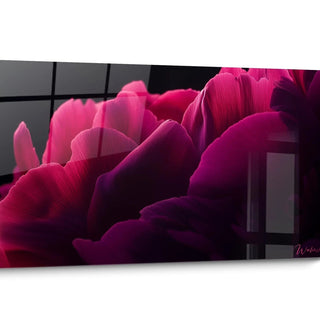 Peony168
artworks
Peony168
artworks
-
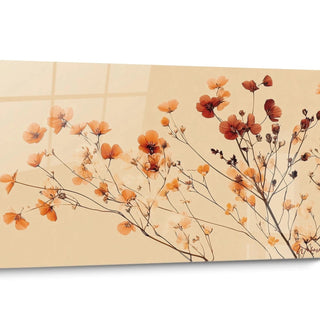 Terracotta436
artworks
Terracotta436
artworks
-
 Sunflower152
artworks
Sunflower152
artworks
-
 Tulip542
artworks
Tulip542
artworks


All about Rose Painting
- Rose Paintings Presentation
- Rose Elegance Floral Paintings
- Rose Paintings Symbolism
- Rose Paintings Atmosphere
Paintings depicting roses transform any interior space into a garden of perpetual elegance. Unlike natural flowers that fade, these nature paintings capture the eternal beauty of roses in their maximum splendor. Whether it's a solitary rose in its perfection or a sophisticated floral arrangement, these works of art bring a touch of refinement and romanticism to your décor. Perfect for gardening enthusiasts who want to enjoy their favorite flower year-round, rose paintings are a decorative investment that requires no maintenance while offering a striking visual presence. Discover how these floral representations can transform your interior with their rich symbolism and timeless aesthetics.
Rose Paintings: The Floral Art That Transforms Your Interior
Rose paintings represent much more than simple wall decoration – they embody the very essence of floral elegance frozen in time. Unlike other floral representations that may seem generic, roses occupy a privileged place in artistic iconography thanks to their complex structure and profound symbolism.
How do rose paintings create a luxurious atmosphere instantly?
The immediate visual impact of a large-format rose painting in a living space is unparalleled. The richness of rosy tones, ranging from delicate powder pink to intense fuchsia, brings a sophisticated chromatic dimension that few other subjects can match. The delicately layered petals create fascinating plays of shadow and light that give remarkable depth to your wall décor.
Floral art enthusiasts recognize that rose representations possess this unique ability to instantly transform the atmosphere of a room. A large format emphasizes this presence, becoming the focal point that defines the aesthetic identity of your space.
Rose paintings at different flowering stages
A fascinating aspect of paintings depicting roses is the possibility of exploring the different blooming stages of this emblematic flower. Each phase tells a different story:
• The closed bud evokes potential and anticipation
• The semi-opened rose symbolizes developing beauty
• The fully open flower represents fulfillment and complete splendor
This natural progression gives rose paintings a narrative dimension that other floral subjects don't possess. Discerning collectors often opt for series illustrating these different phases, creating a captivating visual story on their walls.
The unique emotional impact of rose representations
Neuroscience has demonstrated that observing roses, even in artistic representation, triggers positive emotional responses. Rose paintings stimulate serotonin production and reduce cortisol levels, bringing a sensation of well-being to your daily environment.
This physiological reaction explains why spaces decorated with rose paintings are systematically perceived as more welcoming and soothing by visitors. For decoration professionals, these works constitute a strategic tool for creating emotionally resonant atmospheres.
What representation techniques elevate roses in wall art?
Roses are particularly magnified by certain artistic techniques that capture their natural complexity:
• Hyperrealistic representations that reveal every detail of petals and dewdrops
• Impressionist interpretations that capture the luminous essence and chromatic vibration of roses
• Minimalist compositions that reduce the rose to its essential lines while preserving its emotional impact
Contemporary rose paintings frequently explore the boundaries between these approaches, creating hybrid works that marry technical detail and artistic interpretation. This versatility explains their growing popularity in modern interiors.
The rose as an exceptional photographic subject
Art photography has revolutionized our perception of roses. Macrophotography reveals details invisible to the naked eye, transforming petals into fascinating textured landscapes. These photographic rose paintings offer an intimacy with the flower that direct observation doesn't allow.
Large-format prints allow exploring these microscopic floral landscapes, creating a unique immersive experience. Each vein, each color variation becomes an element of contemplation, transforming the painting into an endless exploration.
Integrating rose paintings into different decoration styles
The versatility of rose representations allows their harmonious integration into virtually all decorative styles:
• In minimalist interiors, a monochrome rose painting creates a striking focal point
• Bohemian spaces perfectly welcome freer and more expressive interpretations
• Classic decorations are completed by traditional representations in the nature style still life
This exceptional adaptability makes rose paintings a judicious decorative investment, capable of evolving with your tastes and lifestyles. Unlike other more specific subjects, they transcend trends with constant relevance.
Discerning collectors recognize the timeless value of rose paintings, which transcend fleeting fashions to become signature pieces in any decorative environment. Their universally recognized beauty guarantees their lasting aesthetic relevance, year after year.
Rose Paintings: Symbolism and Sophisticated Visual Language
Rose paintings are not merely decorative elements – they constitute a sophisticated visual language loaded with symbolism. The rose, with its rich cultural history spanning civilizations, brings exceptional semantic depth to your wall decoration.
The chromatic code of roses in wall art
Each shade of rose carries particular meaning, transforming your painting into a subtle message:
• Vibrant red roses in a painting evoke passion and intense love
• White rose representations bring purity and sophisticated elegance
• Paintings featuring yellow roses radiate joy and optimism
• Pale pink roses suggest grace, gentleness and admiration
This chromatic richness allows you to precisely select the emotional energy you wish to infuse into your space. Connoisseurs often choose their rose paintings based on the psychological resonance sought in a specific room.
The historical evolution of rose representation in art
Contemporary rose paintings are part of a long artistic tradition that has constantly reinvented this emblematic flower:
• In medieval art, the rose appeared as a religious symbol of purity
• The Baroque period celebrated the sensuality and opulence of blooming roses
• Impressionism reinterpreted the rose through its characteristic plays of light
• Contemporary art explores the rose as a metaphor for the human condition
This ongoing evolution makes rose paintings works in dialogue with art history, adding a cultural dimension to their decorative value. For art lovers, these historical references greatly enrich the visual experience.
How do rose paintings influence spatial perception?
Research in environmental psychology has demonstrated that floral representations, particularly those of roses, modify our space perception:
• Paintings featuring close-up roses create a sensation of intimacy and proximity
• Airy compositions of roses give an impression of space and lightness
• Representations of roses in their natural environment foster a connection with nature
These subtle psychological effects make rose paintings powerful tools for consciously manipulating the atmosphere of your living spaces. Interior architects frequently exploit this dimension to create environments specifically adapted to their clients' emotional needs.
The rose as a status marker in decorative art
Historically, rose paintings have always been associated with refinement and social elevation:
• In European aristocratic homes, still lifes with roses signaled the sophistication of owners
• The tradition of female portraits with roses highlighted the social status of the subject
• Nineteenth-century bourgeois interiors used floral paintings as a demonstration of cultivated taste
This sociological dimension persists in contemporary art, where rose representations maintain their association with elegance and culture. Integrating a signature rose painting into your décor continues to send this subliminal message of aesthetic refinement.
Rose paintings as an exploration of temporality
The rose, with its dramatic life cycle, becomes in art a powerful temporal metaphor:
• Paintings featuring freshly bloomed roses evoke the immediate present and fullness
• Faded roses in art explore themes of melancholy and ephemeral beauty
• Compositions mixing different stages illustrate the passage of time
This contemplative dimension transforms rose paintings into genuine modern vanities, inviting reflection on the transitory nature of beauty and existence. For spaces dedicated to meditation or intellectual work, these works bring stimulating philosophical depth.
The therapeutic aspect of rose representations
Art therapy recognizes the specific benefits of rose paintings on psychological well-being:
• Contemplating the spiral patterns of rose petals promotes meditative concentration
• Harmonious compositions of roses encourage emotional balance
• The soft tones characteristic of many roses activate brain centers linked to serenity
These therapeutic properties make rose paintings a particularly wise choice for rest and rejuvenation spaces. Wellness clinics and therapy offices frequently integrate these works for their documented soothing effects.
Rose Paintings: Creating Unique Atmospheres in Your Interior
Rose paintings possess this rare faculty of radically transforming the atmosphere of a space. Their powerful visual presence and emotional charge make them privileged instruments for sculpting the ambiance of your interior.
How to strategically position rose paintings to maximize their impact?
The placement of a rose painting is not trivial – it largely determines its influence on the space:
• In entryways, a rose painting creates a first impression of elegance and welcome
• Above an architectural focal point (fireplace, console), it amplifies the existing structure
• In transition spaces, it softens the passage between different functional zones
• Facing natural light sources, it benefits from lighting that reveals its subtle nuances
Professionals often recommend positioning rose paintings at eye level for optimal emotional connection. This rule can be deliberately transgressed to create specific dramatic effects.
The influence of seasons on the perception of rose paintings
A fascinating phenomenon is how our perception of rose paintings evolves with the seasons:
• In winter, they bring a particularly welcome touch of life and color
• In spring, they resonate with the blooming external environment
• In summer, they create a sensation of visual freshness
• In autumn, they offer floral continuity as nature slows down
This changing dimension makes rose paintings decorative investments that constantly evolve, offering renewed experience throughout the months. Some collectors even choose to rotate different works based on seasons to amplify this effect.
The dialogue between rose paintings and architectural elements
The interaction between a rose painting and the structural elements of your space creates unique visual dynamics:
• Against an accent-colored wall, the rose painting engages a sophisticated chromatic dialogue
• In a space with clean, geometric lines, it introduces a welcomed organic counterpoint
• Near metallic elements, it establishes a contrast between natural softness and industrial
This capacity to complement or contrast with existing architecture makes rose paintings particularly versatile interior design tools. Interior architects frequently use them to balance sometimes austere contemporary spaces.
Rose paintings as creators of complete sensory atmospheres
The impact of rose paintings extends beyond the visual domain to influence our overall sensory perception:
• Studies show that viewing roses stimulates our olfactory memory, evoking their perfume
• The visual texture of petals activates our haptic system, creating an imagined tactile sensation
• Harmonious floral compositions generate an internal auditory response associated with calm
This multisensory stimulation explains the exceptional immersive power of rose paintings, which transform the overall experience of a space far beyond their simple visual presence.
What lighting techniques magnify rose paintings?
Appropriate lighting reveals the true splendor of a rose painting:
• Directional spotlights with warm color temperature (2700-3000K) reveal the richness of reds and pinks
• Indirect lighting creates a soft ambiance that complements the delicacy of floral compositions
• Variable intensity lighting systems allow adapting the painting's presence to different times
Investment in quality lighting specifically designed for your rose painting radically transforms its impact, revealing nuances and details invisible under standard lighting.
The interaction between rose paintings and surrounding materials
The choice of materials present nearby profoundly influences our perception of rose paintings:
• Velvet and luxury textiles amplify their romantic and sumptuous connotation
• Raw wood creates an interesting dialogue between floral refinement and rusticity
• Glass and reflective surfaces visually multiply their presence
This material interaction offers infinite staging possibilities that transform the emotional and aesthetic impact of your painting. Experienced decorators consciously play with these combinations to create precisely calibrated atmospheres.
FAQ on rose paintings
What size rose painting should I choose for maximum effect in my living room?
For optimal impact in a living room, prioritize a rose painting in large dimensions (minimum 80x120cm) that will serve as a focal point. The generally accepted rule is that the painting should occupy about 2/3 of the width of the furniture above which it's placed. In contemporary spaces with high ceilings, don't hesitate to opt for even larger formats to create a true artistic statement.
How do I maintain my rose painting to preserve its brilliant colors?
To maintain the vibrancy of your rose painting's colors, avoid direct exposure to UV rays that accelerate fading. Regular dusting with a soft duster or dry microfiber cloth is usually sufficient. For paintings protected by glass, use ammonia-free glass cleaner applied to the cloth and never directly on the surface. Annual inspection of the back of the painting is recommended to detect any potential issues.
Can rose paintings fit into a masculine interior?
Absolutely! Rose paintings integrate perfectly into masculine interiors when judiciously chosen. Prioritize representations of roses in deep tones (blood red, purple, nearly black) or opt for contemporary artistic treatments (black and white photography with rose accent, abstract approaches, macroscopic perspectives). Pairing with frames featuring clean lines in metal or dark wood reinforces their compatibility with more masculine aesthetic spaces.
Further reading
Our articles on this topic
- Powder pink camellia painting: composing a harmonious feminine bedroom
- Dusty pink hydrangea painting: how to pair it with your romantic bedroom
- Soft-tone Valentine's painting: harmonizing colors and decor in a romantic bedroom
- Camellia painting and romantic bedroom: which colour and where to hang it
- Pre-Raphaelite painting of a red-haired woman: elevating a romantic living room
- Pink orchid painting for a romantic bedroom: which size to choose
L'art qui suscite l'envie
Maison belge d'art mural grand format
14 jourspour changer d'avis*
Protection Walenskyincluse
Fabriquéen Italie
FormatXXL
Kit de fixationtoujours fourni
* Hors tableaux personnalisés et tailles personnalisées


