


Epoxy Resin Wall Art ( Style ) Green
The Epoxy Painting (Style) Green collection enhances your interior with contemporary creations in emerald green shades. Each artwork captures the organic essence of resin with fluid effects and natural movements. These artistic creations bring depth and elegance to your spaces, creating a soothing and refined atmosphere. Perfect for modern living rooms, offices, or bedrooms, they embody the harmony between nature and contemporary art.
 Emerald Scales Wall Art - Epoxy Style Edition273,90 €
 Ethereal Curves Canvas - Epoxy Style Edition273,90 €
 Emerald Mist Wall Art - Epoxy Style Edition273,90 €
 Blooming Dream Canvas - Epoxy Style Edition273,90 €
 Wave Copper Artwork - Epoxy Style Edition273,90 €
 Mystical Marble Wall Art - Epoxy Style Edition273,90 €
 Emerald Fusion Canvas - Epoxy Style Edition273,90 €
 Psychedelic Bloom Wall Art - Epoxy Style Edition273,90 €
 Crystalline Waves Wall Art - Epoxy Style Edition273,90 €
Explore further
In Epoxy Resin Wall Art ( Style ) Green
-
 Epoxy Art ( Style )47
artworks
Epoxy Art ( Style )47
artworks
-
 Epoxy Art Panel ( Style ) Turquoise18
artworks
Epoxy Art Panel ( Style ) Turquoise18
artworks
-
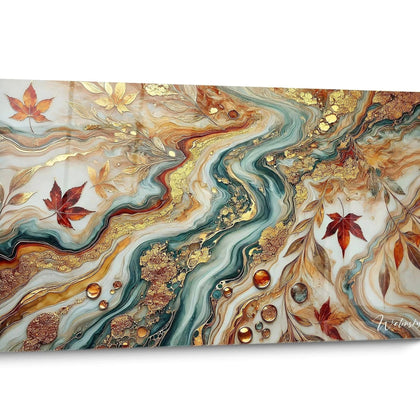 Epoxy Resin Wall Art ( Style ) Gold18
artworks
Epoxy Resin Wall Art ( Style ) Gold18
artworks
-
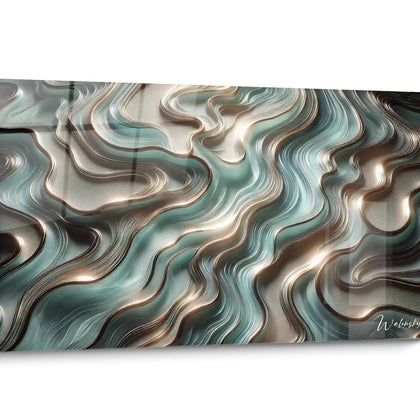 Epoxy Abstract Style Canvas24
artworks
Epoxy Abstract Style Canvas24
artworks
-
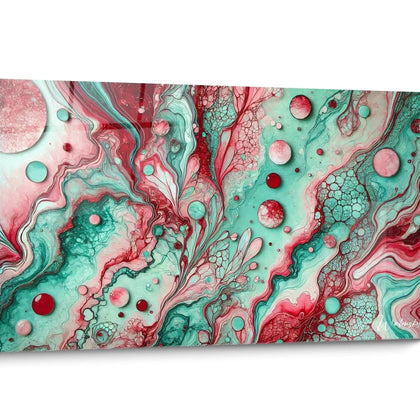 Epoxy Fluid Art Canvas19
artworks
Epoxy Fluid Art Canvas19
artworks
-
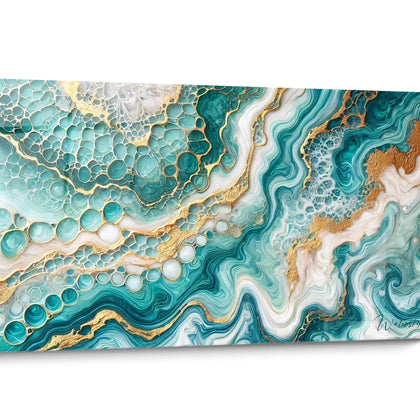 Epoxy Ocean ( Style ) Wall Art12
artworks
Epoxy Ocean ( Style ) Wall Art12
artworks
-
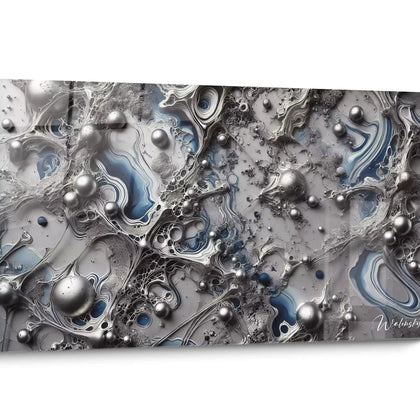 Epoxy Geometric Wall Art ( Style )4
artworks
Epoxy Geometric Wall Art ( Style )4
artworks
-
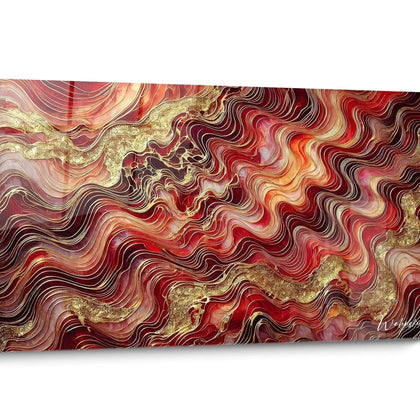 Epoxy Resin Art Red ( Style )11
artworks
Epoxy Resin Art Red ( Style )11
artworks
-
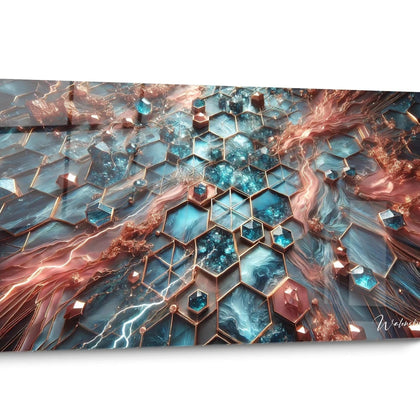 Epoxy Resin Wall Art (Style) Blue12
artworks
Epoxy Resin Wall Art (Style) Blue12
artworks


All about Epoxy Resin Wall Art ( Style ) Green
- Overview Fluid Epoxy Painting Green
- Green Resin Shades
- Vegetal Depth Effect
- Biophilic Integration
The green epoxy paintings embody a masterful fusion between contemporary craftsmanship and a botanical palette, captivating with their ability to evoke dense forests, the mineral nature of malachites, or the translucence of tropical waters. This specific category of resin epoxy wall decoration exploits the exceptional physico-chemical properties of this medium to create large-format works where green pigments interact with ambient light, revealing infinite depths and hypnotic transparencies. Acquiring such a painting represents an aesthetic investment that radically transforms the atmosphere of a living or professional space by imbuing it with a visual connection to the vegetal world, without the constraints of maintaining living plants.
The Chromatic Variations of Green in Epoxy and Their Visual Impact
The universe of green epoxy paintings unfolds into an extraordinary palette of tones that transcends the notion of a single color. Artists manipulate pigments ranging from saturated emerald green to translucent jade shades, passing through deep forest tones enriched with black, creating compositions that evoke underwater landscapes, rare geological formations, or lush canopies viewed from a vertical plunge.
How Emerald Tones Transform Residential Space?
Emerald tones in an epoxy painting green generate a particularly sought-after mineral luxury effect in high-end contemporary spaces. This specific shade captures and refracts natural light spectacularly, producing variations in intensity depending on the angle of observation and the hours of the day. Metallic gold or copper inclusions frequently associated with these emerald greens create a sophisticated chromatic dialogue that recalls the natural veins of precious stones, giving the work a dimension that is almost geological.
The Stratification of Greens: Signature Technique of Large Formats
Large-scale creations masterfully exploit the stratification of different green shades to construct an illusory visual depth. Artisans overlay layers of resin tinted in sage green, olive green, and mint green, each at a precise viscosity stage, allowing controlled migrations of pigments that create organic boundaries. This technique generates three-dimensional marbling effects impossible to reproduce with other mediums, where each layer seems to float at a different depth, captivating the gaze in an endless visual exploration.
Bold Color Combinations with Epoxy Green
Integrating an epoxy green painting into a decorative environment opens up possibilities for unprecedented color combinations. Contrary to conventional representations, these works remarkably dialogue with unexpected shades such as burnt ochres, powdered pinks, or Prussian blues, creating dynamic contrasts that enliven the space. For those exploring more conceptual aesthetics, discovering an abstract epoxy painting can offer complementary perspectives on the interaction between free forms and vegetal colorism. Design enthusiasts who favor biophilic aesthetics prefer pairings with warm neutrals such as natural linen or sandstone, allowing the emerald or jade green to visually dominate while maintaining a soothing harmony.
The Architecture of Depth in Green Epoxy Paintings
The distinctive characteristic of green epoxy paintings lies in their ability to generate a physically perceptible depth, creating the illusion of observing through several meters of crystalline water or of visually penetrating a stratified primary forest. This technical feat results from expert mastery of polymerization times, mixing ratios, and the sequential introduction of pigments at different stages of hardening.
What Three-Dimensional Effects Characterize These Green Creations?
Artisans exploit the light refraction properties of epoxy resin to construct complex interior landscapes. By incorporating green metallic particles, mica powders, and interference pigments, they create areas where light decomposes, generating iridescent effects that evoke the changing reflections of a lake surface or the shifting nuances of foliage in the wind. The translucent sections of the painting allow ambient light to partially pass through the resin, creating an internal luminosity that animates the work from within, a particularly spectacular phenomenon when the room receives morning or evening sidelight.
Organic and Mineral Inclusions in Green Compositions
Premium design green epoxy paintings frequently integrate encapsulated natural elements that accentuate the botanical or mineral dimension of the work. Fragments of stabilized moss, green gold leaf, malachite or chrysoprase chips, tinted quartz crystals: these inclusions create fascinating focal points that enrich the visual narrative. The epoxy resin perfectly preserves these elements in their original state, protecting them from oxidation and discoloration, while magnifying them through the inherent lens effect of this transparent medium. This technique transforms the painting into a true vegetal or geological time capsule, frozen in perpetual clarity.
The Tactile Dimension of Green Epoxy Surfaces
Unlike traditional supports, the surface of a green epoxy painting presents a complex texture that invites tactile exploration. Areas where the resin has been worked in relief create sensual undulations that recall eroded rock formations or the bark of ancient trees. Some creations integrate mixed finishes combining ultra-polished, emerald-like mirror sections, and deliberately textured areas where the grain of the material remains visible, creating a dialogue between smooth and rough, transparent and opaque. This sensory richness transforms the contemplative experience into a multidimensional encounter where vision is doubled by a haptic awareness of the material.
The Strategic Integration of a Green Epoxy Painting in Interior Architecture
The installation of a large-format green epoxy painting constitutes an architectural decision that restructures the spatial perception of an environment. These monumental works function as visual windows into imaginary landscapes, creating a contemplative escape particularly valuable in dense urban contexts where connection with nature remains limited. Their presence activates psychological mechanisms of relaxation associated with green tones, while offering the aesthetic stimulation of a sophisticated artistic composition.
Why Does Green Epoxy Excel in Professional Spaces?
Contemporary professional environments increasingly favor green epoxy paintings for their scientifically documented soothing properties. In medical waiting rooms, corporate reception halls, or coworking spaces, these works reduce the perception of stress by activating cognitive associations with nature and plant growth. Their luxurious appearance simultaneously communicates values of quality and attention to detail, reinforcing the institutional brand image. The typical large dimensions of these paintings allow them to visually dominate significant volumes, creating visual anchors in often minimalist and streamlined architectures.
The Green Epoxy Painting as a Spatial Zoning Element
In open-plan residential spaces or loft apartments, a monumental green epoxy painting can function as a subtle spatial delimiter. Strategically positioned, it creates a visual separation between living and relaxation areas without resorting to physical partitions that would fragment the space. Its presence establishes a distinct perceptual territory while maintaining architectural fluidity. The characteristic reflections and transparencies of epoxy resin allow for a certain visual permeability that preserves the feeling of volume while structuring the functional organization. This approach particularly appeals to interior architects seeking non-intrusive zoning solutions that enrich rather than constrain space.
Durability and Longevity of Green Epoxy Compositions
Investing in a high-quality green epoxy painting represents a durable heritage acquisition. Epoxy resin has exceptional chemical stability that preserves the intensity of green pigments for decades without significant UV degradation, unlike conventional paints prone to yellowing or discoloration. The non-porous surface naturally resists dust accumulation and is easy to clean, maintaining its crystalline shine without special treatment. This material longevity is accompanied by aesthetic timelessness: abstract green compositions transcend fleeting trends, maintaining their visual relevance regardless of stylistic evolutions. For collectors, this permanence ensures that the artwork will continue to enhance the space and potentially appreciate financially over the years.
Would a green epoxy painting be suitable for spaces with abundant natural light?
Absolutely, green epoxy paintings excel particularly well in environments bathed in natural light. The resin captures and diffracts light rays, creating variable effects of brilliance and depth depending on the intensity and angle of incidence of the light. The translucent areas of the painting literally illuminate when traversed by direct light, revealing nuances and details invisible in indirect lighting. This dynamic interaction with ambient brightness makes the painting a living artwork that evolves visually throughout the day.
What dimension should be prioritized for a green epoxy painting in a modern living room?
For optimal visual impact in a contemporary living room, prioritize generous dimensions starting at a minimum of 120x80 cm, with formats of 150x100 cm or 180x120 cm being particularly spectacular. Large dimensions allow the epoxy layering techniques to fully express themselves, revealing the complexity of chromatic transitions and the depths created. A painting of this scale visually anchors the space and justifies its status as a primary decorative element, transforming the wall into a veritable contemplative window onto an abstract vegetal or mineral landscape.
Do green epoxy paintings require specific maintenance to preserve their luster?
The maintenance of green epoxy paintings remains remarkably simple thanks to the properties of the polymerized resin. Regular dusting with a soft microfiber cloth is sufficient to maintain surface shine. For a more thorough cleaning, use a cloth slightly dampened with clear water, performing delicate circular motions. Avoid harsh chemicals, solvents, or abrasives that could alter the finish. Quality epoxy resin naturally retains its transparency and luster for decades without requiring restoration treatments, making these artworks particularly durable decorative investments.
Further reading
Our articles on this topic
- Emerald green abstract marble painting: the colour that transforms a living room
- Water lily painting for living room in sea-green tones: the decor guide
- Abstract landscape painting in blue and green tones: the perfect touch for a minimalist living room
- Stained glass style colorful painting: which palette to choose for your contemporary living room
- Blue and green kayak painting: the perfect match for a Scandinavian living room
- Nature painting for a contemporary living room: choosing soothing tones wisely
L'art qui suscite l'envie
Maison belge d'art mural grand format
14 jourspour changer d'avis*
Protection Walenskyincluse
Fabriquéen Italie
FormatXXL
Kit de fixationtoujours fourni
* Hors tableaux personnalisés et tailles personnalisées


