


Epoxy Geometric Wall Art ( Style )
The Epoxy Painting (Style) Geometric celebrates the perfect union of contemporary art and architectural design. These captivating works feature abstract geometric shapes with clean lines and bold compositions. Each creation plays with volumes, angles, and chromatic contrasts to create an exceptional modern geometric wall art . Ideal for enhancing contemporary interiors, design offices, or minimalist spaces, these paintings bring structure and dynamism to your decor.
 Networks of Brilliance Wall Art - Epoxy Style Edition273,90 €
 Copper Mosaic Wall Art - Epoxy Style Edition273,90 €
 Steel Flow Canvas - Epoxy Style Edition273,90 €
 Geometric Fusion Wall Art - Epoxy Style Edition273,90 €
Explore further
In Epoxy Geometric Wall Art ( Style )
-
 Epoxy Art ( Style )47
artworks
Epoxy Art ( Style )47
artworks
-
 Epoxy Art Panel ( Style ) Turquoise18
artworks
Epoxy Art Panel ( Style ) Turquoise18
artworks
-
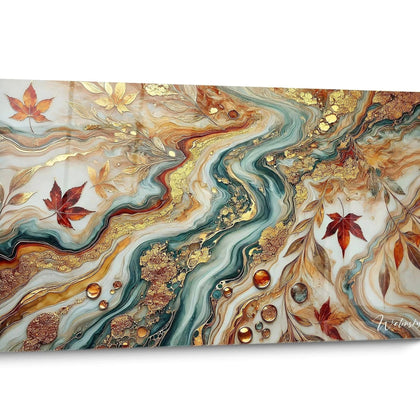 Epoxy Resin Wall Art ( Style ) Gold18
artworks
Epoxy Resin Wall Art ( Style ) Gold18
artworks
-
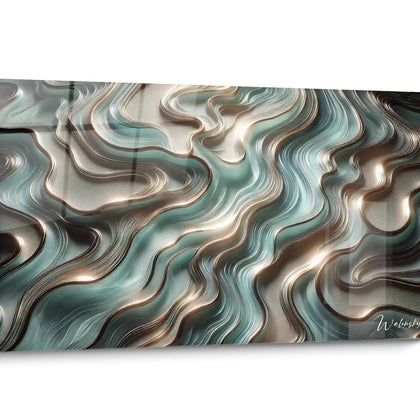 Epoxy Abstract Style Canvas24
artworks
Epoxy Abstract Style Canvas24
artworks
-
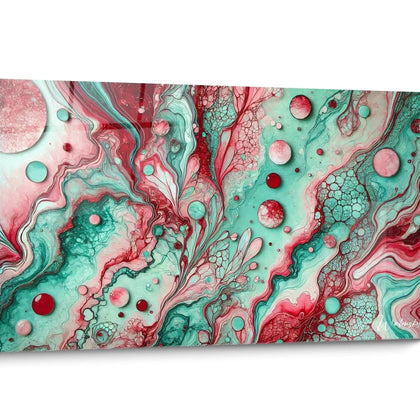 Epoxy Fluid Art Canvas19
artworks
Epoxy Fluid Art Canvas19
artworks
-
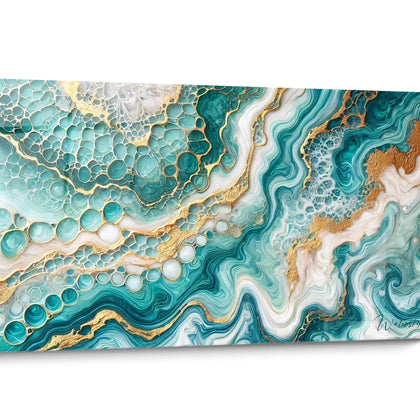 Epoxy Ocean ( Style ) Wall Art12
artworks
Epoxy Ocean ( Style ) Wall Art12
artworks
-
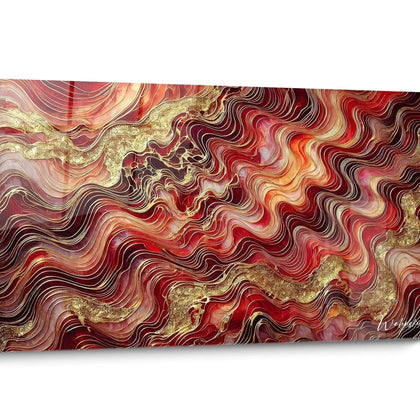 Epoxy Resin Art Red ( Style )11
artworks
Epoxy Resin Art Red ( Style )11
artworks
-
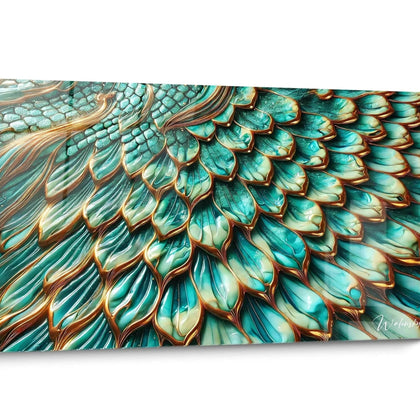 Epoxy Resin Wall Art ( Style ) Green9
artworks
Epoxy Resin Wall Art ( Style ) Green9
artworks
-
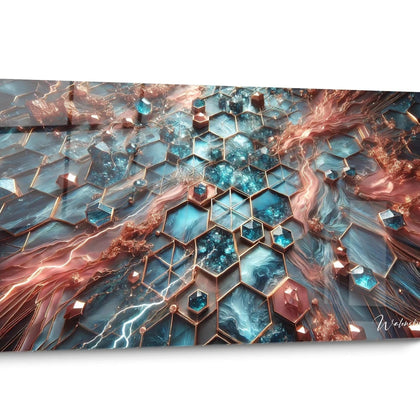 Epoxy Resin Wall Art (Style) Blue12
artworks
Epoxy Resin Wall Art (Style) Blue12
artworks


All about Epoxy Geometric Wall Art ( Style )
- Presentation Epoxy Painting Geometric
- Geometric Aesthetics in Resin
- Spatial Architecture and Volumes
- Visual Impact and Perspectives
A geometric epoxy painting radically transforms the spatial perception of an environment thanks to its angular structures and depth effects in resin. These large-scale wall creations exploit the layered transparency of epoxy to generate three-dimensional visual architectures where polygonal shapes overlap, creating light prism effects. The intersection between mathematical precision and the organic fluidity of resin produces compositions where each angle, each vanishing line, and each area of transparency contributes to a sophisticated architectural visual experience, particularly sought after in contemporary spaces requiring a strong and structured visual identity.
The Visual Architecture of Polygonal Shapes in Epoxy Resin
Epoxy paintings geometric exploit controlled resin crystallization to create polygonal structures with perfectly defined edges. Unlike organic compositions, these creations focus on angular rigor where each triangle, hexagon, or trapezoid fits together according to a calculated spatial logic. Epoxy resin allows for the layering of different transparency levels, creating an architectural depth where geometric planes seem to float at different visual altitudes.
How do angular intersections create spatial dynamics?
The intersection of geometric lines in an epoxy painting generates points of visual tension that naturally guide the eye through the composition. These convergence zones, where several polygonal shapes meet, become focal points that structure the reading of the work. In professional spaces such as technology company lobbies or architectural showrooms, this accentuated geometry reinforces the contemporary visual identity and conceptual rigor sought.
Chromatic stratification in geometric modules
Each geometric segment can receive a distinct epoxy hue, creating chromatic mosaics where color transitions follow the angular contours. This modular approach allows for the generation of geometric gradients where tonal variations strictly respect the polygonal boundaries. Metallic pigments integrated into certain sections accentuate the prismatic effect, particularly striking in large-scale wall formats exceeding 150 cm where each module becomes an architectural element in its own right.
The effect of tessellation and structured repetition
Some epoxy paintings exploit geometric tessellation, this repetition of identical shapes fitting together without spacing, creating hypnotic patterns. This approach, inspired by mathematical pavings, generates a particularly effective visual rhythm in spaces requiring decorative continuity such as hotel corridors or coworking spaces. Resin allows for subtle variations in shades between each tessera while maintaining overall structural coherence, offering a visual richness that evolves according to the angle of observation. To explore less structured compositions, the abstract epoxy painting offers a fluid alternative to strictly geometric forms.
Manipulation of Depth and Geometric Perspectives
A large geometric epoxy painting masterfully exploits the illusion of depth through the superposition of transparent and opaque layers. Epoxy resin allows the creation of apparent volumes where some shapes seem to advance towards the viewer while others recede into successive planes. This trompe-l'œil architecture transforms a flat surface into a complex spatial construction, particularly valued in minimalist environments where the painting becomes a sculptural focal point.
What techniques create the impression of relief without physical thickness?
The use of clear resin in relief above opaque segments generates a real physical depth that can reach several centimeters. This stratification allows geometric shapes to literally float above the background, creating internal shadows and games of light refraction. The beveled edges of the polygonal shapes, characteristic of high-end geometric epoxy paintings, accentuate this three-dimensional effect by capturing light differently depending on the incidence.
Lines of perspective and convergence points
Geometric compositions often integrate forced perspectives where lines converge towards one or more vanishing points, creating a sensation of expanding or contracting space. This perspective manipulation transforms the painting into a virtual architectural window, particularly sought after in restricted spaces requiring visual openness. Horizontal panoramic formats masterfully exploit this technique to generate a lateral extension of the perceived space.
Integration into contemporary angular architectures
Spaces with marked architectural lines – exposed beams, protruding angles, metal structures – find their natural echo in a monumental geometric epoxy painting. This formal resonance creates a visual continuity where the artwork directly dialogues with its built environment. In converted industrial lofts or glazed contemporary extensions, these paintings reinforce the existing architectural vocabulary while bringing the material warmth of resin. Large wall formats exceeding 180 cm become true architectural interventions that redefine the volumetric perception of space.
The Chromatic and Luminescent Impact of Geometric Structures
The angular geometry of an epoxy painting creates multi-directional surfaces that interact distinctly with surrounding light sources. Each polygonal facet reflects, absorbs, or transmits light according to its orientation and opacity, transforming the painting into a dynamic optical device. Translucent resins allow for contemporary stained-glass effects where light selectively passes through certain geometric sections, sometimes projecting colored patterns onto adjacent surfaces.
How to optimize placement to maximize geometric effects?
Geometric epoxy paintings fully reveal their potential facing lateral light sources that accentuate reliefs and create internal shadows. A perpendicular positioning to bay windows allows the natural light variations to continuously transform the appearance of the composition throughout the day. In professional reception areas, this visual variability maintains interest and creates an evolving aesthetic signature that distinguishes the environment.
Structured color palettes versus monochromes
Two approaches dominate the universe of geometric epoxy wall art: polychromatic compositions where each geometric zone carries a distinct shade, creating vibrant mosaics; and monochromatic variations playing exclusively on the nuances of a single color family. Monochromatic versions focus on contrasts in transparency and subtle tonal variations to reveal the geometric structure, an approach favored in interiors with a minimalist design. Polychromatic compositions are more suitable for creative spaces requiring strong visual stimulation.
Visual evolution according to lighting conditions
A quality geometric epoxy wall art reveals different facets depending on the ambient lighting: under diffused natural light, chromatic transitions and layered depth dominate; under directed lighting, the angular contours and reliefs are dramatically emphasized; in raking light, the texture of the polymerized resin itself becomes perceptible. This visual versatility justifies the investment in monumental formats for representative spaces where the artwork must maintain its impact under varying lighting conditions.
Which environments particularly enhance a geometric epoxy wall art?
Spaces with contemporary architectural lines such as executive offices, modern building lobbies, and architect-designed residences constitute the ideal setting for these creations. Their structured aesthetic particularly resonates in professional environments in the technology, finance, or design sectors where rigor and innovation must visually transpire.
How to maintain epoxy geometric surfaces?
Polymerized epoxy resin surfaces only require regular dusting with a dry microfiber cloth. For large formats, a semi-annual cleaning with slightly soapy water preserves the shine of the transparent sections and the depth of the pigmented areas, avoiding any abrasive product that could alter the delicate transitions between the different geometric layers.
Is a geometric epoxy wall art suitable for residential spaces?
Absolutely, particularly in double-height contemporary living rooms, structuring staircases, or open living spaces where an architectural focal point is imposed. Imposing formats transform walls into true artistic installations that visually structure the space while bringing the material sophistication of worked resin.
Further reading
Our articles on this topic
- Speckled geometric painting, industrial style: the graphic touch that transforms an office
- Design Wall Art vs. Artistic Wall Art: What's the Difference and For Whom?
- Geometric abstract painting in a meeting room: what message are you sending to your clients?
- Do geometric paintings create more structure than organic ones?
- Large-format op art painting for a professional office: optical illusion serving focus
- Chessboard Painting: Geometry, Strategy and Style
L'art qui suscite l'envie
Maison belge d'art mural grand format
14 jourspour changer d'avis*
Protection Walenskyincluse
Fabriquéen Italie
FormatXXL
Kit de fixationtoujours fourni
* Hors tableaux personnalisés et tailles personnalisées


