


Epoxy Abstract Style Canvas
The Epoxy Painting (Style) Abstract revolutionizes wall decoration with its artistic compositions featuring fluid effects and captivating depths. Each creation presents vibrant epoxy colors that merge in fascinating organic movements. These contemporary works offer unique three-dimensional abstract effects , creating remarkable light games and textures. Perfect for modern spaces, these paintings bring sophistication and character to your interior.
 Dew Sparkle Wall Art - Epoxy Style Edition273,90 €
 Alpine Echoes Painting - Epoxy Style Edition273,90 €
 Ethereal Curves Canvas - Epoxy Style Edition273,90 €
 Rubellite Heat Canvas - Epoxy Style Edition273,90 €
 Emerald Mist Wall Art - Epoxy Style Edition273,90 €
 Wave Copper Artwork - Epoxy Style Edition273,90 €
 Celestial Ocean Wall Art - Epoxy Style Edition273,90 €
 Copper Sea Wall Art - Epoxy Style Edition273,90 €
 Golden Tide Wall Art - Epoxy Style Edition273,90 €
 Watercolor Tide Wall Art - Epoxy Style Edition273,90 €
 Mystical Marble Wall Art - Epoxy Style Edition273,90 €
 Black Impact Painting - Epoxy Style Edition273,90 €
 Steel Flow Canvas - Epoxy Style Edition273,90 €
 Emerald Fusion Canvas - Epoxy Style Edition273,90 €
 Enchanted Flows Wall Art - Epoxy Style Edition273,90 €
 Garnet Essence Artwork - Epoxy Style Edition273,90 €
 Psychedelic Bloom Wall Art - Epoxy Style Edition273,90 €
 Marine Abyss Painting - Epoxy Style Edition273,90 €
 Enchanted Foam Painting - Epoxy Style Edition273,90 €
 Eternal Flame Wall Art - Epoxy Style Edition273,90 €
 Purple Flames Wall Art - Epoxy Style Edition273,90 €
 Geometric Fusion Wall Art - Epoxy Style Edition273,90 €
 Quartz Blades Painting - Epoxy Style Edition273,90 €
 Blazing Tide Painting - Epoxy Style Edition273,90 €
Explore further
In Epoxy Abstract Style Canvas
-
 Epoxy Art ( Style )47
artworks
Epoxy Art ( Style )47
artworks
-
 Epoxy Art Panel ( Style ) Turquoise18
artworks
Epoxy Art Panel ( Style ) Turquoise18
artworks
-
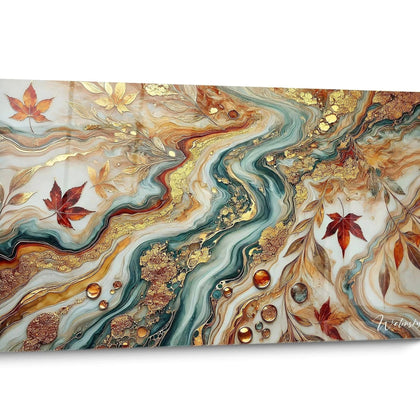 Epoxy Resin Wall Art ( Style ) Gold18
artworks
Epoxy Resin Wall Art ( Style ) Gold18
artworks
-
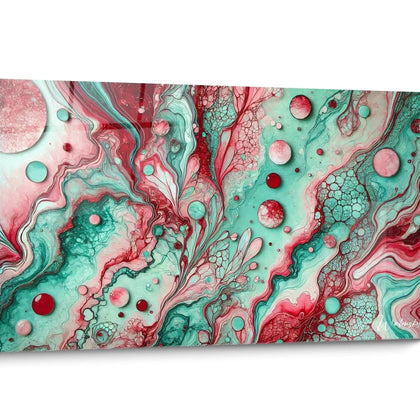 Epoxy Fluid Art Canvas19
artworks
Epoxy Fluid Art Canvas19
artworks
-
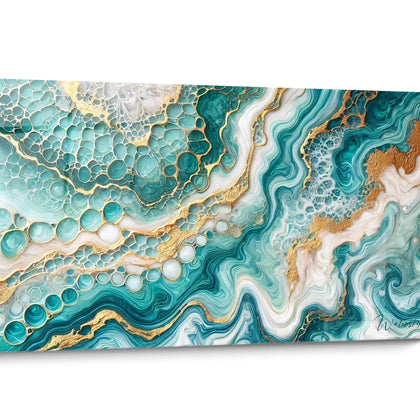 Epoxy Ocean ( Style ) Wall Art12
artworks
Epoxy Ocean ( Style ) Wall Art12
artworks
-
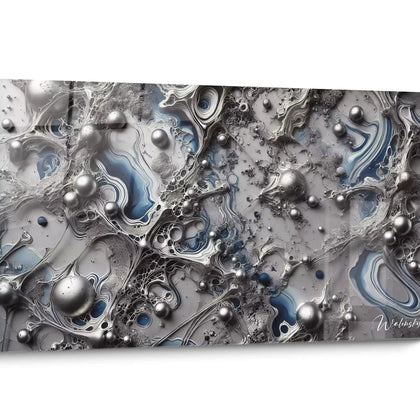 Epoxy Geometric Wall Art ( Style )4
artworks
Epoxy Geometric Wall Art ( Style )4
artworks
-
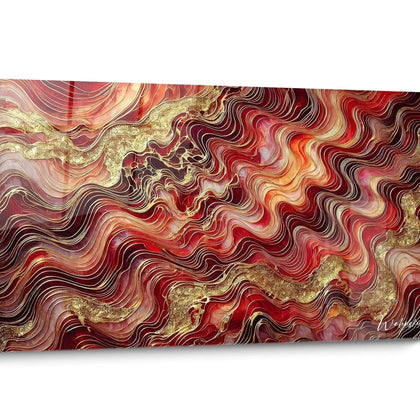 Epoxy Resin Art Red ( Style )11
artworks
Epoxy Resin Art Red ( Style )11
artworks
-
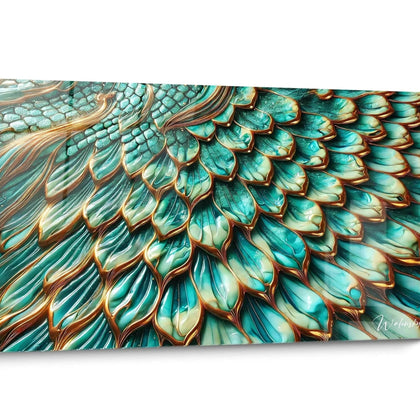 Epoxy Resin Wall Art ( Style ) Green9
artworks
Epoxy Resin Wall Art ( Style ) Green9
artworks
-
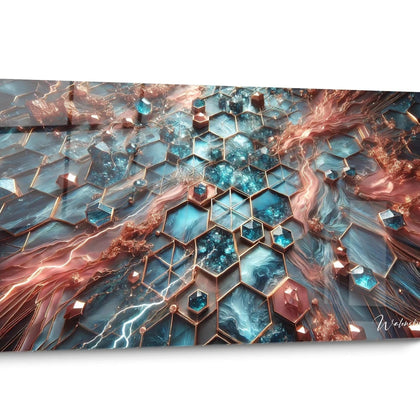 Epoxy Resin Wall Art (Style) Blue12
artworks
Epoxy Resin Wall Art (Style) Blue12
artworks


All about Epoxy Abstract Style Canvas
- Presentation Epoxy Painting Abstract
- Abstract Resin Art
- Abstract Fluid Compositions
- Contemporary Epoxy Design
An epoxy painting abstract transforms your space with its crystalline resin movements and hypnotic transparency plays. These monumental creations capture light through layers of translucent resin, creating changing visual depths depending on the viewing angle. Epoxy technique offers endless possibilities for non-figurative expression where metallic pigments, random flows and chemical reactions generate organic compositions impossible to reproduce. Each piece becomes a three-dimensional window to pure abstraction, magnified by the crystalline brilliance characteristic of epoxy resin. Generous formats of these works maximize the visual impact of swirling colors, natural cells and depth effects that define the contemporary resin abstract aesthetic.
The Expressiveness of Resin Flows in Abstract Art
The epoxy painting abstract exploits the natural fluidity of resin to create gestural compositions impossible with traditional mediums. Epoxy flows generate movements frozen in time, capturing the precise moment when pigments and resin interact before complete polymerization. This controlled spontaneity produces marble effects, organic veins and clouds of color suspended in crystalline transparency.
Why do depth effects distinguish resin abstraction?
The layering of translucent epoxy layers creates a unique three-dimensionality in abstract art. Each layer of resin adds a spatial dimension, allowing colored elements to float at different visual levels. Metallic inclusions can be stratified between layers, generating multiple compositional planes that evolve according to the position of the viewer. This vertical architecture transforms the flat surface into a stratified abstract landscape.
Chemical reactions as a creative engine for abstract art
The interaction between epoxy resin, pigments and additives generates unpredictable visual phenomena sought after in contemporary abstraction. Organic cells spontaneously appear when silicone and resin repel each other, creating craters with defined borders. Alcohol-based pigments diffuse in nebulous halos, while metallic powders react differently depending on their density. These chemical processes become artistic collaborators, introducing a part of mastered randomness characteristic of the epoxy style abstract painting. To explore other chromatic universes in resin, discover our collection of blue epoxy paintings with deep marine tones.
Crystalline materiality and sensory abstraction
The ultra-glossy epoxy finish amplifies the intensity of abstract pigments while creating a mirror effect that integrates the environment into the artwork. This reflective surface transforms the painting into a dynamic interface between art and architectural space. Areas of clear resin act as transparent windows revealing the lower layers, while densely pigmented opaque sections offer solid visual anchors. This transparency-opacity duality enriches the reading of the abstract composition.
Pouring Techniques and Monumental Abstract Aesthetics
How do generous formats amplify the abstract impact?
The imposing dimensions of an abstract epoxy painting transform micro-resin details into monumental visual events. A swirl of a few centimeters becomes a large-scale immersive vortex, allowing for the appreciation of subtle chromatic nuances and texture transitions. Large surfaces offer the space needed for expansive flows that characterize successful epoxy compositions, where resin can travel freely before freezing.
Panoramic formats particularly exploit directional pouring techniques, creating horizontal flows that guide the eye through the composition. Vertical pieces accentuate the effects of gravity, with pigments and resin creating colorful layered cascades. This monumental scale allows for the simultaneous integration of microscopic detail zones and large abstract gestures, generating a multi-scale visual richness.
Pouring strategies for abstract visual complexity
The dirty pour technique concentrates multiple pigments in a single reservoir before pouring, generating complex chromatic interactions during spreading. This method produces fluid boundaries between colors, creating organic gradients impossible with a brush. Ring-shaped pouring generates radial cellular patterns, while spot applications create centrifugal color explosions.
Layered pours allow for the construction of stratified abstract landscapes where each application adds complexity and depth. The introduction of metallic elements between layers creates conductive veins traversing the composition. Areas of pure resin act as visual breaths, balancing the densely pigmented sections. This technical orchestration transforms the chemical process into a visually captivating abstract score.
Epoxy finishes and the permanence of abstraction
The final epoxy sealing layer protects the pigments while unifying the surface under a perfectly flat crystalline film. This encapsulation guarantees the color stability of abstract compositions against UV and oxidation. The thickness of the resin acts as a transparent protective filter, preserving the intensity of the metallics and the vibrancy of the organic pigments. The final polishing eliminates any imperfection, creating an optically perfect surface that maximizes light reflection and perceived visual depth.
Architectural Integration of Abstract Epoxy Compositions
Which spaces particularly value abstraction in resin?
Environments with variable lighting reveal the complexity of an abstract epoxy painting thanks to changes in natural lighting that transform the appearance of the resin. Spaces with generous windows allow light to penetrate the translucent layers, activating metallic pigments and revealing stratified depths. Spacious entrance halls offer the necessary distance to appreciate monumental compositions while creating a memorable first impression.
Contemporary environments with clean lines find in epoxy abstraction a organic focal point contrasting with architectural geometry. Minimalist spaces particularly benefit from the concentrated visual complexity offered by abstract resin, avoiding decorative overload while introducing textural and chromatic richness. Professional offices use these works to humanize corporate spaces by introducing sophisticated non-figurative artistic elements.
Chromatic dialogues between abstract resin and environment
Epoxy abstraction acts as a chromatic amplifier by capturing and reflecting surrounding hues through its glossy surface. Multicolor compositions create visual bridges between different decorative elements, unifying disparate palettes. Monochrome abstract resin pieces offer tonal sophistication, exploring the subtle nuances of a single color family through variations in opacity and intensity.
Metallic compositions interact particularly with architectural lighting, their conductive pigments creating dynamic shimmers. Copper areas warm under warm light, while silver sections cool under cool lighting. This chromatic reactivity transforms the painting into a living element responding to daily light cycles.
Preservation and evolution of epoxy abstract surfaces
The exceptional durability of epoxy resin ensures that abstract compositions retain their crystalline brilliance for decades without yellowing or cracking. The non-porous surface naturally repels dust and contaminants, facilitating maintenance with a simple gentle wipe. This material resilience makes the epoxy abstract painting a lasting artistic investment for residential and commercial spaces requiring aesthetic longevity.
Is an epoxy abstract painting suitable for high humidity spaces?
Polymerized epoxy resin offers exceptional resistance to humidity and hygrometric variations, making these works perfectly suited to humid environments where traditional mediums would degrade. The impermeable surface prevents any water infiltration that could damage the pigmented layers, ensuring dimensional and color stability even in extreme conditions.
What is the optimal lighting to reveal the details of an epoxy abstract painting?
Multidirectional lighting combining natural and artificial sources reveals the complexity of epoxy compositions by simultaneously activating effects of depth, metallic brilliance, and stratified transparency. Side lighting accentuates the subtle relief of the flows, while frontal light maximizes chromatic intensity and surface reflections.
How do large-scale abstract resin paintings influence spatial perception?
Monumental epoxy abstract paintings visually redefine architectural proportions by creating dominant focal planes that restructure the reading of space. Their imposing presence generates a sensation of spatial expansion in restricted environments while visually anchoring large volumes through their concentrated chromatic mass and dynamic immersive compositions.
Further reading
Our articles on this topic
- Acrylic glass print of abstract architecture: contemporary decor that plays with light
- How to Master the Pouring Technique for a Successful Abstract Painting?
- Abstract painting and meeting room: what impact depending on the type of meeting
- Wall art on textured walls (concrete, lime plaster, stucco): material choices
- Aluminum Dibond or Acrylic Glass: Which Medium Best Showcases an Abstract Painting?
- Asymmetrical and Irregular Artwork: Break the Rules with Style
L'art qui suscite l'envie
Maison belge d'art mural grand format
14 jourspour changer d'avis*
Protection Walenskyincluse
Fabriquéen Italie
FormatXXL
Kit de fixationtoujours fourni
* Hors tableaux personnalisés et tailles personnalisées


